|
BroPlan 1/72 Caproni Ca.111 Bomber by Richard Mendes |

|

Click the STORMO! Eagle to return to the Gallery |
|
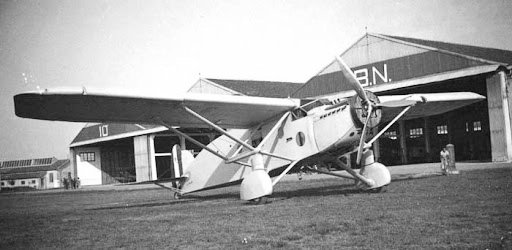
The single-engine Caproni Ca.111 designed by Rodolfo Verduzio in 1931 was a long-range reconnaissance aircraft and light bomber derived from the tri-motor Ca.101, first flown in 1932 two prototypes and 152 production aircraft were built. A long-range workhorse of the Regia Aeronautica Italiana (RAI), the Ca.111 Idrovolanti (25 built) were first to serve operationally with 85° Gruppo (six each 142°, 146°, 183° Squadrigli) performing maritime reconnaissance and within a year were replaced by CANT Z.501s as well as refitted with landing gear for land-based operations. Supremely suited to rough operational environments Ca.111s were simple to maintain, second only to SM.81s in robustness and reliability performing innumerable long-range reconnaissance, ground attack and bombing sorties as well as delivering fuel, live animals and other cargo to ground troops during the Second Italo-Abyssinian War. Obsolete by end of the 1930s Ca.111 recces soldiered into the early 1940s till replaced by Z.501s and Ro.37s and redeployed as photo planimetric and cargo suppliers to isolated Axis troops and partisans in the Balkans. In addition to the RAI, Peru purchased several Ca.111 "heavy bombers" nicknamed Panchos c.1933-34 and were replaced by Caproni Ca.135 bombers in this role in c.1936-37, both types flying till 1940 when all Ca.111s were converted to transports. During the 1941 Ecuadorian–Peruvian War, Peruvian Ca. 111s dropped Italian-trained paratroopers over Port Bolivar on July 27th marking the first combat use of paratroops in the Americas, the fates of surviving Peruvian 111s going unrecorded. |
|

|
|
|

|

|
|
|
|
|
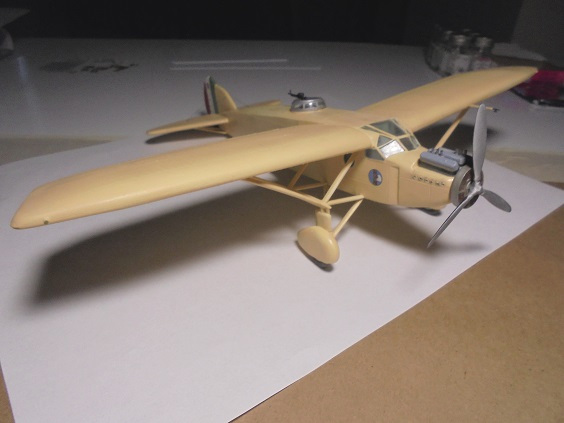
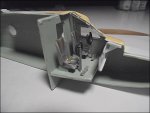
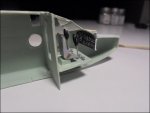
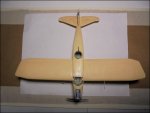
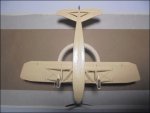
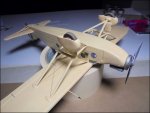
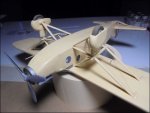
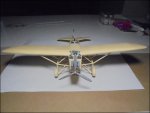
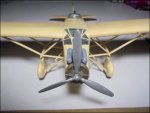
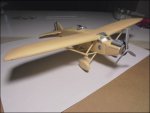
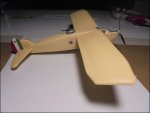
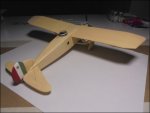
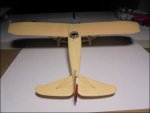
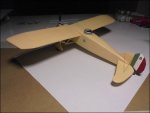
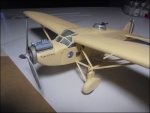
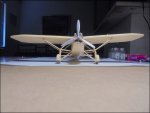
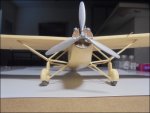
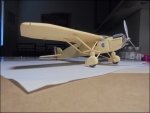
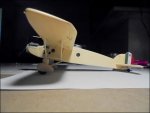
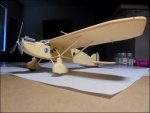
The late 1990s BroPlan MS-76 Caproni Ca.111 model kit with vacuform and injected plastic parts is the only one available in 1/72 scale. Well molded though lacking fuselage interior detail other than basic cockpit parts, darn thing was a grizzly bear to build particularly the 10-pane cockpit canopy!
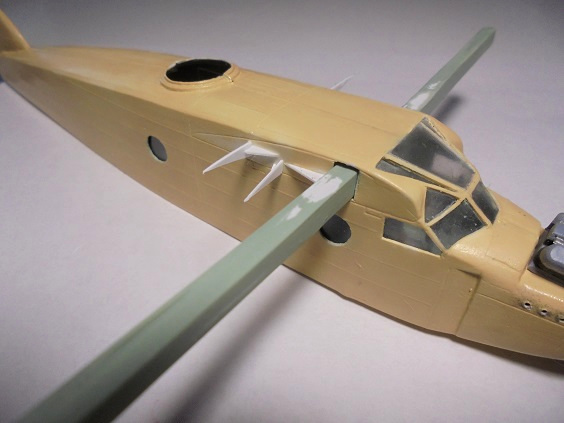
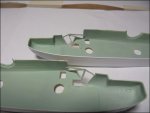
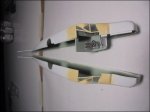
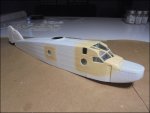
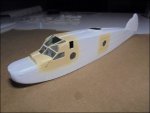
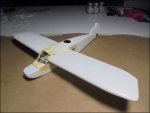
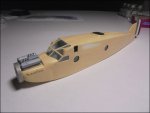
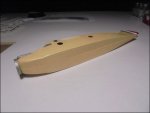
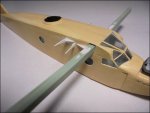
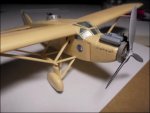
Disregarding the kit instructions and substituting a clear molded plastic cockpit canopy replacement after cutting out large sections of fuselage halves without any guarantee of success, I laboriously cut out all ten molded-in pane sections gluing in eight cut-shaped clear styrene sheet plastic panes from behind the canopy frame remaining largest two dropped in from the front over several days of teeth-grinding work. Equally if not more frustrating was gluing in the fuselage portal windows, original effort gluing them inside fuselage halves came off OK till fogged over from paint overspray all having to be removed and replaced "ship in a bottle style" after the fuselage halves were assembled with new clear plastic pieces entailing yet more days of teeth-grinding work!
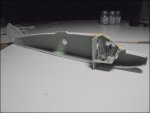
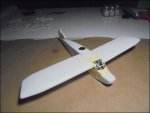
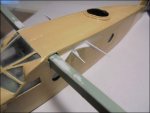
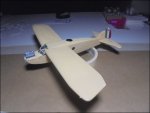
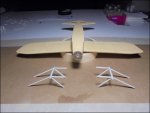
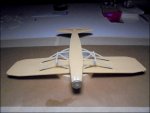
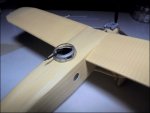
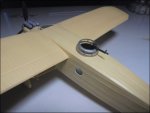
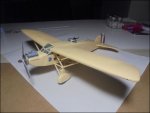
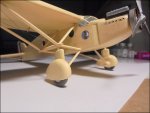
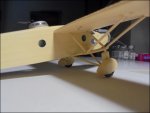
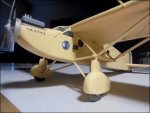
Assembling the fuselage halves and the placement of the Isotta Fraschini Asso 750 engine parts came off OK, two sets of triple-tube carburetor intakes needing to be scratch-fabricated, the kit-provided ones were unsuitable (the forward set refabricated after original broke off), assembling mainwings and tailplanes, gluing them on fuselage also came off OK some puttying and sand-finishing around topside wing roots was necessary. The model kit lacks mainwing navigation lights, aileron and flap actuators and were fabricated from styrene sheet plastic latters patterned after actuators saved from a previous model build. Assembling the mainwing landing gear struts and wheel spat units promised to be major exercises in head-beating frustration, much knife-trimming and sand-finishing of crudely injected-plastic molded parts necessary even before doing so. Recognizing the difficulty, I assembled each trapeze unit bottom up from mainwings with wheel spats and support beam on top followed by spray painting everything then gluing the units on mainwings and fuselage, sans reoccurring difficulties keeping lower outer struts and wheel spats glued in place, everything came off OK much to my relief! Assembling and painting mainwing landing gear wheels also came off OK gluing them inside the wheel spats entailed good deal of effort however, painting and glue-placing tail wheel far less so thanks to good trim-positioning work. The large poorly molded one-piece propeller required good deal of delicate sand-smoothing work to avoid buckling and cracking, painting it came off OK well as gluing in place inside a carefully drilled hole center of the circular engine radiator!
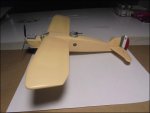
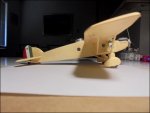
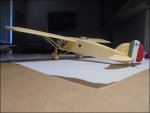
Painting the model was straightforward; fuselage interiors spray and hand-painted Humbrol 78 Matt Cockpit Green + Testors Flat White 50/50 mix + 36% White scale shading enamels replicating Verde Anticorrosione, exteriors Humbrol 148 Matt Radome Tan replicating Bianco Avorio 5 per CMPR/IPMS-Italy Scheme G1 common on pre-WWII RAI colonial aircraft, wide variety of Humbrol, Testors and Model Master enamel detailing colors employed in painting various kit parts. Building the model to represent an early production factory-fresh Ca.111 only fuselage fasci and House of Savoy rudder crests taken from decal stocks were applied Testors Clear Semi-Gloss Lacquer sprayed on overall afterwards. |


|
|
Aircraft: Caproni Ca 111 Manufacturer: Società Italiana Caproni Type: Bomber Year: 1932 Engine: one Isotta Fraschini Asso 750, 830 hp Wingspan: 64 ft 3 in (19.65 m) Length: 50 ft 3 in (15.3 m) Height: 12 ft 8 in (3.85 m) Weight: 12,103 lb (5,490 kg) Maximum Speed: 180 mph (290 km/h) Ceiling: 21,980 ft (6,700 m) Range: 808 mile (1,300 km) Armament: 4 machine guns, 1,323 lb (600 kg) of bombs Crew: 2-4 |
|
|
|
|
|
|


|


|
|
|
|
December, 2021 STORMO! © 2021 |