This aircraft behaved more like a helicopter than an aeroplane. It could
take off in about 200 ft (61 m), and in a headwind with flaps extended the
'Storch' (Stork) could all but remain motionless in the air. With these
remarkable features, this aeroplane was the grandfather of all the modern
short or vertical take-off aircraft. The Fieseler Fi 156 was a valuable element
within the German Air Force, and served on all fronts throughout the war.
Almost 2,900 of them were built, and they saw service in communication,
observation and casualty evacuation duties, and proved to be perhaps the
most versatile aircraft of the war.
The project was begun in 1935. The Fieseler Fi 156 was a high-wing
monoplane with composite structure. The fuselage was built of steel tubes,
while the tail and wings were made of wood. The fuselage and wing were
fabric covered, while the tail was covered in wood. The under-carriage
consisted of two long struts that were built to take the heavy impact of steep-angle
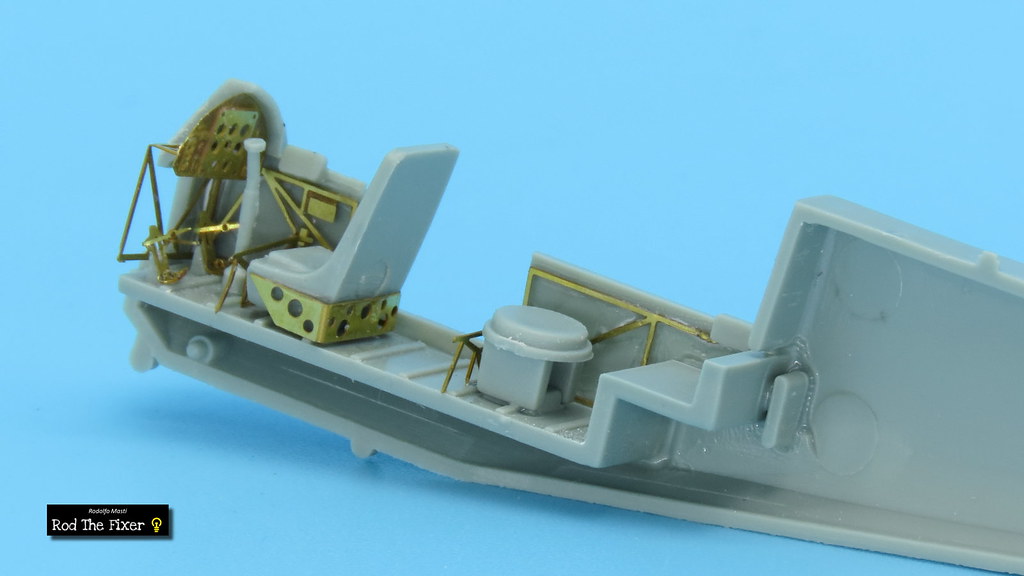
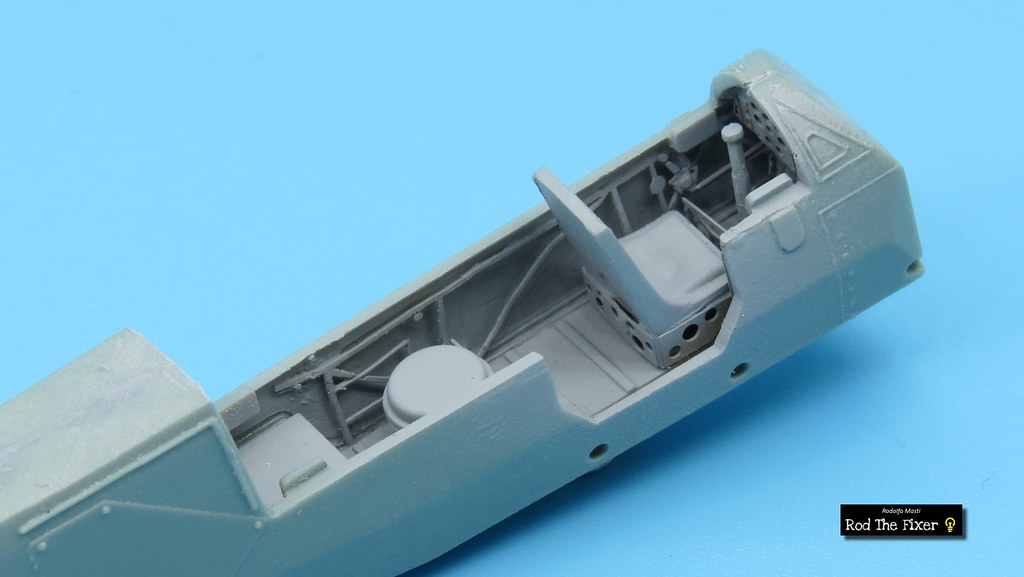
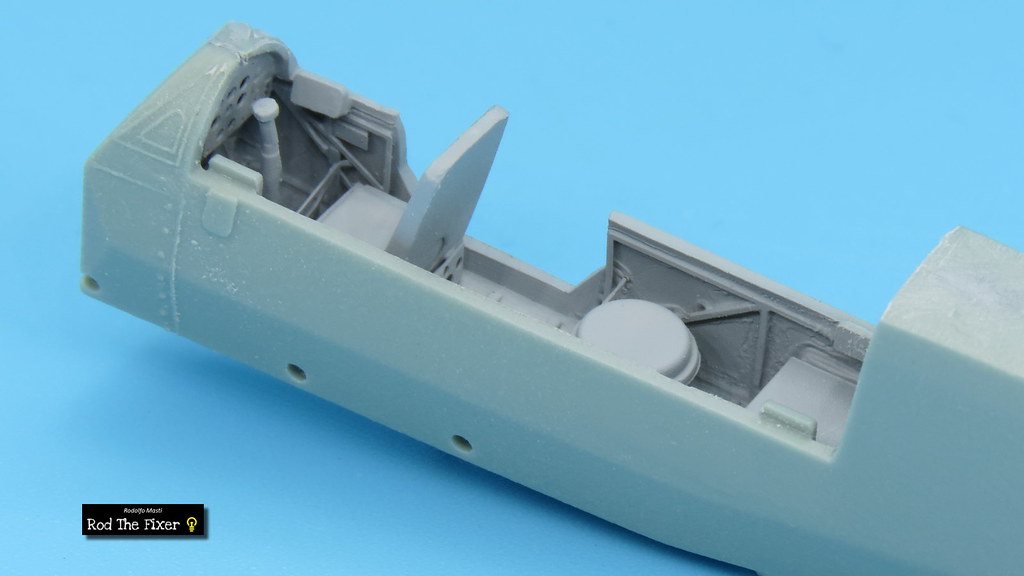
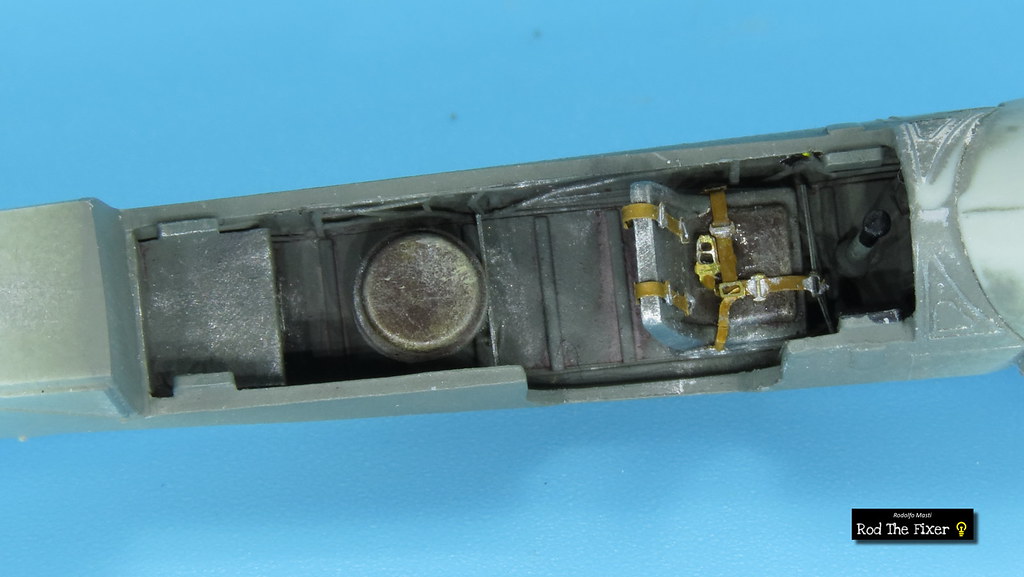
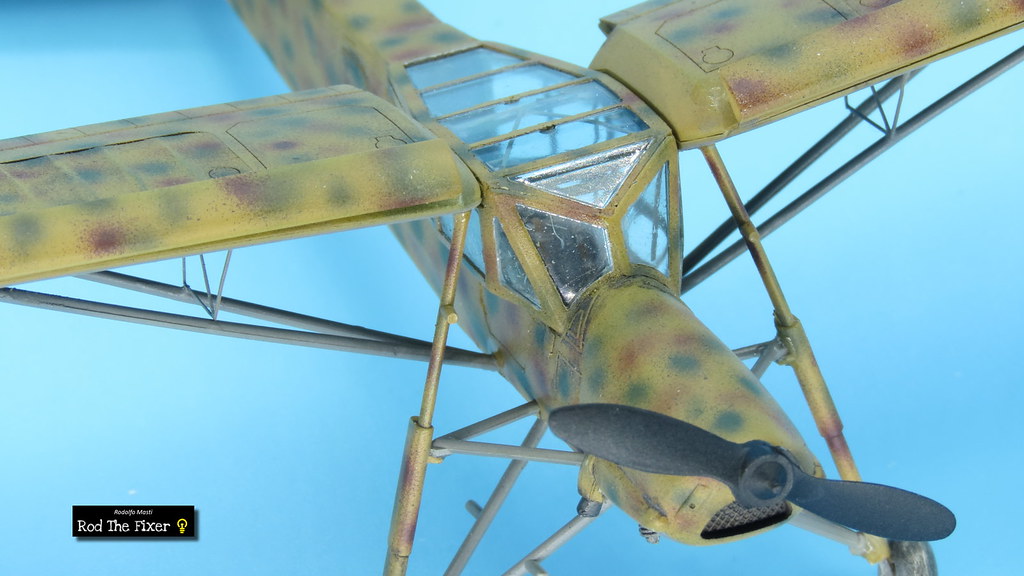
landings. The cabin was totally glassed in for visibility, and the crew
consisted of two men. The aeroplane was powered by a 240 hp Argus As
1OC, 8-cylinder inverted-V engine that was air cooled. The propeller was two-blade
and had a fixed pitch. The wings were particularly aerodynamic. The
trailing edge was completely mobile, the outer part of the wings functioned
as ailerons, while the inner part served as flaps. Movable flaps were also
installed the full length of the forward edge.
The first tests confirmed expectations. The 'Storch' was a remarkable
aeroplane. It could fly between 30 and 105 mph (48 and 168 km/h) and in a
headwind of 8 mph (13 km/h), the aeroplane could take off in less than
170 ft (51 m). Under the same conditions the aeroplane could land in a
distance of 50 ft (15 m), the near equivalent of its wingspan.
Five prototypes were built in 1936 and 1937. After evaluation and comparative
test flights, a pre-production batch of 10 aircraft was put into
production. One of these aircraft was presented officially in late July 1937.
The first production model was the A-1, but it was soon replaced by the
C series, the largest production series. The C-0 model was the first to carry
armament, a 7.9 mm MG 151 machine gun installed in the rear of the cockpit.
The next model, the 1939 C-1, was assigned to communication work, and
the C-2 model carried photographic reconnaissance equipment. The D
series appeared in 1941, designed for casualty evacuation. Almost
simultaneously the E series appeared with a tracked under-carriage for
rough terrain. The 'Storch' was also built under licence in France, by
Morane Saulnier, and in Czechoslovakia, by Mraz. The French
company produced three models, the M.S.500, the M.S.501, and the
M.S.502. The Czech company turned out one version, which was known as
the Mraz K-65 Cap.
Among the 'Storch's' historic flights was the rescue of Mussolini at Campo
Imperatore on September 12, 1943, and a flight on April 26, 1945, to carry
General Ritter von Greim from Berlin aerodrome into the heart of beseiged
Berlin, to Hitler's bunker.
In Italian Service
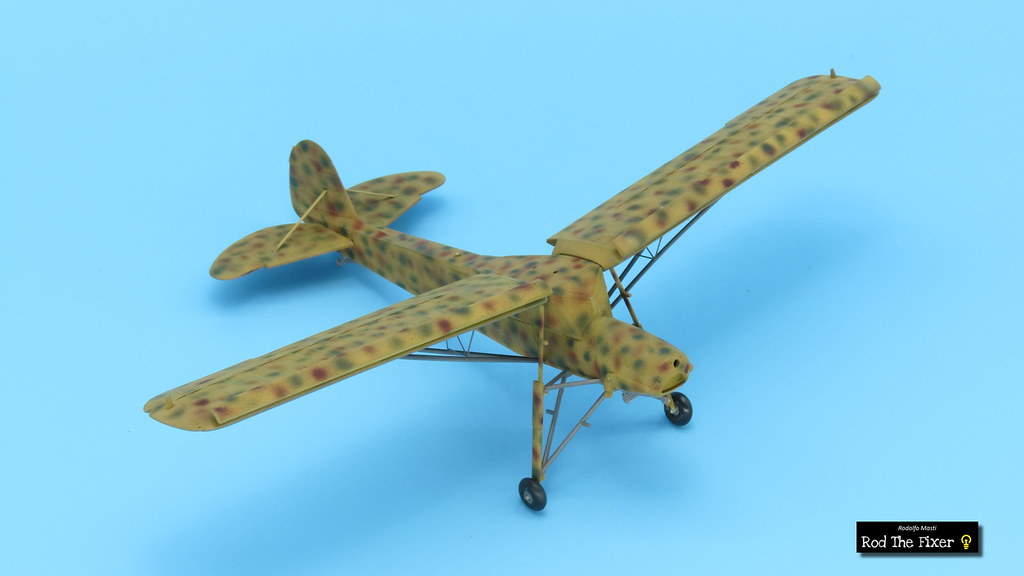
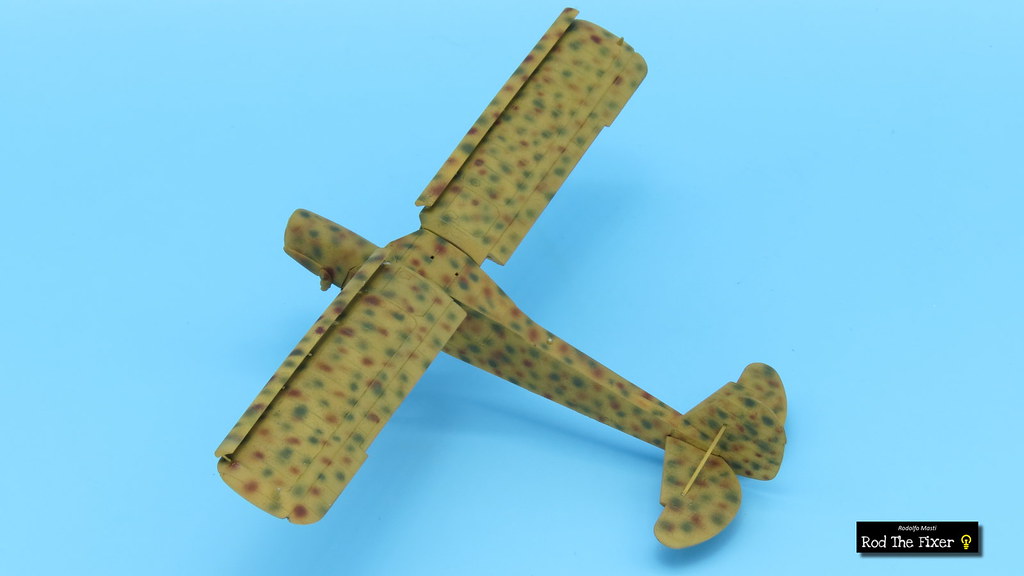
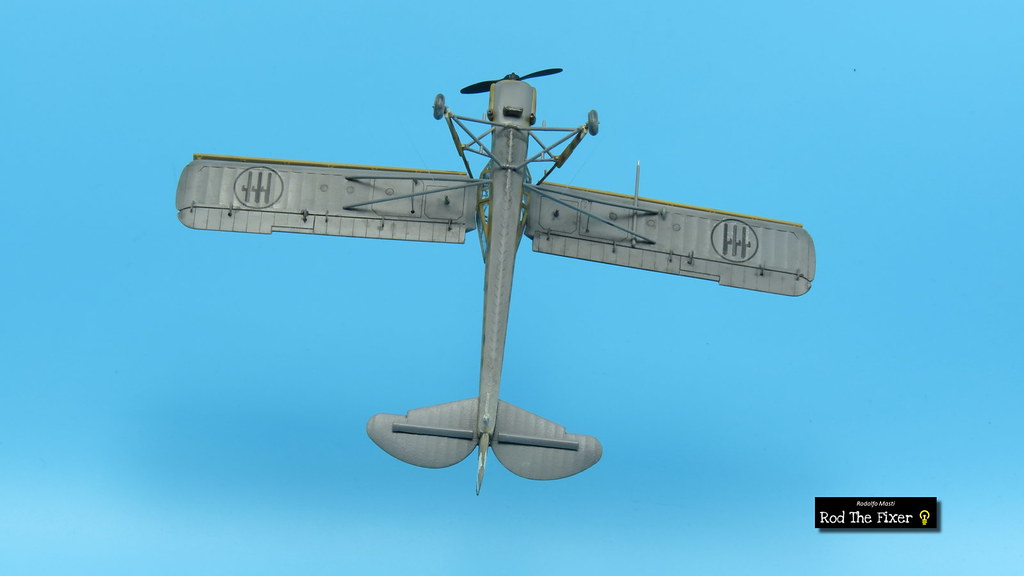
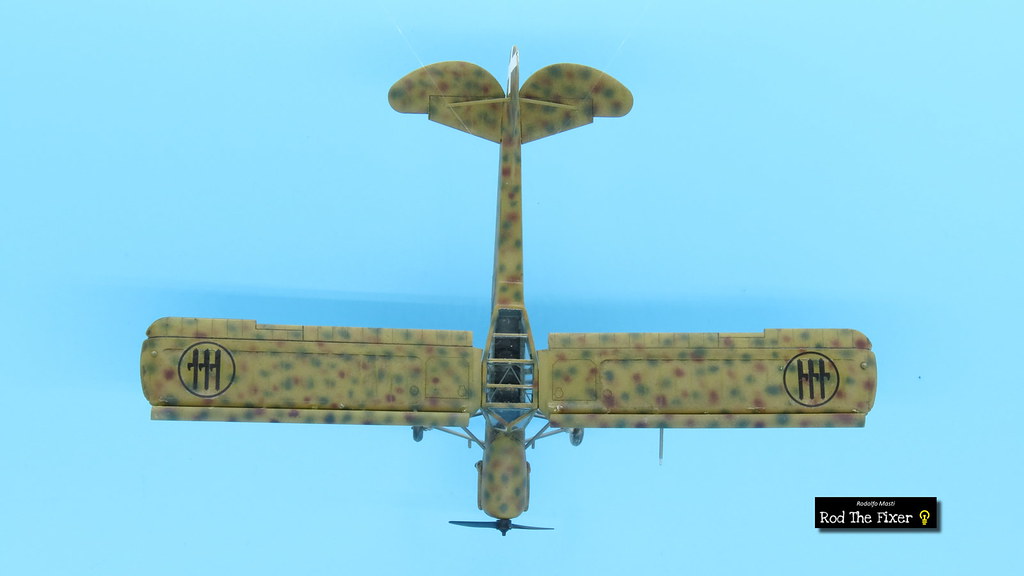
One Fieseler Fi 156 C-1 and six C-2 were operated by the Regia Aeronautica and were
used primarily in the liaison role by Commands of the Regio Esercito in 1940.
The single Fieseler Fi 156 C-1 (W.Nr.719 registered as D-IGZN/I-UILA and later MM.MM. 56631) was was
given to Italo Balbo (Governor of Libya) by Hermann Göring. Because of the slow progress
of the IMAM Ro.63 the Regia Aeronautica placed an initial order for 45 Fi 156 C-2 but
the order was eventually cut down to 6 aircraft (W.Nr.4467-4472 / MM.459-464), mostly
because of the excessive price tag of the planes. A number of captured Yugoslavian
F.156s were also added to the inventory in 1941 as well as C-3 Trops transferred from
the Luftwaffe and a new order placed by the Regia Aeronautica in July 1942 for the
C-3 Trop totaling between 29-30 aircraft employed by the Regia Aeronautica between 1939-43.
|