In 1985 Ferdinando D'Amico and Gabriele Valentini published the now classic “The Messerschmitt 109 in Italian Service, 1943-1945” [1].
The book was the first of its kind and its commercial success would eventually inspire similar studies from other combatants such as
the “Messerschmitt Bf 109: The Yugoslav Story” by Boris Ciglić 2018 [2] and “Messerschmitt Bf 109 in Romania” by Teodor Liviu Morosanu
and Dan Melinte 2016 [3].
D’Amico and Valentini’s book describes the use of the Bf.109 from its introduction to the Regia Aeronautica over the Channel up to the
final days of the plane in use with the AR/ANR in April 1945. The book provides an interesting and fascinating look at this plane including
the operational history with pilot accounts, comprehensive lists of the planes on charge with W.Nr., many valuable photos and close-ups
published for the first time, maps, aircraft variants, useful aircraft specification data, list of commanders, drawings, color profiles
(many still accurate), wireframes, colors and markings. Except for a few inconsistencies regarding variants that was typical for the time,
or what was known at the time such as the G-10/AS and some color profiles e.g., Black 17 G-10 81/82/76, the book after more than 40 years
is still relevant today. The authors would go on to write an even better book “Camouflage and Markings of the Aeronautica Nazionale
Repubblicana 1943-1945” 2005 [4] that is the standard for this topic today.
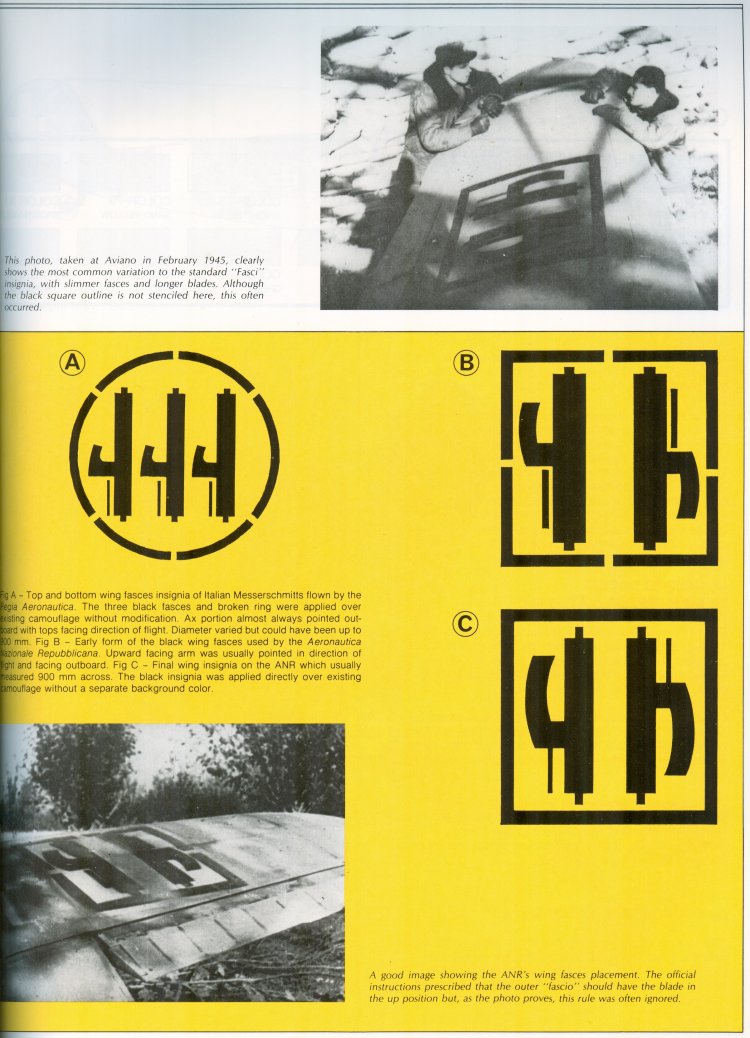
In “The Messerschmitt 109 in Italian Service, 1943-1945” D’Amico and Valentini provide three drawings for the wing fasci Fig 1. Drawing A is the
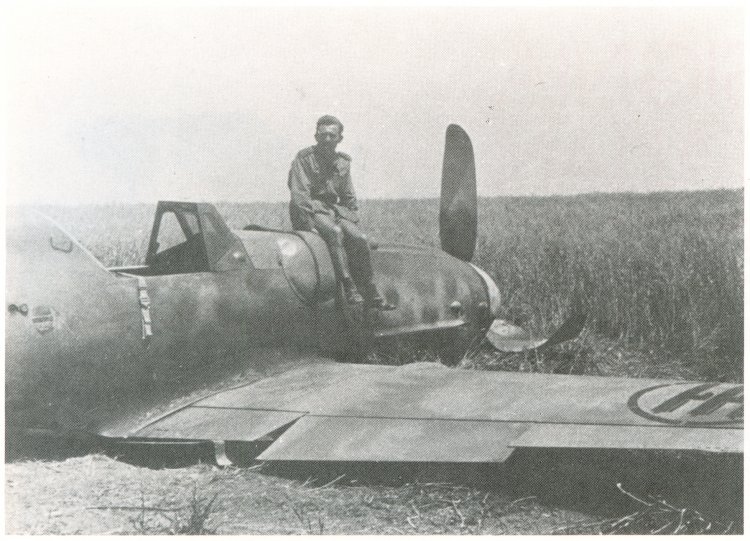
upper and lower wing fasci for the Messerschmitt Bf.109 in service with the Regia Aeronautica. The drawing is based on a single photograph
of the top wing of a crashed Bf.109 G-6 coded 365-7 flown ten. Eugenio Lecchi 28 May 1943 Fig. 2. Outside of a series of photos of this
plane and it sitting next to 365-8 in a revetment [5], no other information is provided for this plane. Notwithstanding inaccuracies in the
size and shape of the drawing, no other alternative to this wing fasce is presented, and was applied to most RA Bf.109s. The drawing is a
stencil with bridging at six points, three above the horizontal center line and three below it and three rectangular axe handles
connected directly to the stencil. Drawing B is the AR/ANR equivalent of stencil A and drawing C is an example a completed marking i.e.,
the stencil applied with the bridges filled-in.
|
|
Fig. 1 - Three drawings (A-C) of the Messerschmitt Bf.109 wing fasci provdied by D'Amico and Valentini [1] for
Regia Aeronautica and ANR planes. Click to expand the image.
|
|
|
|
Fig. 2 - ten. Lecchi's Gustav [1]. This photo shows the over-paint of the German wing-cross, and for our purposes
the fasce insignia. Click to expand the image.
|
|
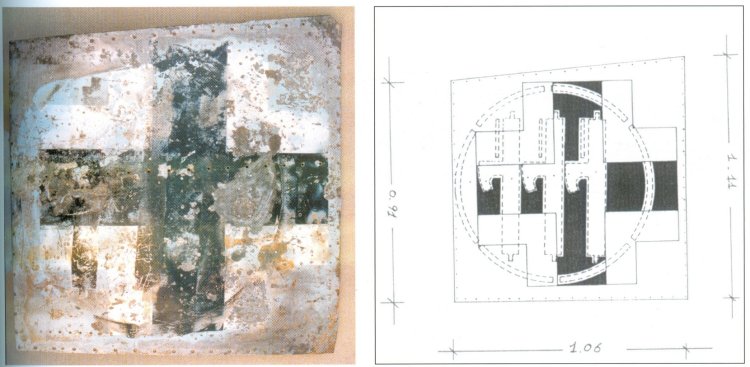
Drawing A was used in the book “Messerschmitt Bf.109: Ali Straniere in Italia #1” [5] and was applied to
every single (all) RA Bf.109 profiles, with wing-insignia, in that book. The book also provides a supporting artifact Fig. 3.
|
|
Fig. 3 - Original wing panel, possibly from ten. Lecchi's plane, recovered in Sciacca showing the fasci
over the German cross [5]. Click to expand the image.
|
|
There are no other examples of a fasce stencil applied in this manner to other RA Messerschmitts outside Lecchi’s plane or other foreign
built aircraft or even indigenous planes during this period or earlier; not from the factory or from overhauls involving repainted aircraft
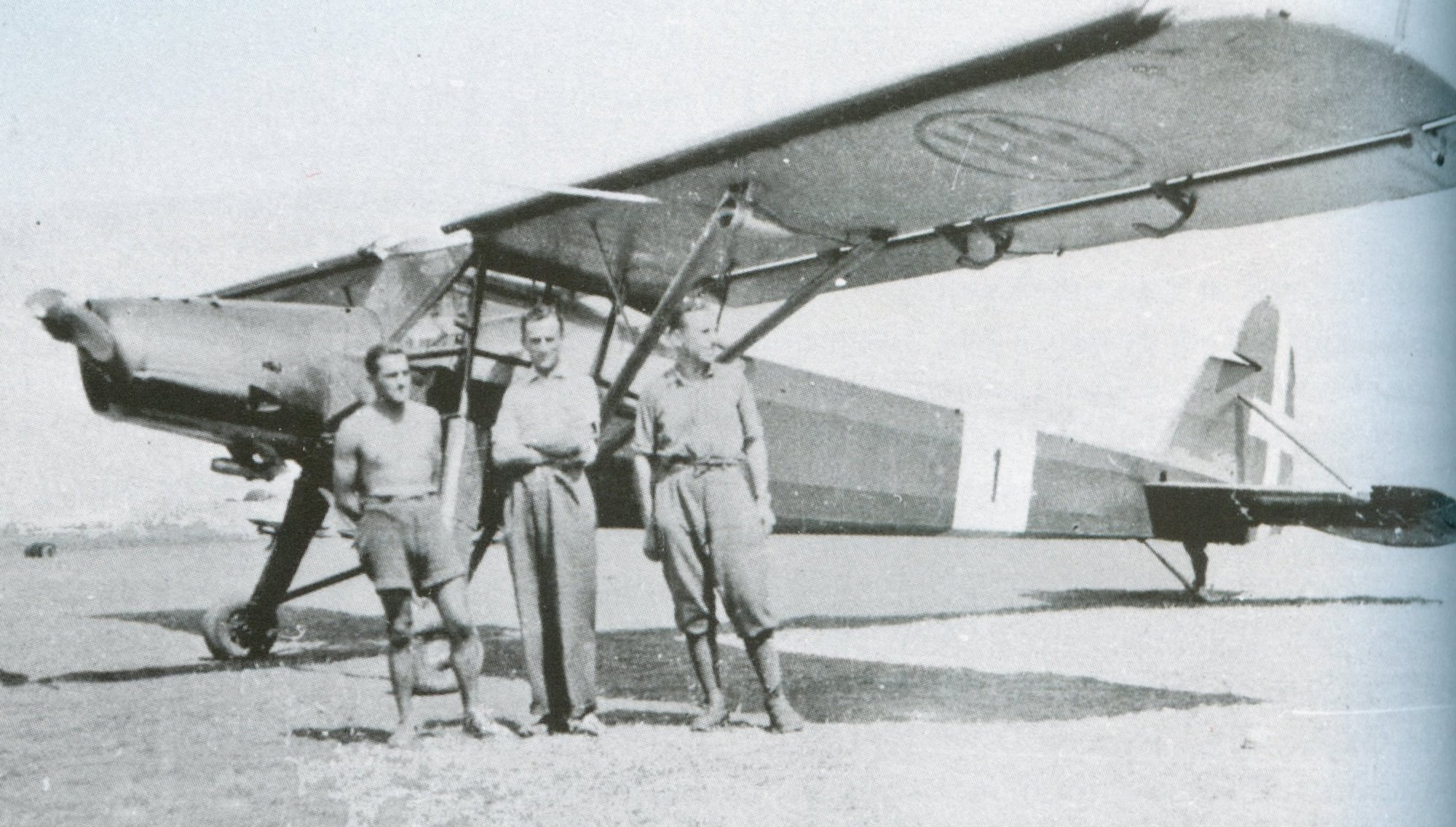
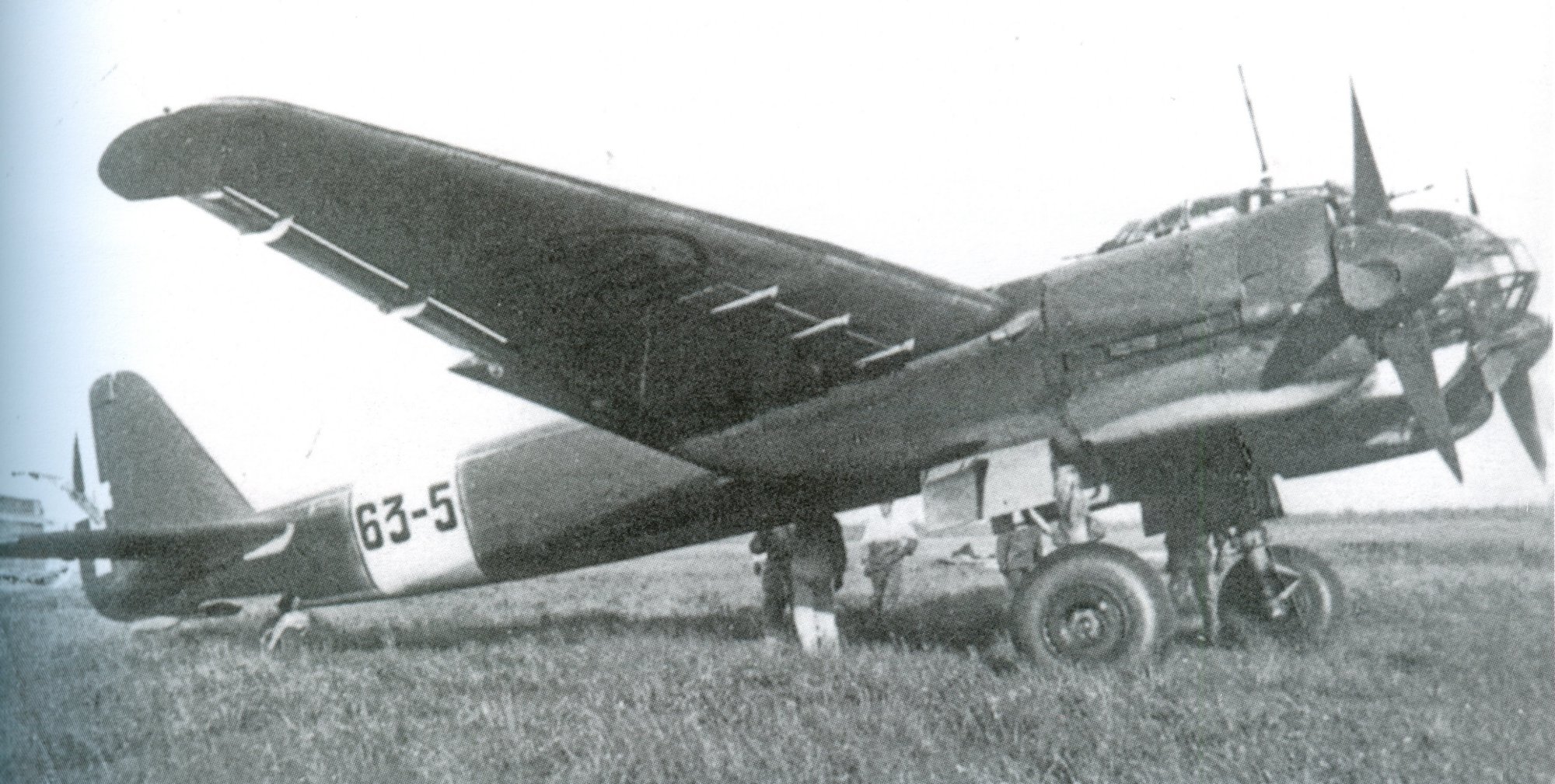
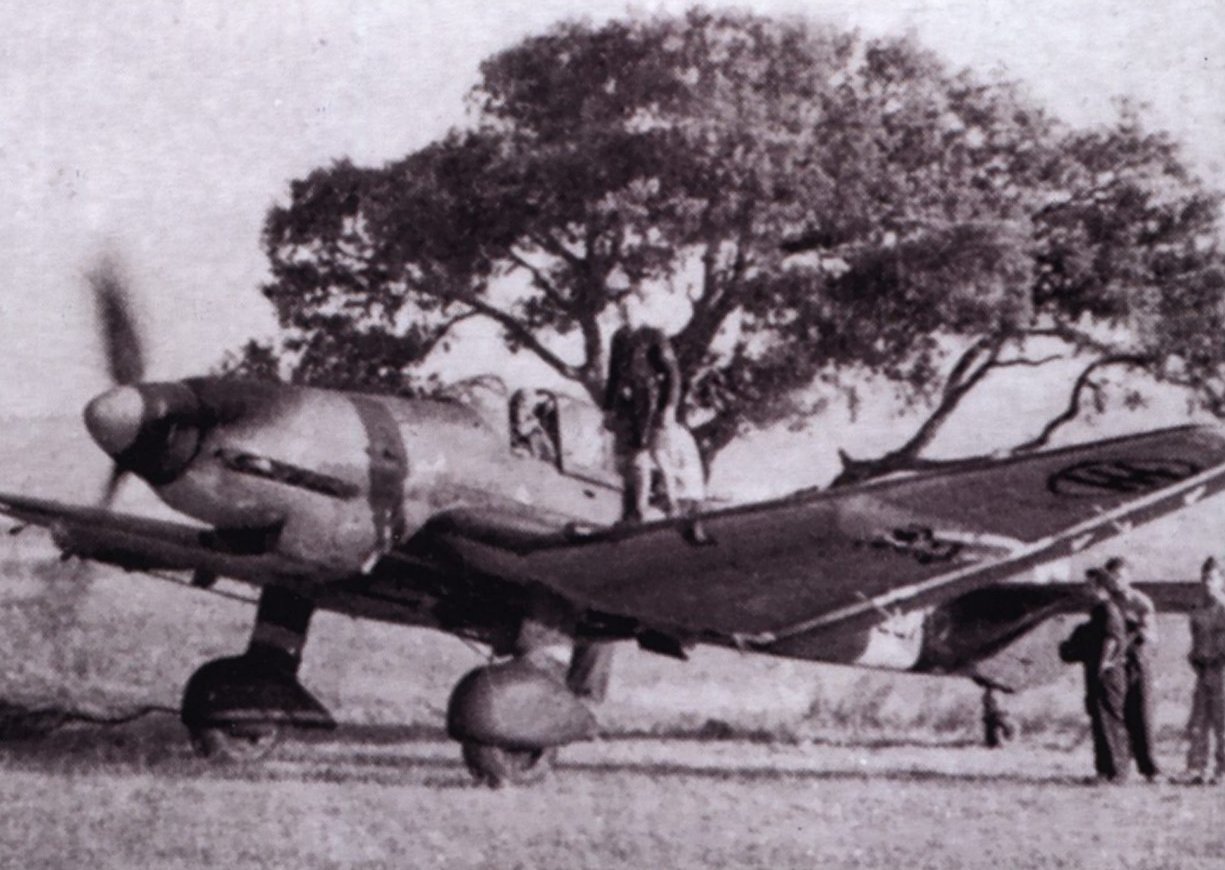
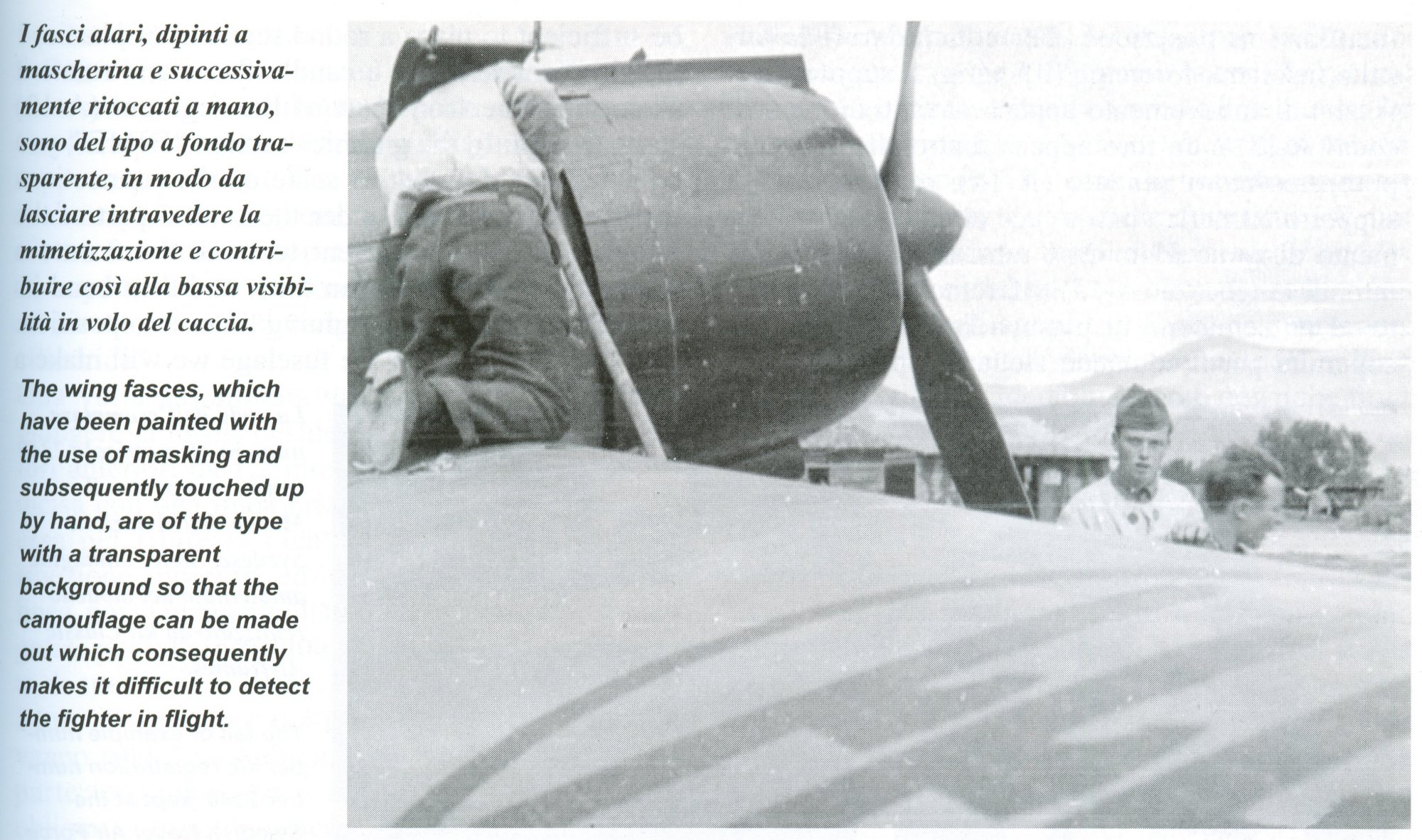
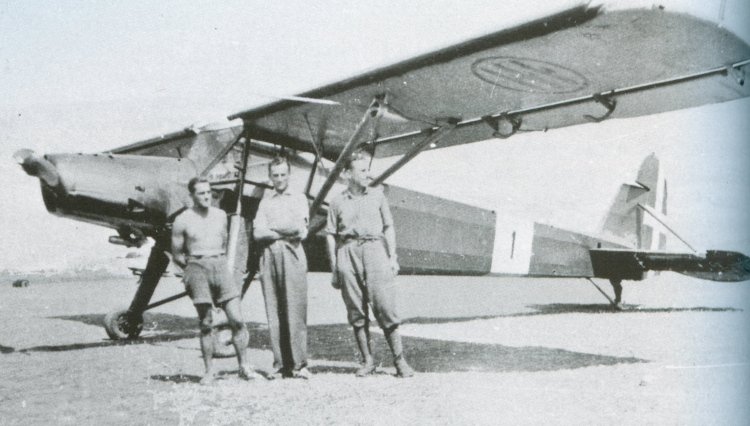
such as the Re.2000. Stencils were applied and then completed as in Figs. 4-7. It seems odd that only the Messerschmitt Bf.109 was
marked this way, but not just 365a Sq. planes but every squadron in that Gruppo based at Sciacca, and according to Alegi, to every
aircraft of 3o Gruppo at Comiso also. According to Alegi, aircraft of six squadrons, of one particular aircraft, were marked with
incomplete wing markings.
|
|
Fig. 4 - A Regia Aeronautica Fieseler Fi 156 C summer 1942. One of several Storch C1 that feel intact
into Italian hands during the Yugoslavian campaign [6]. Note the completed lower wing fasce. Click
to expand the image.
|
|
|
|
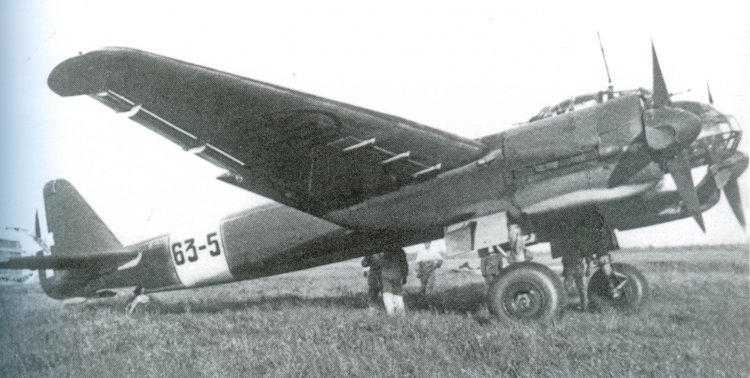
Fig. 5 - A Regia Aeronautica Junkers Ju.88 A-4 63a Sq., 29o Gr., 9o Stormo BT, Viterbo, May 1943. Although
not so clear, the lower wing fasce top border is complete with no apparent bridging visible [6]. Click
to expand the image.
|
|
|
|
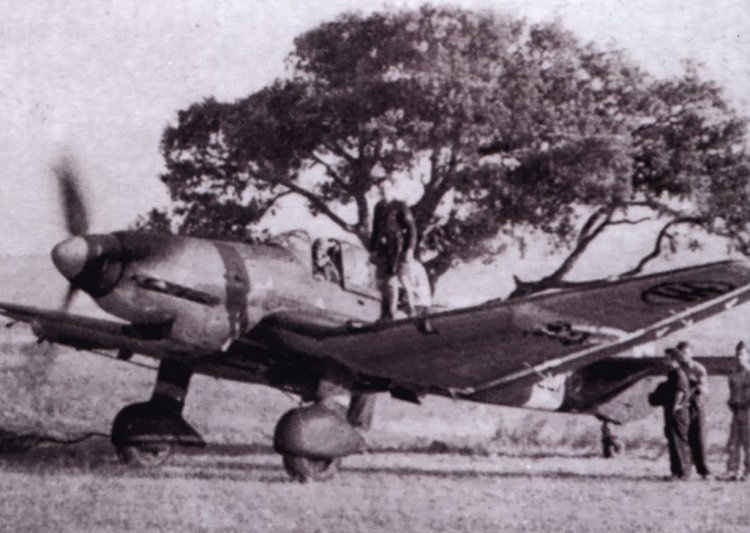
Fig. 6 - A Regia Aeronautica Junkers Ju.87 D 207a Sq., 103o Gr., Chilivani, June 1943. Again
another example of a German machine marked with completed lower wing fasci [7]. Click
to expand the image.
|
|
|
|
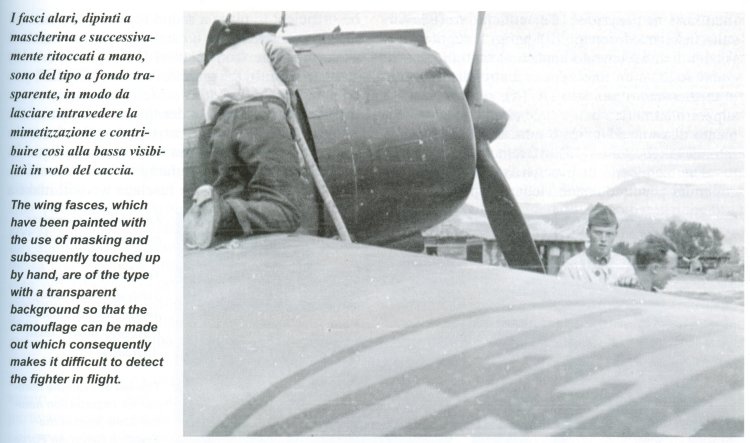
Fig. 7 - A Reggiane Re.2000 following an overhaul. Top surface wing fasci have been applied
using a stencil and then finished by hand [8]. Click to expand the image.
|
|


|
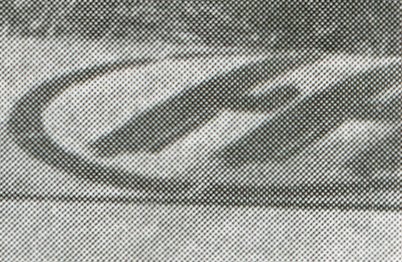
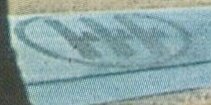
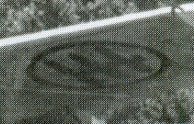
Let’s now examine some close-ups of Regia Aeronautica Messerschmitt Bf.109s. Fig. 8 is a close-up photo of ten. Lecchi's Gustav; note the
bridges and the gap between the axe handle and fasce. Fig. 9 is a close up of Messerschmitt Bf.109G-4/R6 in Fig. 1, as can be seen from
the zoomed-in photo, there are no bridges except for what appears to be a single bridge at the bottom of the circular stenciled border, and
there are no gaps between the axe handle and fasci. Fig. 10 is one of the Gustavs at Scaicca May 1943, again there are no signs of bridging
or gaps. Similarly in Figs. 11-12, there are no signs of gaps or bridges. The thing to note from these photos is the consistency of the completed wing insignia in
the shape and sizes of the fasci; the axes are located about 2/3 from the top of the fasce and the axe blades all have a distinctive
rounded edge. None of these photos show signs of bridges or gaps between the axe handles and fasce as seen on Lecchi’s plane. Also,
interestingly, from the photo of Lecchi’s machine, the axe has an angular
’L’ shape.
|
|
Fig. 8 - A close-up of ten. Lecchi's Gustav [1]. Note the bridges and gap between the axe handle and fasce.
|
|

|
|
Fig. 9 - This is a close up of Messerschmitt Bf.109G-4/R6 in Fig. 1 [5]; there are no bridges except for
what appears to be a single bridge at the bottom of the circular stenciled border; there
are no gaps between the axe handle and fasci.
|
|
|
|
Fig. 10 - Messerschmitt Bf.109G at Sciacca May 1943 [5].
|
|

|
|
Fig. 11 - Messerschmitt Bf.109G 150o Gr. at Sciacca May 1943 [1].
|
|
|
|
Fig. 12 - Messerschmitt Bf.109G-6/R6 coded 364-2 at Sciacca Spring 1943 [5].
|
|
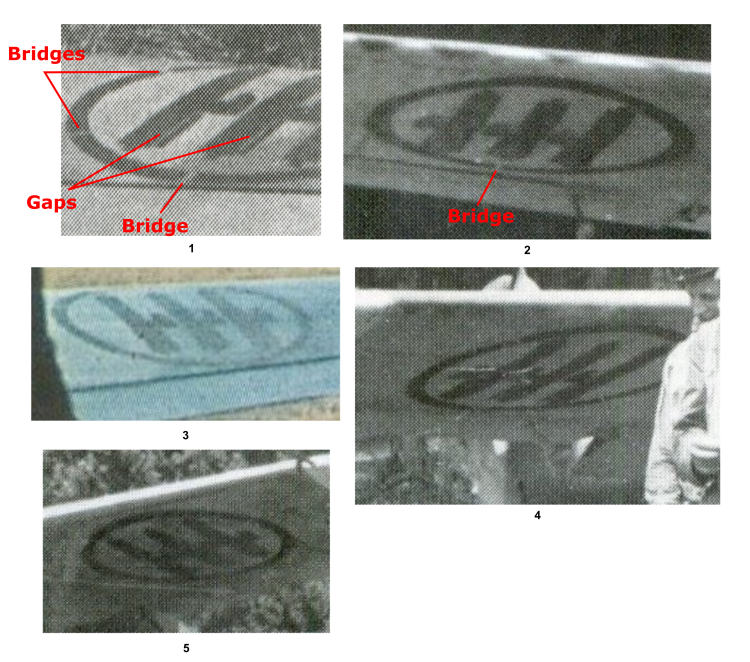
Now let’s combine all these photos into a single image and it becomes clear
Italian Messerschmitts carried completed wing fasci, and moreover, the completed wing fasci was the rule as opposed to the exception.
|
|
Fig. 13 - Combined photos Figs. 8-12. Click to expand the image.
|
|
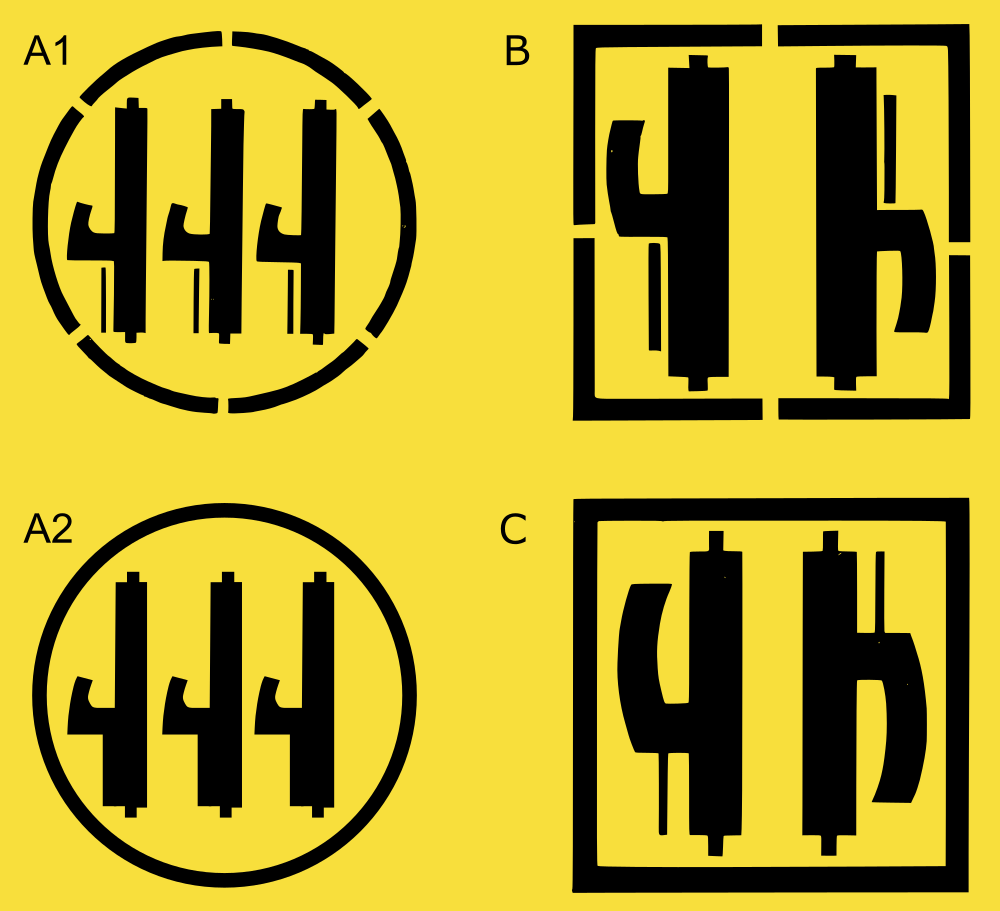
Let’s now revise D’Amico and Valentini’s drawings to include the new type (completed) wing fasce (A2):
|
|
Fig. 14 - New Regia Aeronautica Messerschmitt Bf.109 completed wing fasci A2.
|
|