×
Pacific Coast Models 1/32 FIAT G.55 Serie I
Centauro (Centaur)
by Bogdan Zajączkowski


Click the STORMO! Eagle to
return to the Gallery


There were about 30 of these aeroplanes in service in the Italian Air Force at the time of the 1943 armistice. There were 150 in the fighter units of the ANR after that date, and they remained in service until the end of hostilities in 1945. This was the operational career of the Fiat G.55, one of the finest Italian combat aeroplanes of the war. The aeroplane was the result of the last desperate production effort of the Italian aviation industry during the war. It was powerful, fast, and sturdy, an unbeatable interceptor at high altitude. In dog fights carried out in the north during the last year of the war, the G.55 was pitted against the best British and American aeroplanes of the time, such as Spitfires, Mustangs, Thunderbolts, and Lightnings, and proved to be no easy adversary.

The Fiat G.55 appeared at the same time as the other two 'Series 5' fighters, the Macchi MC.205 and the Reggiane Re 2005. Comparative tests were made, but it was hard to choose between such well-matched aircraft however the G.55 was judged to be the best over-all, but the ministerial decision was not impartial. Instead of concentrating production on one of these aeroplanes, it was decided to build all three. Thus 250 Macchi MC.205s were ordered, along with 600 Fiat G.55s and 750 Caproni-Reggiane Re 2005s. In comparison the British had one competitive aircraft of this type in early 1943, namely the Spitfire, while the Italians had produced three outstanding designs, equal and arguably superior to the Spitfire in most respects, the only real short-coming of these planes was that too few were built.

The Fiat was a good deal faster than the Macchi MC.205 above 23,000 ft (7,010 m). It was more modern, and more powerfully armed, but it was slower and less manoeuvrable than the Re 2005, although it was much sturdier. The Fiat G.55 was an all metal single-seat low-wing monoplane, and the under-carriage was fully retractable. Power was provided by a 1,475 hp Daimler Benz DB.605 engine driving a three-blade metal propeller with variable pitch. Armament consisted of two 12.7 mm machine guns in the engine housing, synchronized to fire through the propeller disc; two 20 mm Mauser cannons in the wings; and a third cannon firing through the propeller hub.

The aeroplane became operational in June 1943 with the 353a Sq. This unit did not take part in any major battle. The situation was different in the north after the 1943 armistice. About 20 aeroplanes were taken over by the ANR, and the rest of the aeroplanes that were produced went into fighter squadrons where they saw service until the end of the war.

In early 1943 a German test team was sent to Guidonia to evaluate the new generation of Italian aircraft. Among the fighters tested by the Luftwafee pilots, led by Oberst Petersen of the Rechlin Erprobungsstelle, the G.55 was judged to be "Excellent". After listening to recommendations from Milch, Galland and Petersen the Future Aviation Programs meeting held by Goering on 22 Feburary 1943 voted to build the Fiat G.55 in Germany.

"Tests began 20 February 1943 with the German commission impressed by Italian aircraft, the G.55 in particular . . . the G.55 was competitive with its German counterparts in terms of speed and climb rate at high altitudes, while still maintaining superior handling characteristics. The definitive evaluation by the German commission was "Excellent" for the G.55 with Oberst Petersen declaring the G.55 'the best operational fighter in the Axis' inventory' "


Milch a strong proponent of the plan to build the G.55 in Germany hoped to have the G.55 available for the Luftwaffe within a year, and aimed at building a more powerful variant (G.56) powered by the new 1,750hp DB.603 (which could not be installed in the Bf.109). The plan was eventually cancelled after the Italian Armistice but again resumed with the construction of two prototype G.56s (MM.536 and MM.537), MM.536 making its maiden flight on 28 March 1944. Performance was quite good and the fighter reached 680 km/h (423 mph) with no trace of flutter, even while manoeuvering under high speeds, a common problem with most piston-engined fighters of the period.

Production of the G.55 was resumed after the war and about 100 were sold to Argentina, Egypt and Syria as the G.55A with the wing canons replaced by 12.7mm machine guns and other minor changes. Sixteen aircraft were delivered to the Italian Air Force early in 1948 as the G.55B. Variant models included the dual seater G.55B trainer and the G.55S torpedo carrier. The G.55S was developed in 1944, but the project was abandoned after a few test flights.


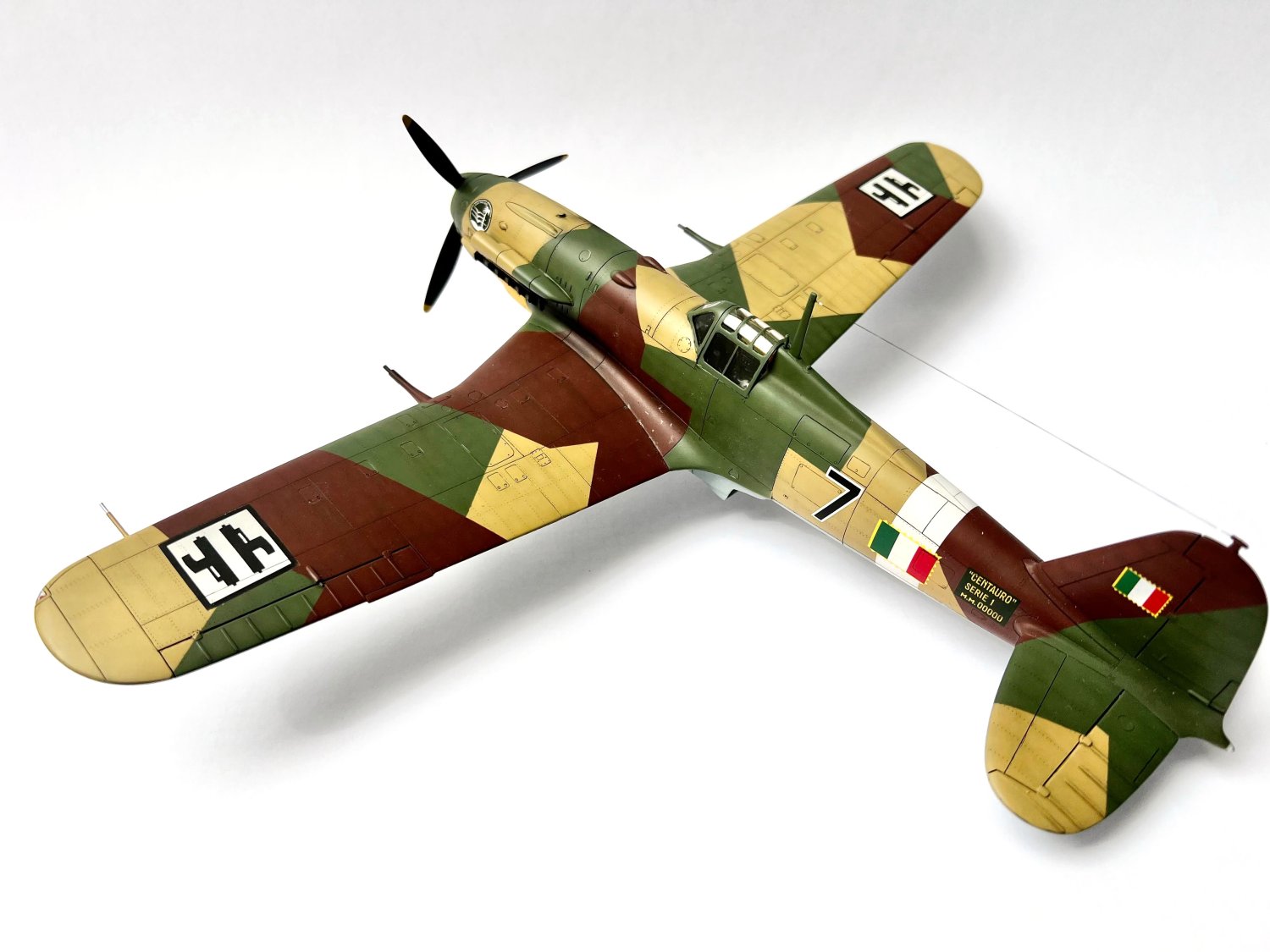
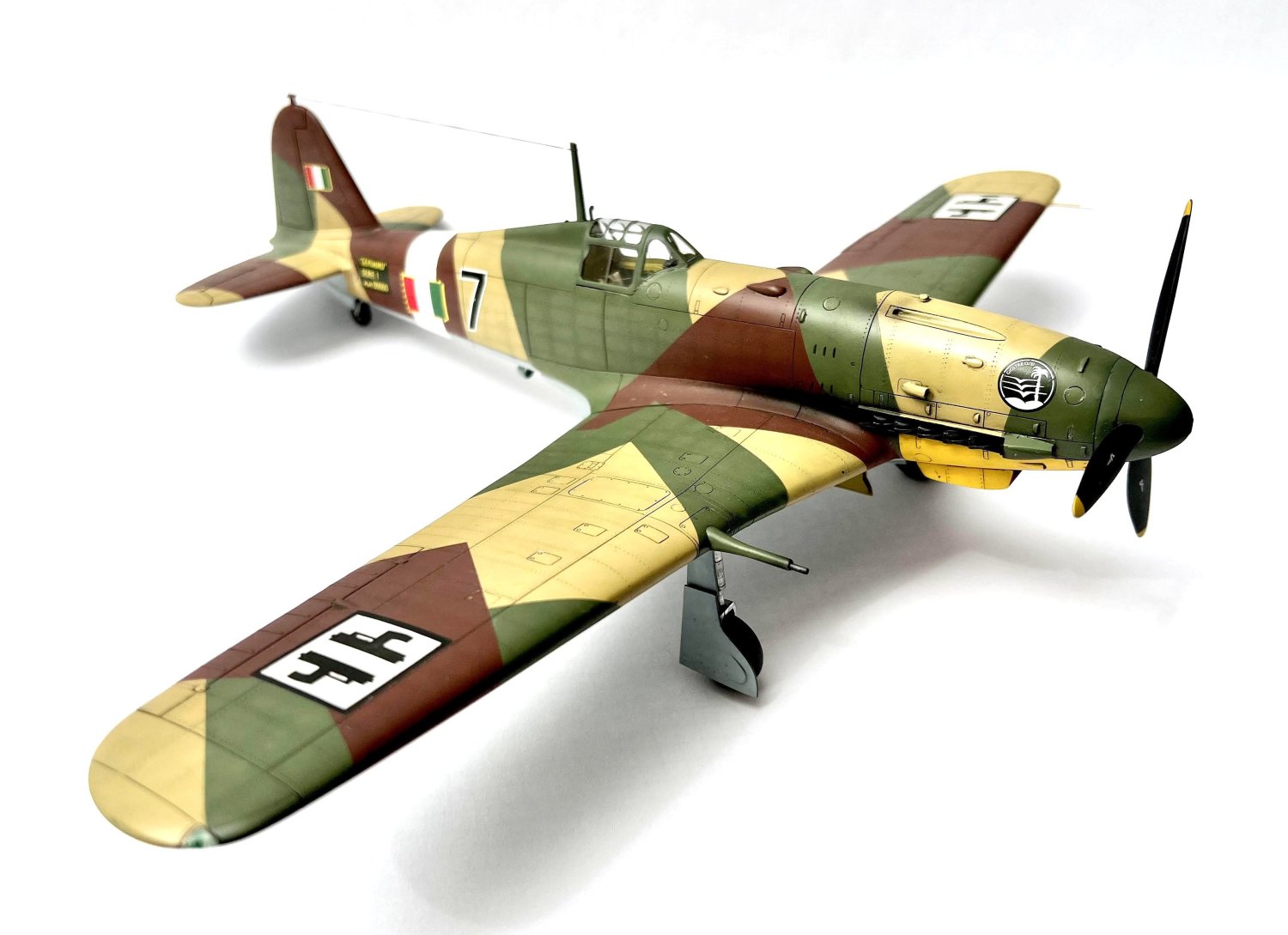
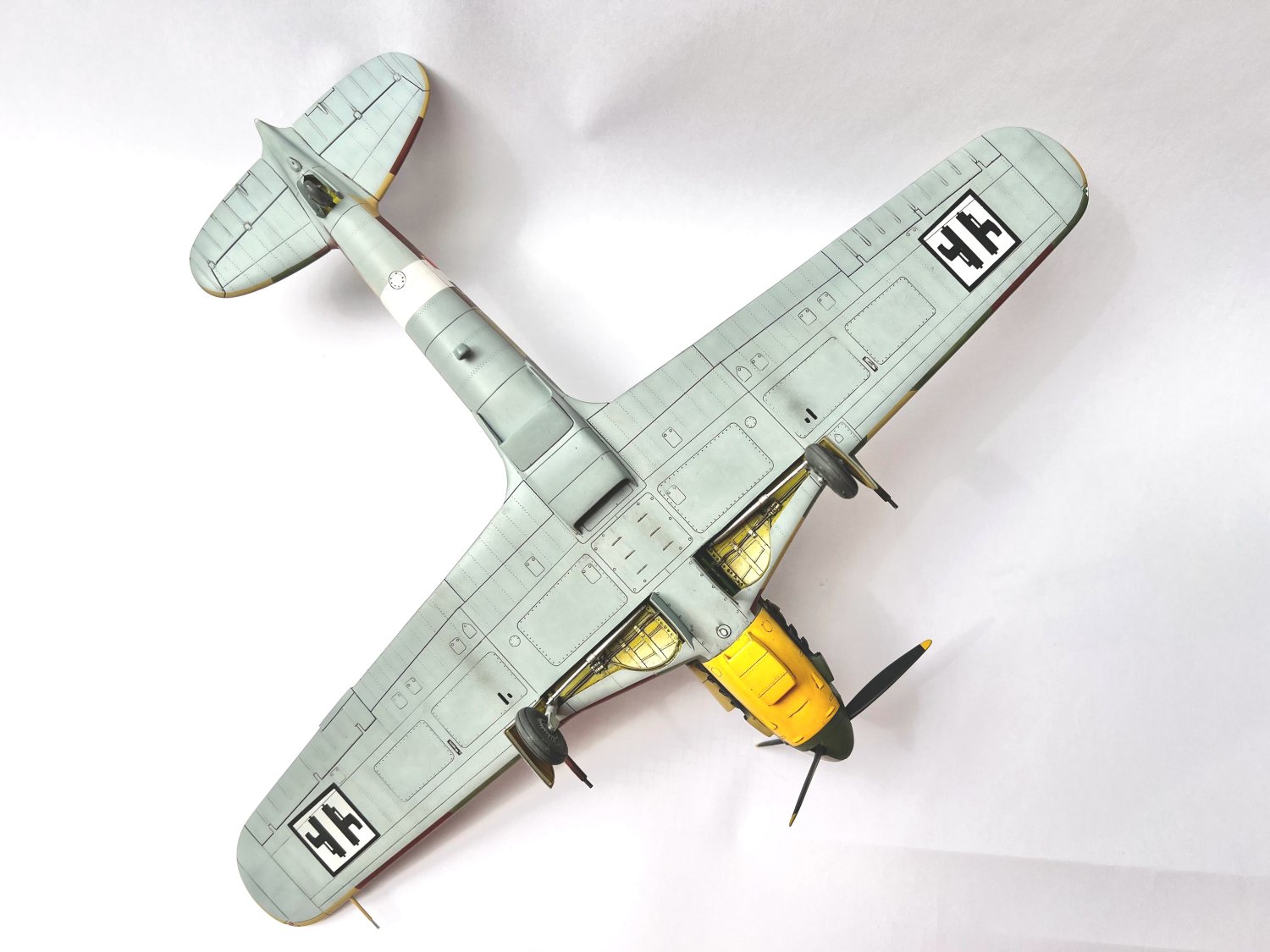
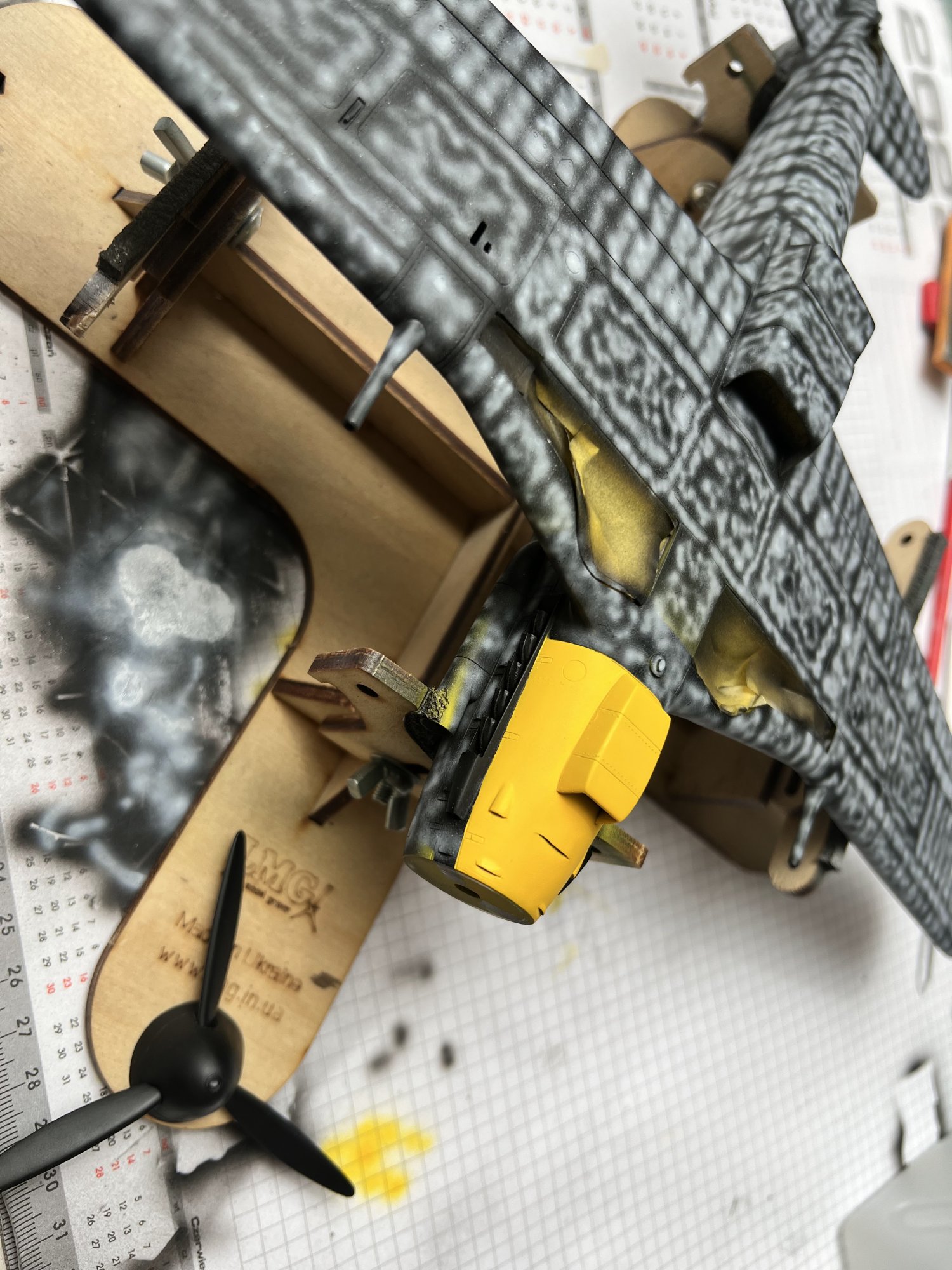
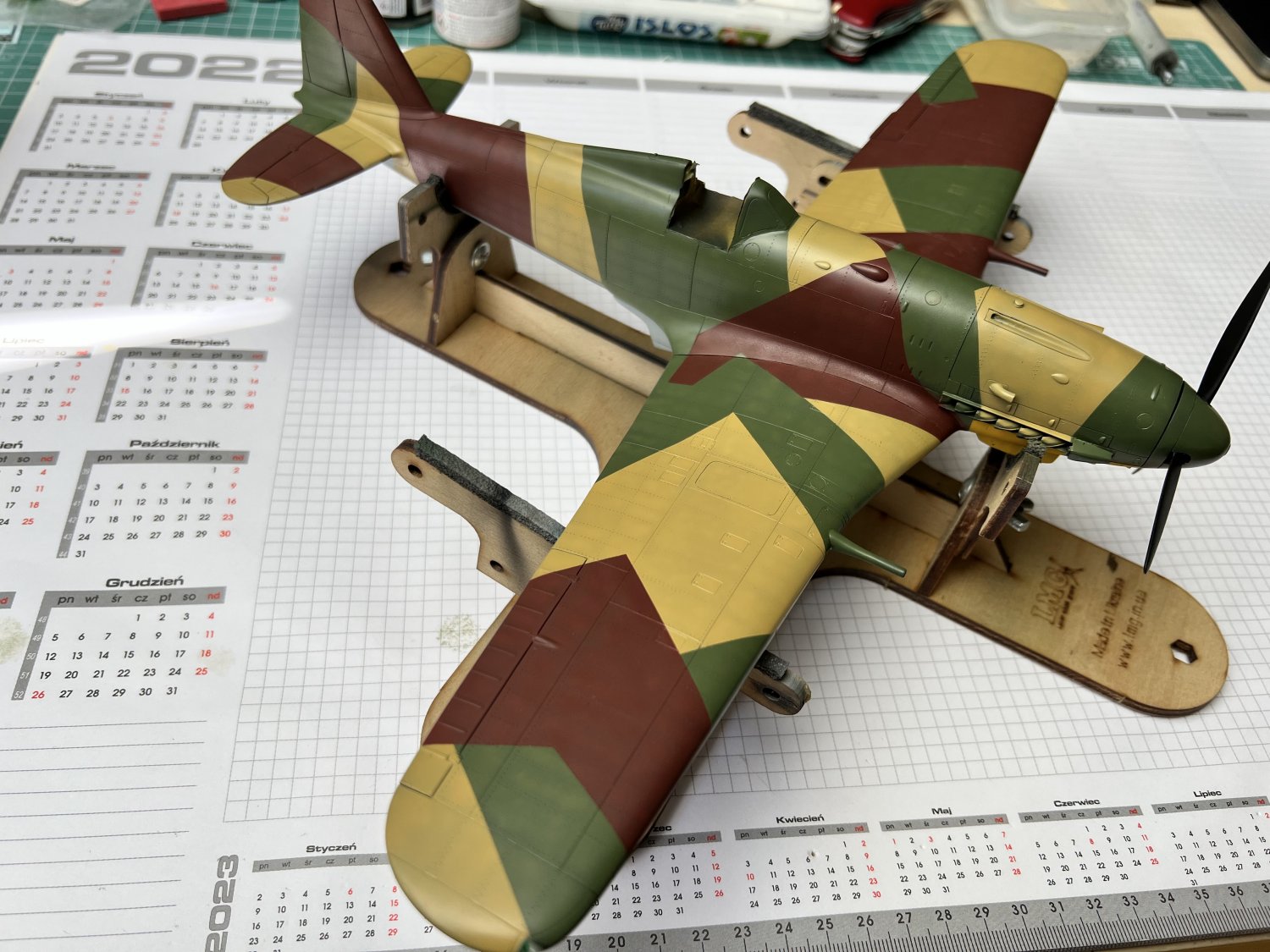
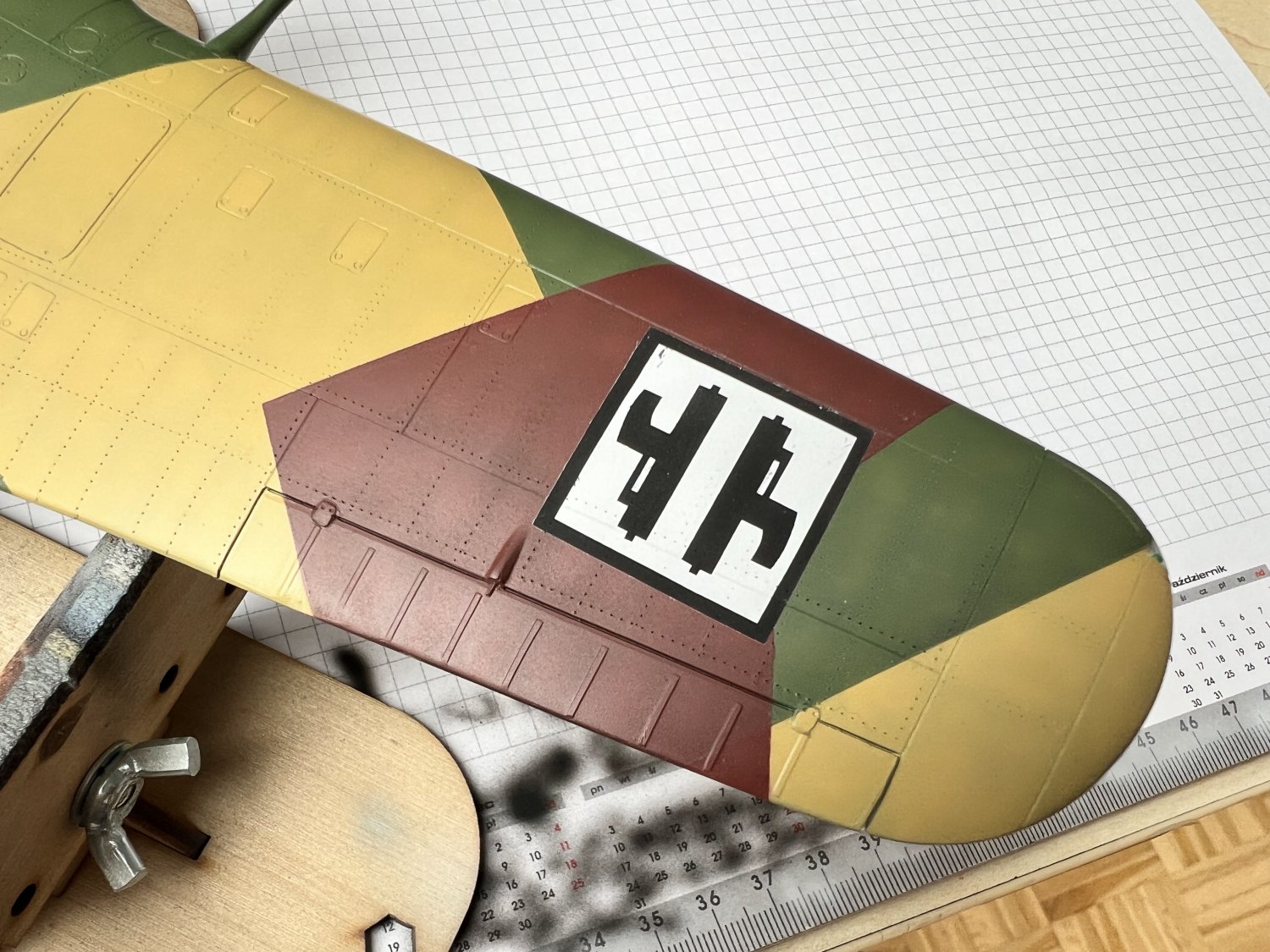
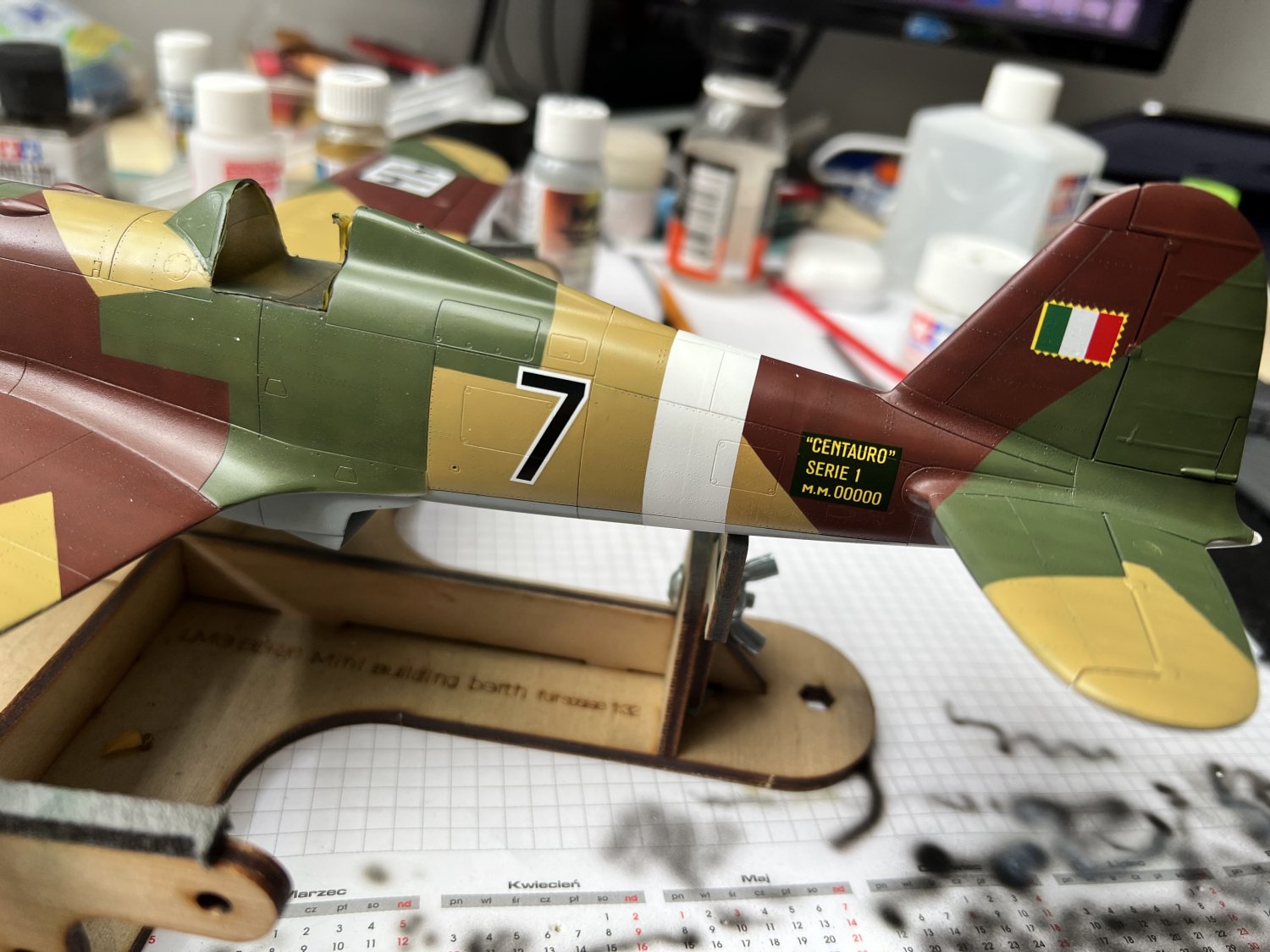
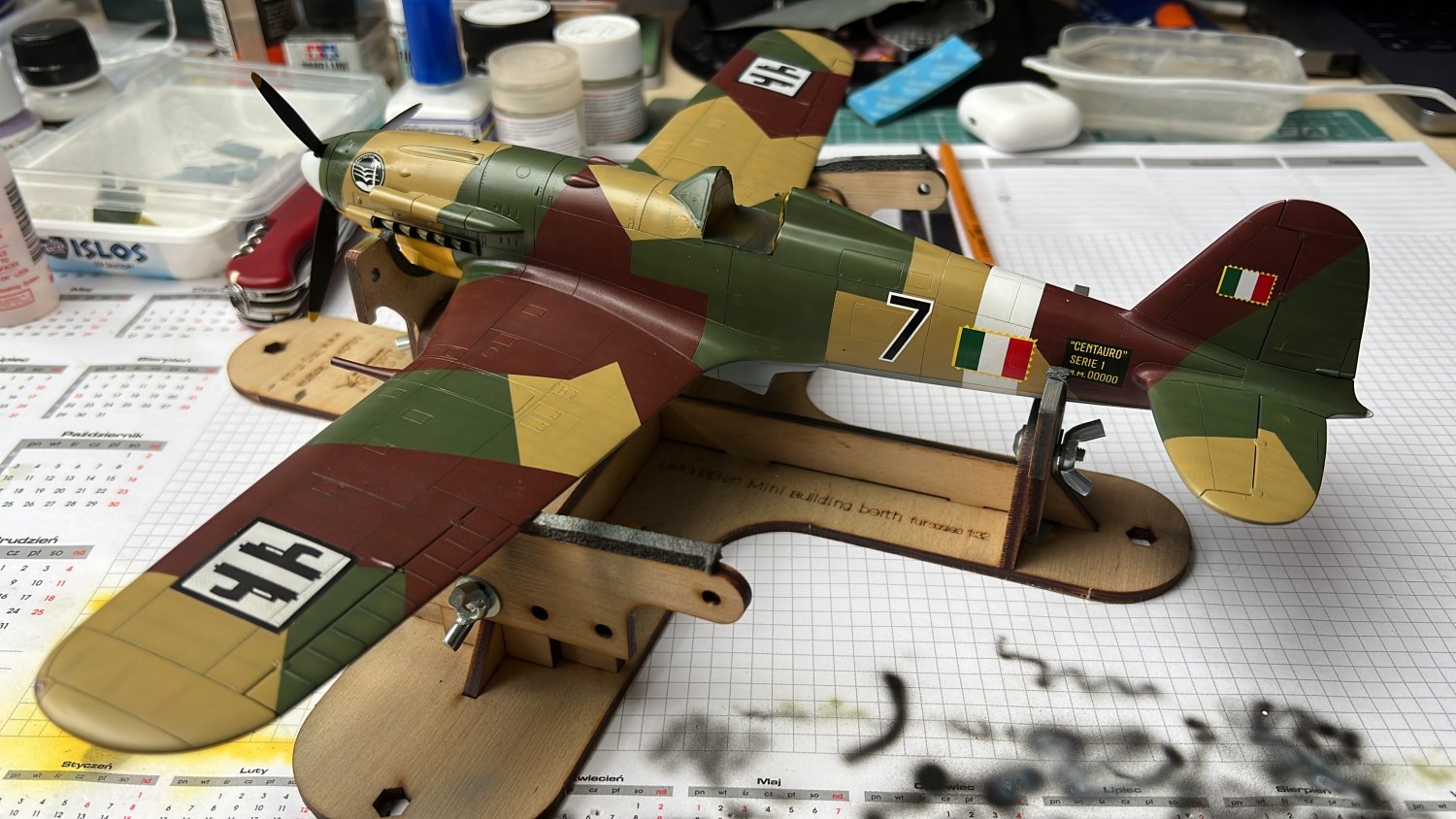
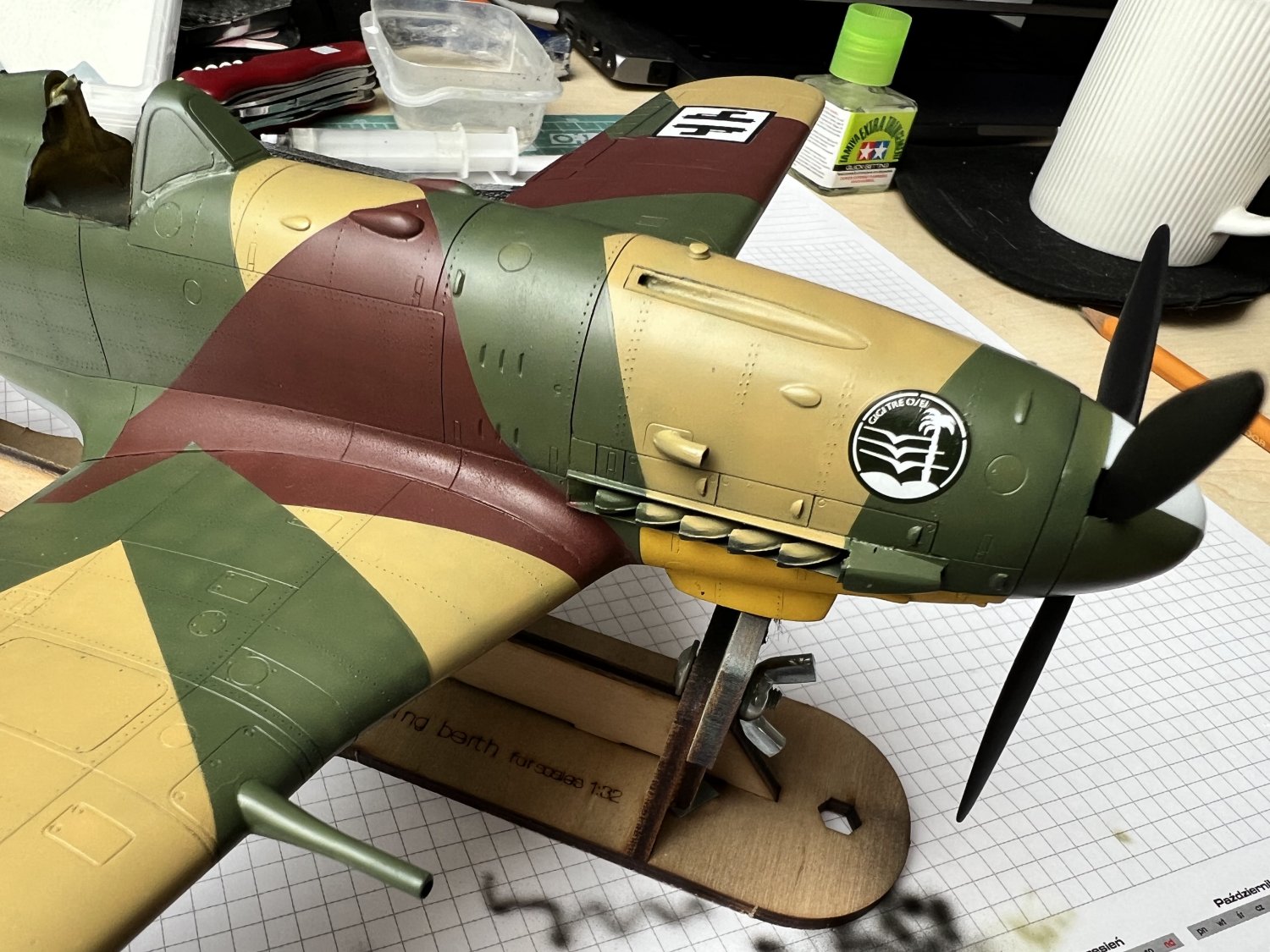
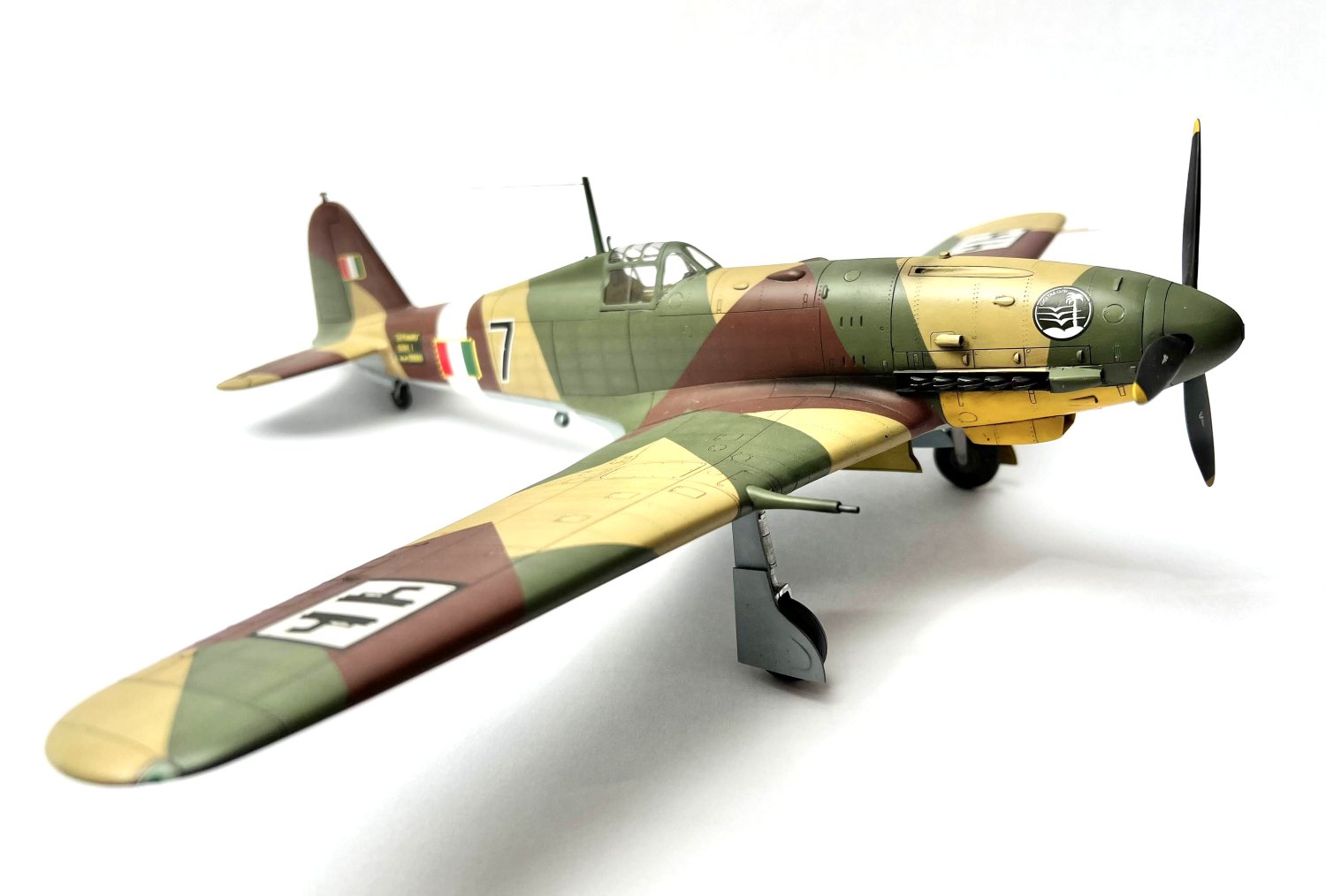
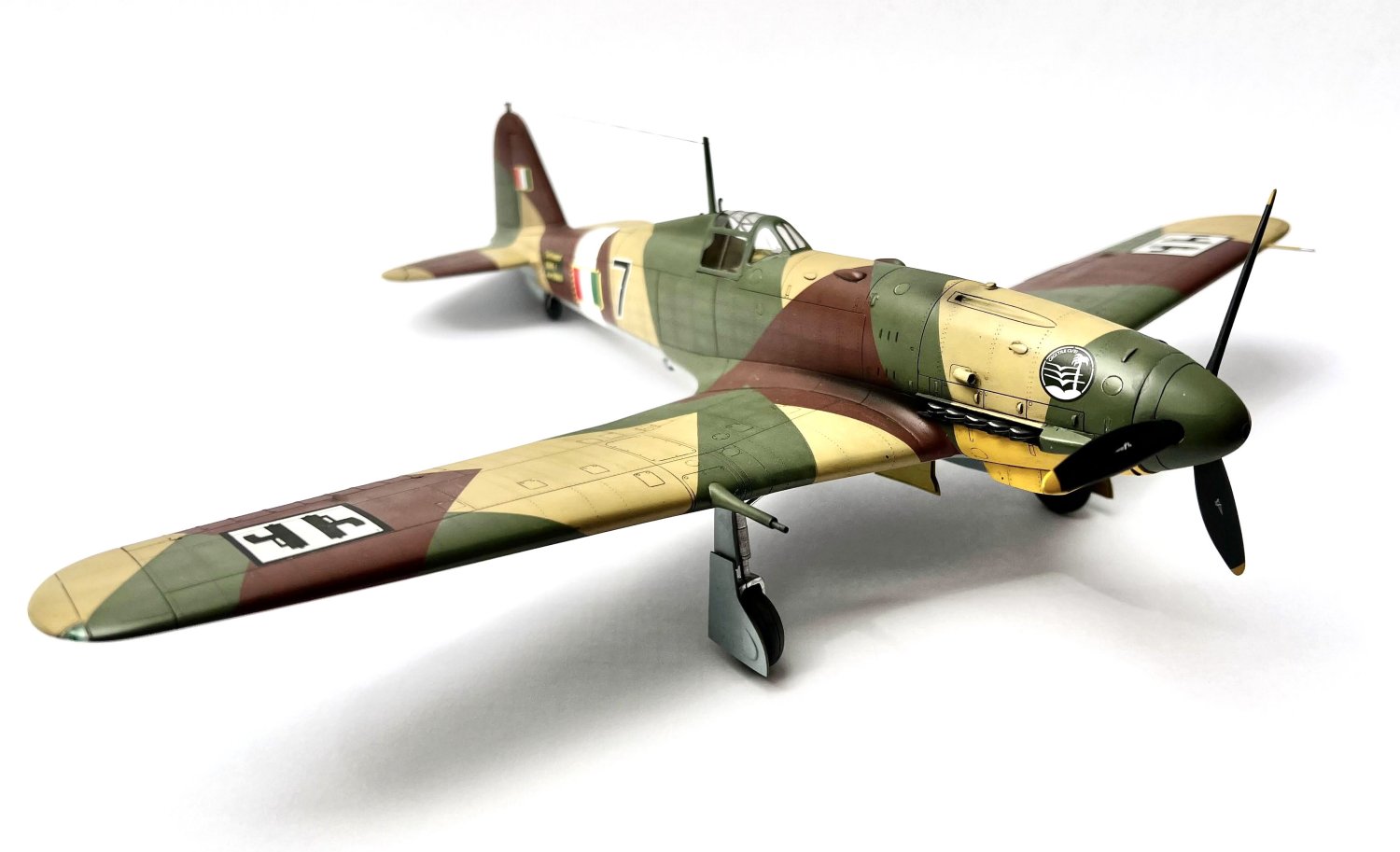
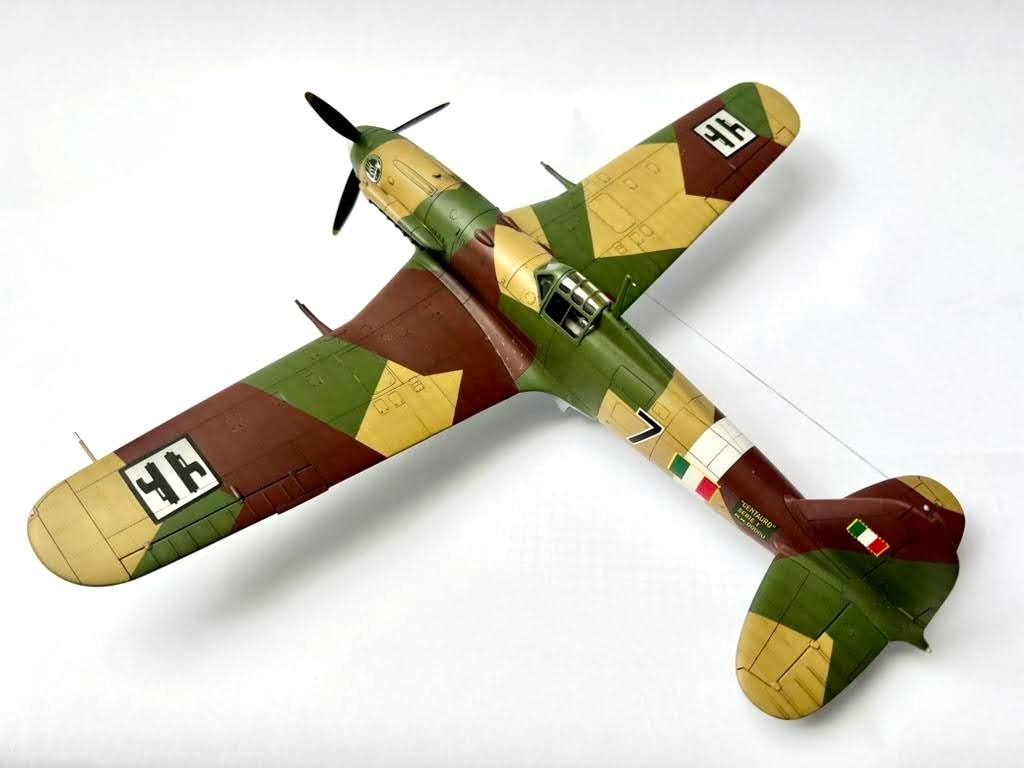
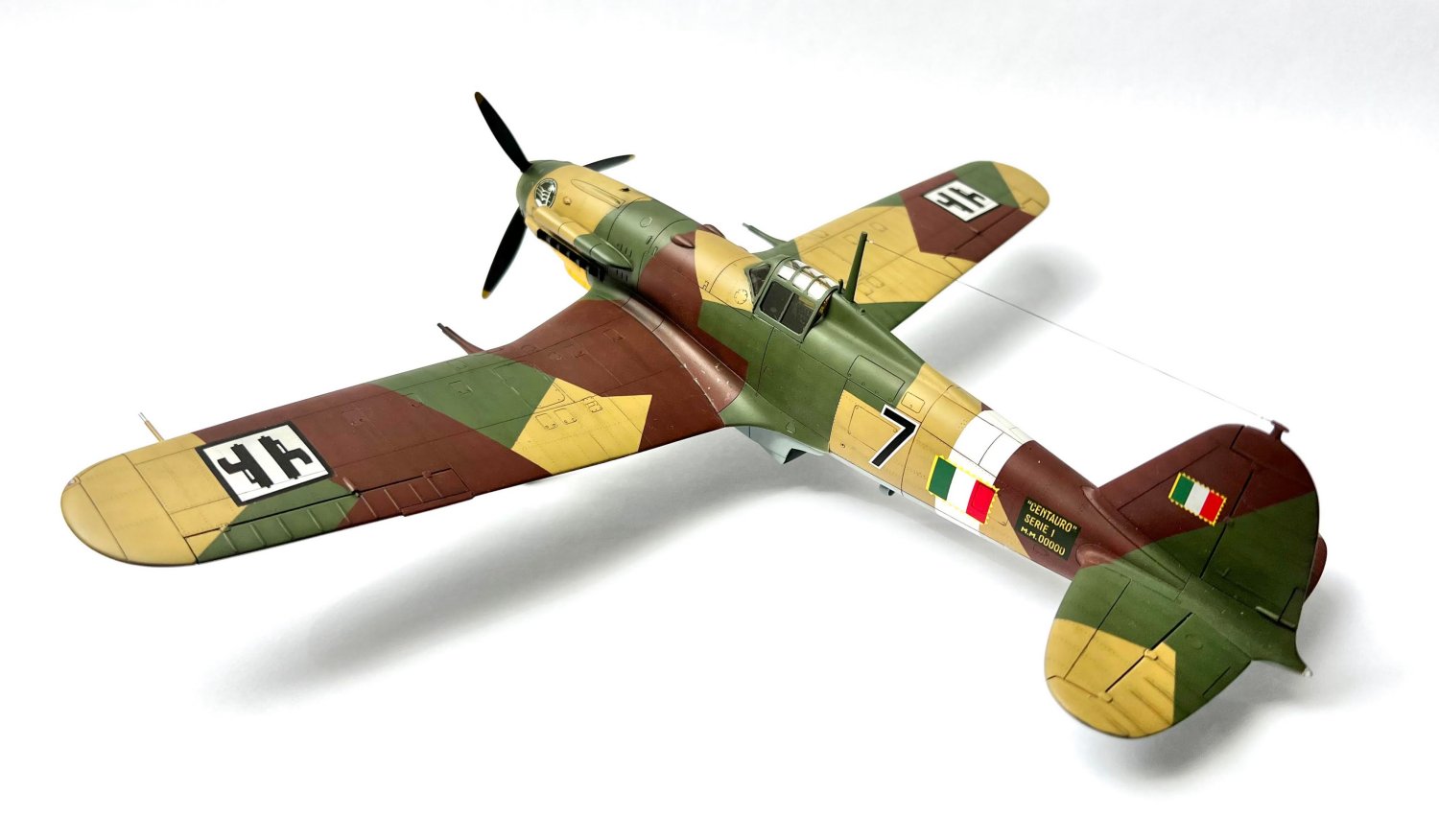
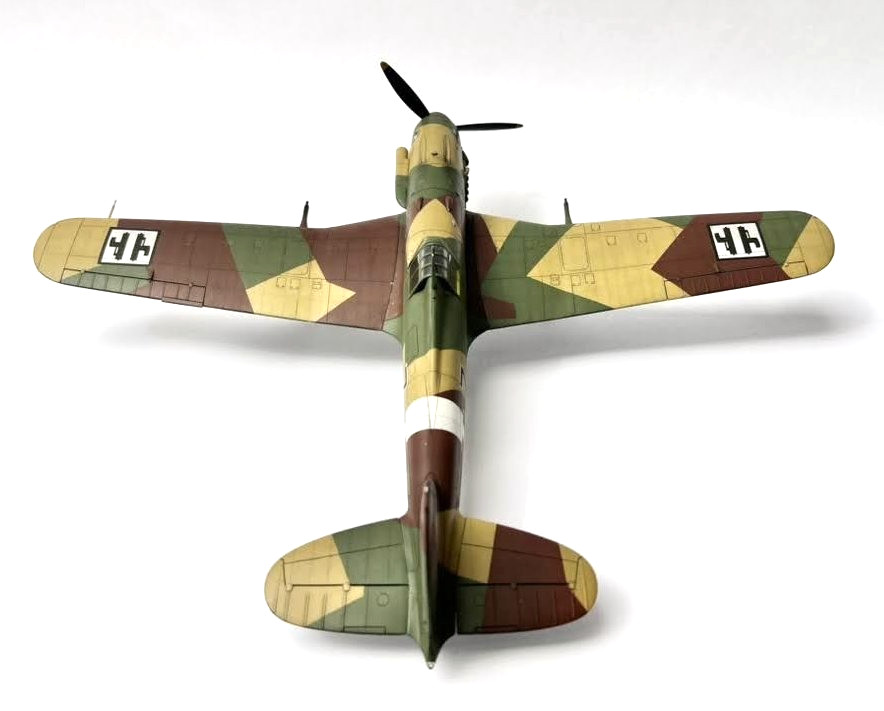
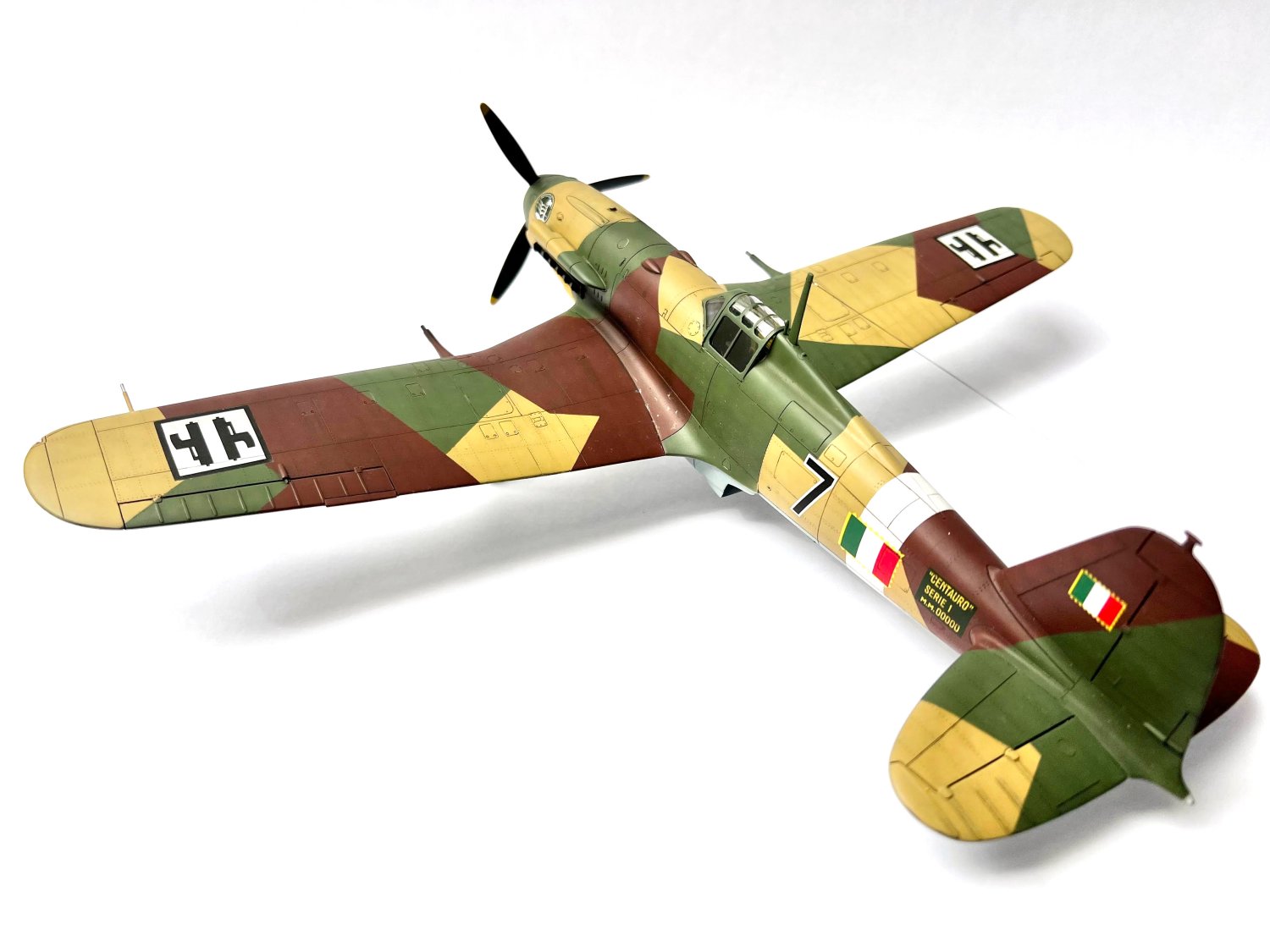
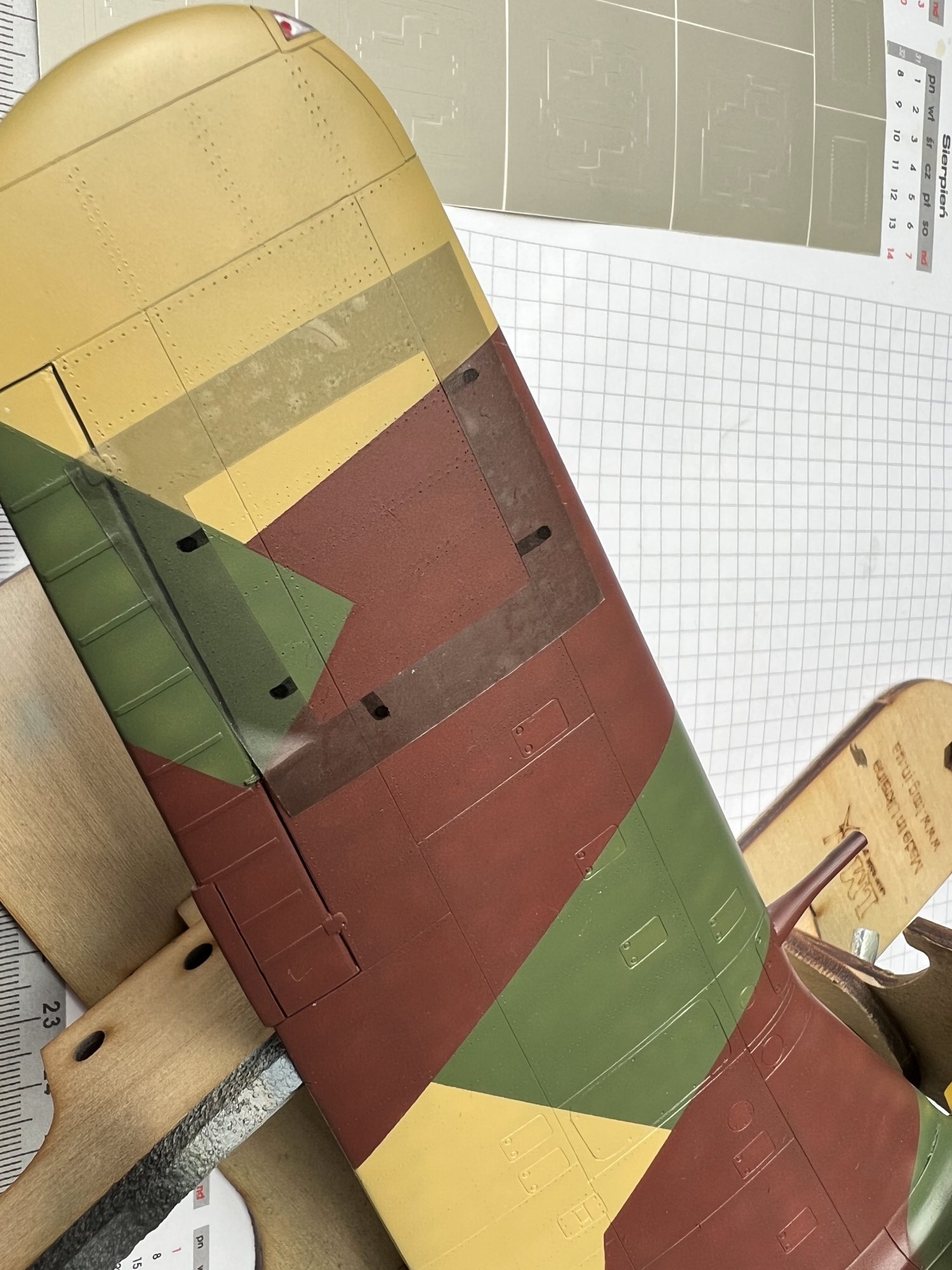
G.55 Serie I, MM.91077 flown by cap. Ugo Drago 1a Squadriglia, 2o Gruppo, Cascina Vaga, May 1944. Experimental splinter pattern applied in April 1944 and was unique to this ANR squadron - no other squadron in this group or in 1o Gruppo painted its planes in this manner. Marrone Mimetico 2, Verde Mimetico 1 over Giallo Mimetico 3 with GAC1 under surfaces (D'Amico suggested colors MM1, VM1, GM3 + GAC1). On May 9, 2o Gruppo moved from Lonate Pozzolo to Cascina Vaga where a number of changes occurred which included the application of a yellow undercowling, a narrow 400mm white band over which a new smaller fuselage flag was centered and the adoption of a new uniform scheme of tactical codes for the whole gruppo.

Construction

Fiat G.55 from Pacific Coast Models has a reputation for being one of the best models of this company. In fact – the fit is quite good – of course, as always in the case of short run kits, it is necessary to carefully fit the parts several times before finally gluing them together. This is a typical multi media kit – most parts are made of blue gray styrene, the cockpit and the fuselage bays are made of grey resin. The canopy is quite good, thin and transparent.
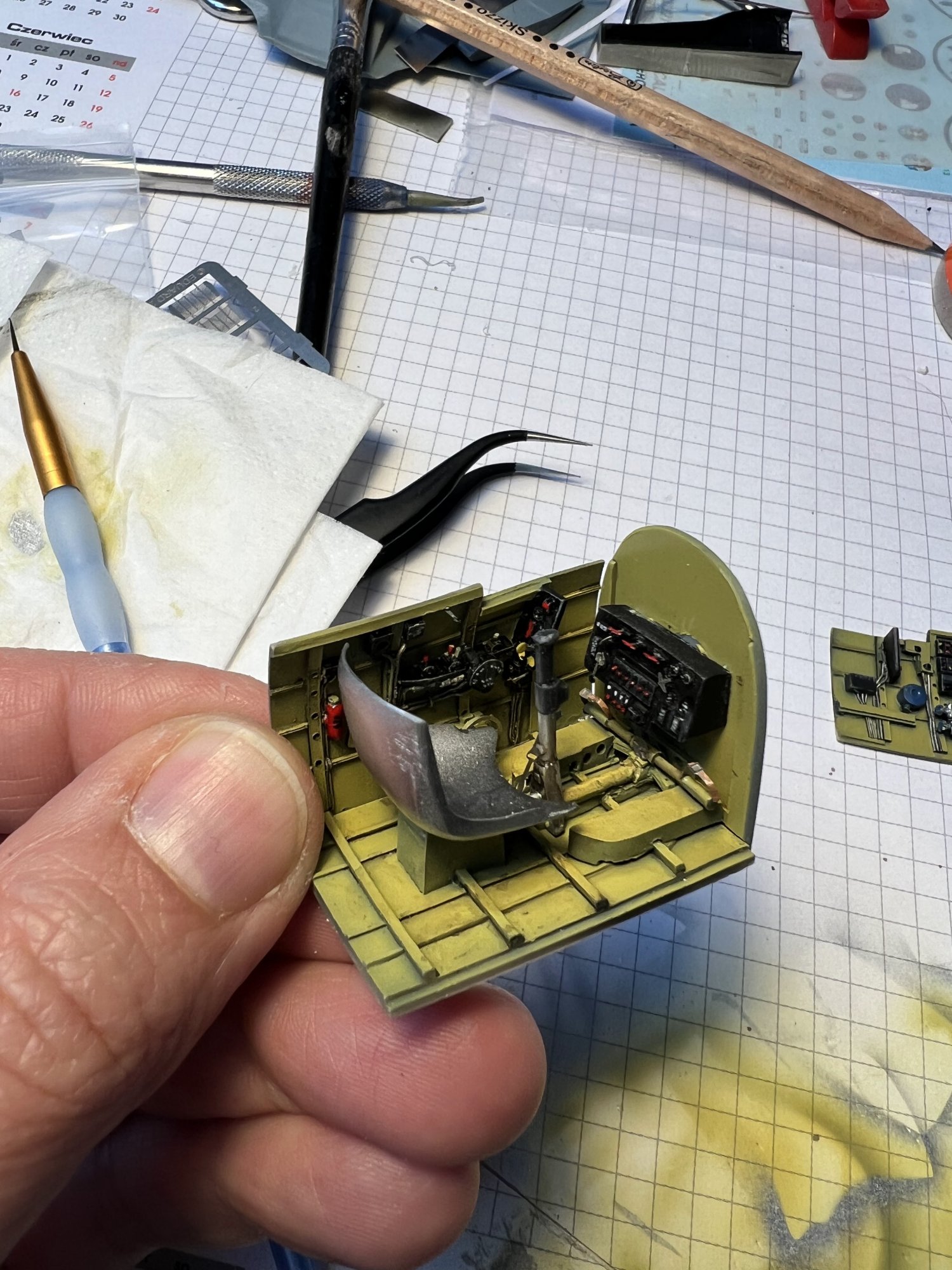
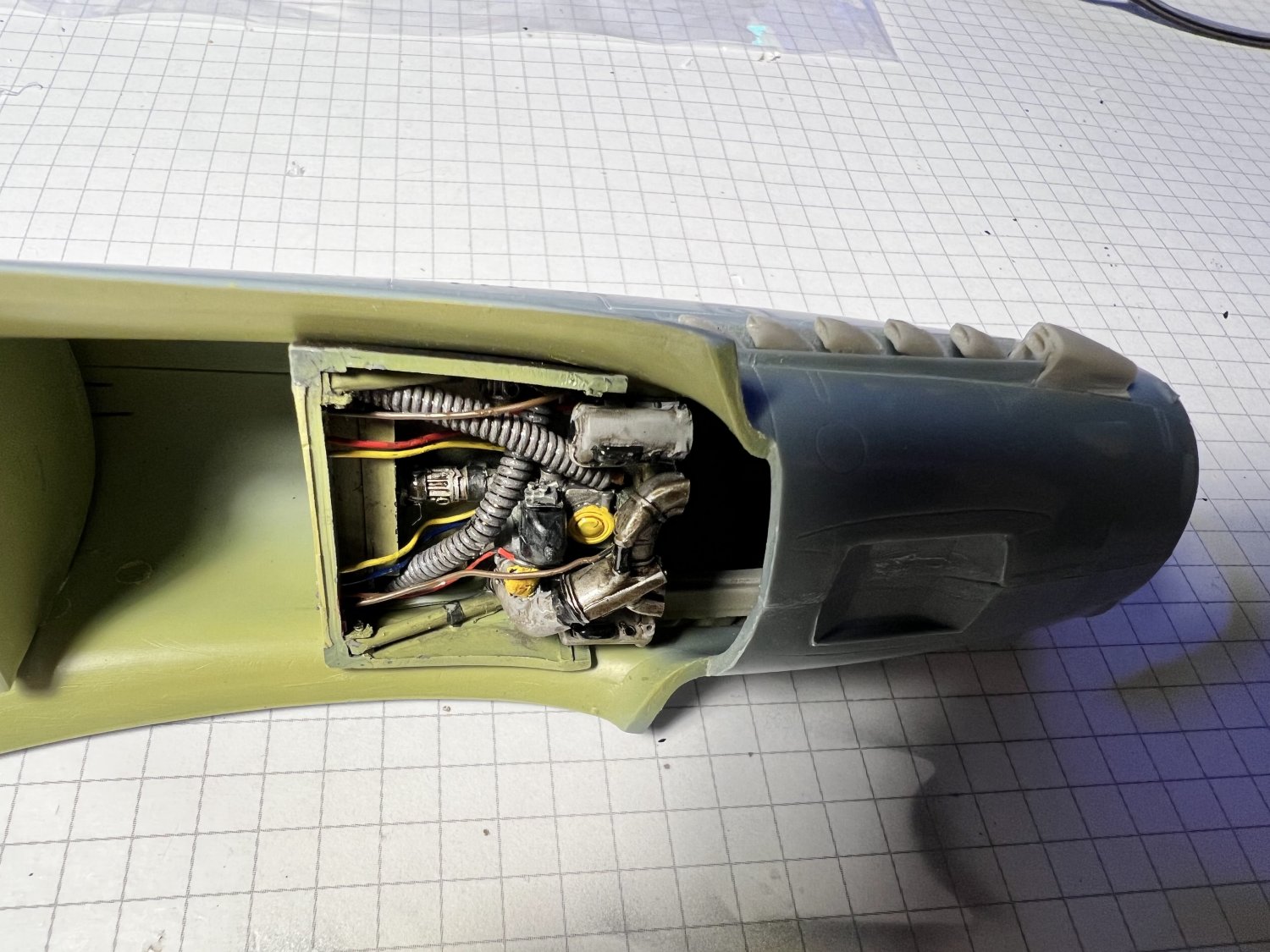
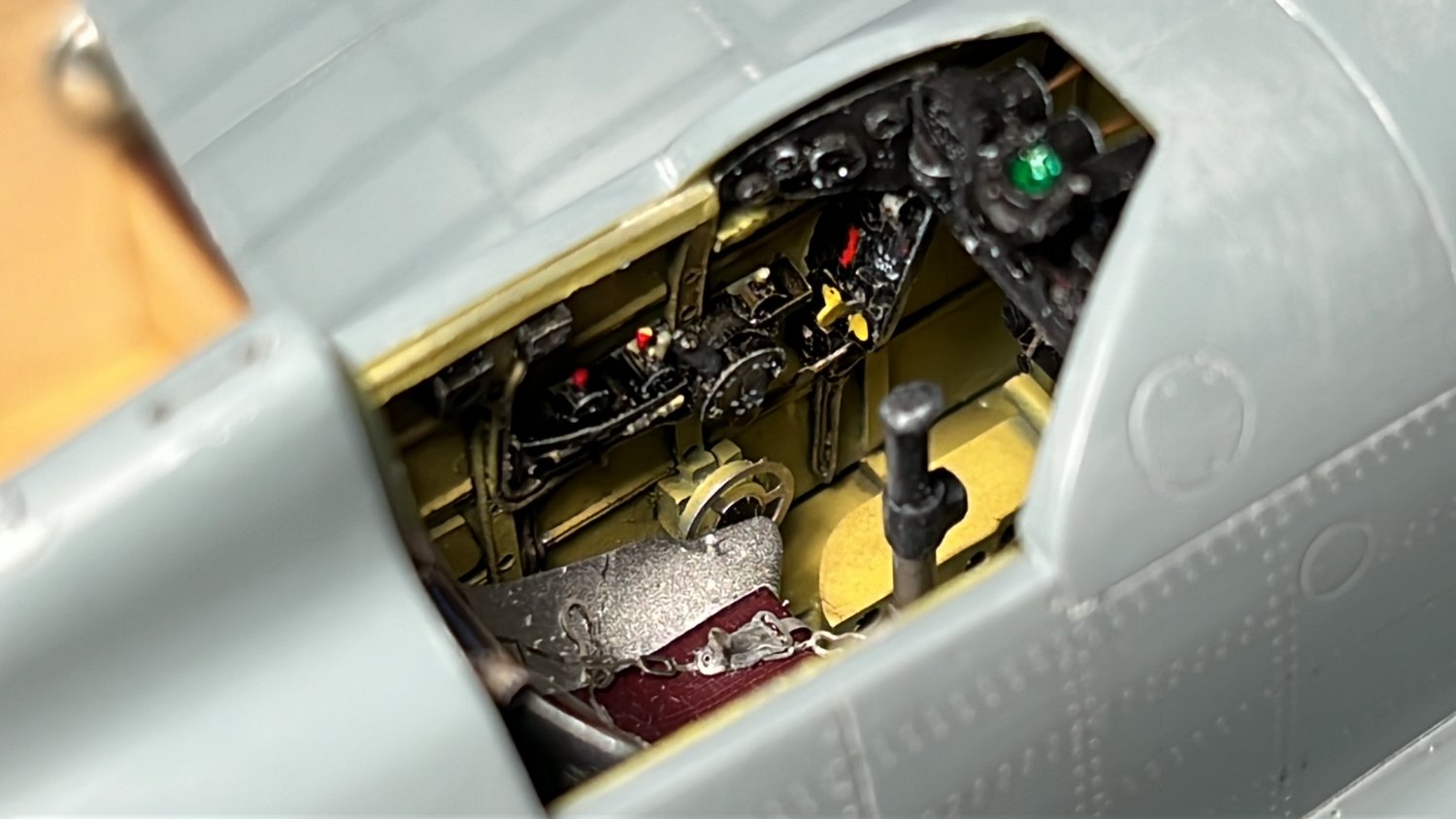
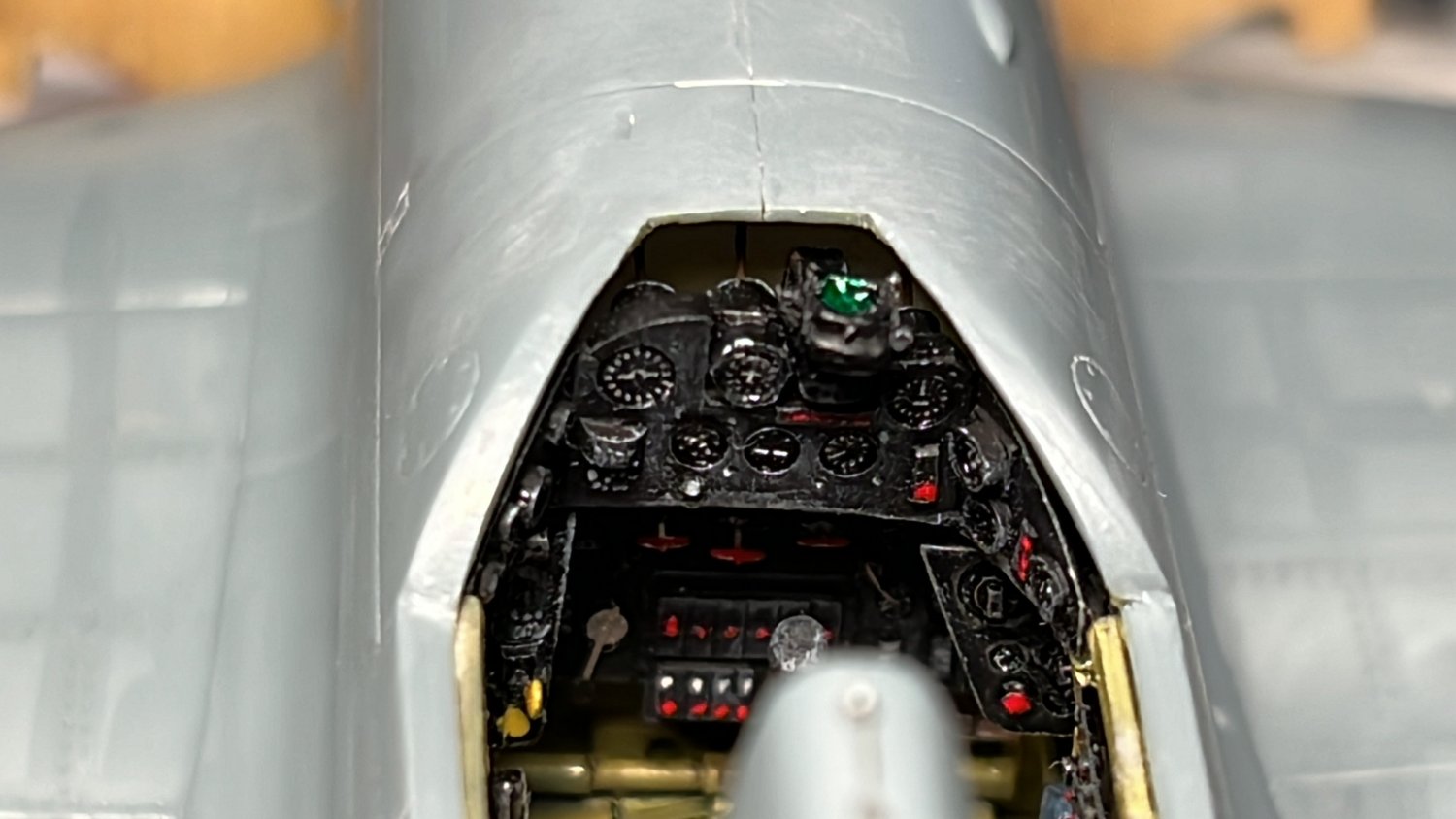
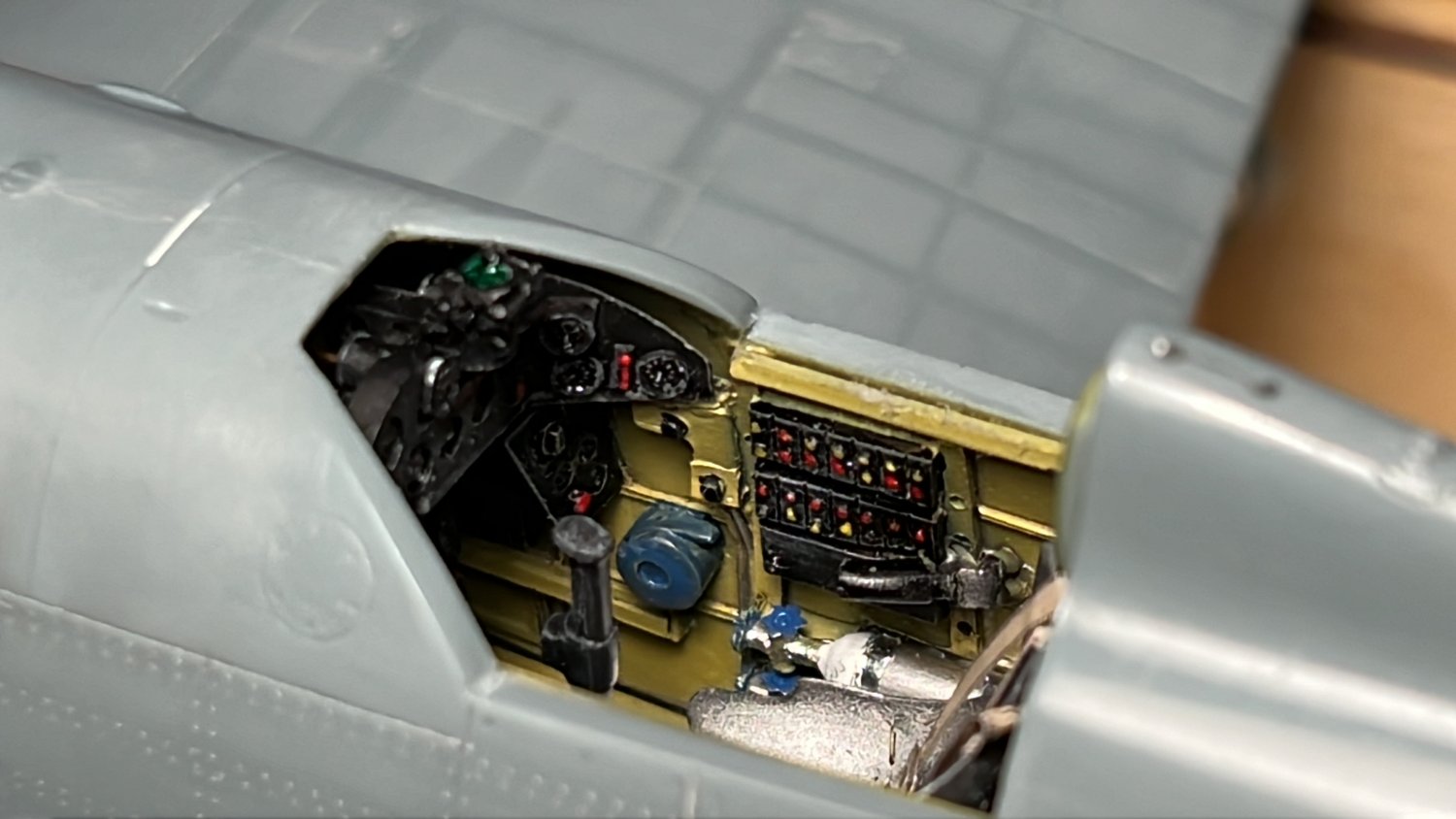
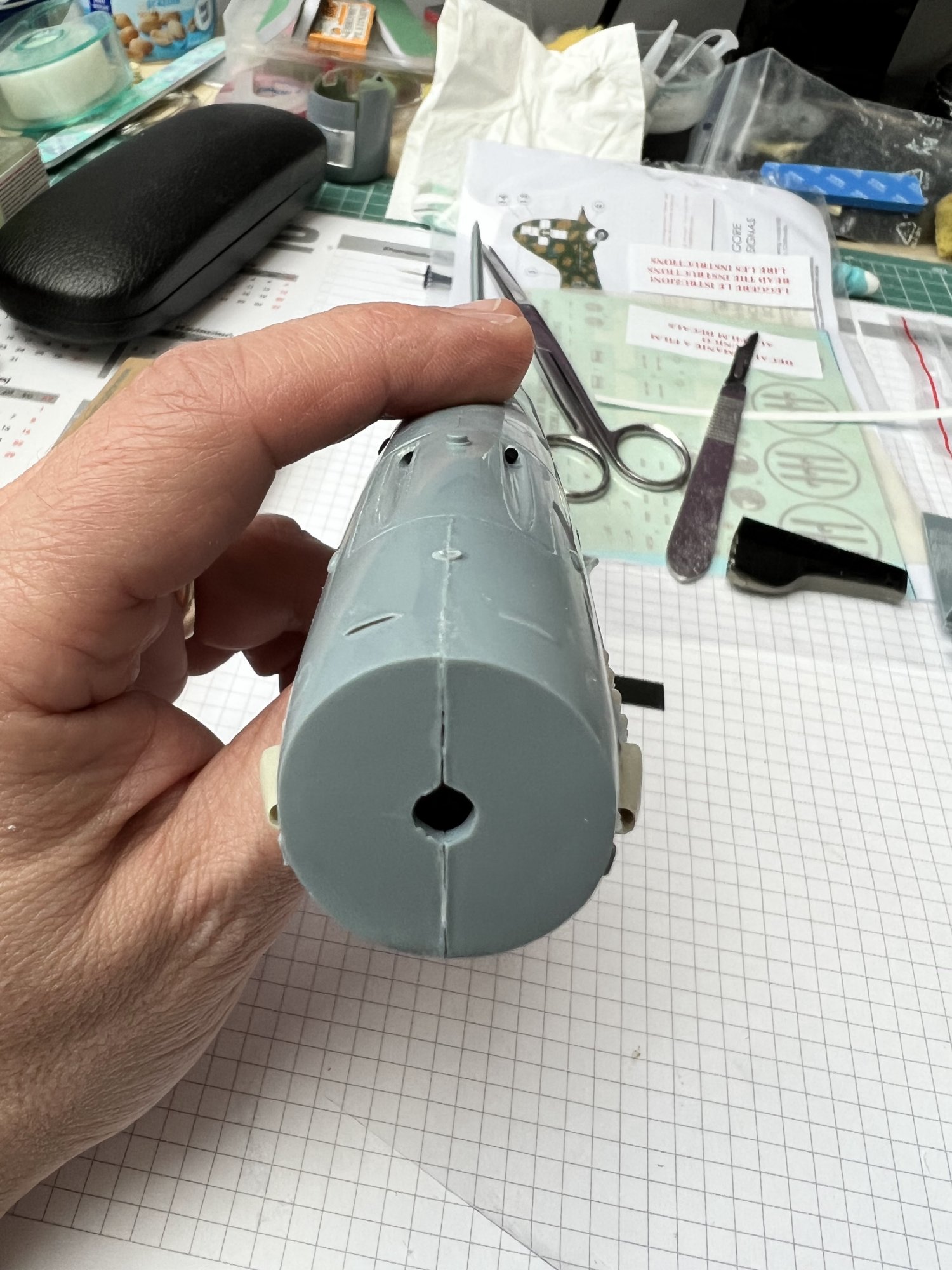
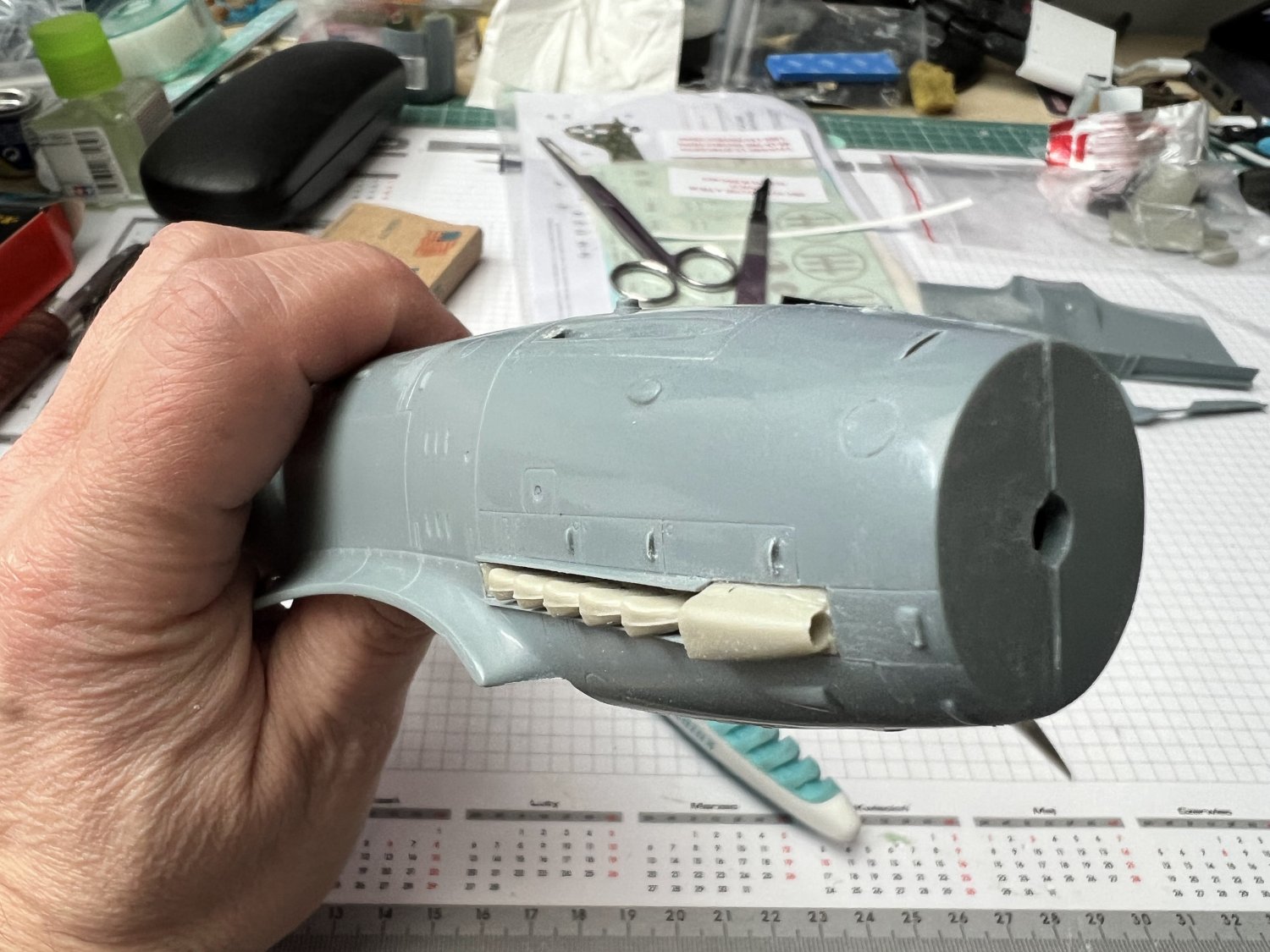
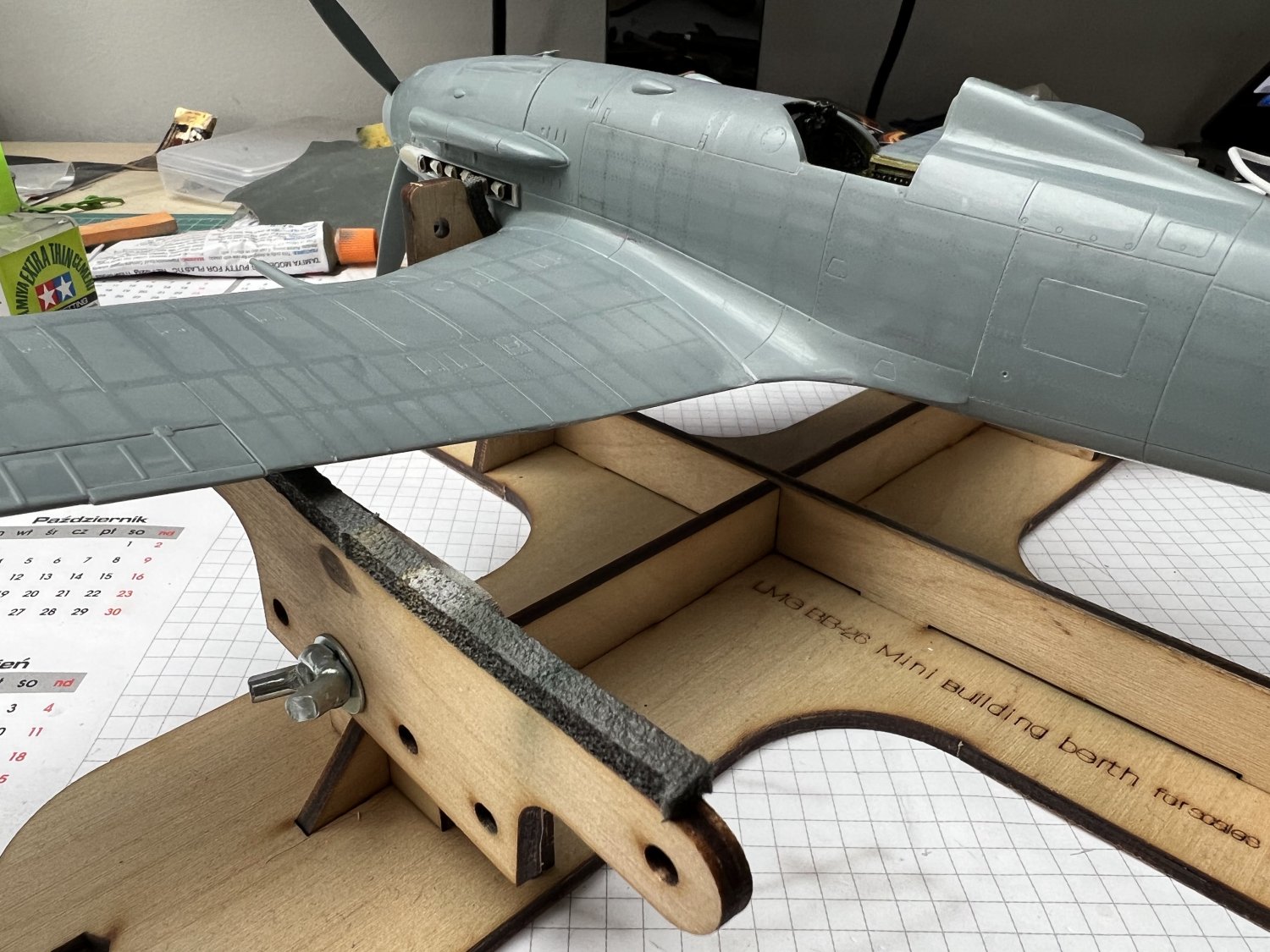
I started by fitting and gluing the fuselage halves together. Then, using the tip of the scalpel No.11 I gently opened all the small air intakes on the nose. The openings in the fuselage for the exhaust pipes required a bit of careful fitting, but it was quite easy. Resin cockpit is very nicely detailed and it also turned out to be easy to build – in practice I just painted all parts and put them inside the fuselage. A lot of work was required inside theundercarriage bays and the fuselage interior is visible from below – those elements are very precisely resin casted, but after analyzing the photos I came to the conclusion that it was not sufficiently detailed – so I had to make imitations of pipes and wires. That’s typical for Italian fighter planes.

I had some concern about the wings – both the fuselage-wing joint and the connection of the outer wing sections with the center lower part of the wing. It turned out that after a minimal fit everything stuck together perfectly. The cannon covers also fit very well into the openings in the wing leading edges.

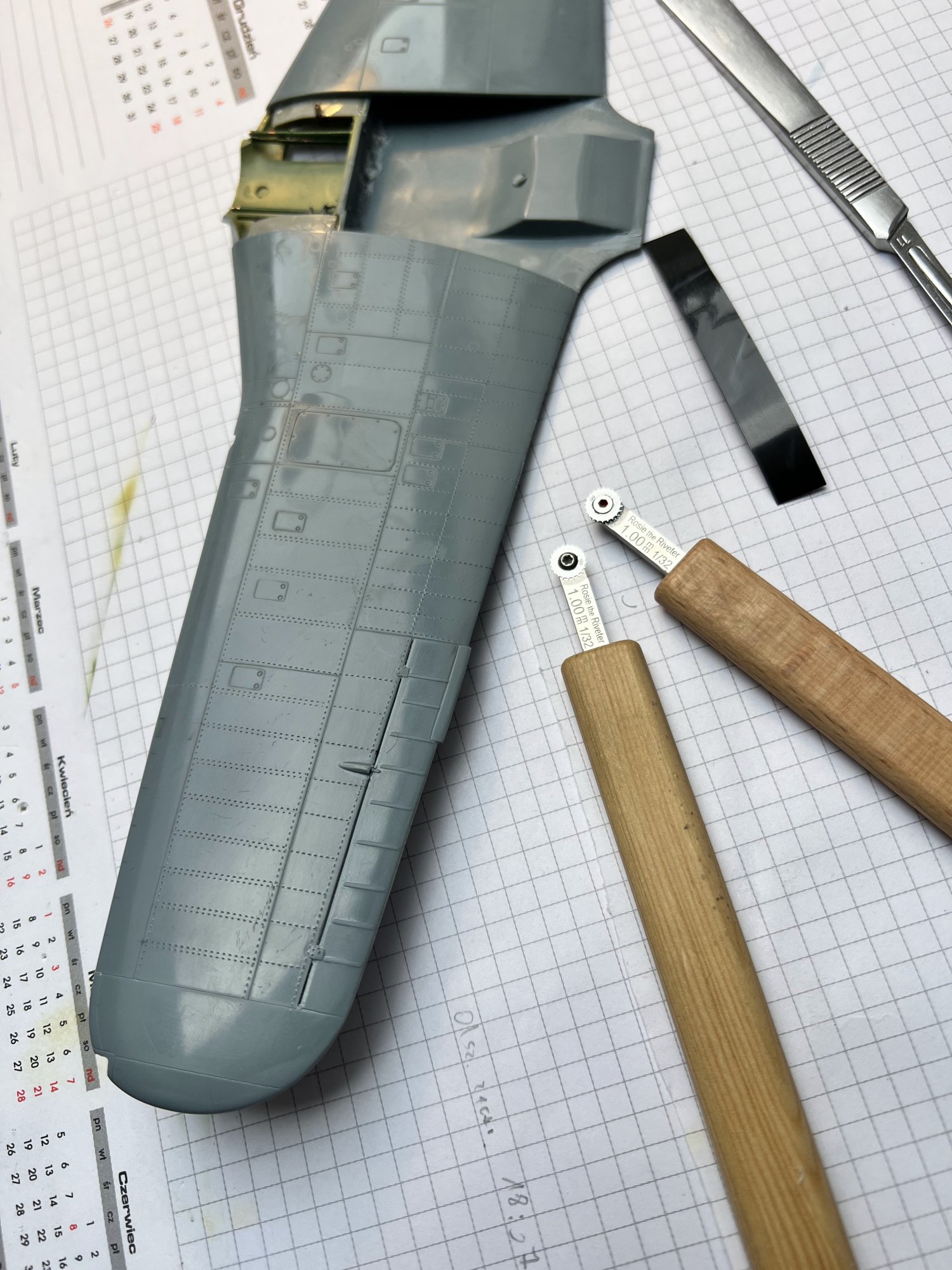
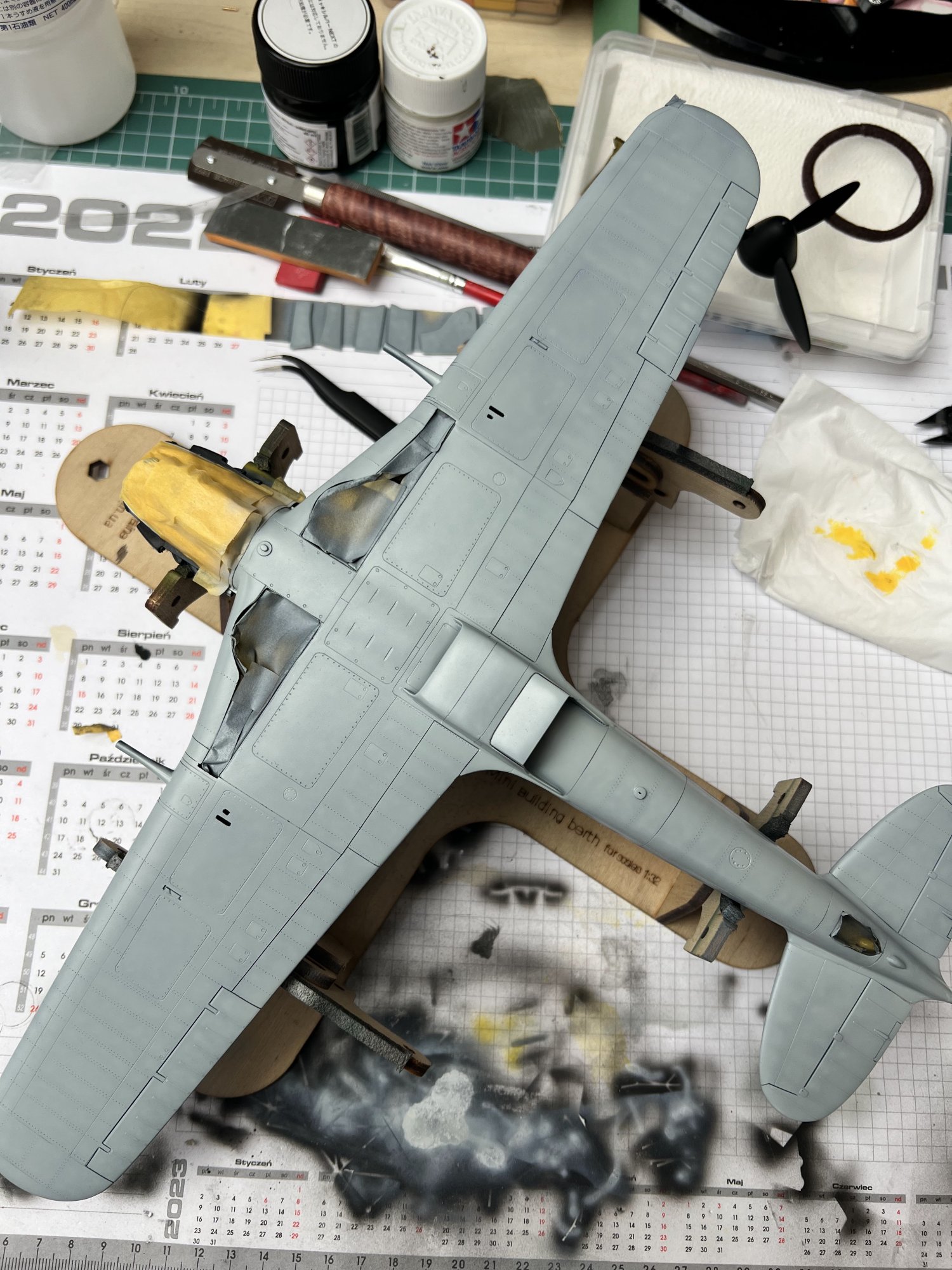
The next stage was riveting with Rosie the Riveter tools. It is quite easy, but it always takes a lot of time. Well – to tell the truth, this is the most boring stage of building a model. You have to measure and draw line of rivets with a pencil – and then using Rosie the Riveter recreate all rivets. I always do it free hand. After that some gentle polishing with 1000 sandpaper and cleaning with a brush dipped in Tamiya Extra Thin glue. This beautifully smoothes the edges and draws styrene dust out of the rivets.

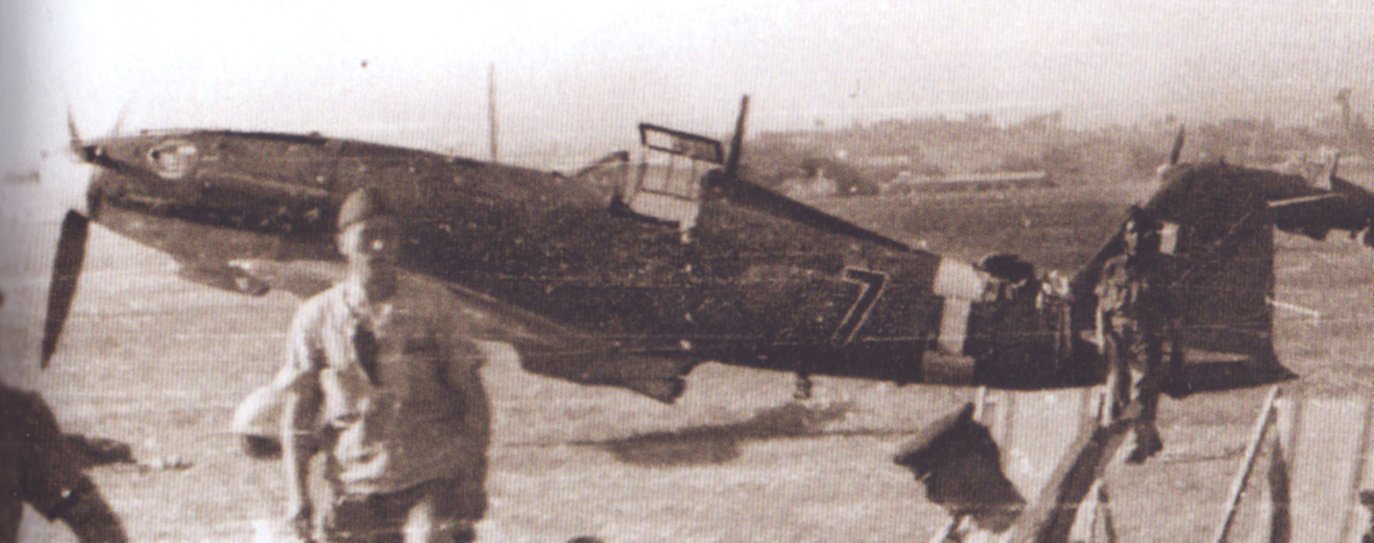
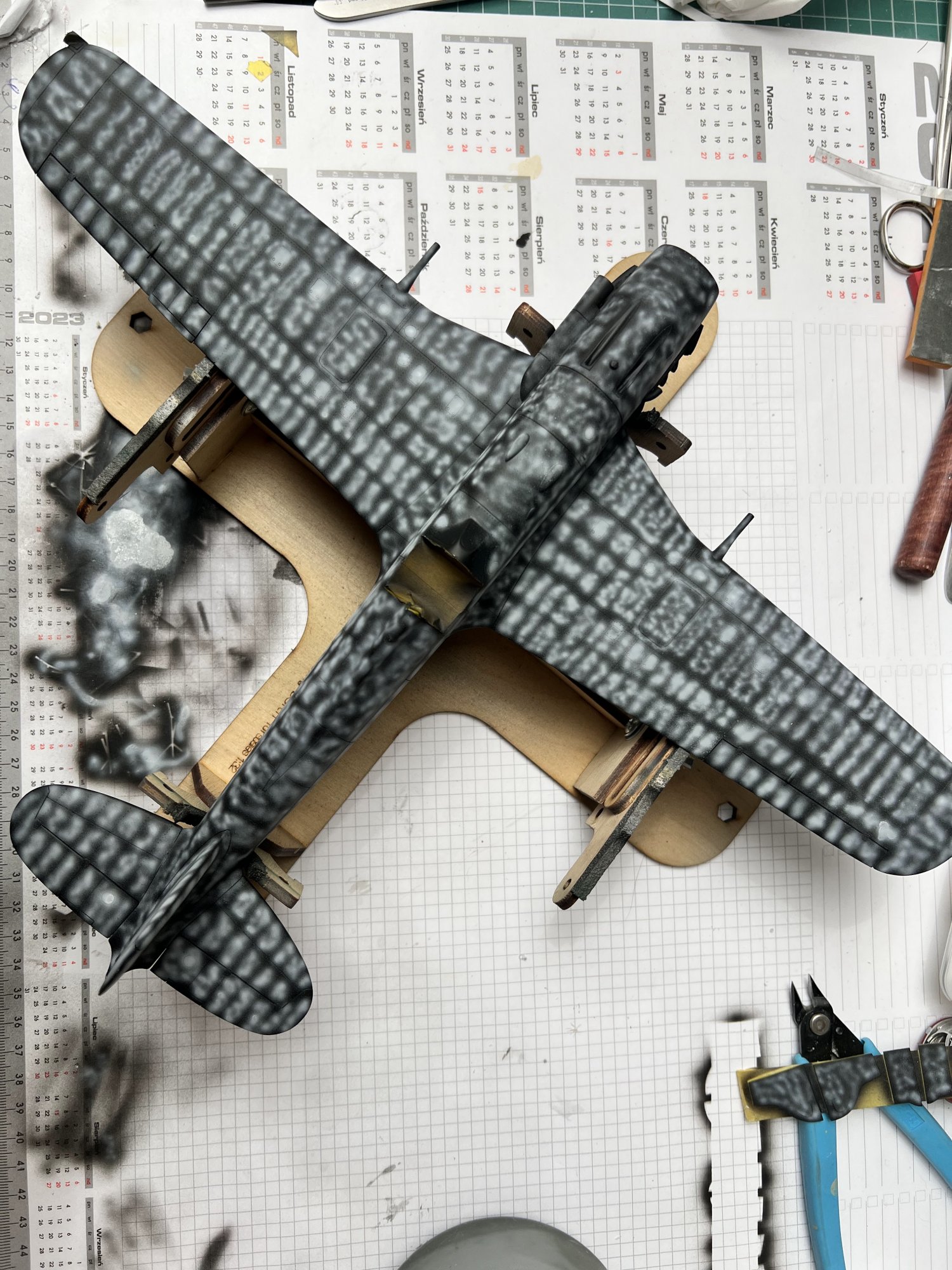
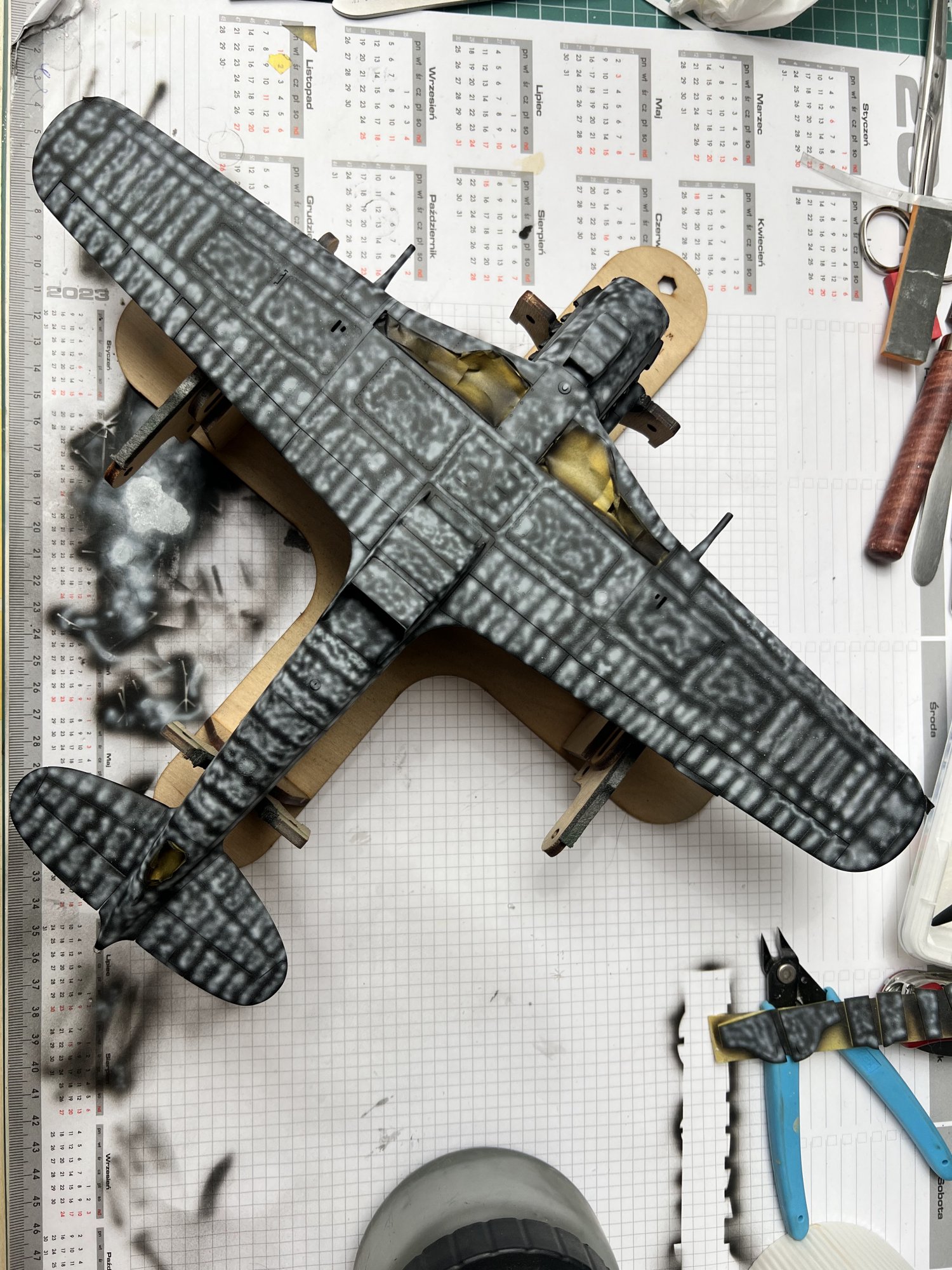
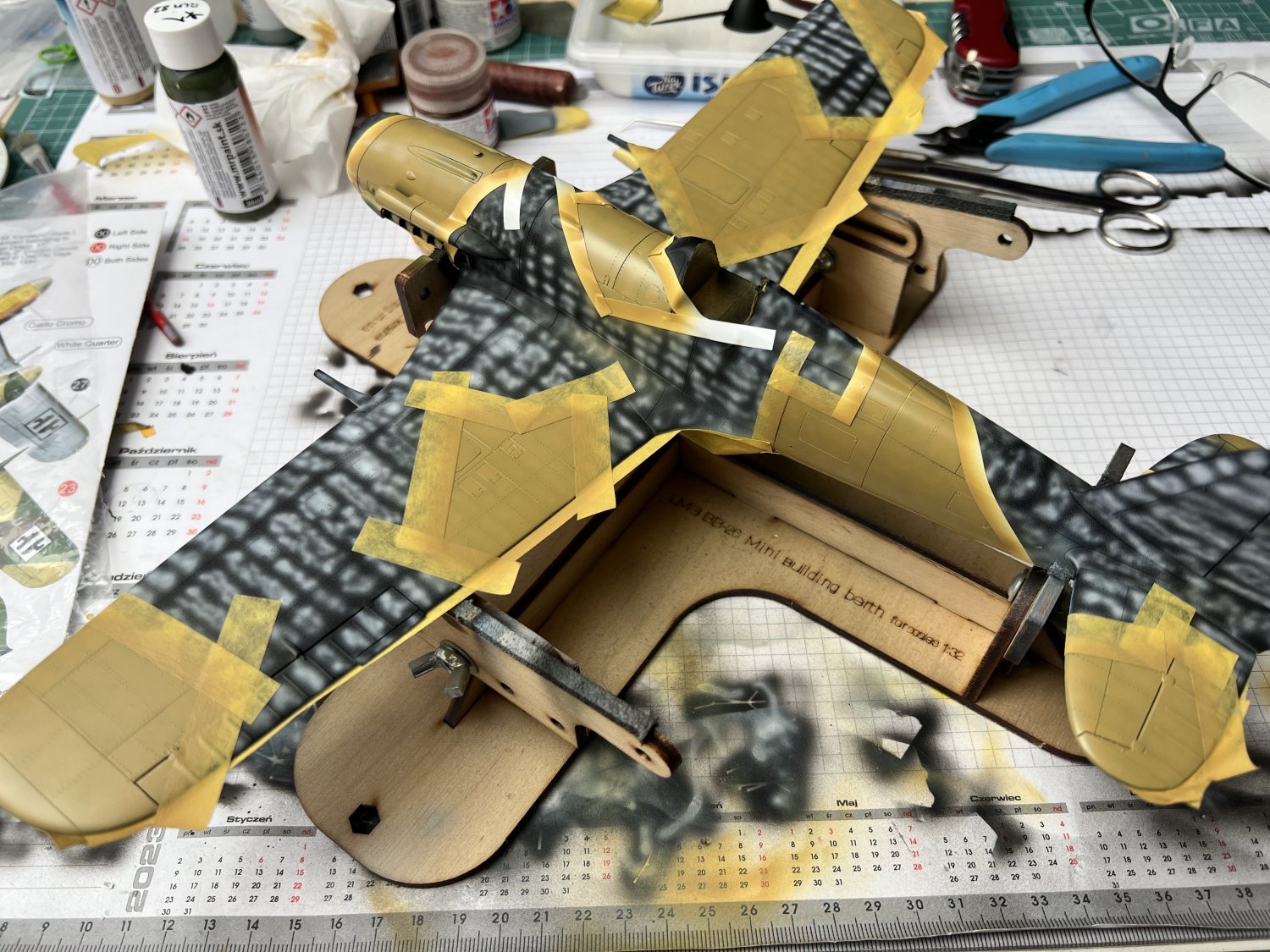
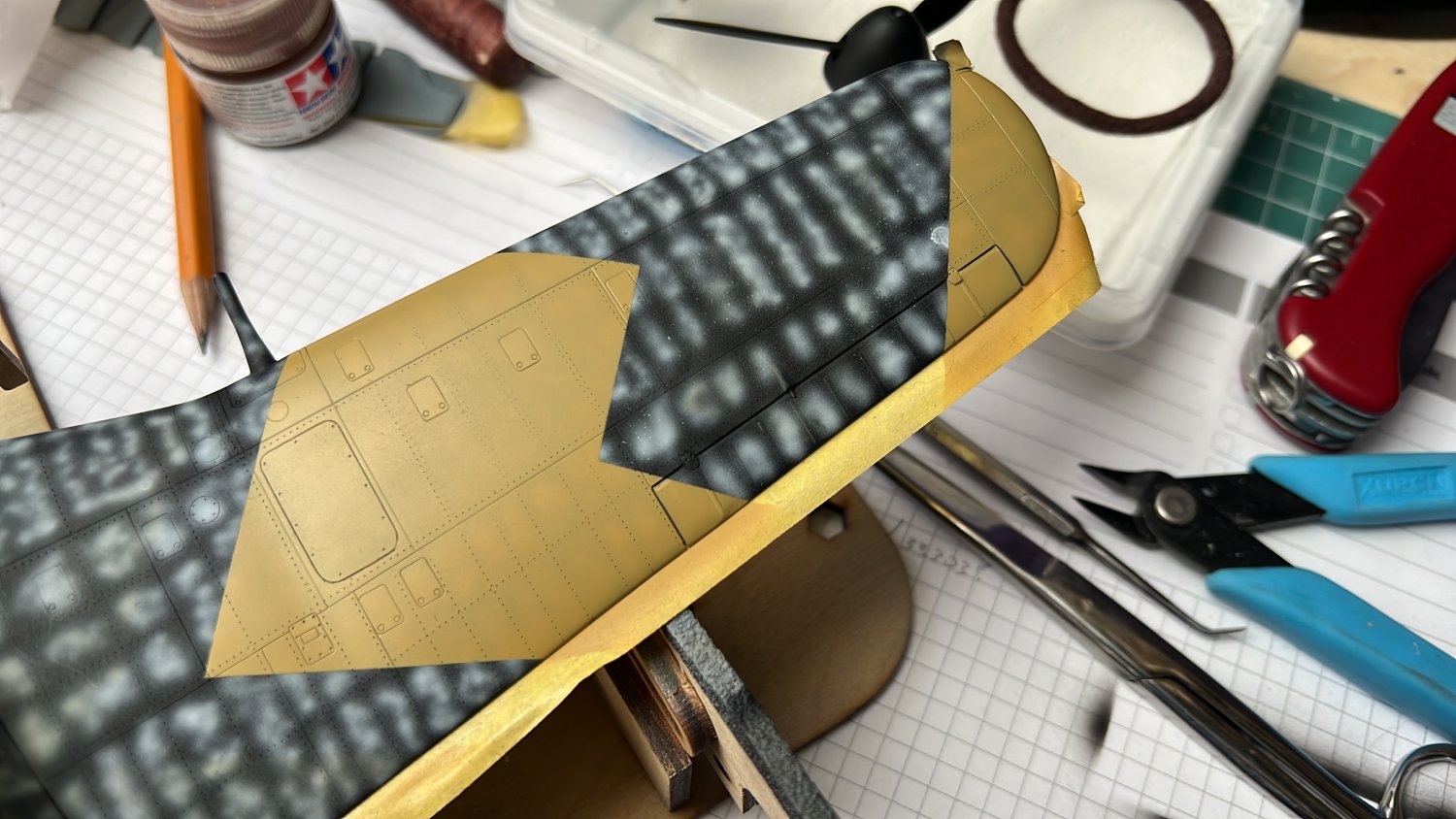
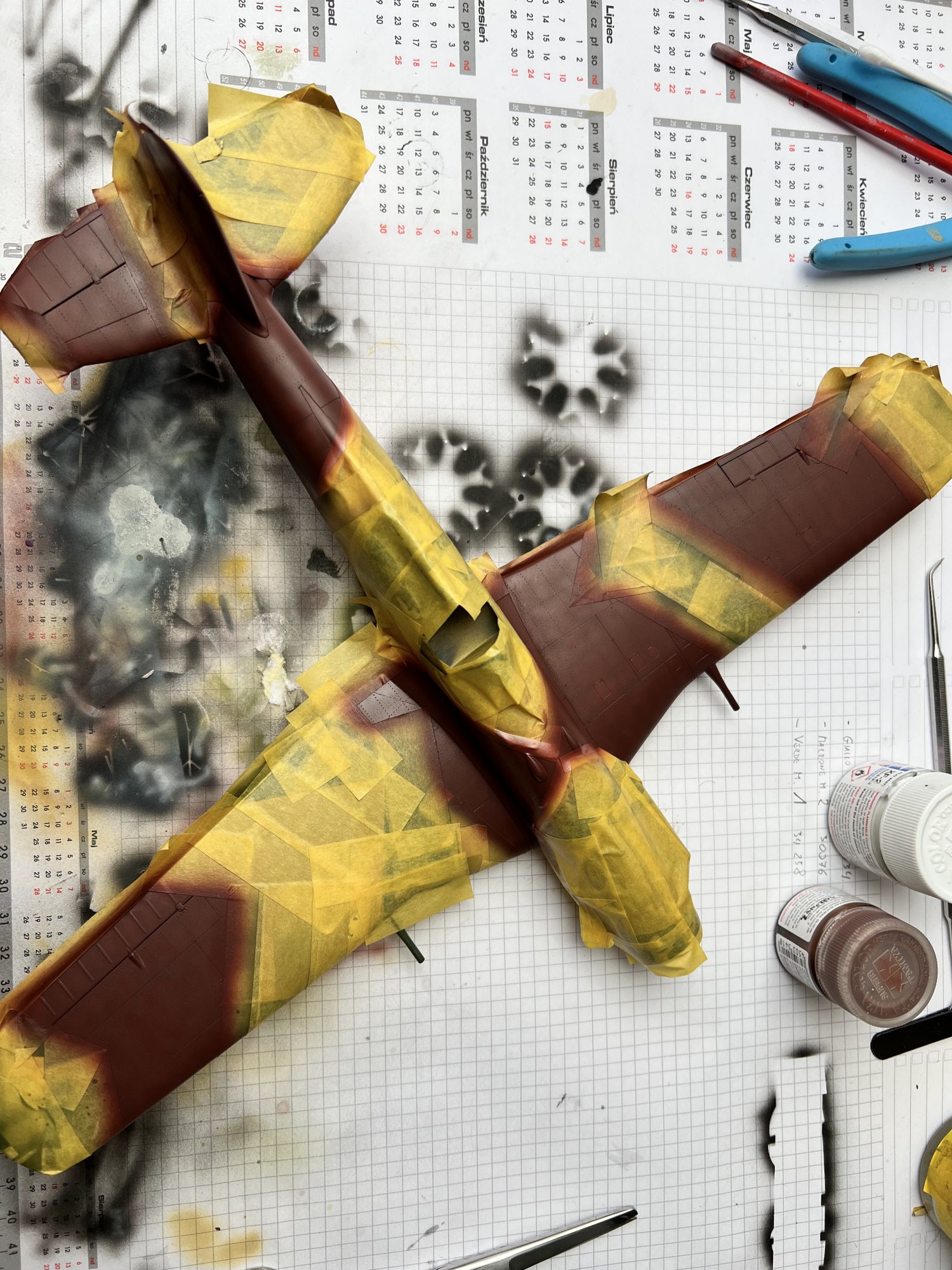
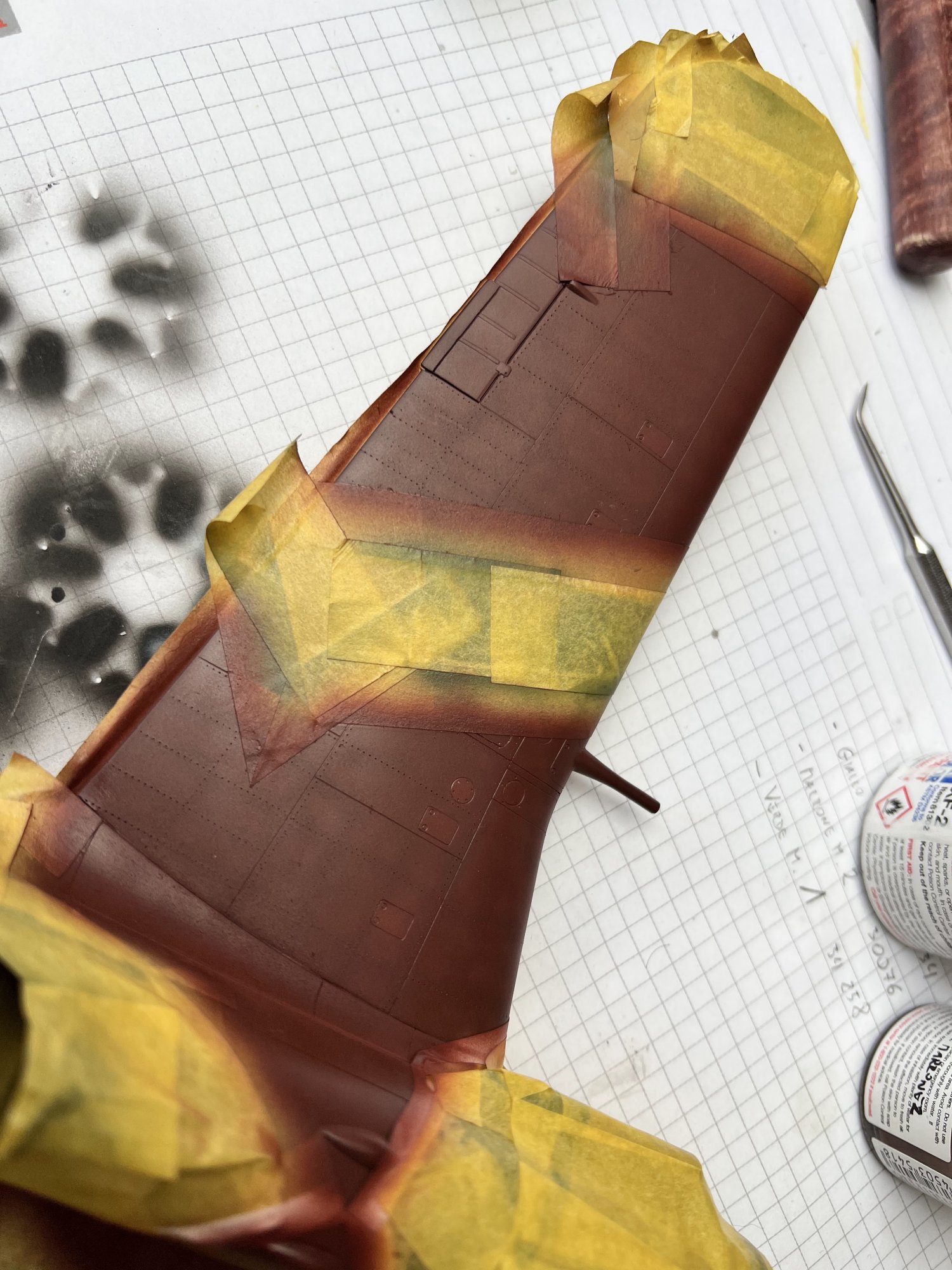
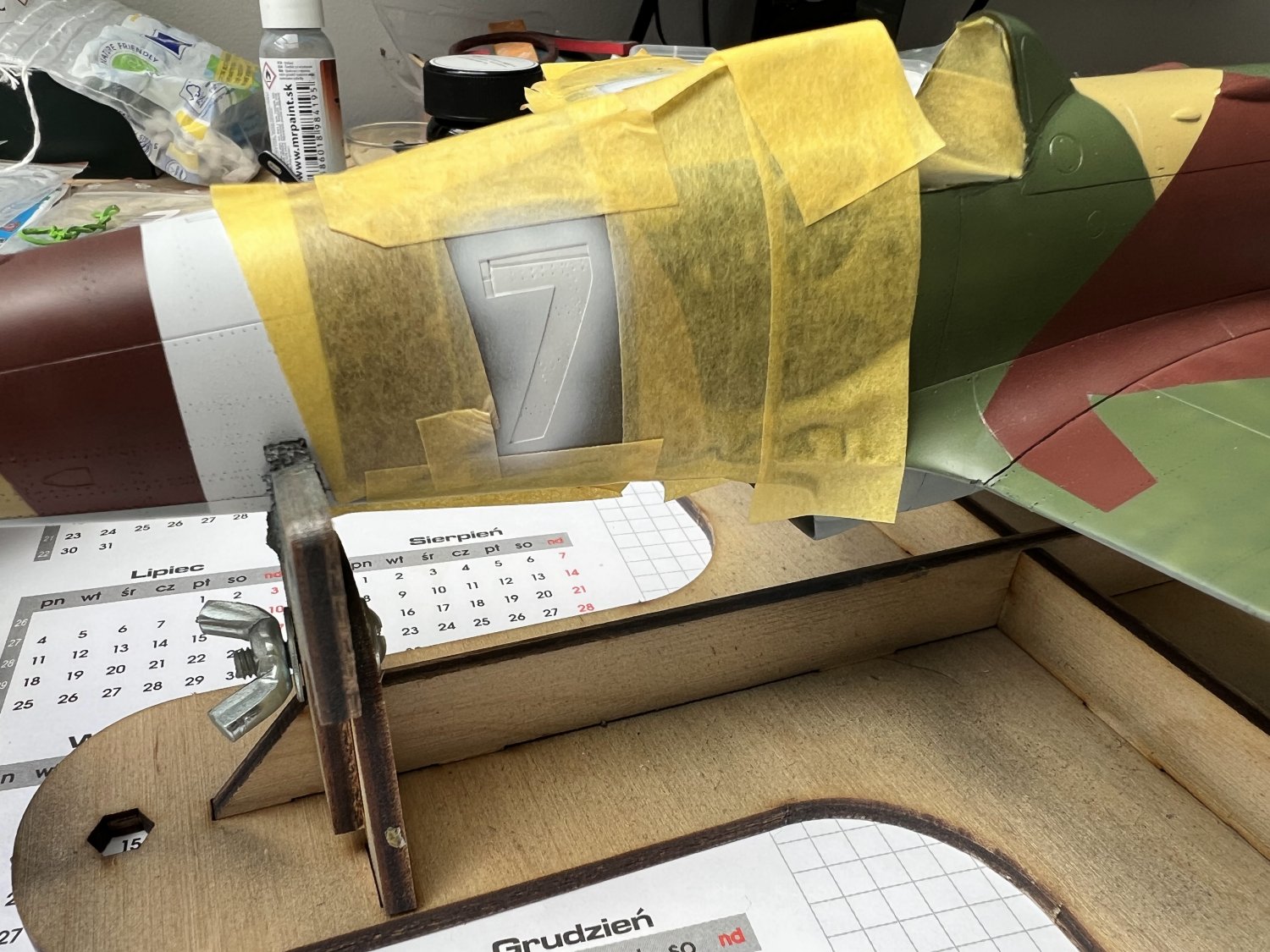
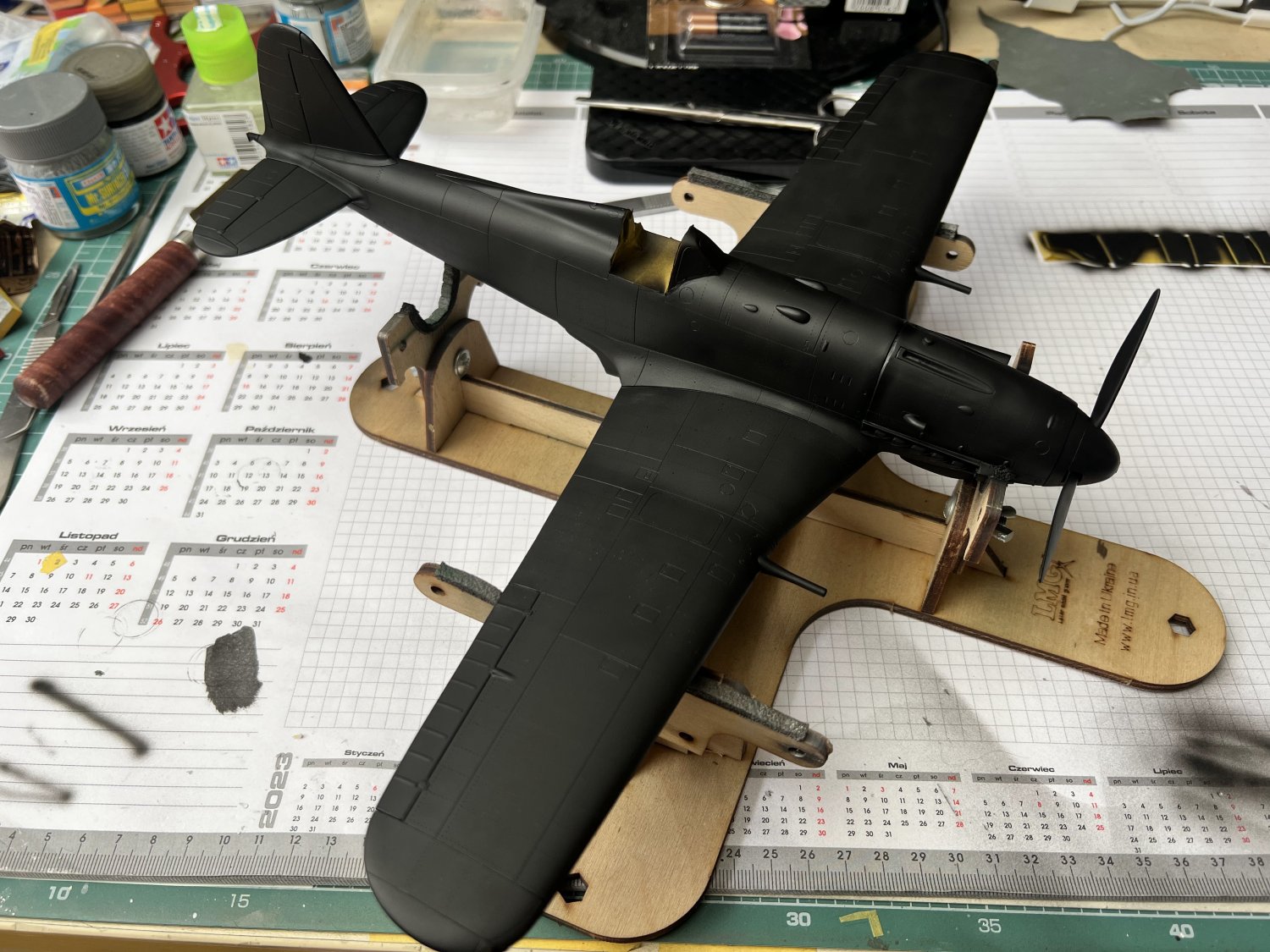
I chose the camouflage of the plane on which Captain Ugo Drago was flying – then in 1a Squadriglia 2o Gruppo Caccia at Cascina Vaga, May 1944. The painting scheme is easy to do, although it requires a lot of work with masking individual colors (I think I used severel meters of masking tape ...). As a reference I took a set of Stormo Decals (48011) – there is probably only one quite distant photo of the "Black 7" – so the arrangement of colors and their shade is only a kind of reconstruction.

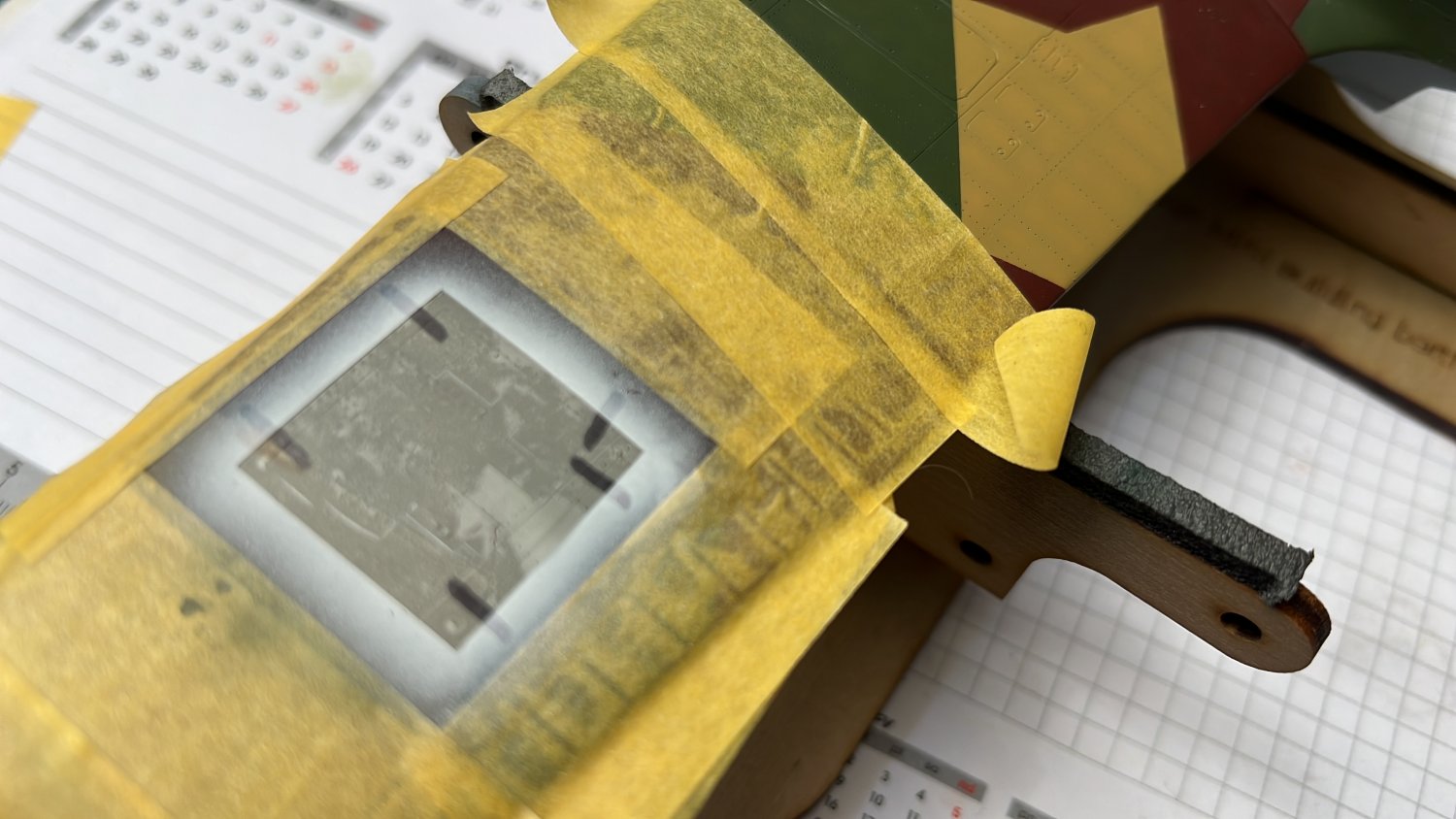
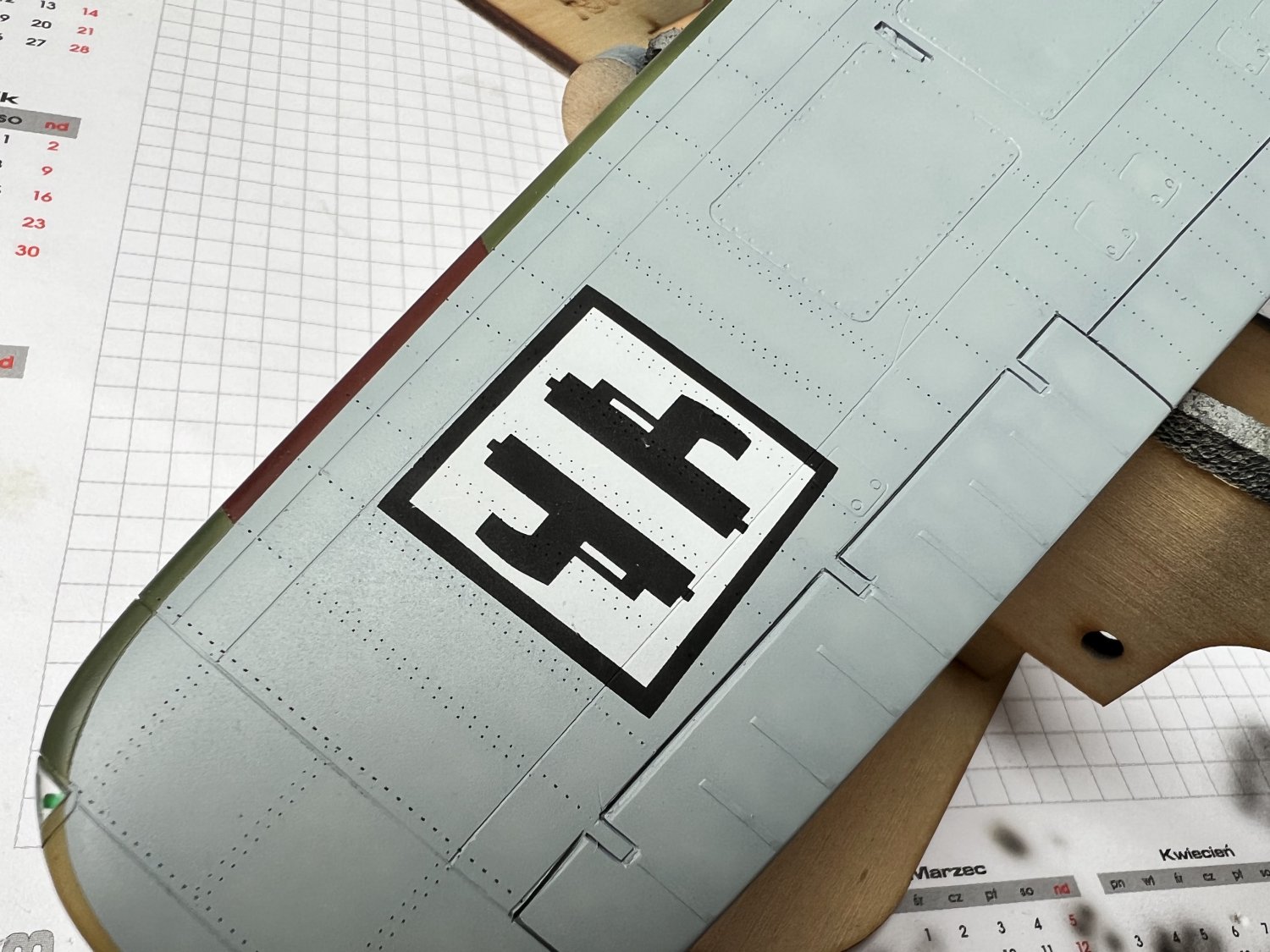
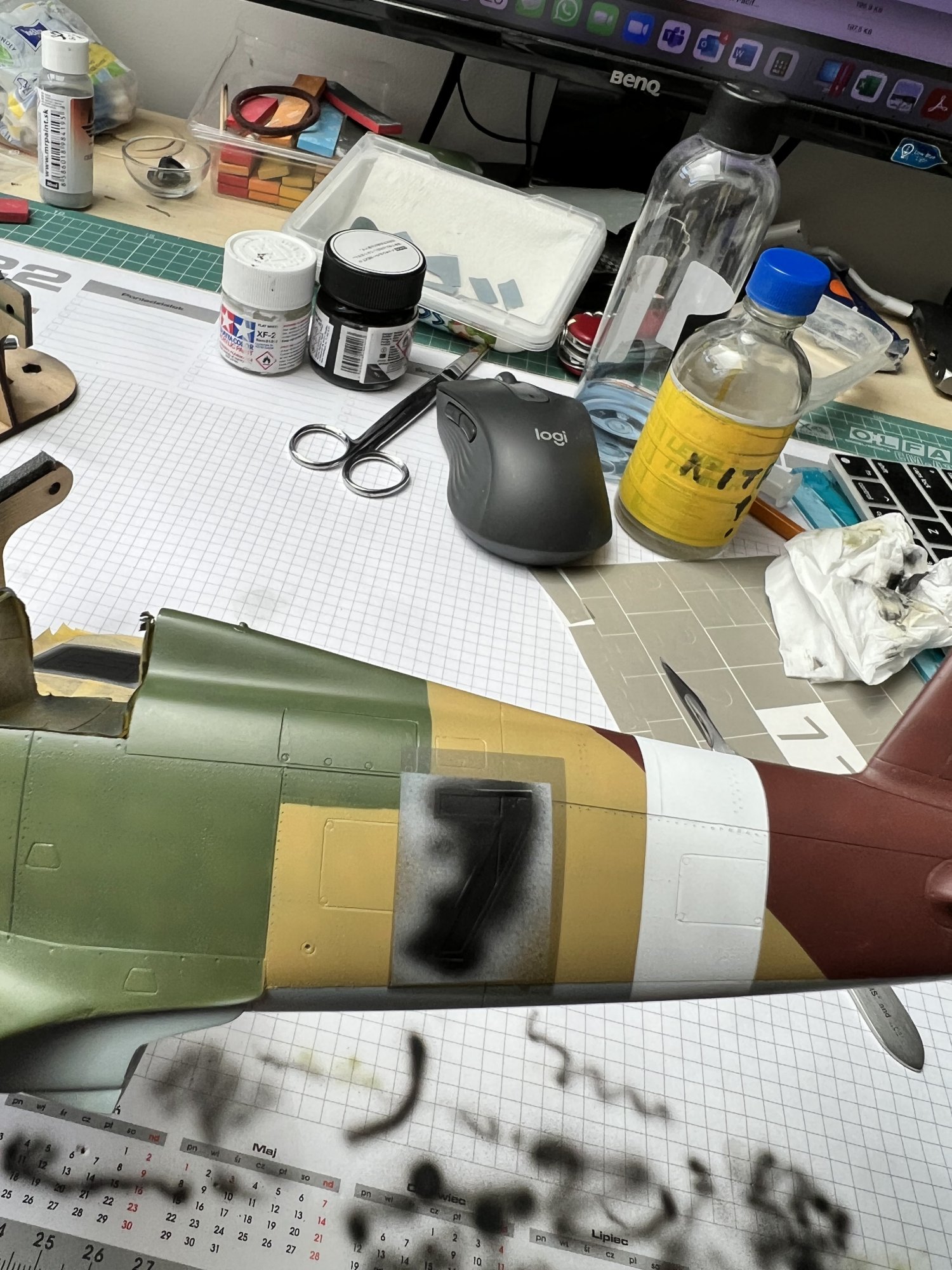
I don't like to use decals because I usually have problems with their proper application– I prefer to use friskets. Fortunately, I easily bought a 1/32 Montex set for Fiat G.55 which includes Captain Drago's plane scheme. Finally, the only decals on the model are the Gigi Tre Osei emblems and serial numbers.

I am moderately satisfied with this construction – but at this stage of my modeling development it is all I can do. Maybe the next ones will be better.

Cockpit, Fuselage Halves and Riveting:


×


Pre-shading, Masking and Applying the 3-tone Splinter Pattern:


Spraying on the Markings:


×


Technical Data

Aircraft: Fiat G.55 Serie I
Manufacturer: Fiat S.A.
Type: Fighter
Year: 1943
Engine: Damiler Benz DB 605A-1, 12-cylinder V, liquid-cooled 1,475hp
Wingspan: 38 ft 10 1/2 in (11.85 m)
Length: 30 ft 9 in (9.37 m)
Height: 12 ft 4 in (3.77 m)
Weight: 8,200 lb (3,720 kg) (Loaded)
Maximum Speed: 385 mph (620 km/h) at 24,300 ft (7,400 m)
Ceiling: 41,700 ft (12,700 m)
Range: 1,025 miles (1,650 km)
Armament: 2 x 12.7mm (0.5 in) SAFAT machine guns, 3 x 20 mm cannons
Crew: 1

Additional Images


STORMO! Products


August, 2023
STORMO! © 2023