×
ICM 1/32 FIAT CR.42
Falco (Falcon)
by Bogdan Zajączkowski


Click the STORMO! Eagle to
return to the Gallery


This was Italy's last combat biplane and one of the best of its kind. Between February 1939 and June 1943, a total of 1,781 came off the assembly line, with construction even resuming in 1944 under the Germans. Construction proceeded almost without interruption, even alongside the newer fighters such as such as the Fiat G.50, the Macchi MC.200, and the Macchi MC.202.

The CR.42 had its roots in the Fiat CR.32, a highly manoeuvrable airplane that was fairly fast and well armed, which had been designed in the early 1930s. Because of the operational, technical, and military success of this airplane, Italian authorities placed the CR.42 into production as an interim fighter until the newer monoplane fighters were ready - the CR.42 was not offically part of the "R" Program (the moderinsation of the Regia Aeronautica). Celestino Rosatelli, who was responsible for the CR.32 outdid himself in producing the CR.42. The prototype of the 'Falco' (Falcon) first took to the air on May 23, 1938.

The CR.42 had the same general form as its predecessor. It was a single-seat biplane with an all-metal skeleton and a composite skin of duralumin and fabric. A sesquiplane structure with W-shape struts and steel cables, it was sturdy and aerodynamically clean. The fixed under-carriage was faired, and the cockpit was open. The armament consisted of a pair of 12.7 mm Safat machine guns mounted on the hood of the engine and synchronized to fire through the propeller disc. Each gun had 400 rounds. The CR.42 had a different engine from its predecessor. Instead of the 600 hp Fiat A.30 RA inline engine of the CR.32, the new airplane was powered by an 840 hp Fiat A.74 RC 38 14-cylinder radial, which drove a three-blade metal propeller with variable pitch. A radial engine was chosen for reasons of safety in combat. It was simpler, and because it was free of radiators, tubes, and cooling tanks, it was less vulnerable than a liquid-cooled engine.

The prototype's test flights were successful, and it attracted attention in Italy and abroad. The Italian Air Force placed a first order for 200 aircraft, Hungary ordered 50 airplanes, Belgium ordered 34, and Sweden ordered 72. The first Italian unit to receive CR.42s was the 53o Stormo, which was equipped with the airplane in May 1939. When Italy entered the war, 300 airplanes had been built, but the first CR.42s to see military service were those which had been sold to Belgium. The Belgian airplanes went into combat on May 10, 1940, when the Germans attacked. The Belgians shot down three enemy airplanes but suffered heavy losses, most of them being airplanes destroyed on the ground.

One month later the Italian CR.42s went into combat. They took part in the rapid French campaign and then in the campaign over the English Channel. They also saw service in Greece, the Mediterranean, and in Africa. The airplane was used most intensively in Africa. The last air duels between biplanes took place there. The CR.42s faced Gloster Gladiators, which were also the last of a generation.

As the Italian monoplane fighters appeared, the CR.42 was gradually reassigned to other roles, including bomber escort, reconnaissance and observation, ground attack, and night fighting. The ground attack version was slightly modified by the addition of two wing racks for a pair of 220 pound (99 kg) bombs. More extensive alterations were made for night fighting: a radio was installed, along with two photoelectric cells under the wings, and exhausts with fireproof shrouds to hide their glow at night. It did not have an extensive career in this role, although night-fighter CR.42 units were based in several Italian cities.

Of the 113 airplanes that were still in service in September 1943, some were turned into two-seat trainers (Fiat CR.42B) and continued in service until the 1950s. Other variants were considered during production: A seaplane version was considered (CMASA ICR.42), along with a model with retractable under-carriage and one with a 1,000 hp Daimler Benz in-line engine (Fiat CR.42DB), however none of these planes were placed into production.

Reference:
E. Angelucci and P. Matricardi, "World Aircraft, World War II - Part I", Samspon Low Guides, Berkshire House, 1978.


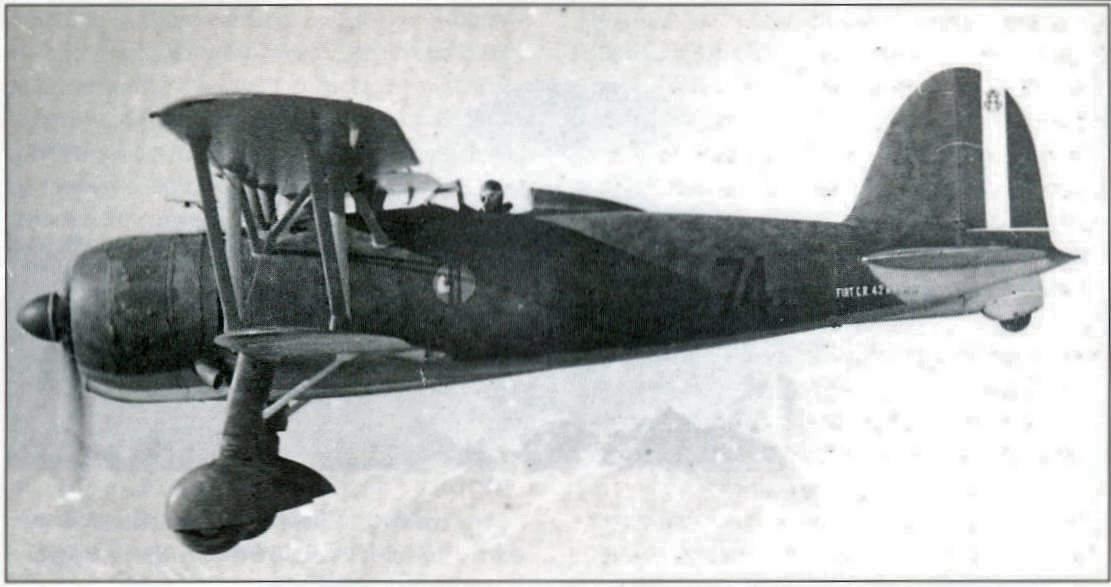
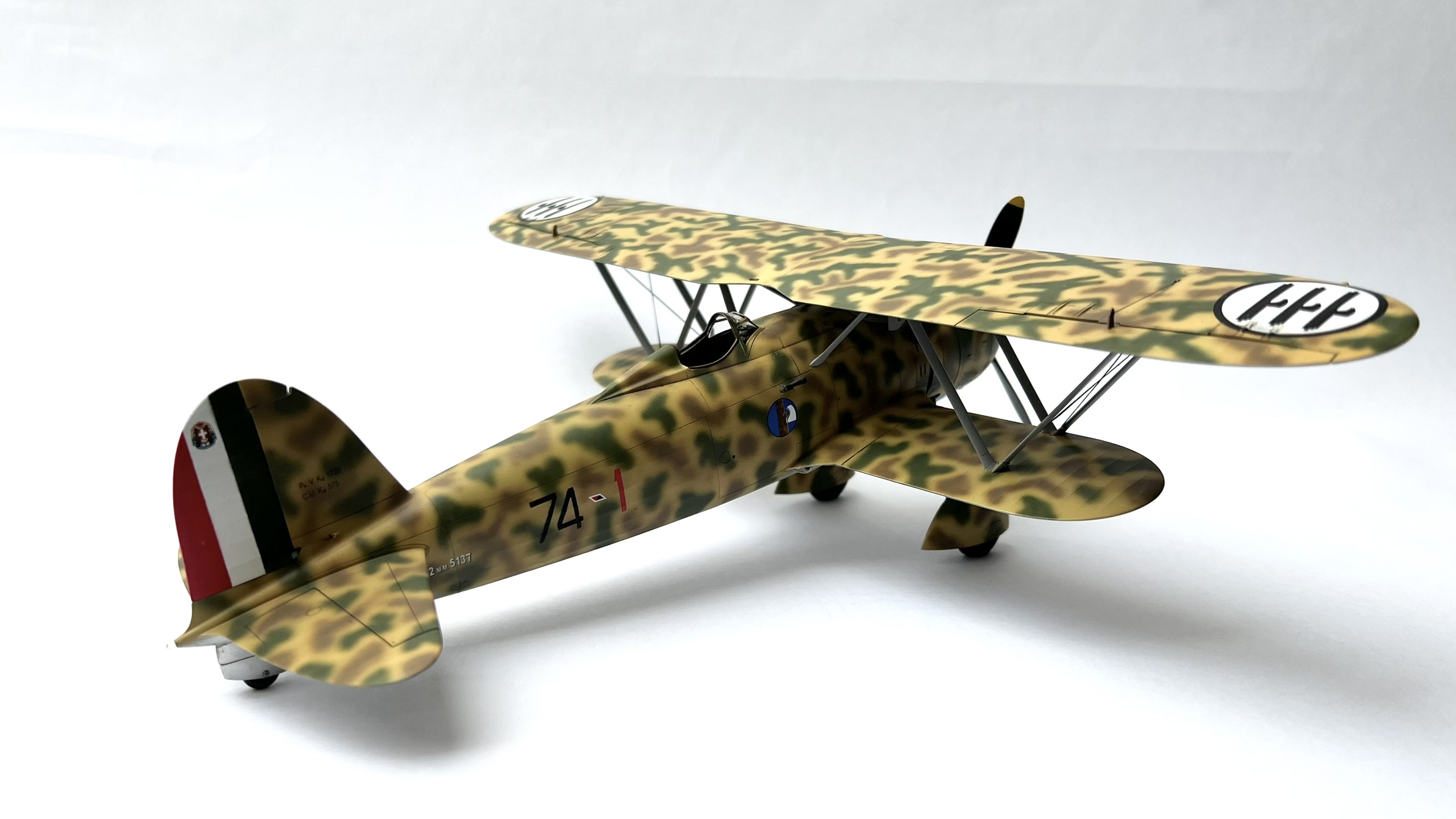
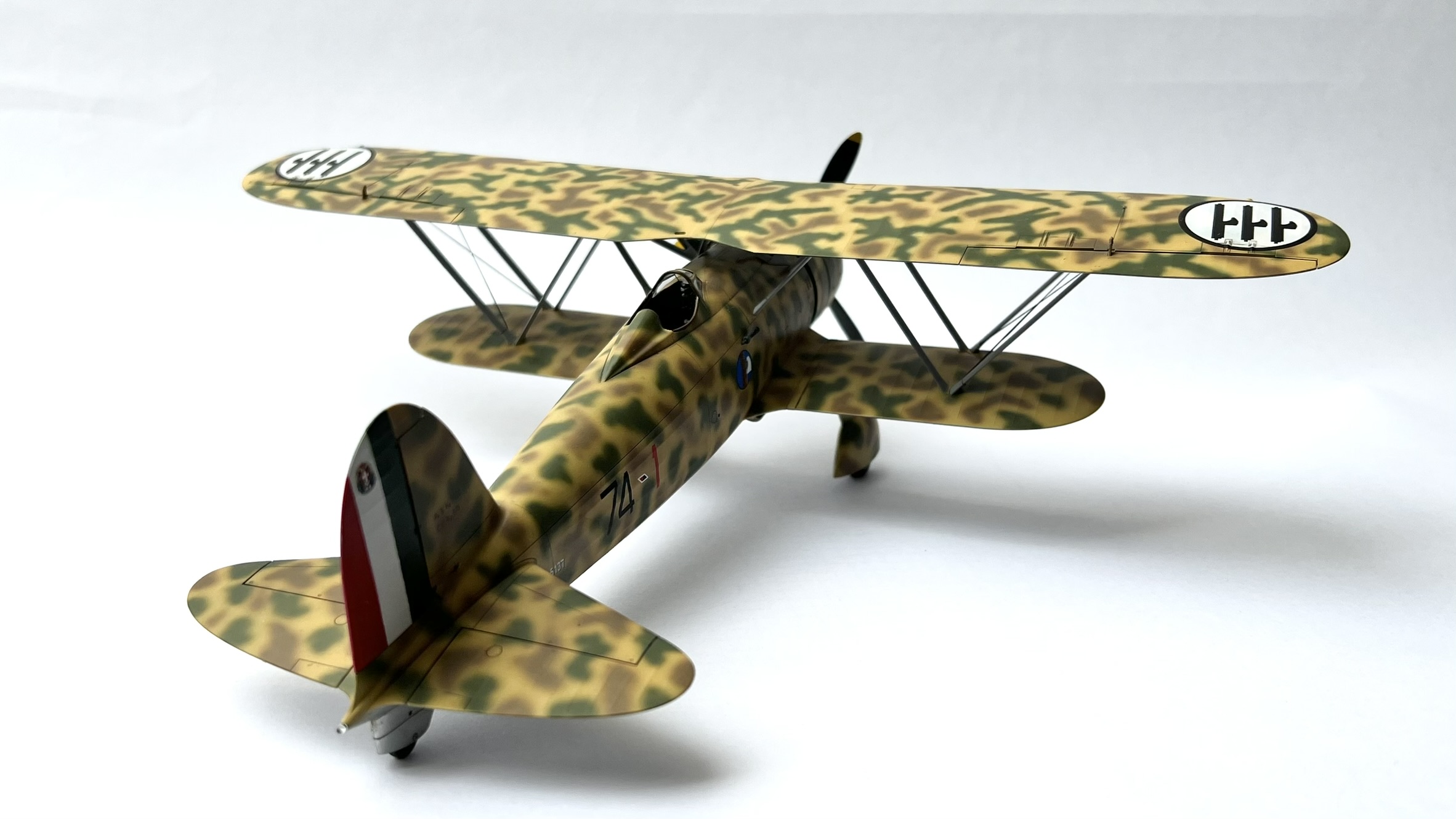
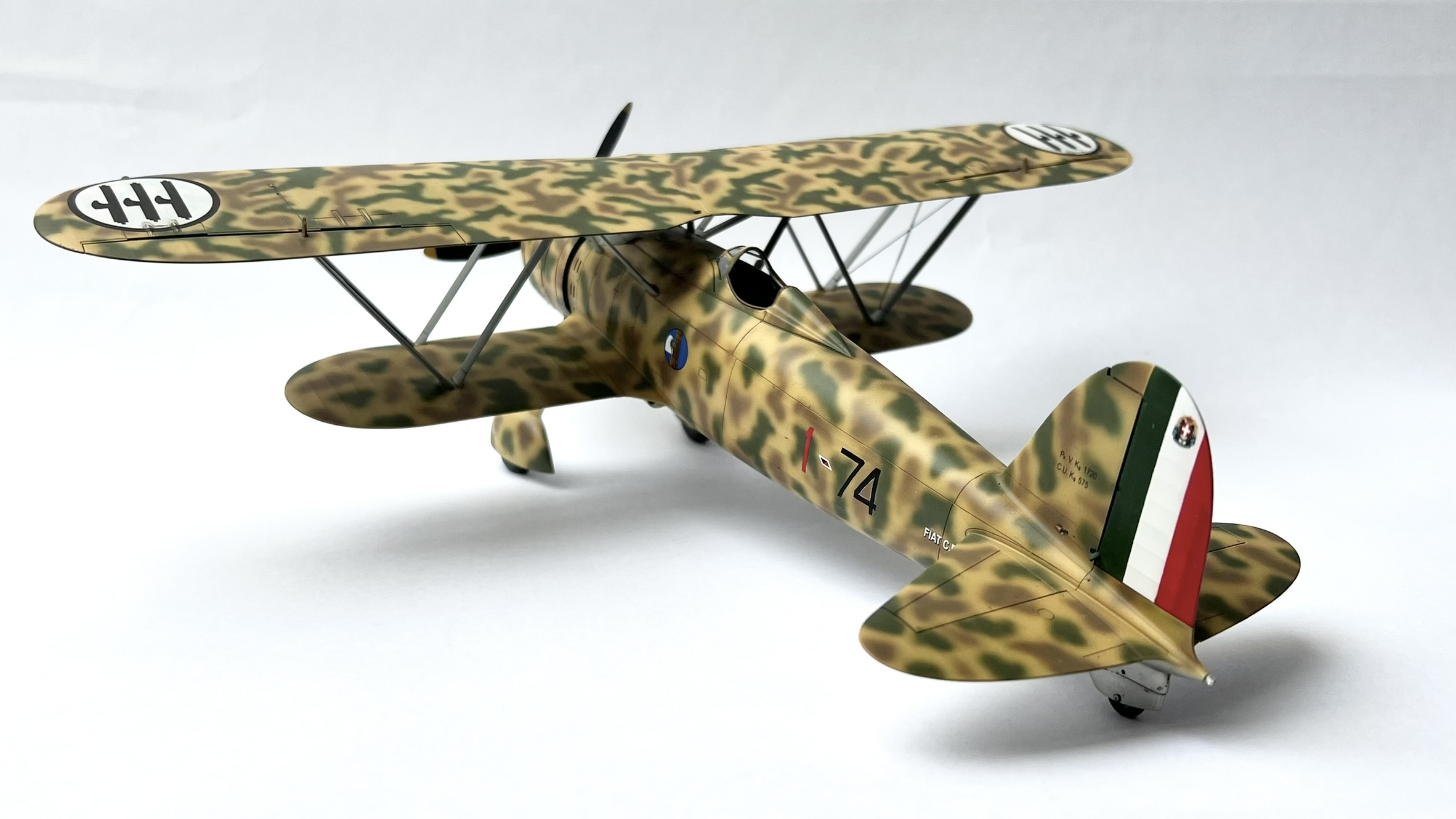
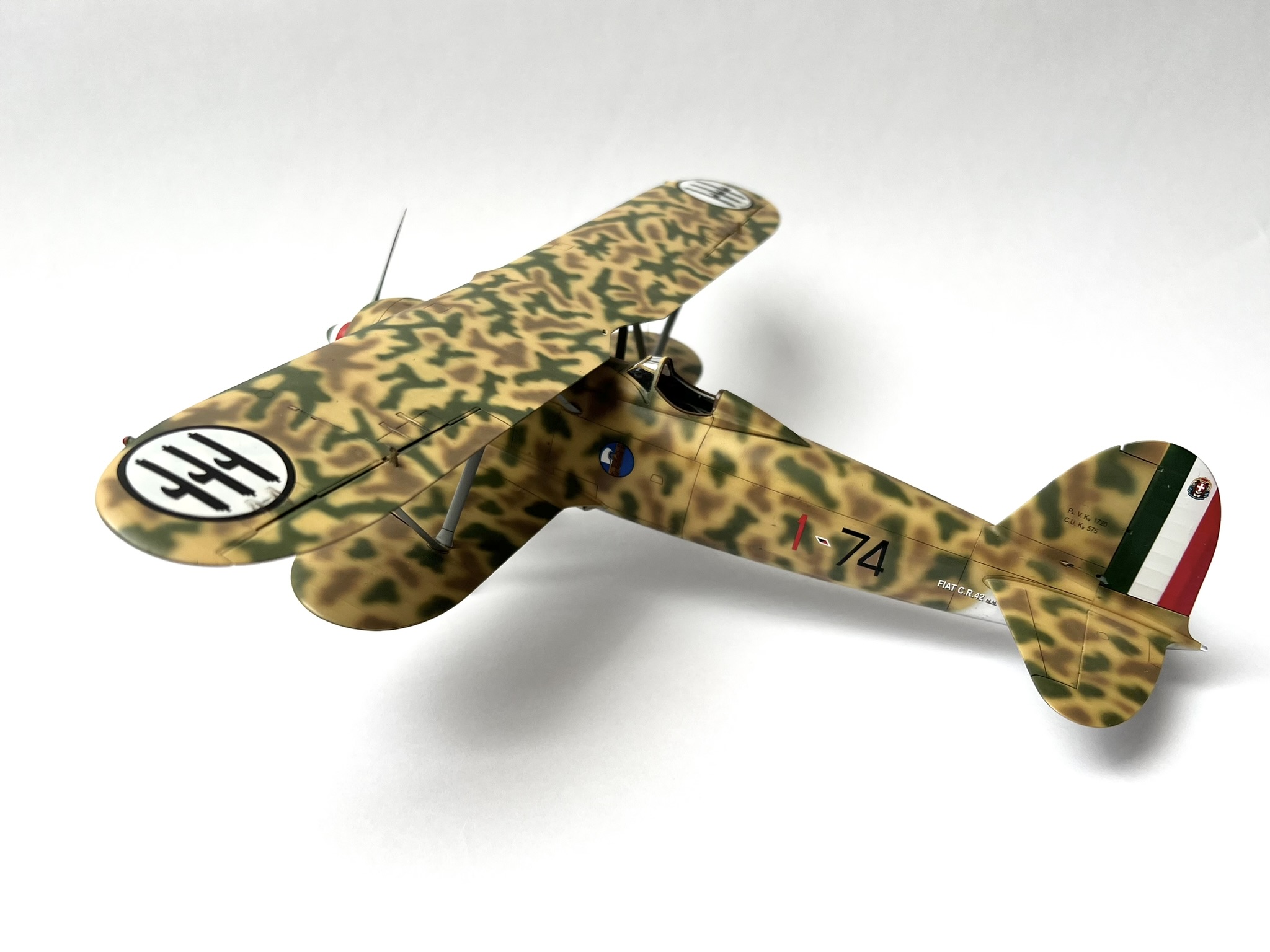
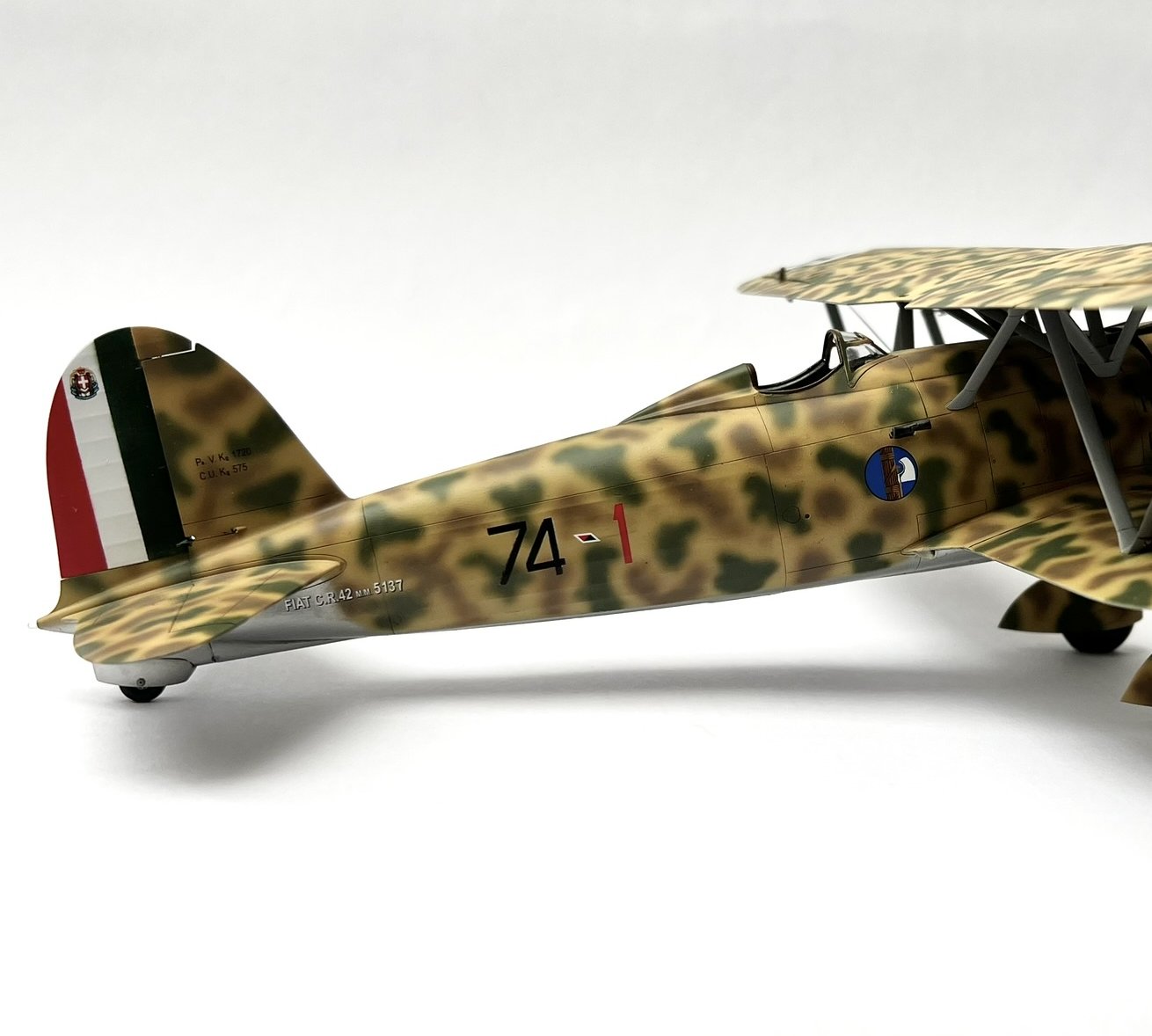
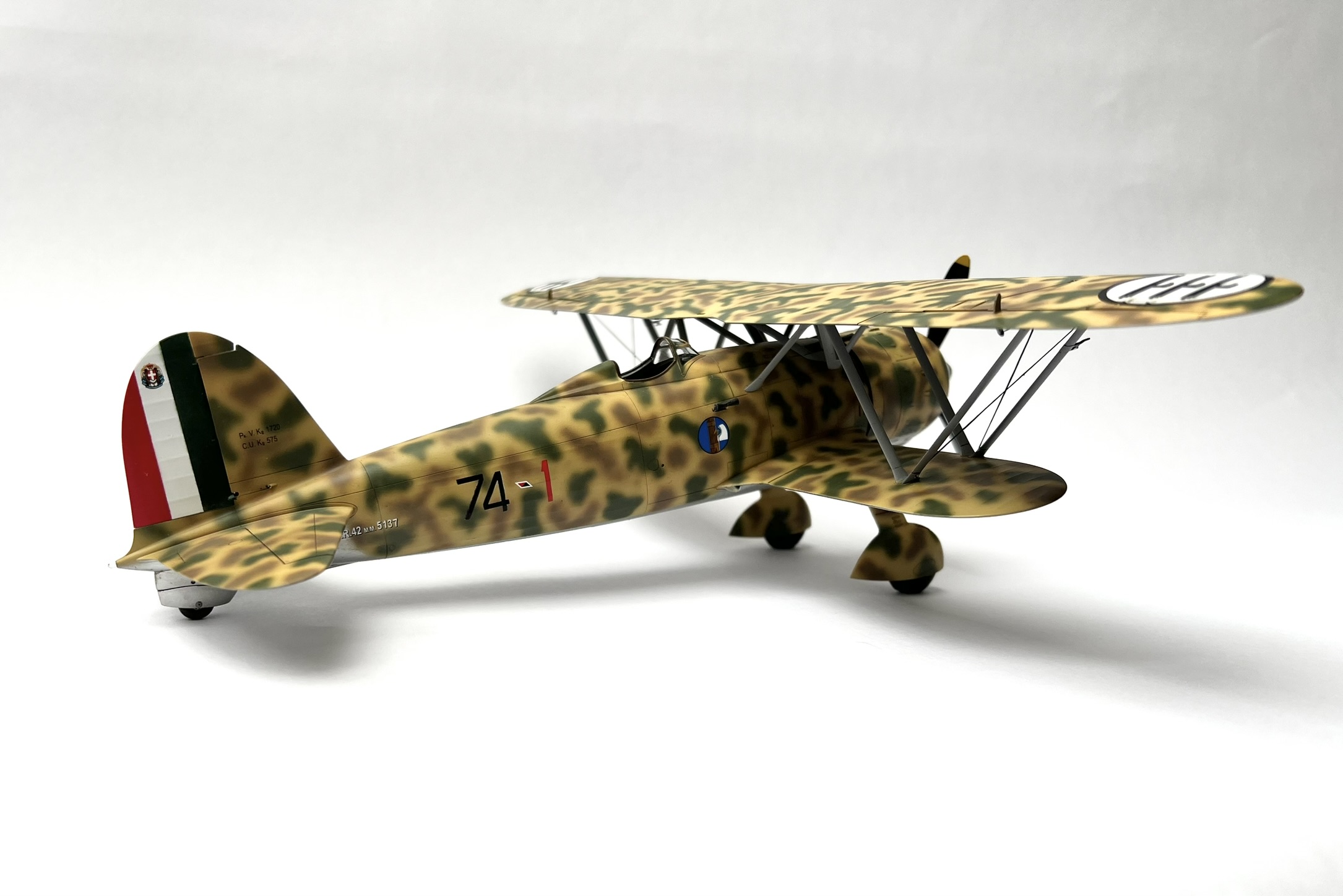
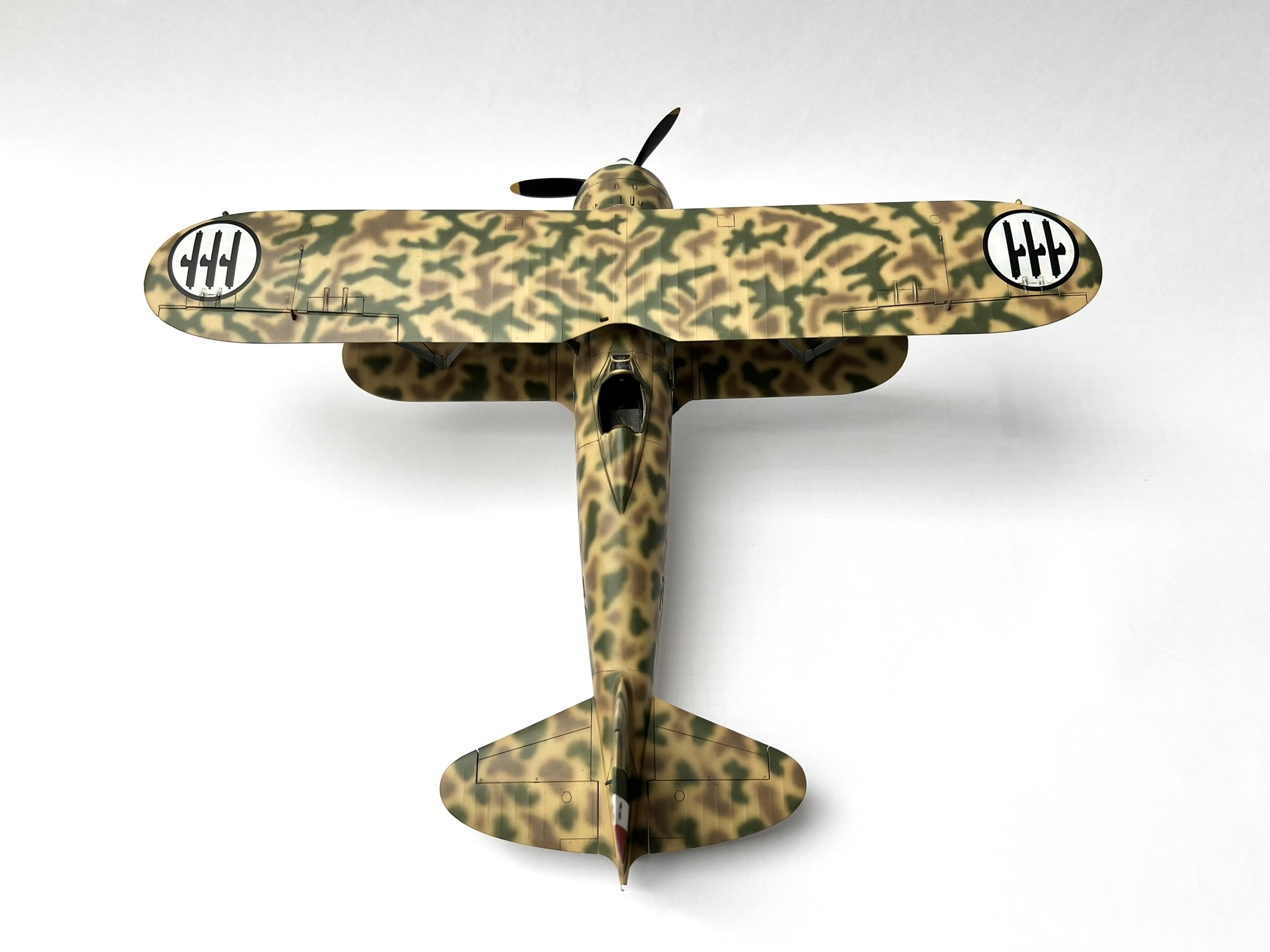
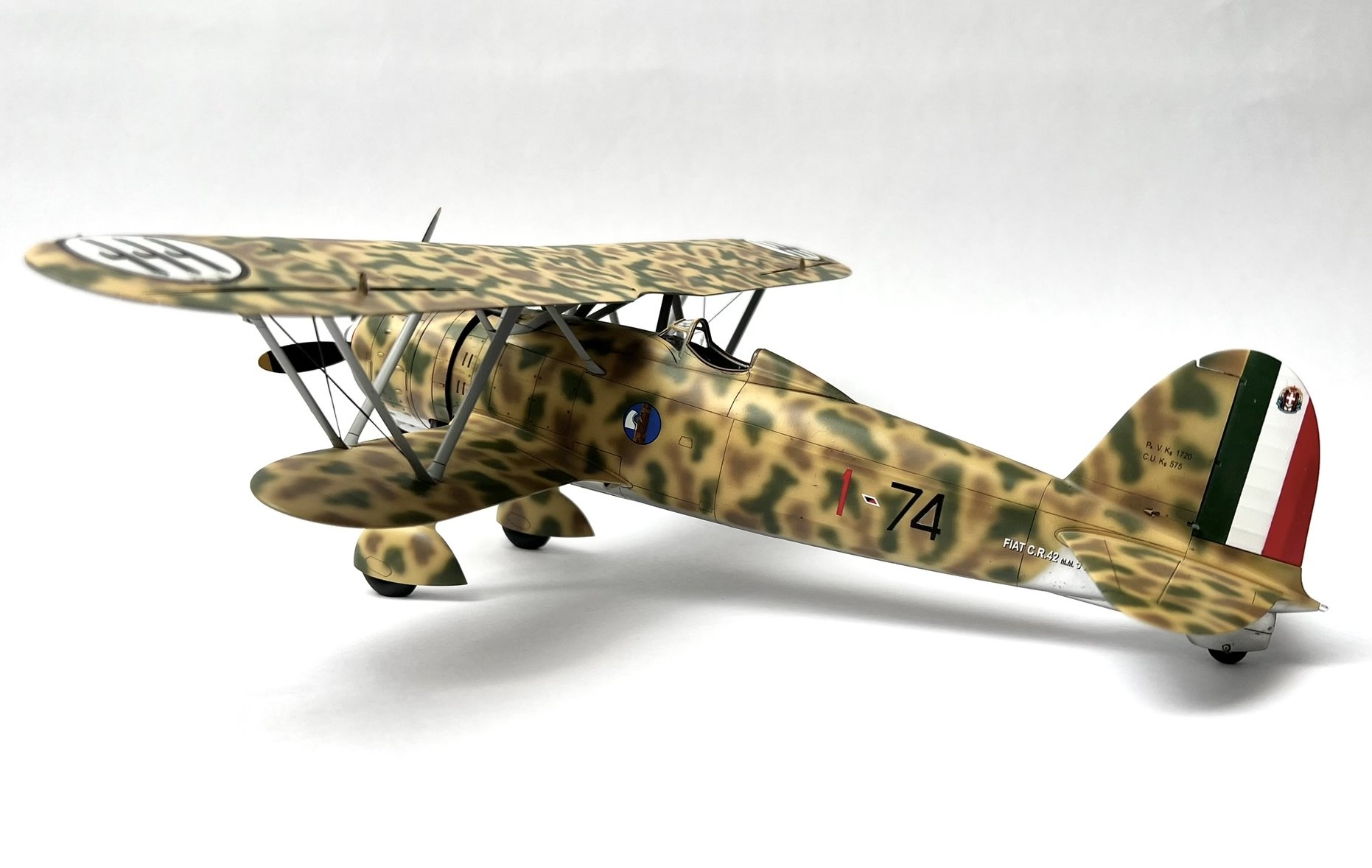
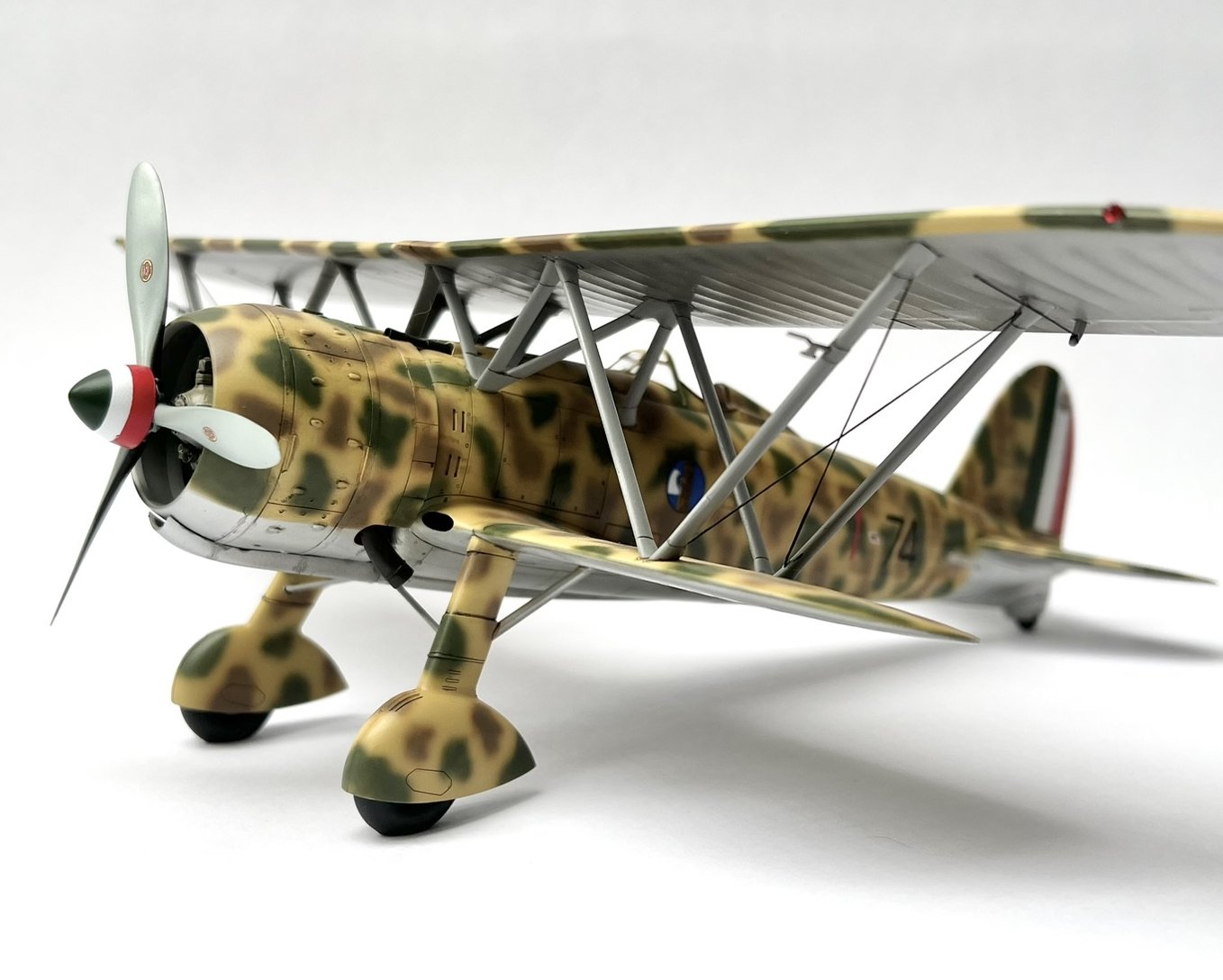
CR.42 of 74a Squadriglia in pre-war markings. Note the tri-color rudder and location of the Savoy crest, the serie mimetica colors (possible verde base) and network camo, aluminium undersurfaces, verde prop hub, black unit code and indistinguishable aircraft number. Ref. G. Apostolo, Fiat CR 42, Ali D'Italia #1, Torino, 1995.


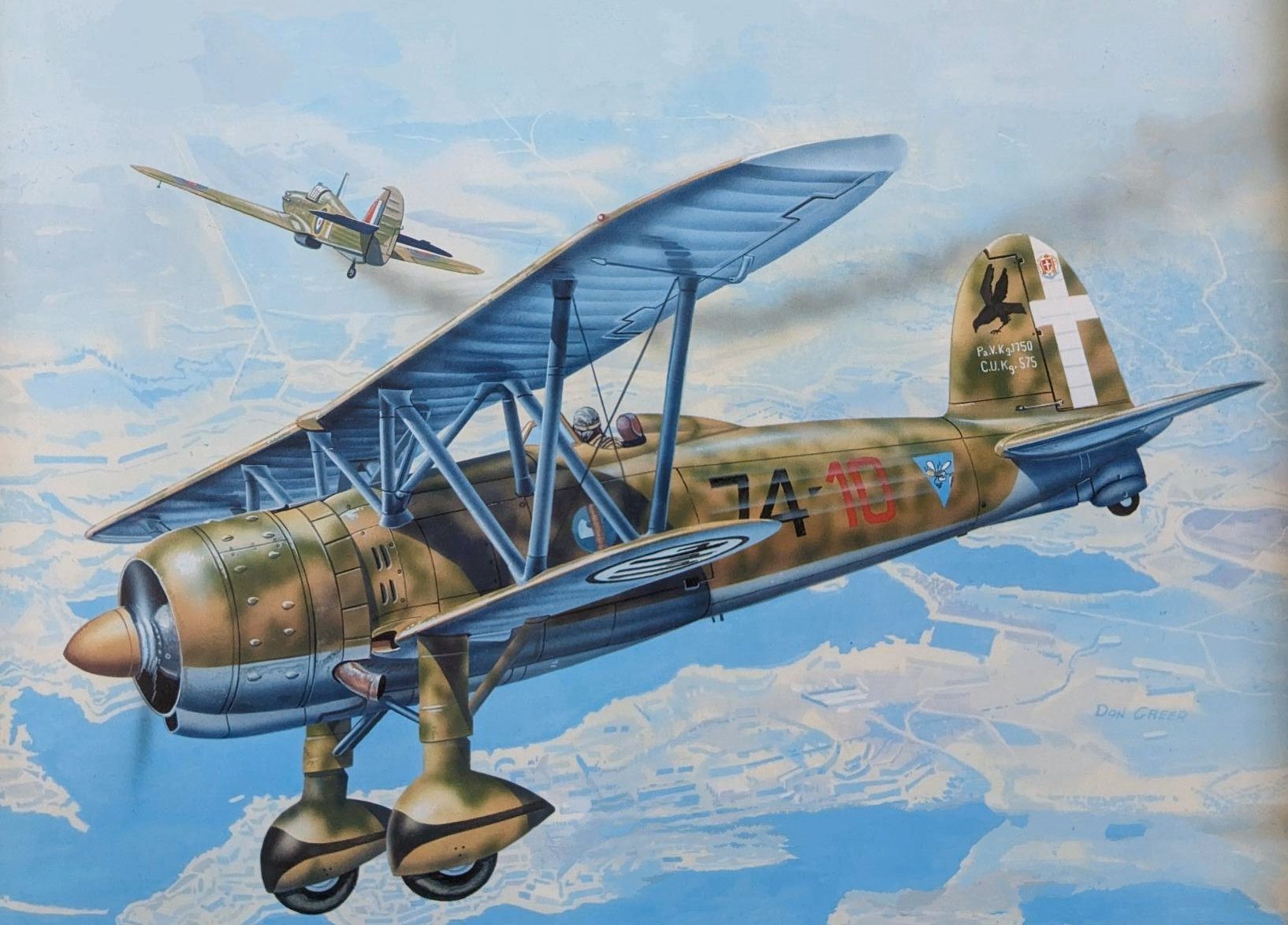
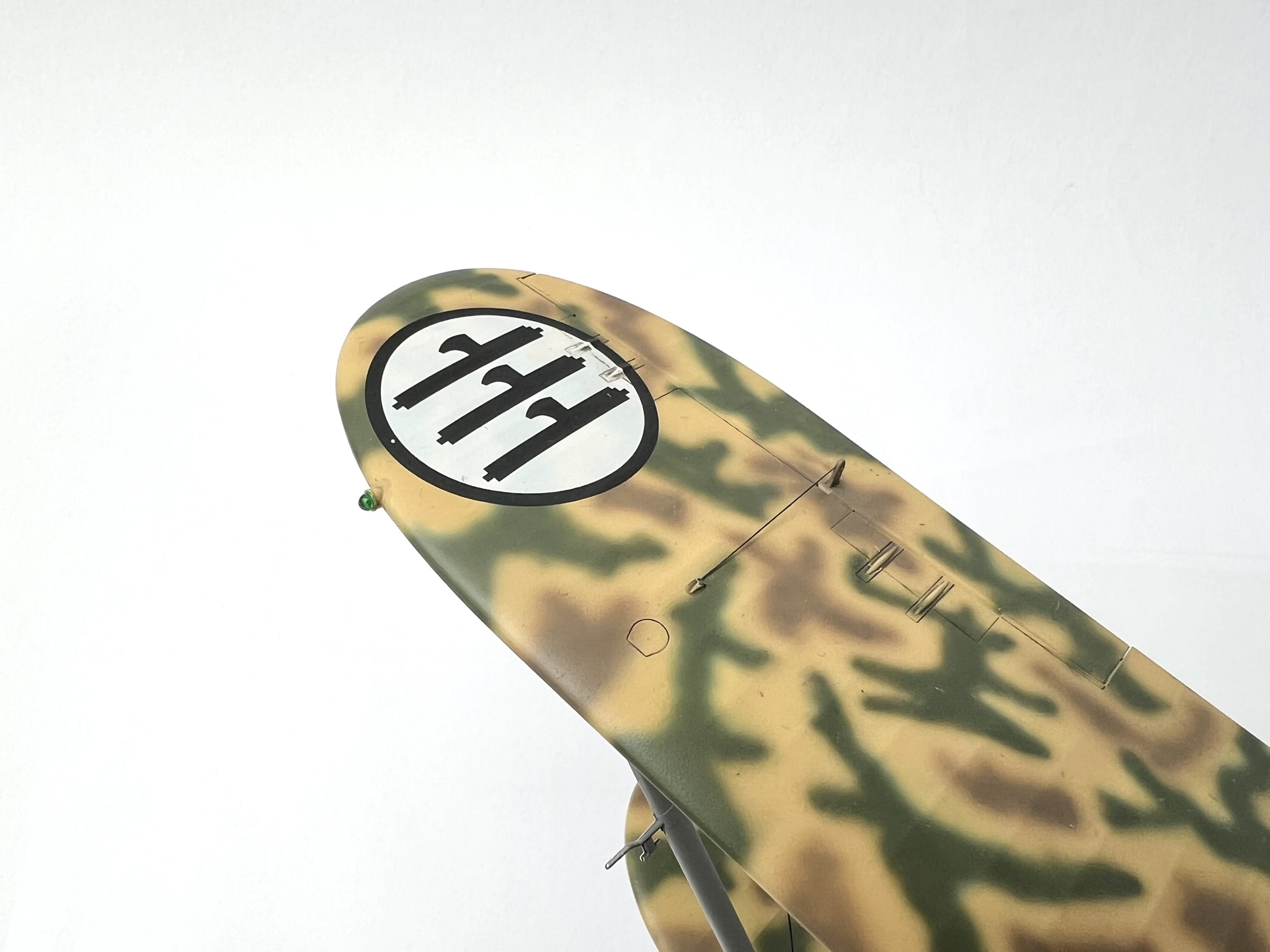
Captaino Guido Bobba of 74a Squadriglia, 23o Gruppo shot down a Hurricane flown by Plt Off Dick Sudgen over Malta on 13 July 1940. Bobba downed three more Hurricanes between 13 July and 28 November 1940 while flying this CR.42 74-10. Note the elongated tapered black pinstripes on the wheel spats, white wing tips, undewing facses with white background, Savoy cross on the rudder, unit and Stormo markings on the rudder and fuselage, red individual aircraft number and black unit code. According to orders, the Savoy cross was to be applied by adding proportional white horizontal bars over existing red and green tri colors (leaving the vertical middle-white band untouched) and camouflaging the remainder of the rudder. Artwork by Don Greer. Ref. G. Punka, Fiat CR 32/CR 42 in action, Aircraft Number 172, Squadron/Signal Publications, Carrollton, Texas, 2000.

Construction

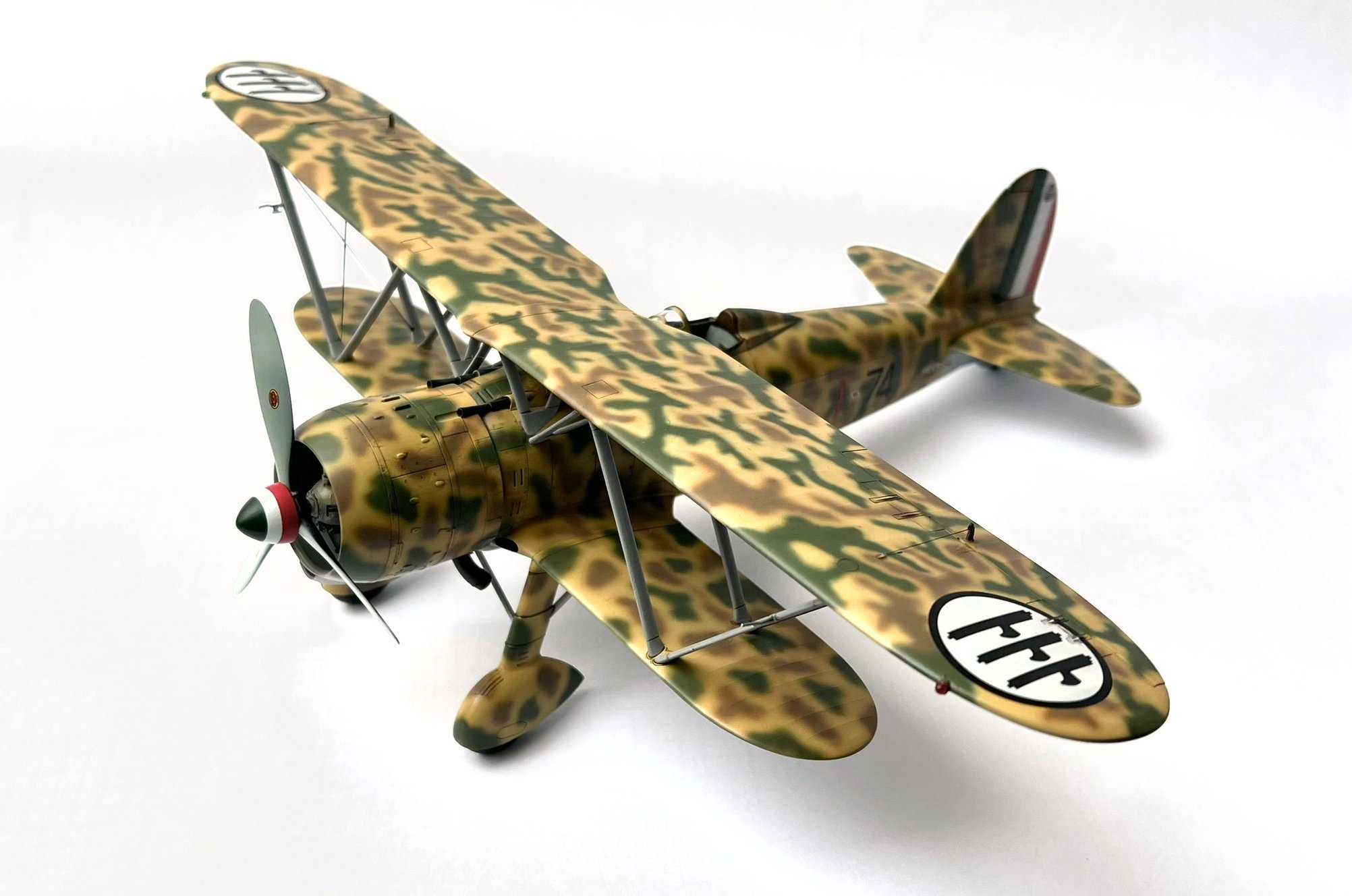
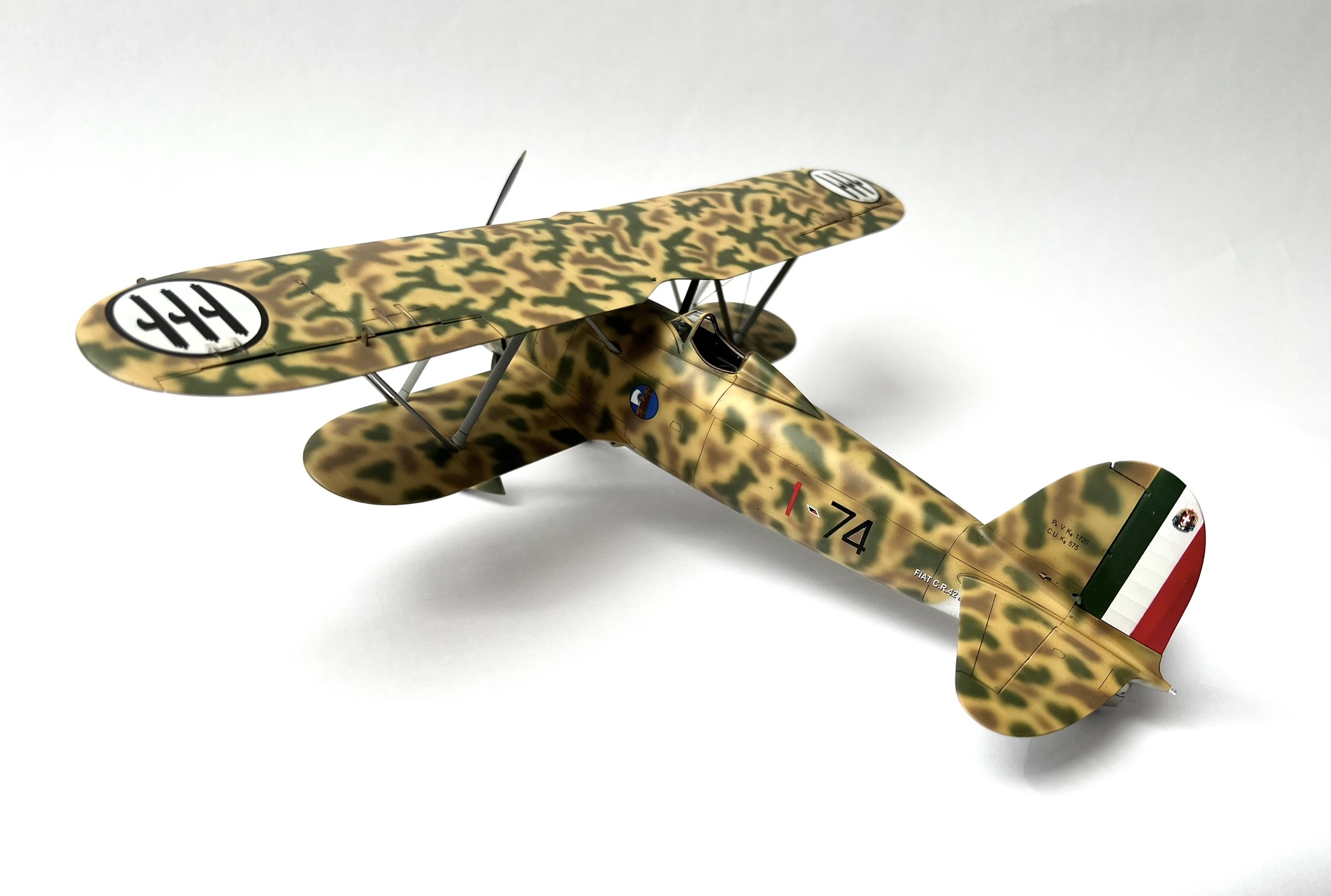
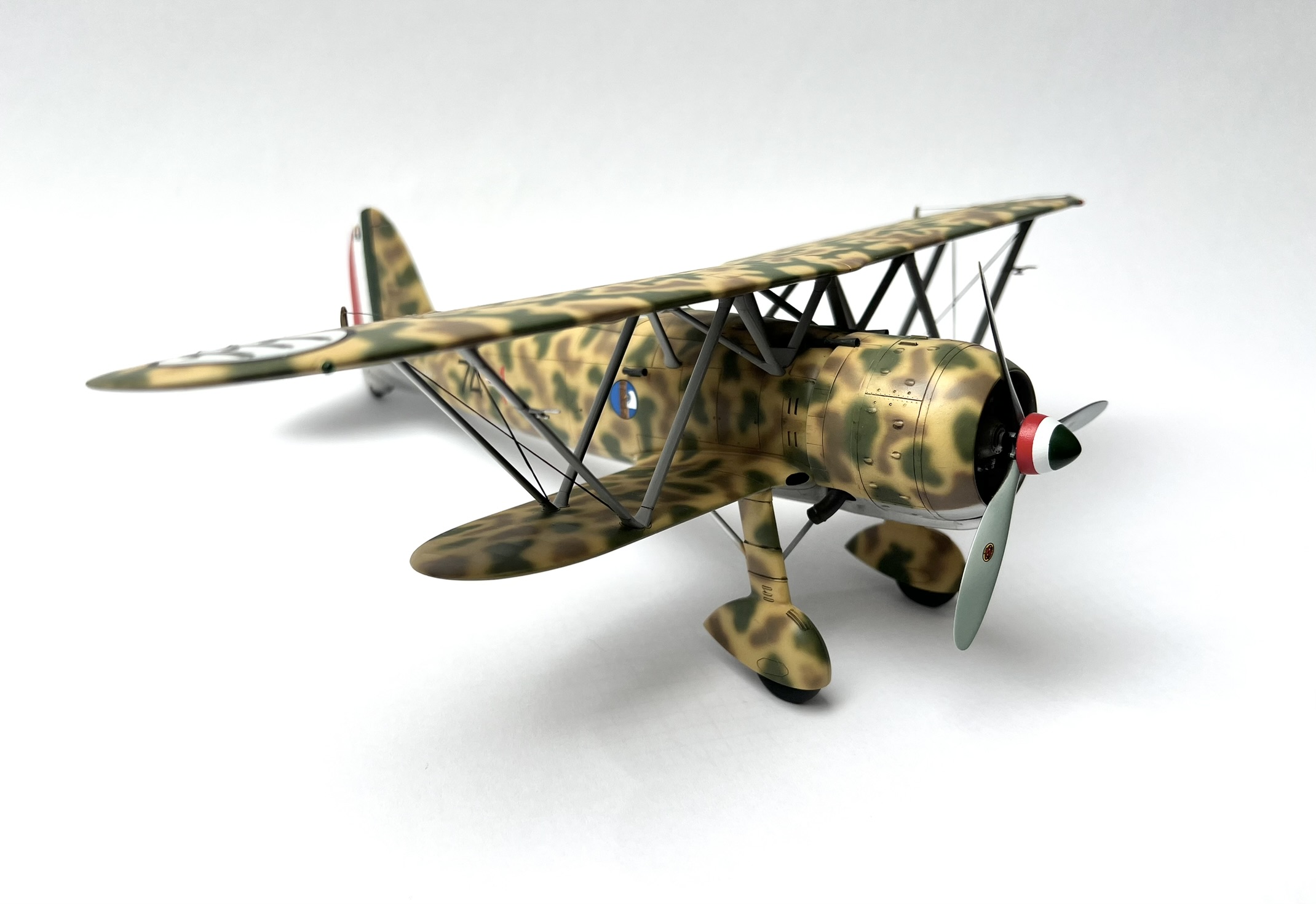
Ukrainian ICM company has better and better reputation among modelers. They have quite impressive and interesting offer, very good quality and acceptable pricess. One of representatives is ICM 1/32 Fiat CR.42 Falco. In this scale it’s the first injection molded kit of this iconic WWII Italian fighter. There is still available 1/32 resin kit made by Silver Wings – although of remarkably good quality but demanding advanced modeller’s skills to build.
I wanted to build this kit just so… no stress (hopefully), no extra time spent on riveting, almost no extra parts, etc. What was in the box gave me hope to fulfill my dream.

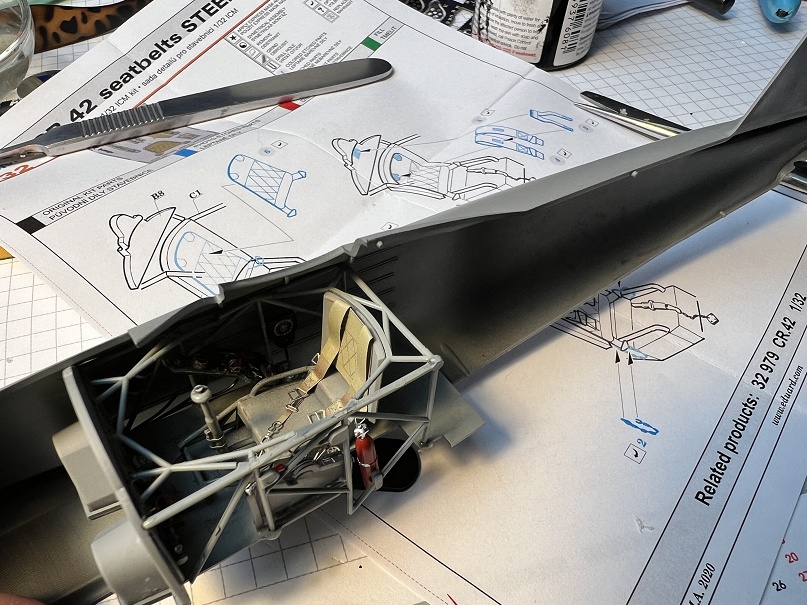
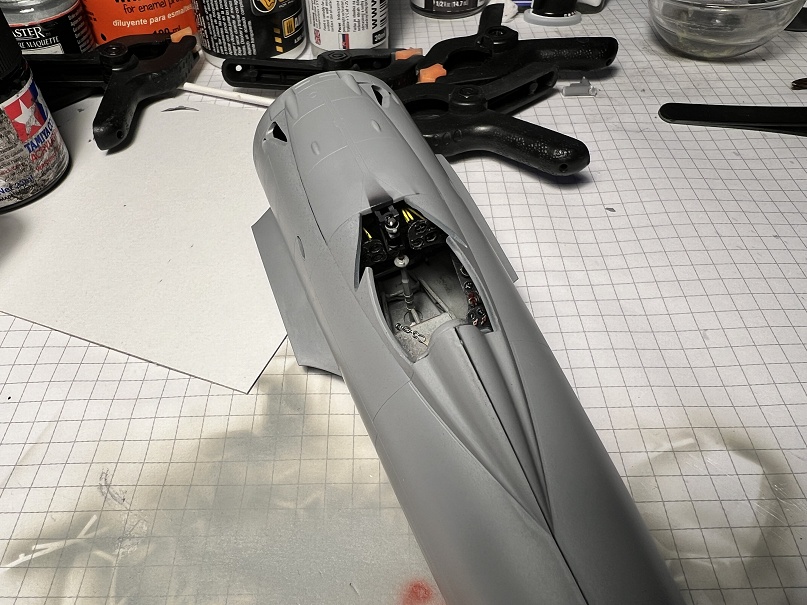
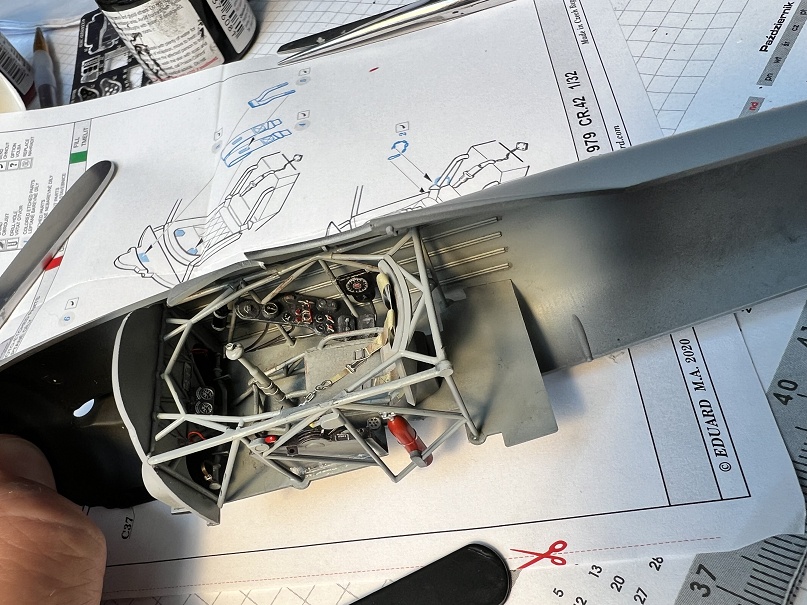
I started with the cockpit – what a surprise! There are plenty of details there – actually the cockpit is a kind of model itself. Some time ago I bought Eduard’s PE fret for CR.42 cockpit so I decided to use it but in my opinion it is really not necessary. Level of detail in ICM kit is impressive. Some small details are lacking but they’re quite easy to do even without extra PE parts. The most valuable PE elements were seatbelts because there are no such parts in ICM kit.

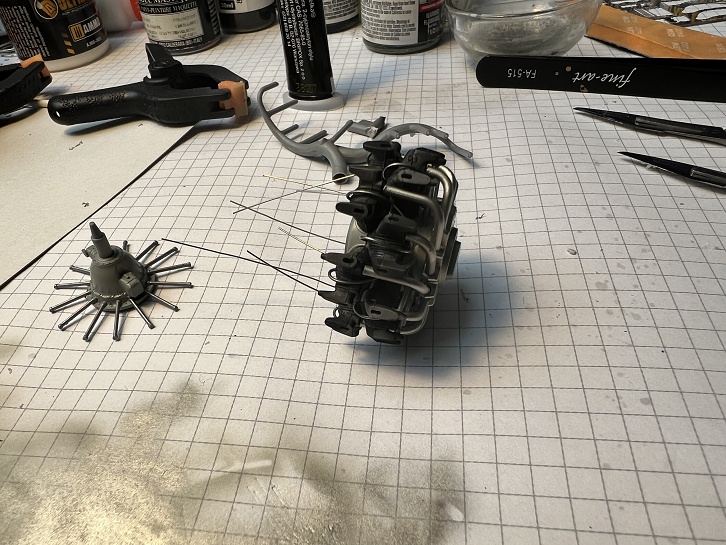
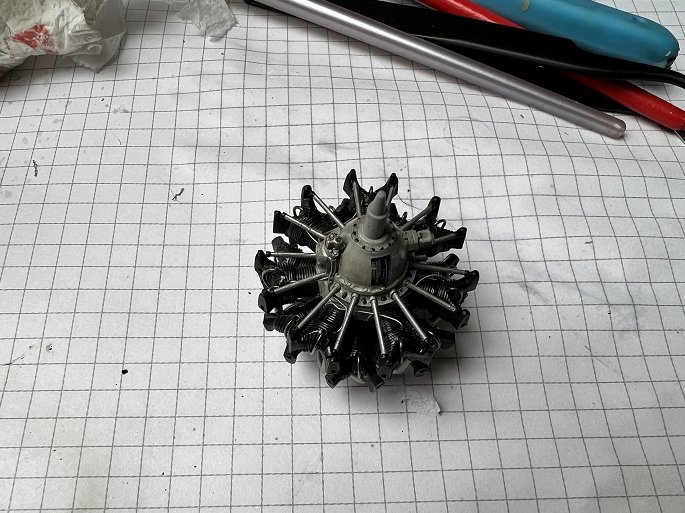
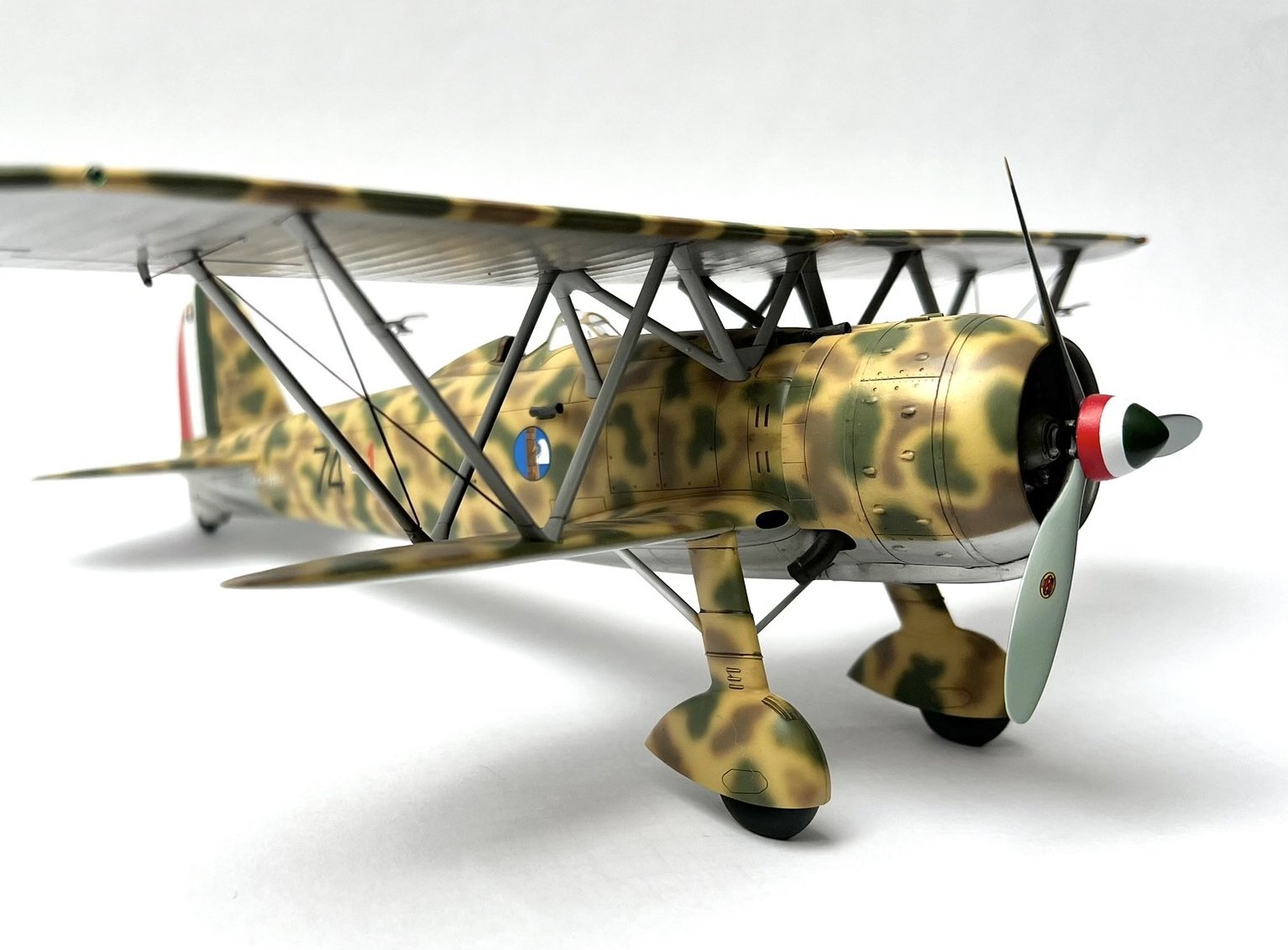
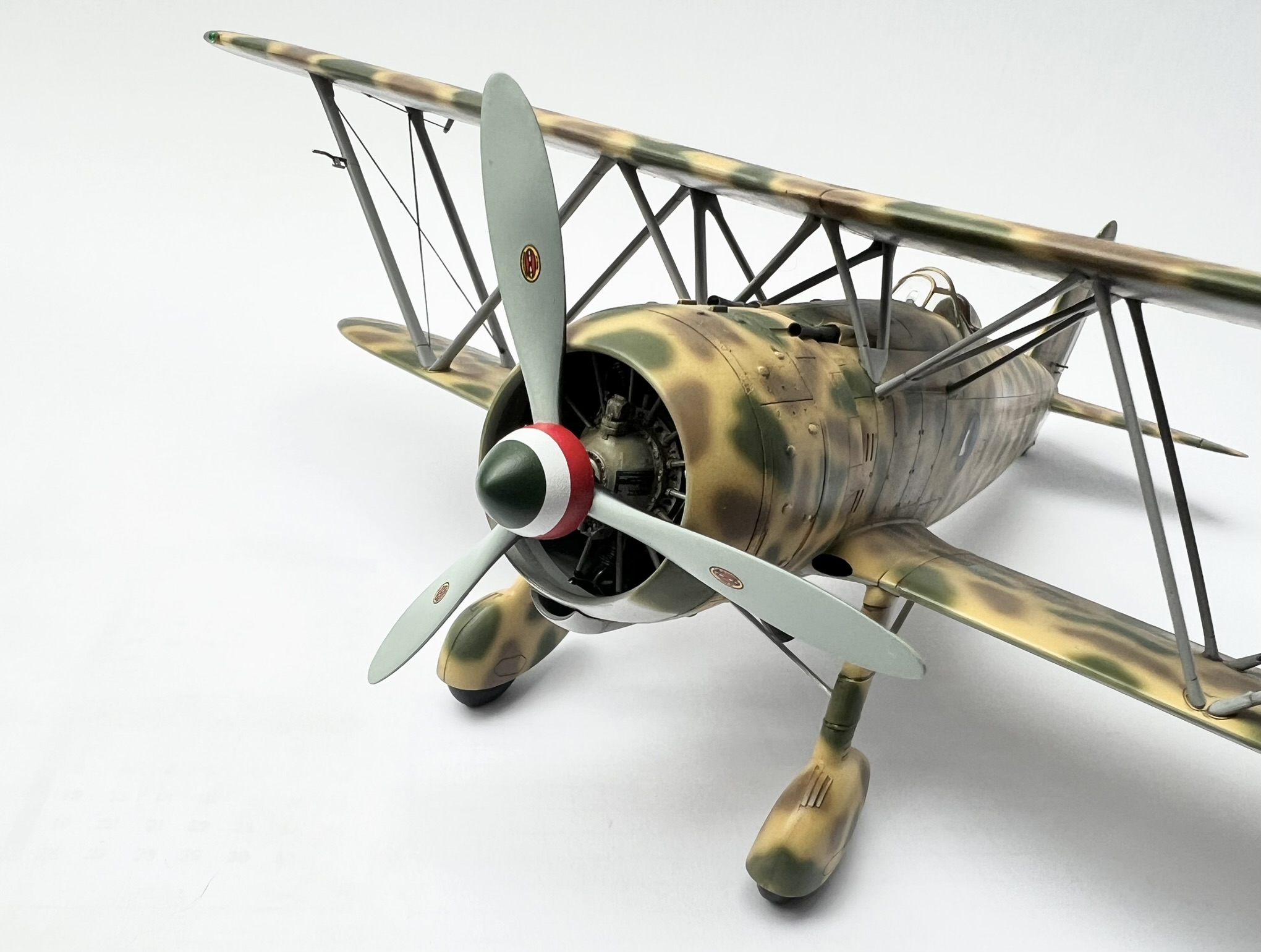
Next step was building of aircraft’s engine – ICM did really good job here. What you’ve got in this kit is a really good replica of Fiat A.74 14-cylinder air-cooled engine. Another ICM supplied “model in a model”. I just added some wiring and paint all thing.

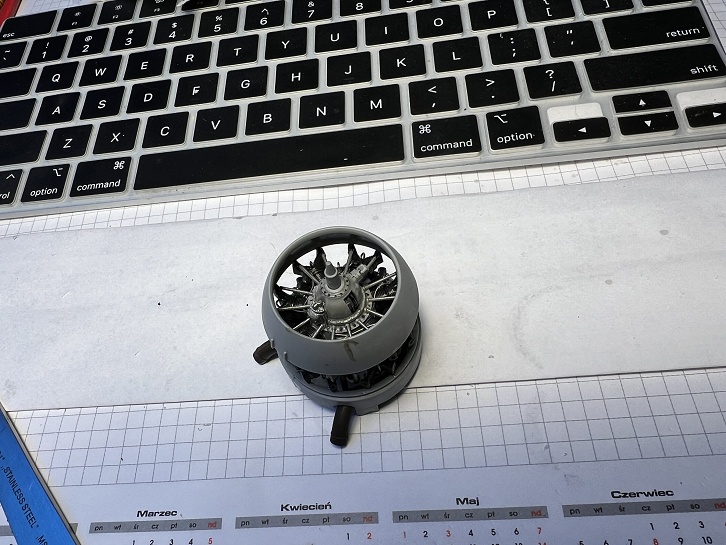
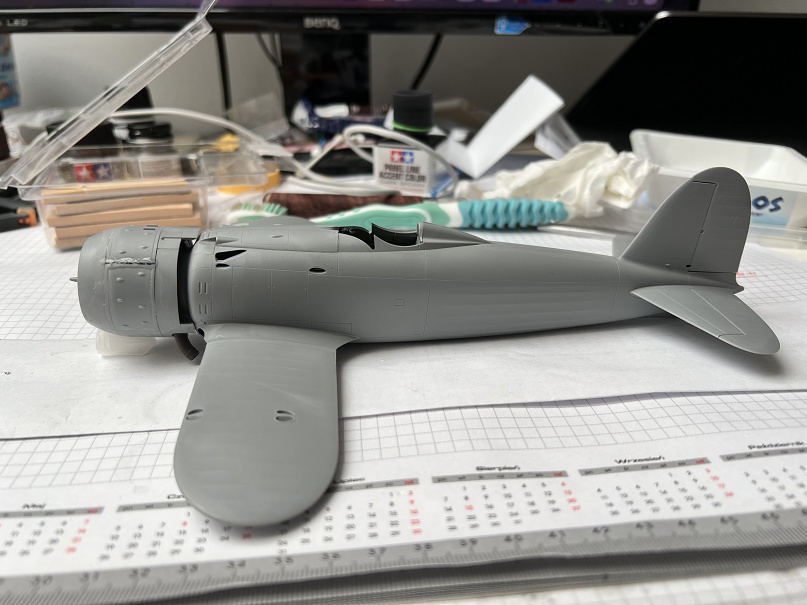
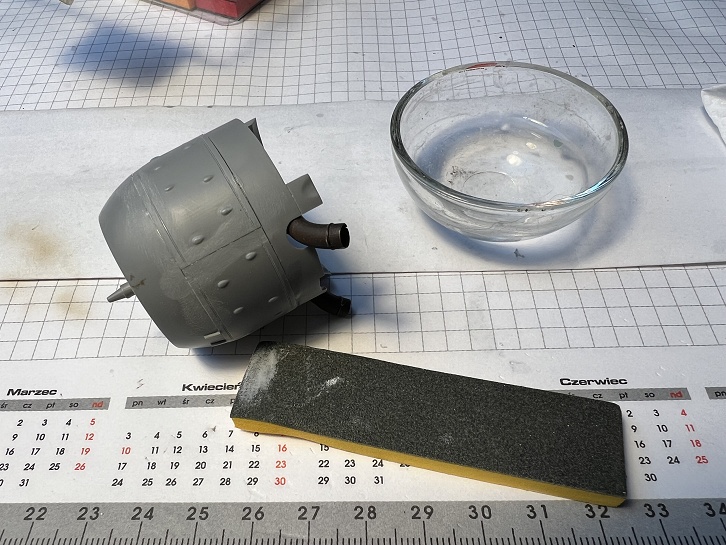
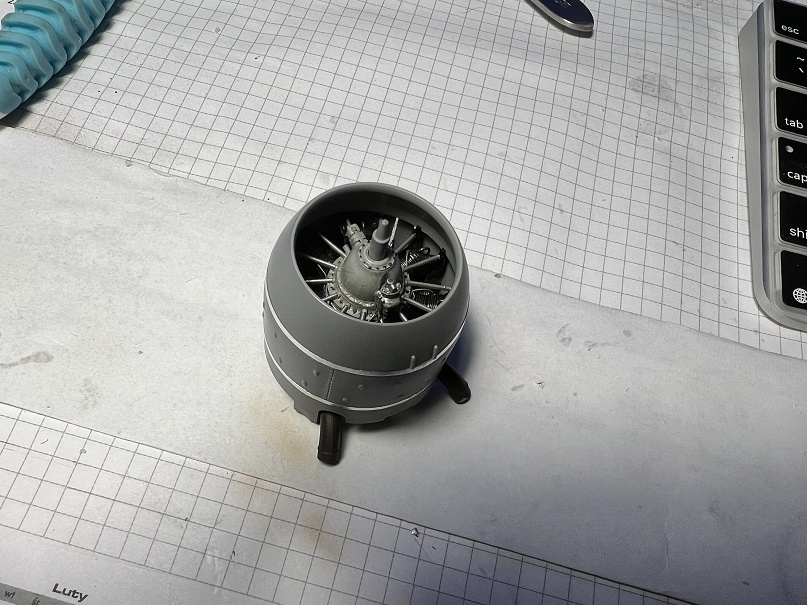
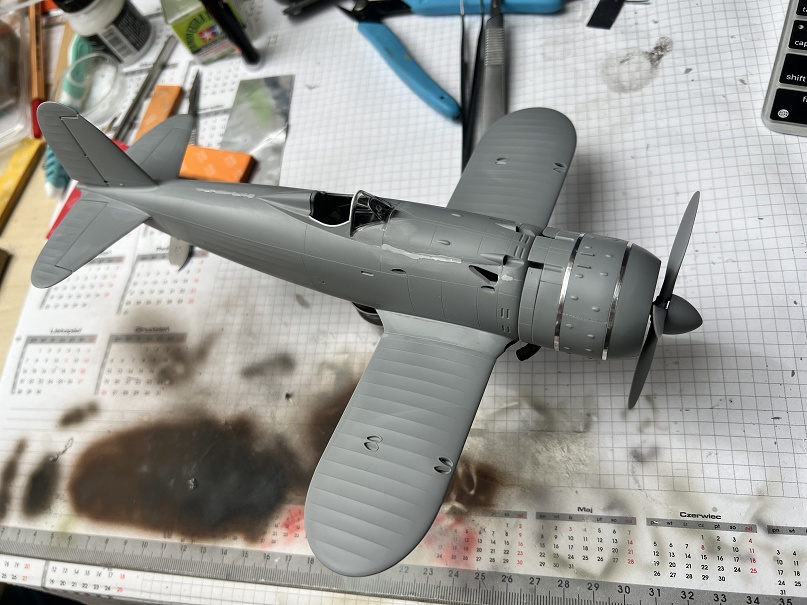
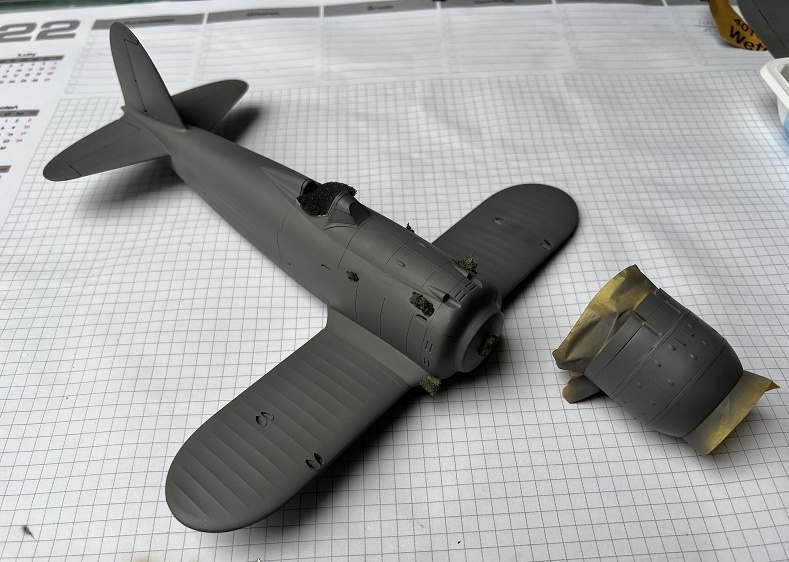
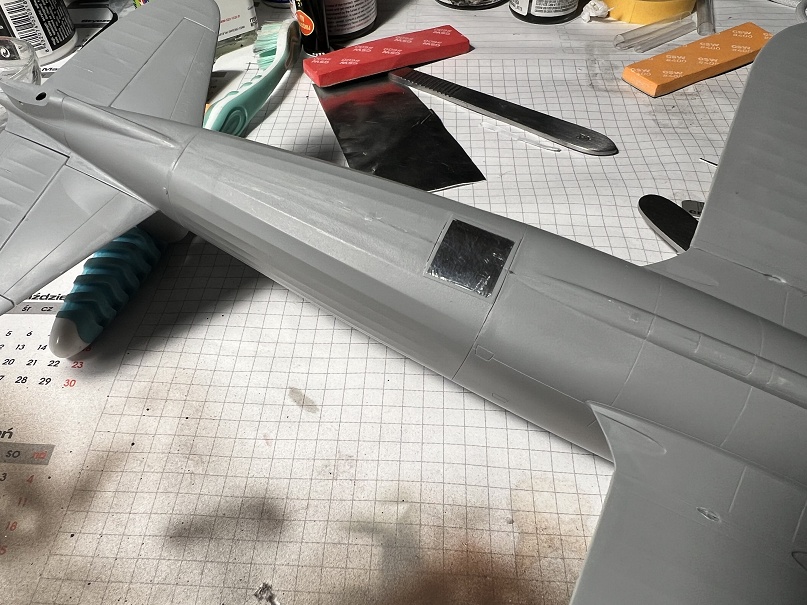
The rest of the build went straightforward. Fit of the parts was extremely good – no putty was required. At final stage I just made few small corrections with Mr. Surfacer – that’s all. One and only thing which needed some extra work was engine’s cowling panels. Obviously ICM designed this kit in open-panel version to exhibit engine with all details. I had to carefully fit all panels together, adjust them and fill the joints. Sanding and polishing destroyed some of panel lines so I had to recreate them – both using a scriber and using self-adhesive aluminum foil. The result seemed to be quite satisfactory.

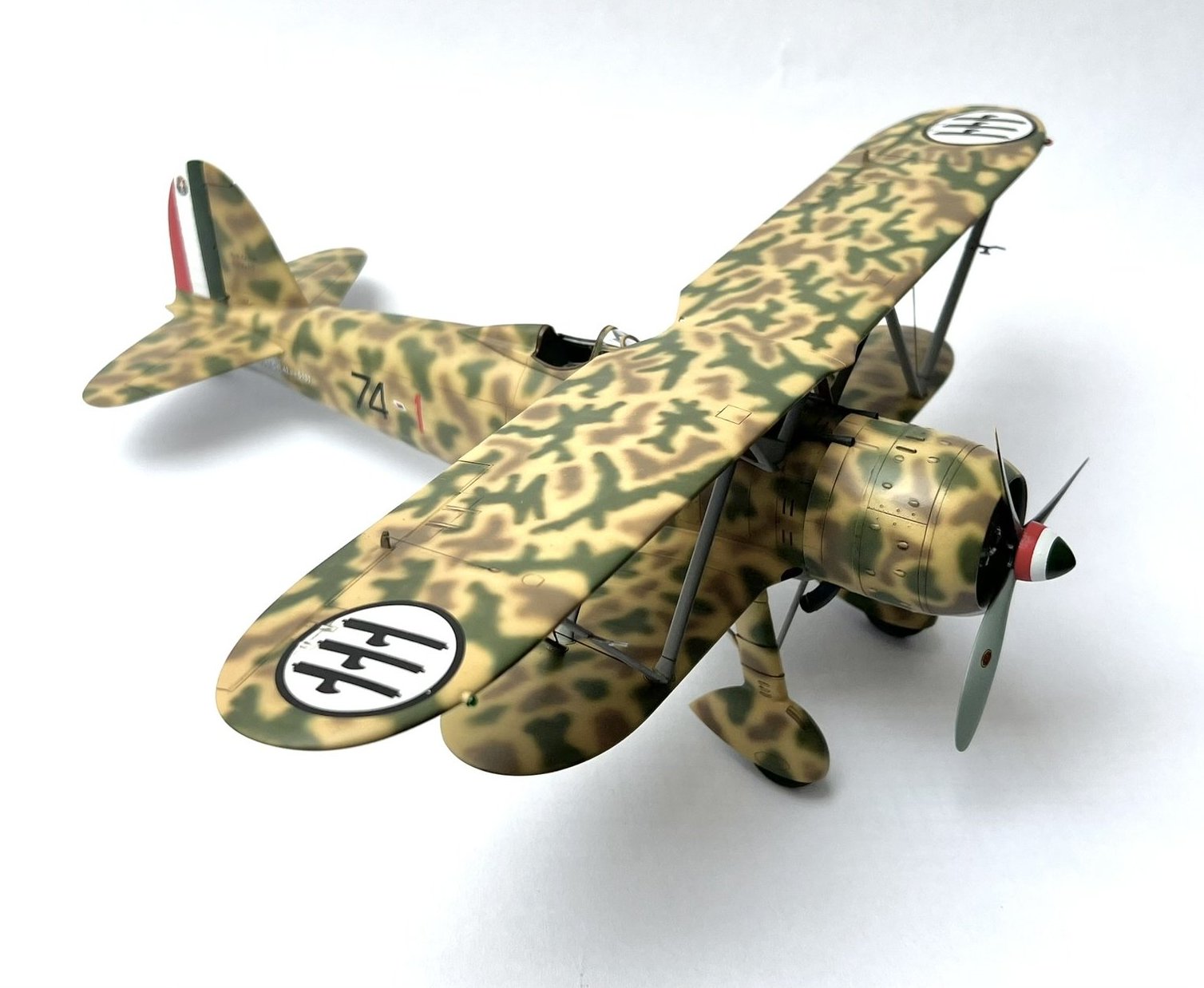
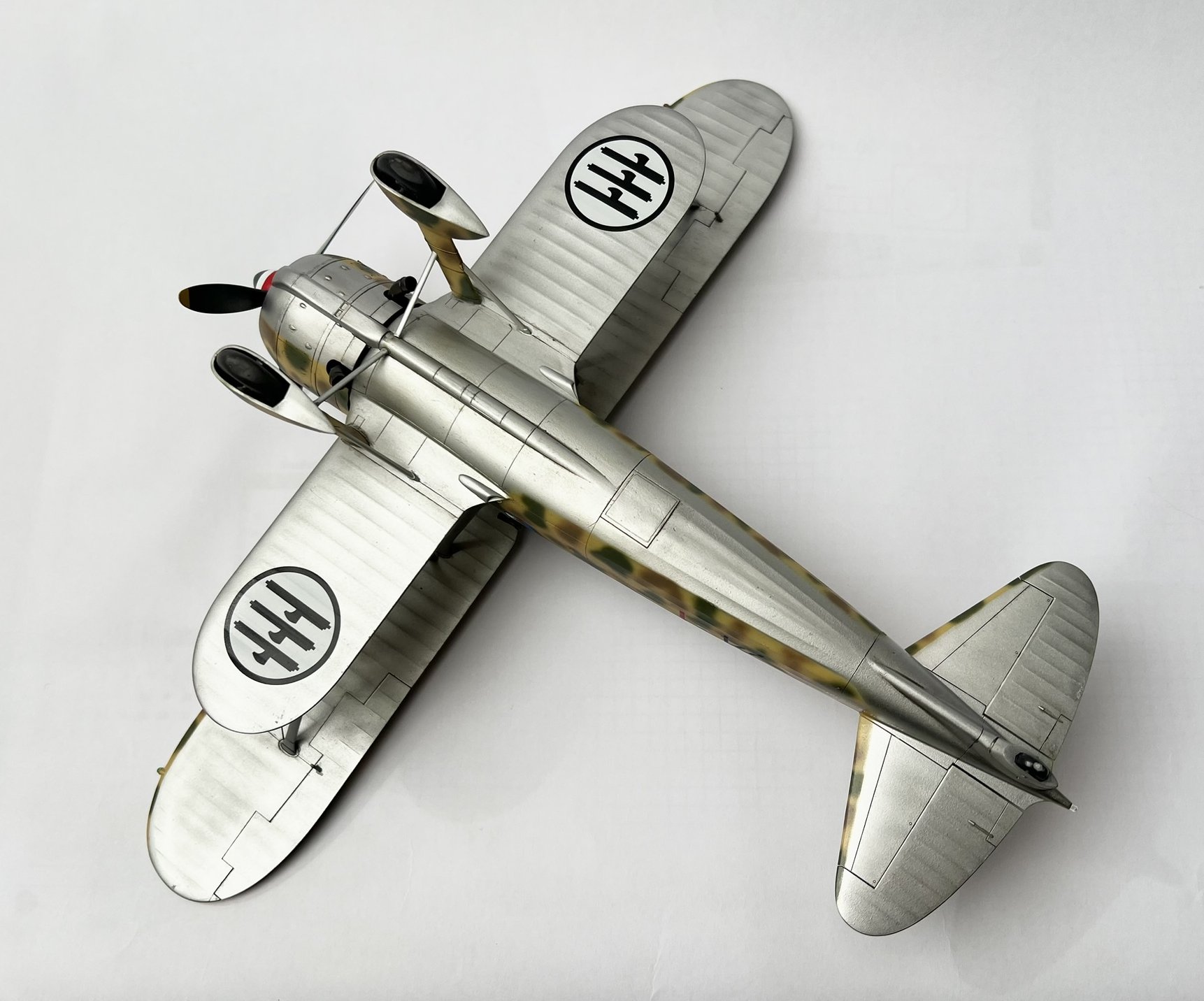
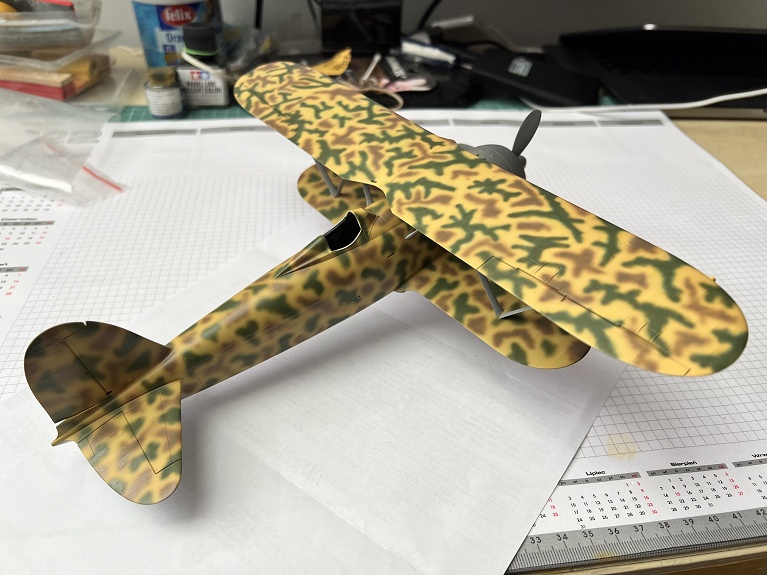
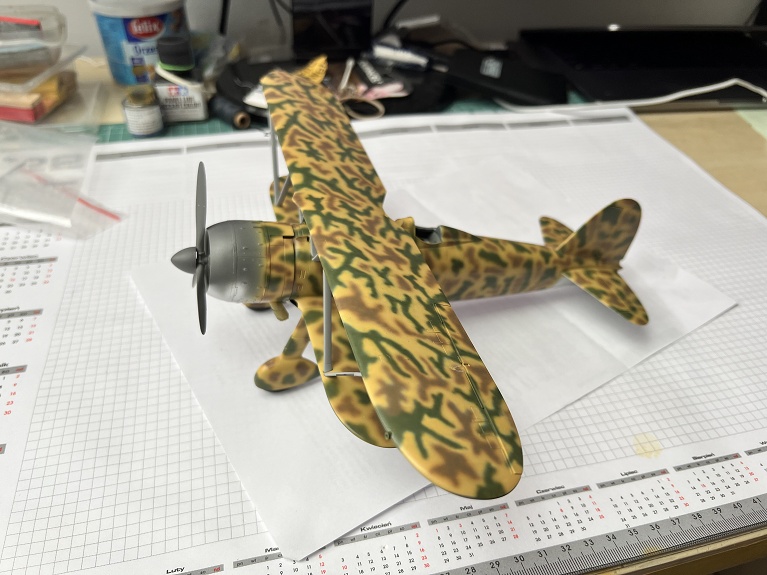
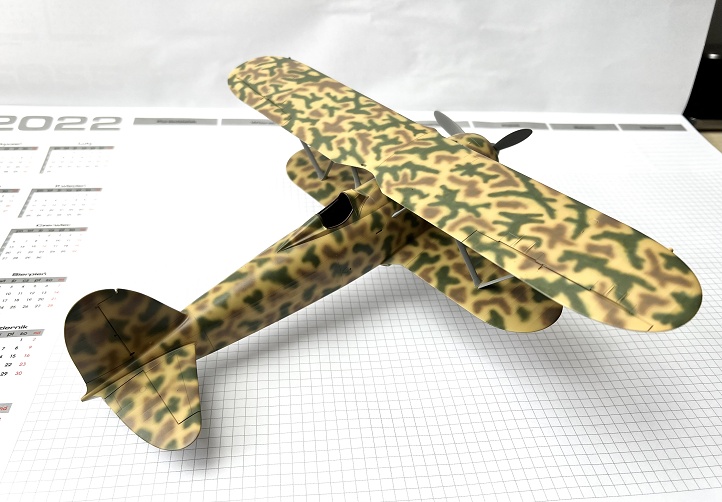
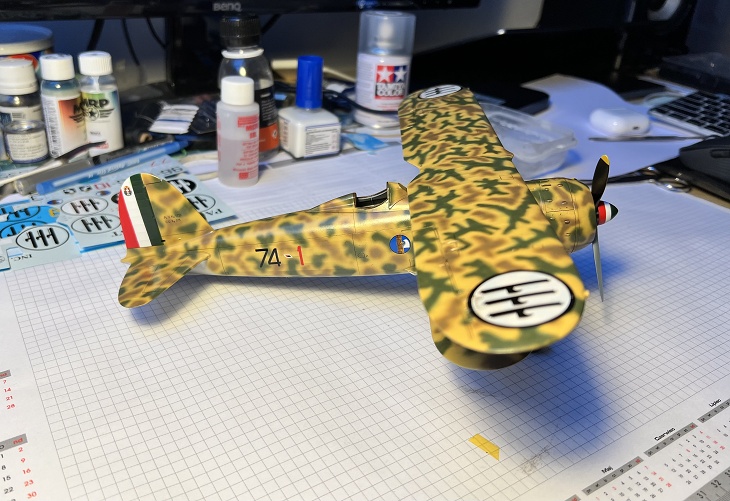
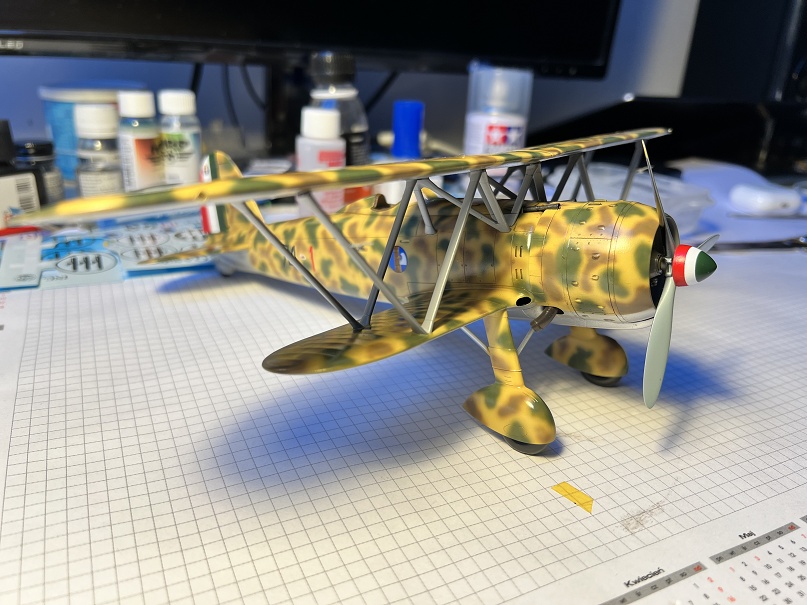
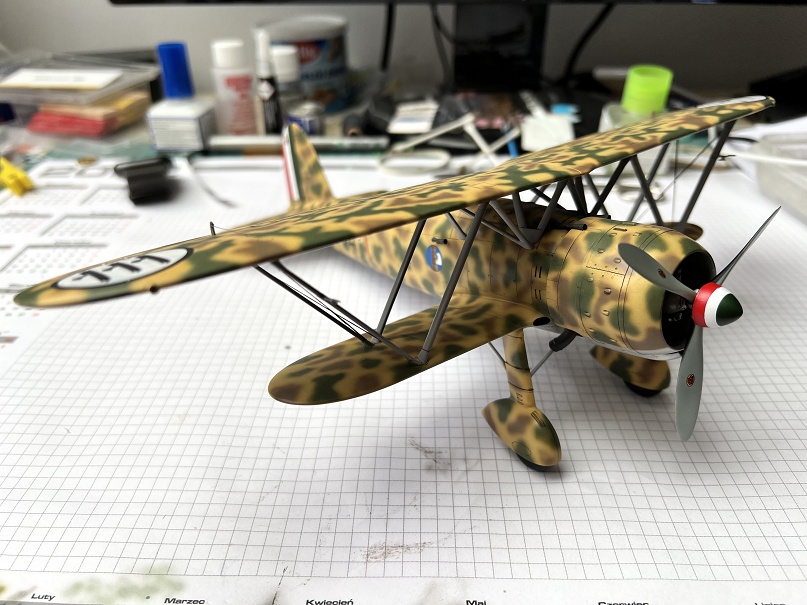
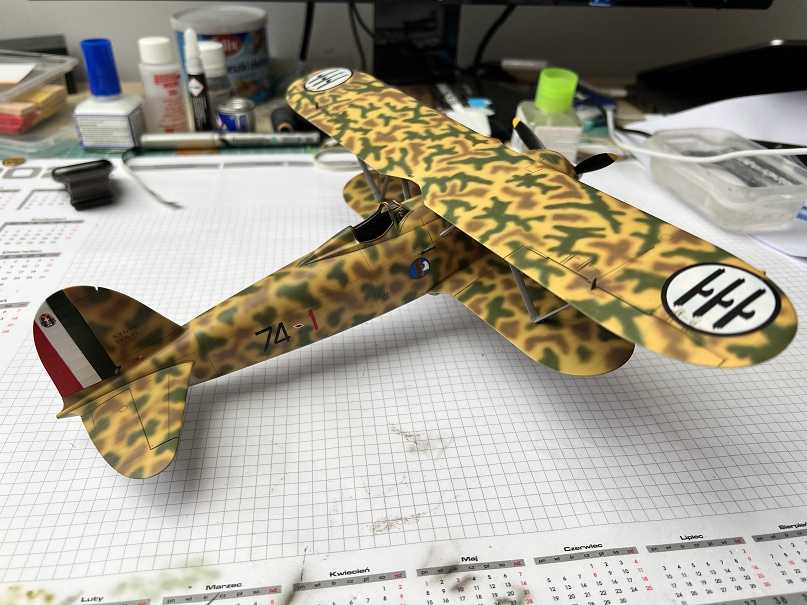
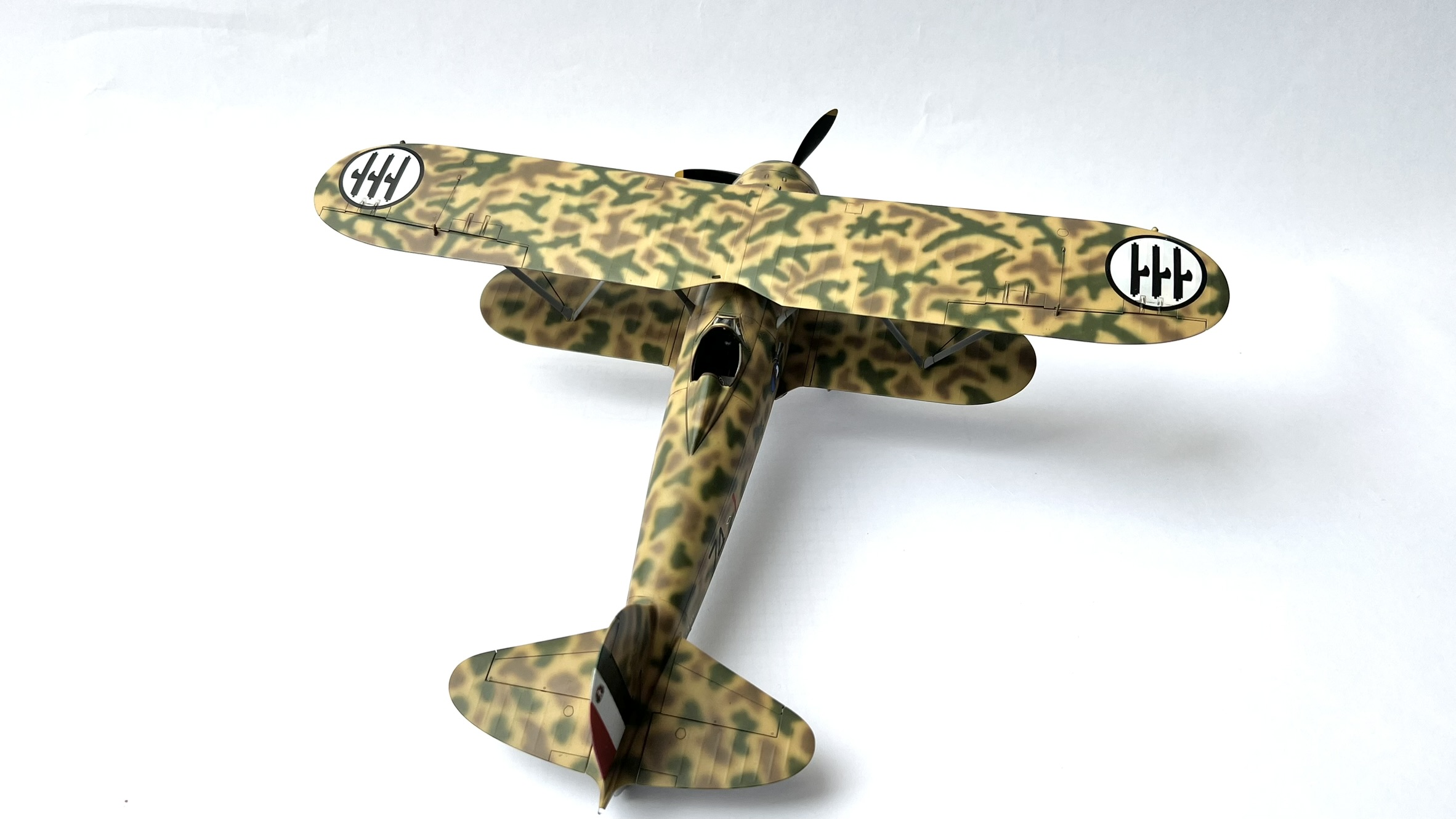
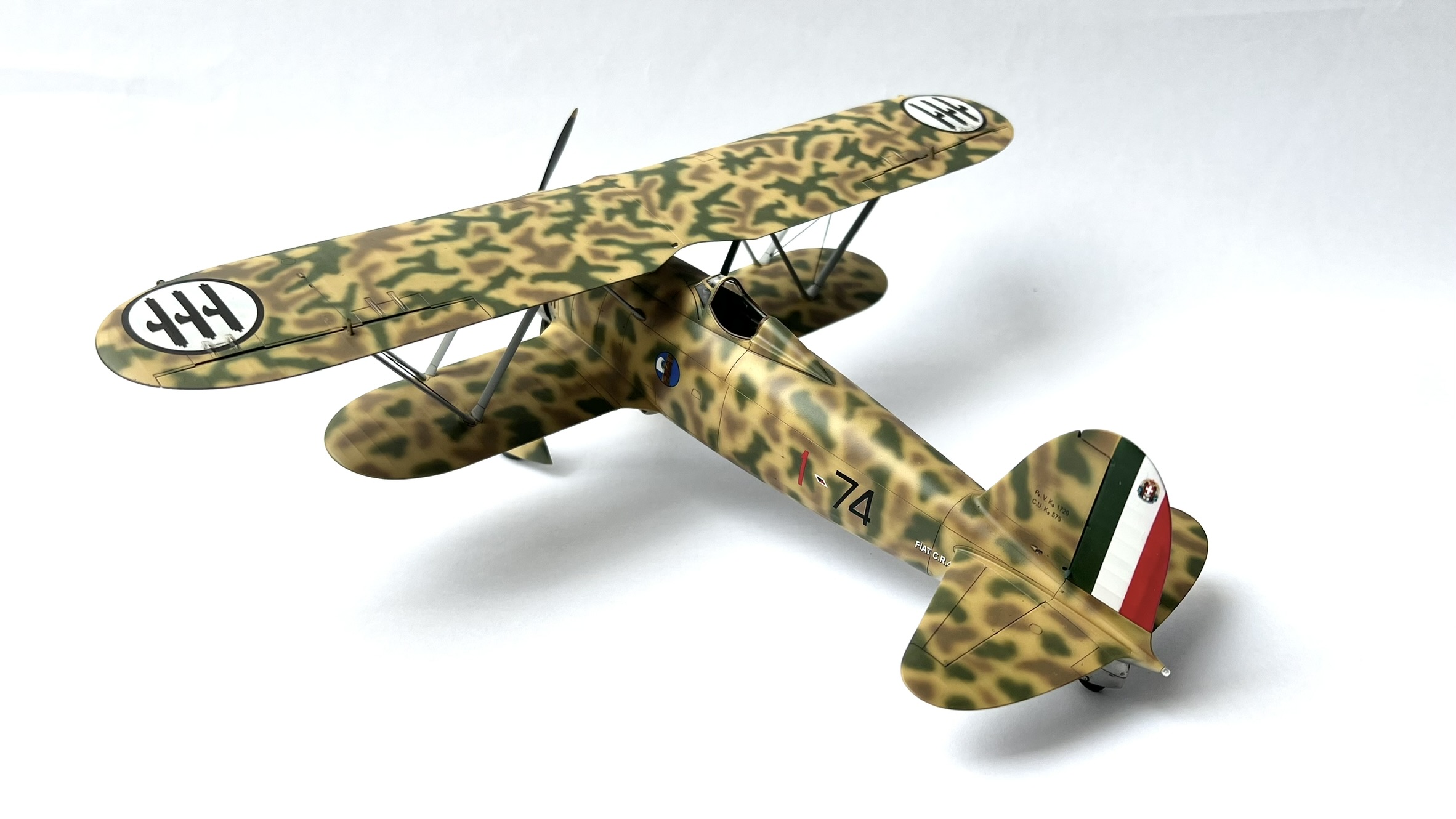
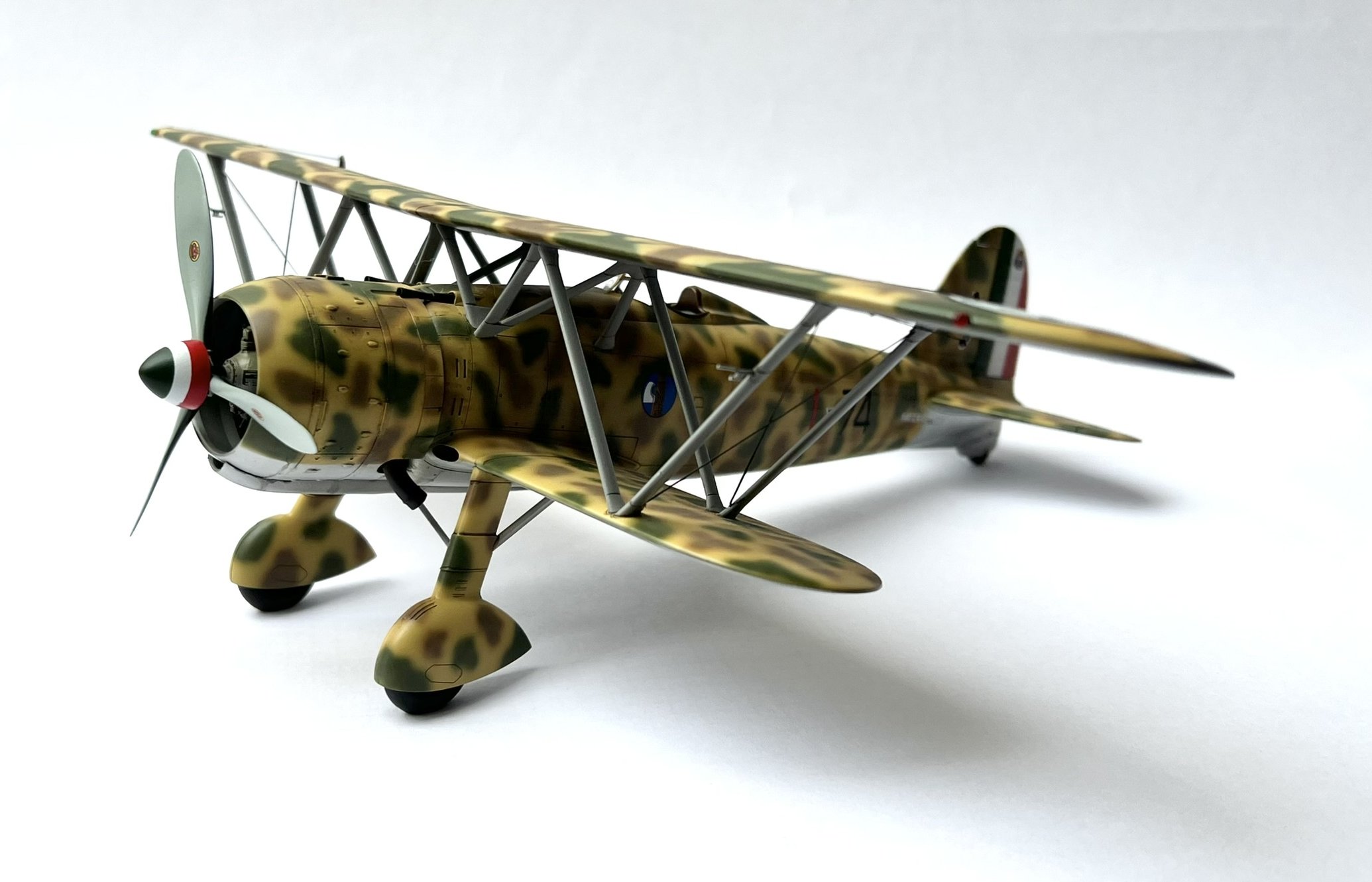
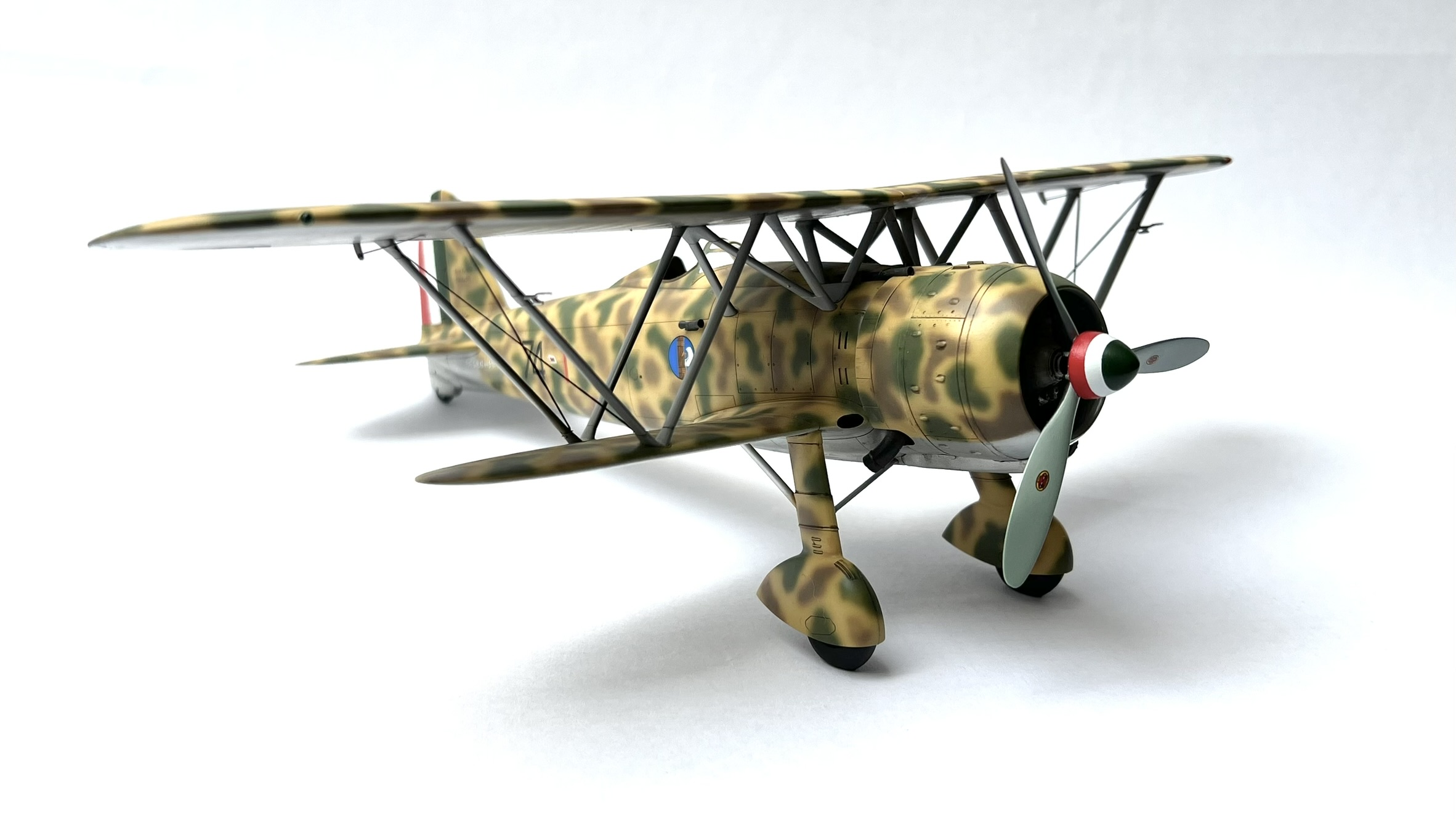
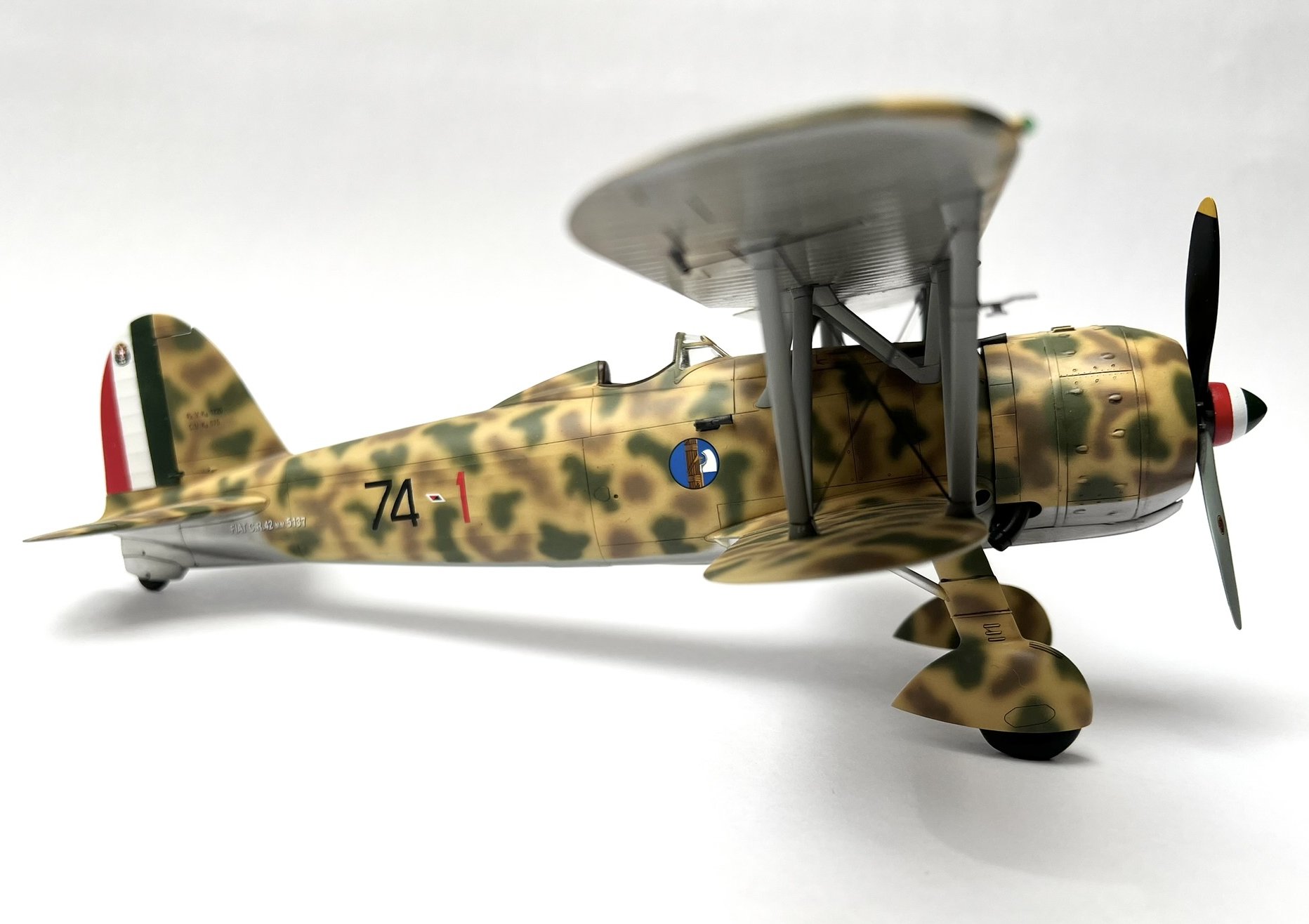
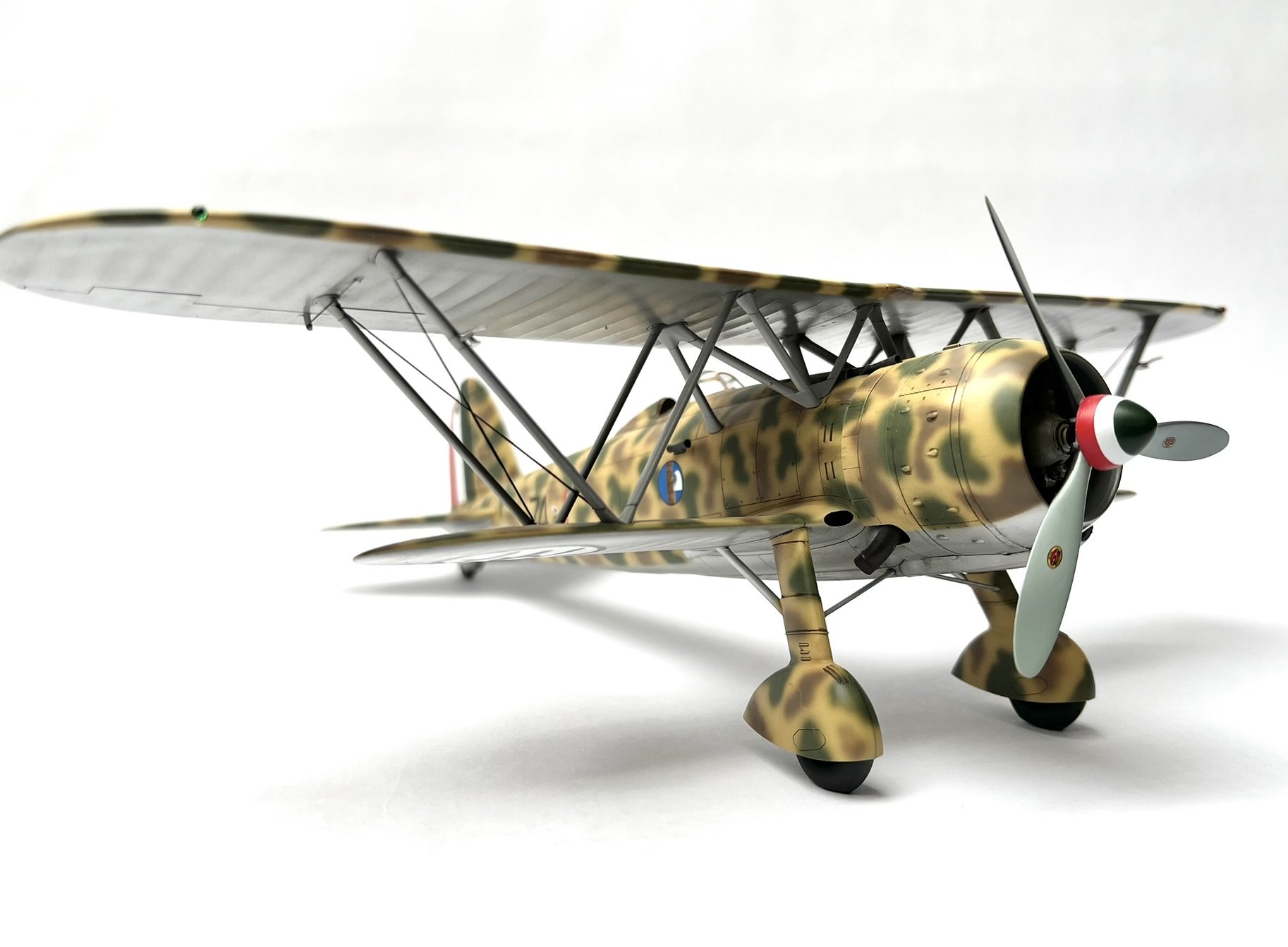
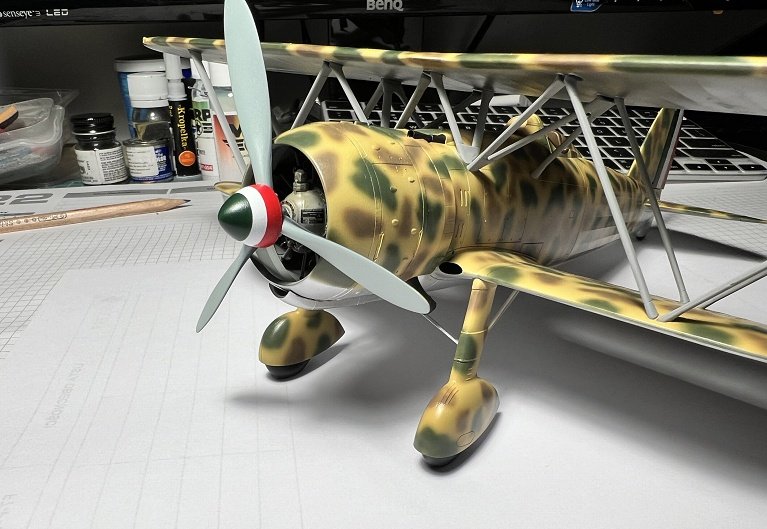
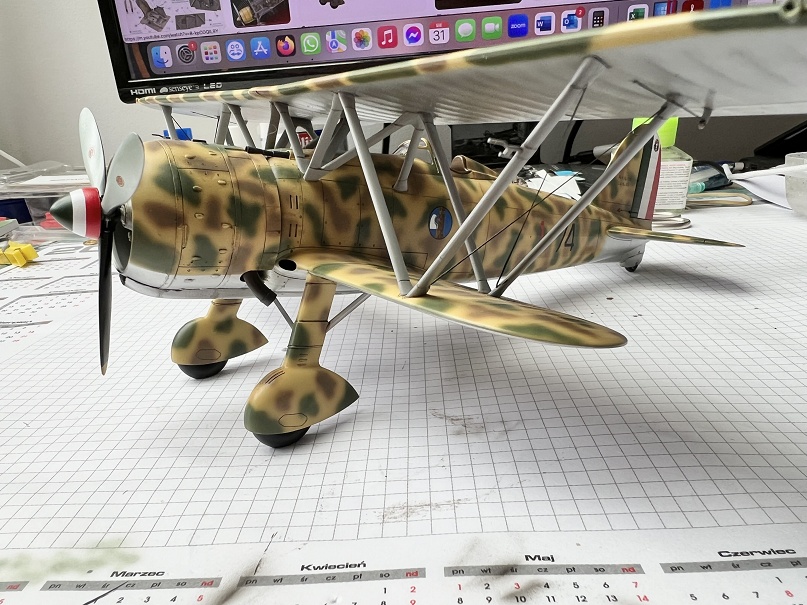
All model was primed and polished. After some discussion on Stormo! Forum I decided to paint it in early Fiat mimetica colors (Giallo Mimentico 1, Verde Mimetico 1, Marrone Mimetico 1, silver dope lower surfaces). All camo was airbrushed freehand using Harder & Steenbeck Infinity airbrush with 0,2 nozzle. I use only MRP paints – they’re very thin, very quick drying and the most important – they’re ready to use in an airbrush.

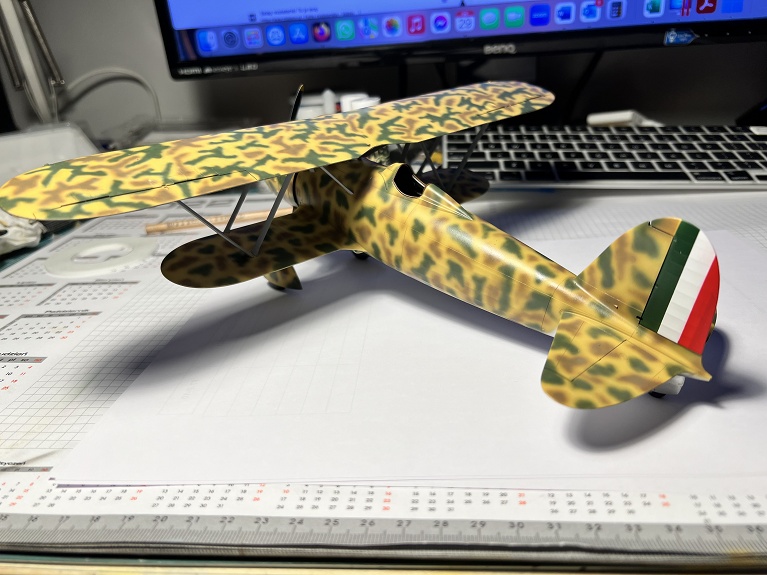
Vince suggested to build this Fiat as Capitano Guido Bobba’s machine – CO of 74a Squadriglia, 23 Gruppo, 3 Stormo CT while in Cervere, May 1940. I paint this plane in early markings i.e. tricolor rudder which was to be changed for so called Savoia cross on 12/06/1940. Tricolor propeller hub needed some time to be painted properly – after few not so good ideas how to execute it I found very easy way to make it good – I just used Tamiya masking tape for curves. It’s vinyl, it adheres nicely to round shapes so it worked perfectly. I started from the propeller hub base with first wrap, then came another one… that’s it. So simple – so efficient.

And so it is – another Italian plane in my still growing collection – and nice representation of an early mimetica camo from just before the war.

The Construction Process (twelve days):

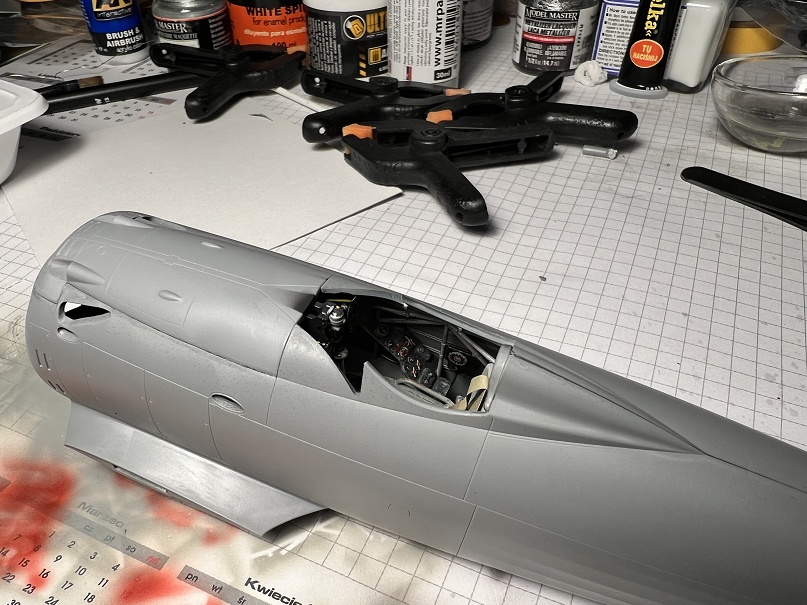
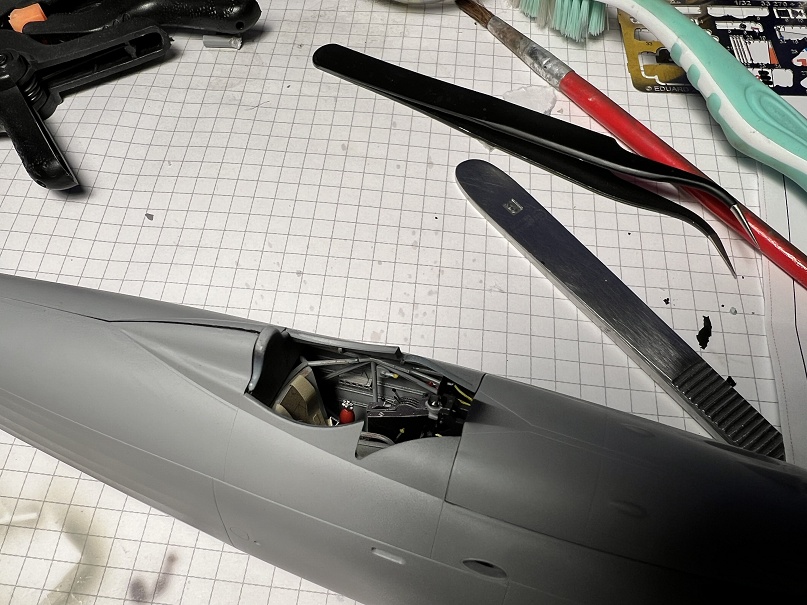
As soon as I finished my Fiat G.55 I deceided to build another Fiat - this time a 1/32 ICM Fiat CR.42. This kit is just fantastic. Overall precision and fit of the parts is as good as Tamiya - in my opinion. Two evenings - the cockpit interior is finished and the fuselage halves glued together. I used the Eduard PE detail set - although it's really not necessary due to ICM suberb work on details. Camo is still to be decided.


And so it goes ... Instrument panels with simulated wires, gunsight and compass:
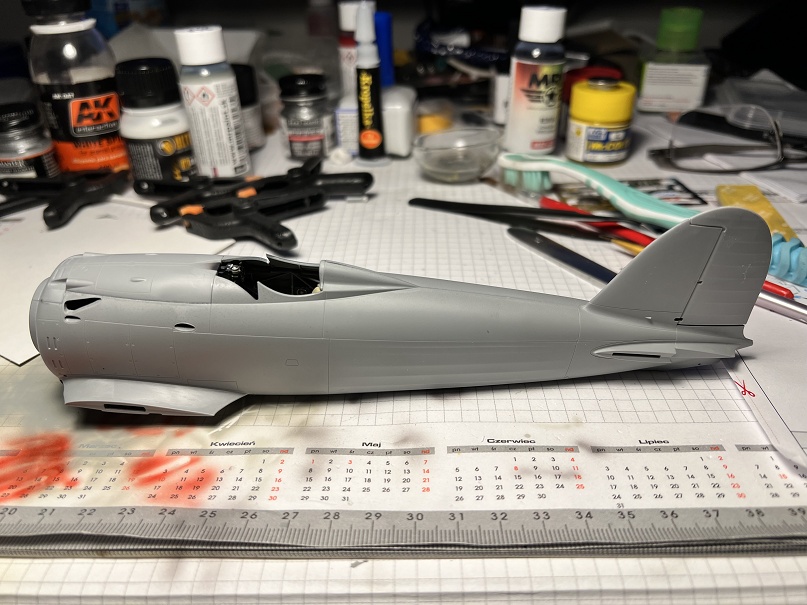

Day three - the superb engine gets assembled:
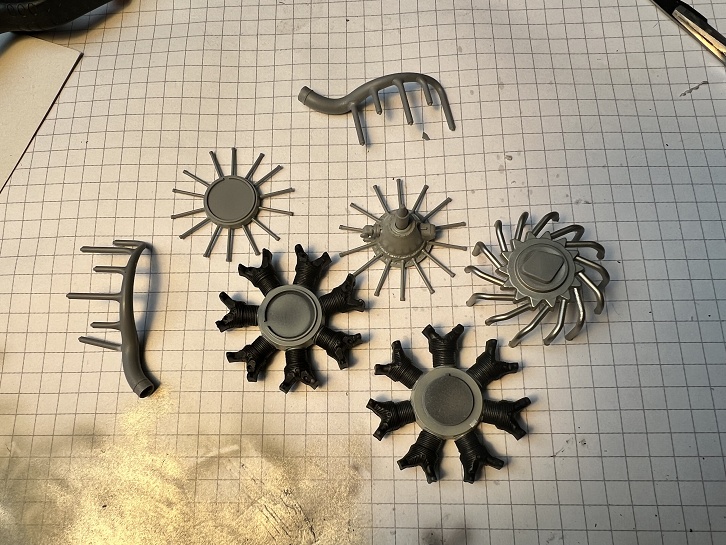


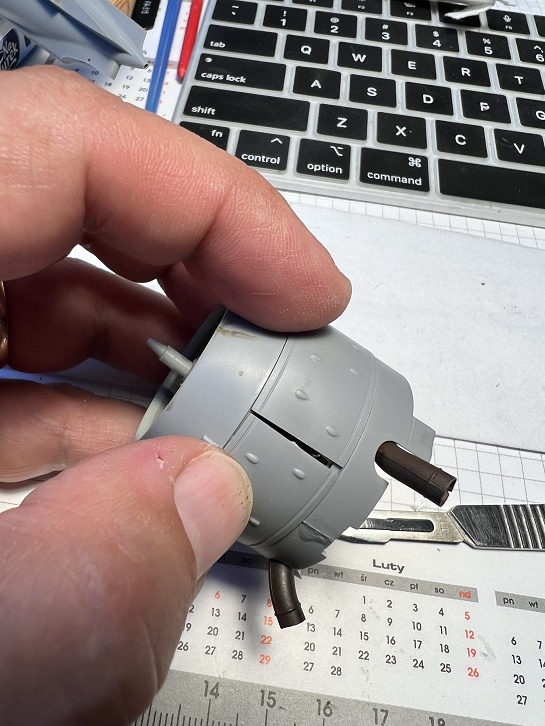
Alas and of course ... life can't be so simple - a problem! Nothing serious but requires some amount of careful work:
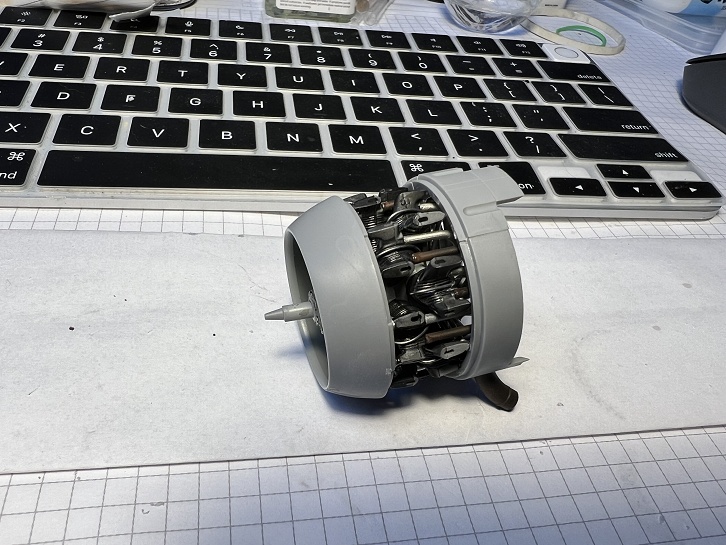

Day four - Overall fit is really good - no putty required. Only engine cover needs some work because it's been obviously designed to be opened. I've decided to sand down all the joints and then recreate panel lines with scribing tool.
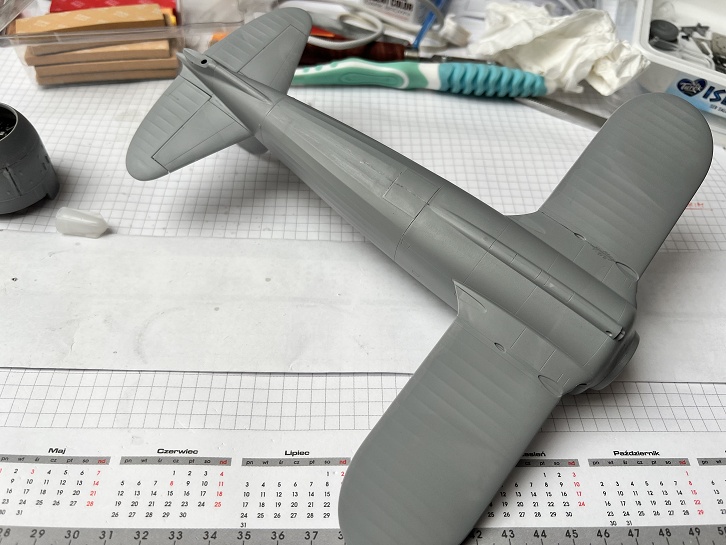

The Powerpack is ready :-) I used self adhesive aluminium foil stripes - it's much easier and faster than rescribing lines:
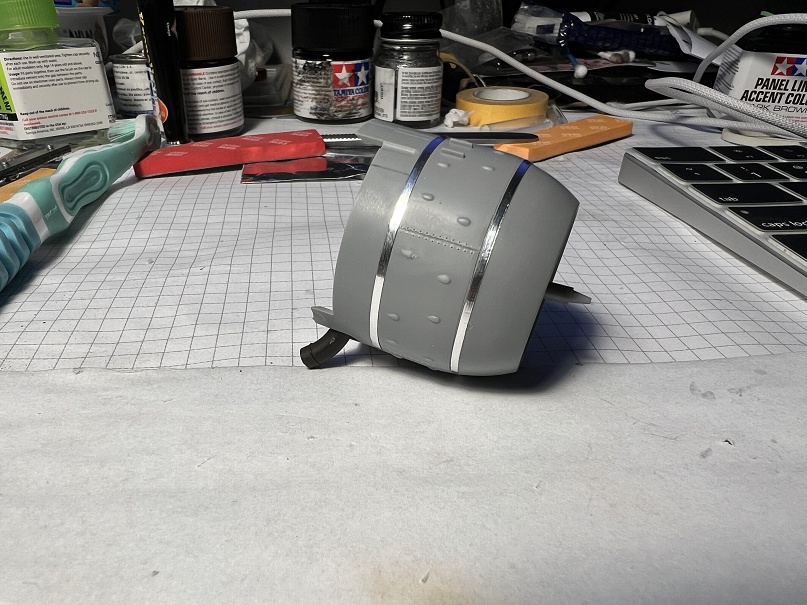


The same method was used to recreate the inspection panel hatch under the fuselage:

×

Day five - I added cockpit padding around the edges of the cockpit panes and windshield, as well as a gun sight reflector. Now its starting to look like a plane ;-) Next stage - priming:
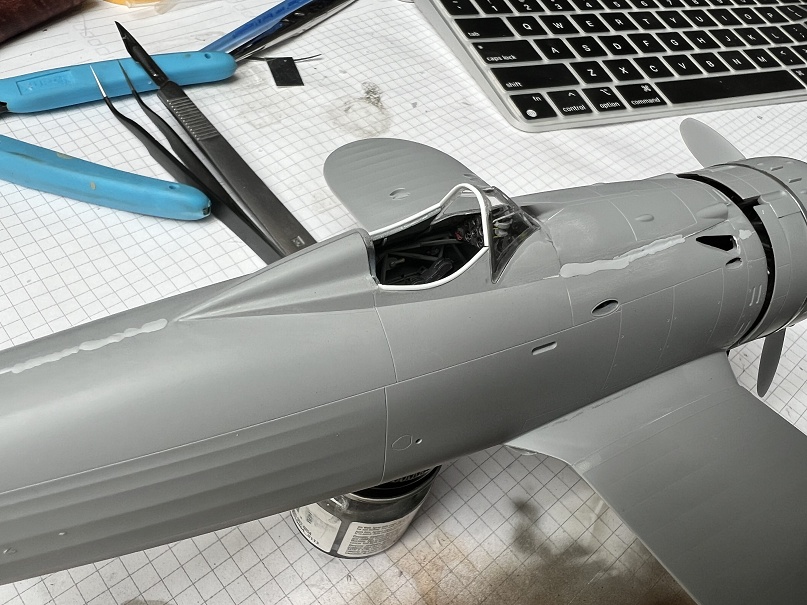

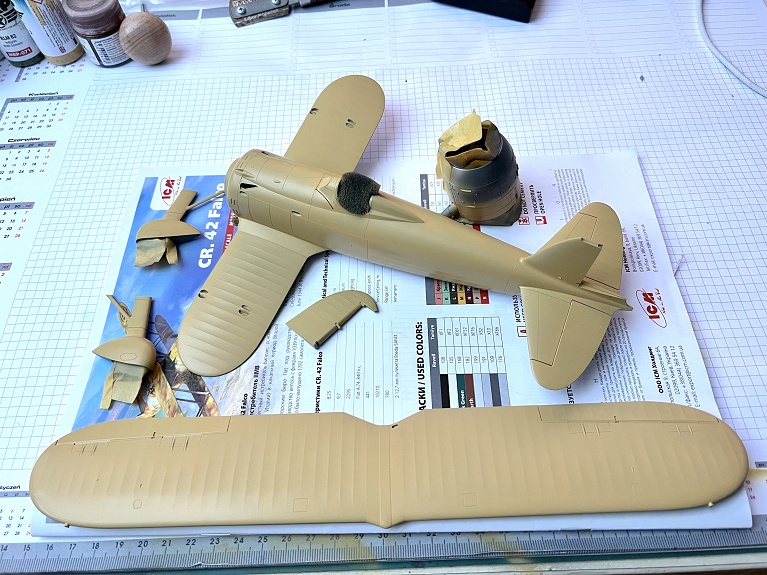
Day six - Primed. Next step - polishing and preparing for camo:
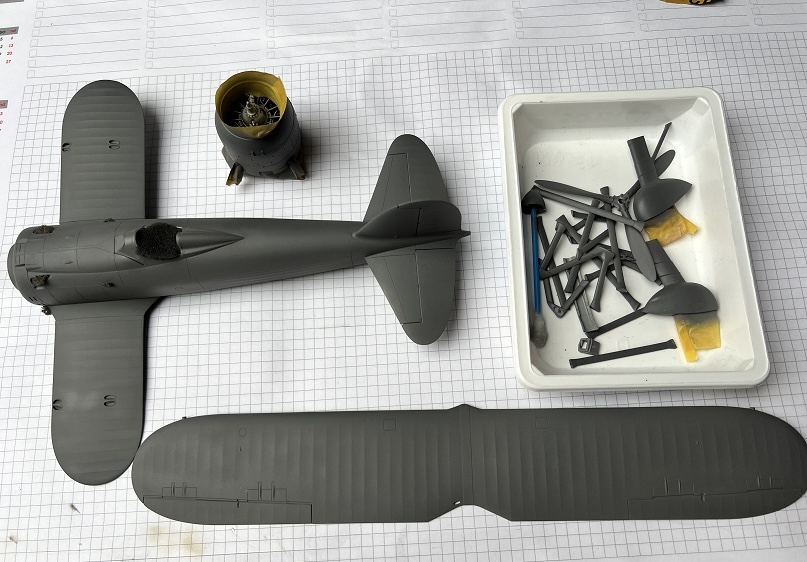

Day seven - spent digging throuh internet trying to find solution to my markings problem. Actually it seems to be solved ;-)

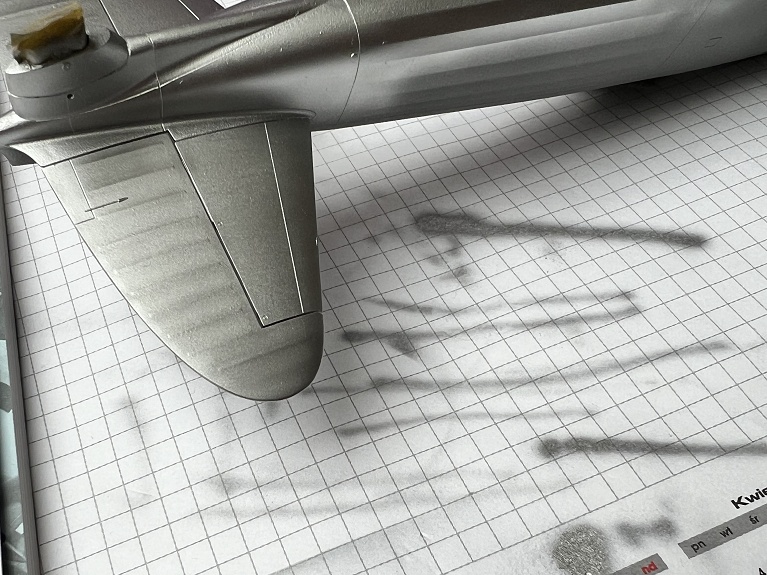
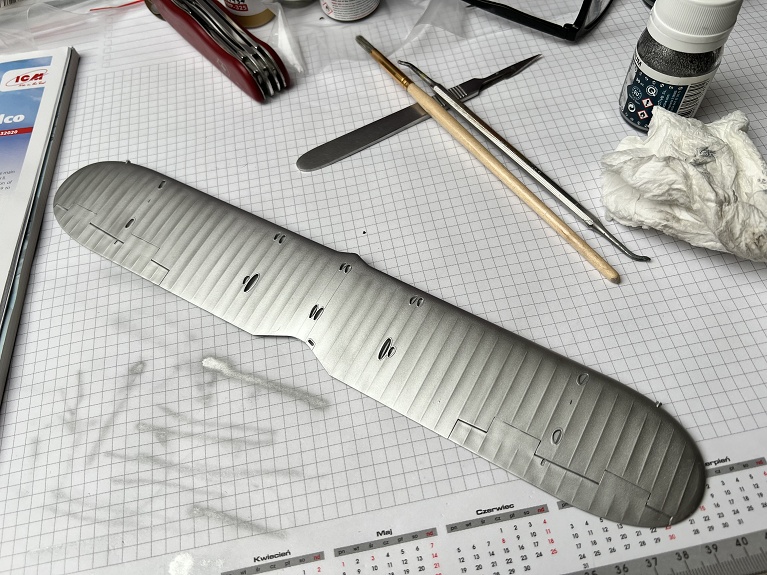
Day eight - I just played with various shades of metalizers to achieve nice and a little bit contrasting effect on lower surfaces. Final result is quite satisfactory for me - and more subtle than on pictures. I'll try to airbrush upper surfaces with Giallo Mimetico 3 today.
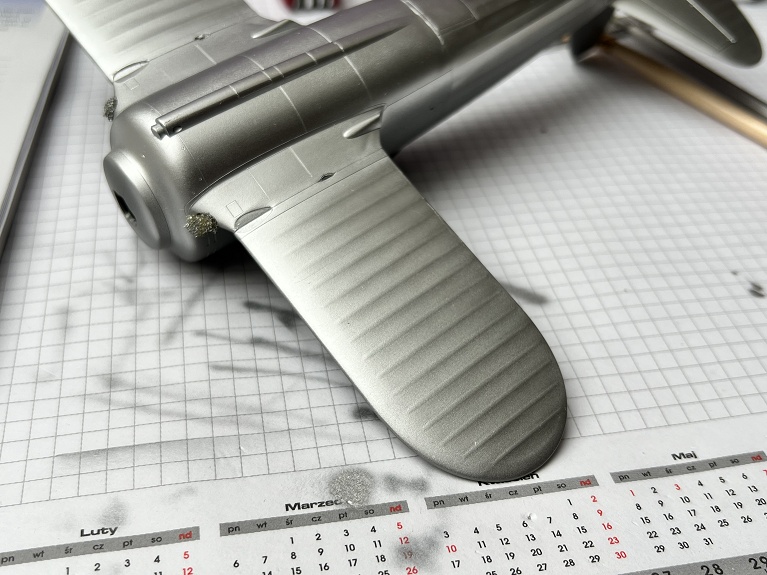

End of day eight - silver lower surfaces and Giallo Mimetico 1 - there will be early Fiat scheme:

×

End of day nine ... my compressor turned red - so is my index finger ... Upper wing camo still needs to be corrected. The rest will stay as it is. And final livery is still to be decided. The fit of the parts in this ICM kit is really great - upper wing just sits on struts - so far no cement used :-)
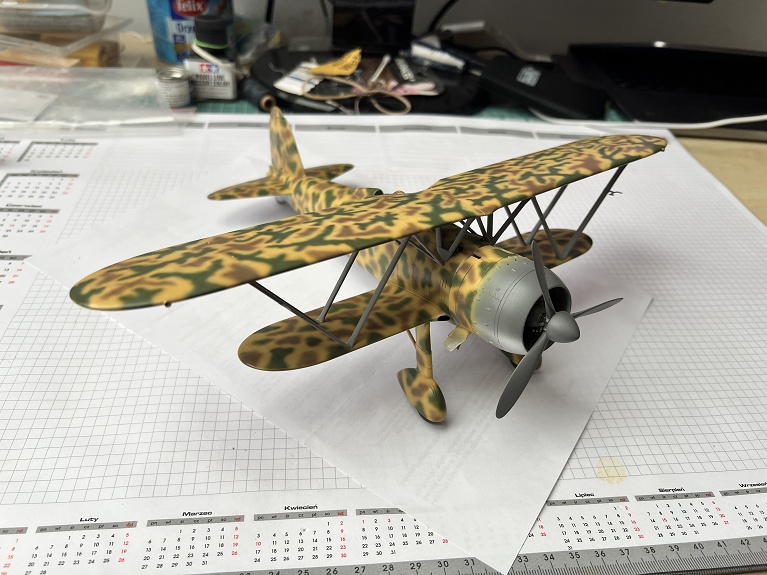

Day ten - so this is my starting point to the final stage. All is discussed and decided ;-)
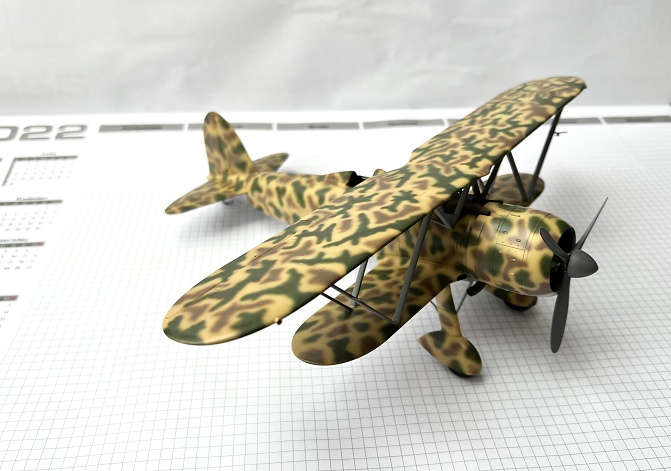

End of day ten. So called "time consuming detail". If I only knew how much effort it would take to paint these colors "straight" ;-)

×

But general result is more or less predictable. No glory - no shame ;-) Enough for today.
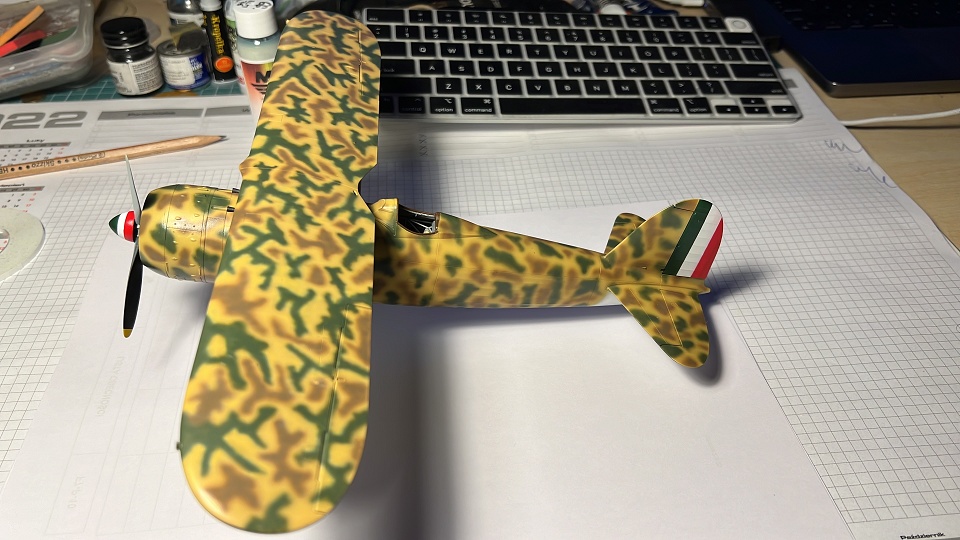

Day eleven - Gloss coated, decals applied (I hate decals!), panel lines accented. I took code numbers from PCM MC.200 kit - but I'm not sure if they look right ...
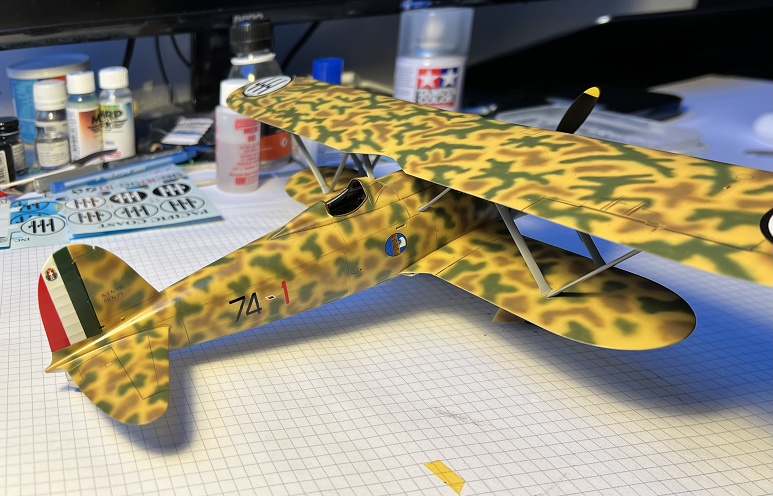

Day twelve - well, Gentlemen - this is the end of the show ... I almost feel sad it's over. Great kit, really. Sorry about the mess on my desk - but I'm sure some of you know this view ;-) Better pictures you'll see in the gallery soon. And most important - Vince - thank you once again for your help and great patience. This Bobba's livery is for you! Editor's Note: Noted Bodek! :)


×

Technical Data

Aircraft: Fiat CR.42
Manufacturer: FIAT S.A.
Type: Fighter
Year: 1939
Engine: FIAT A.74 RC 38, 14-cyclinder radial, air-cooled, 870hp
Wingspan: 31 ft 10 in (9.70 m)
Length: 27 ft 3 in (8.30 m)
Height: 10 ft 10 in (3.30 m)
Weight: 5,060 lb (2,295 kg) (Loaded)
Maximum Speed: 273 mph (440 km/h) at 19,685 ft (6,000 m)
Ceiling: 34,450 ft (10,500 m)
Range: 490 miles (785 km)
Armament: 2 x 12.7mm SAFAT machine guns; 2  x 220.5 lb (100 kg) bombs
Crew: 1

Additional Images


STORMO! Products


September, 2023
STORMO! © 2023