|
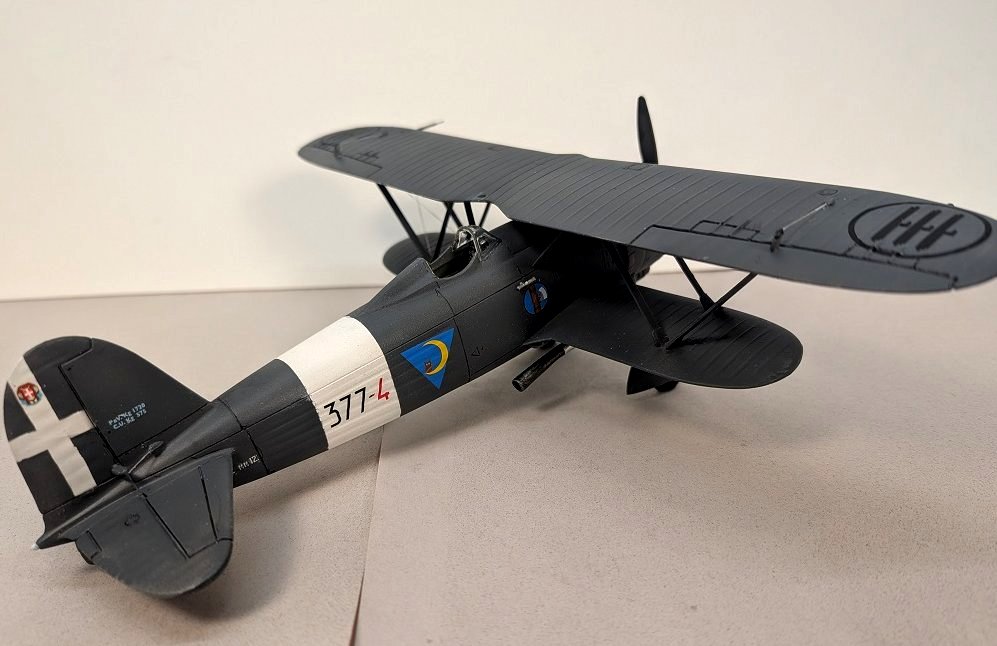
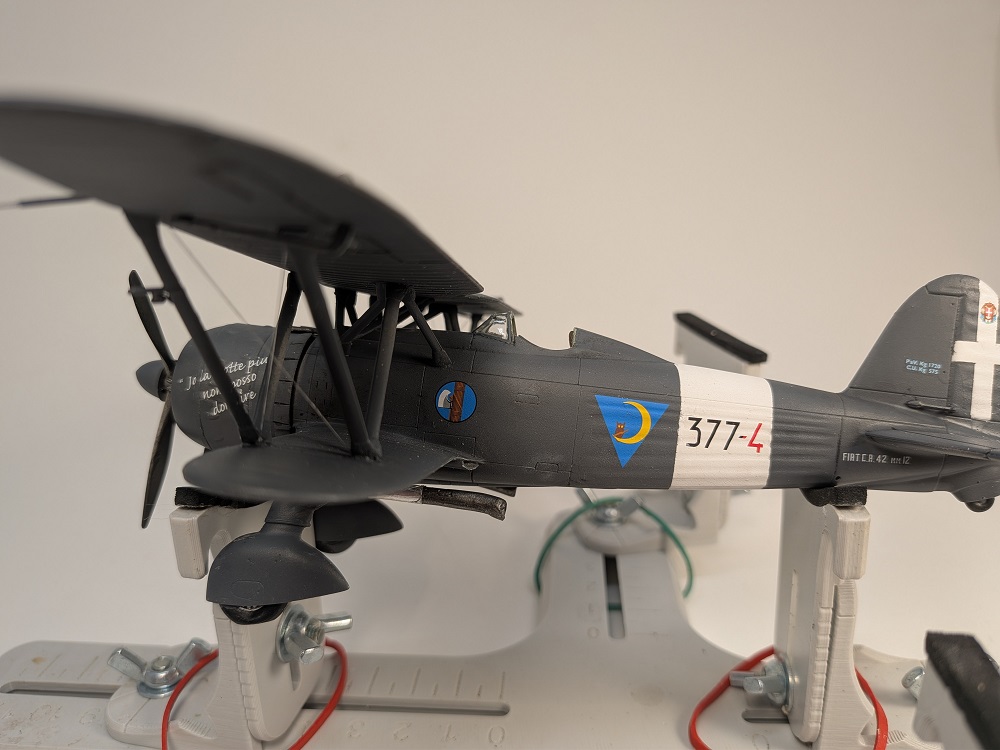
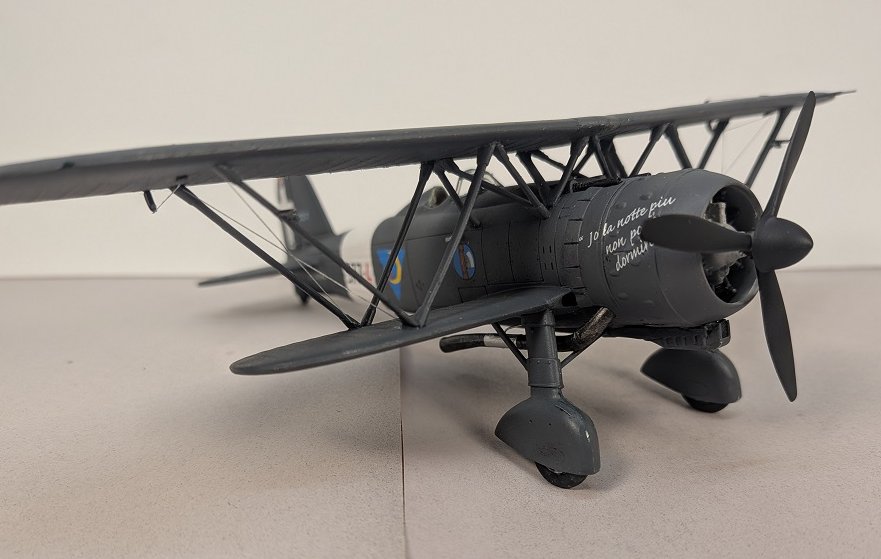
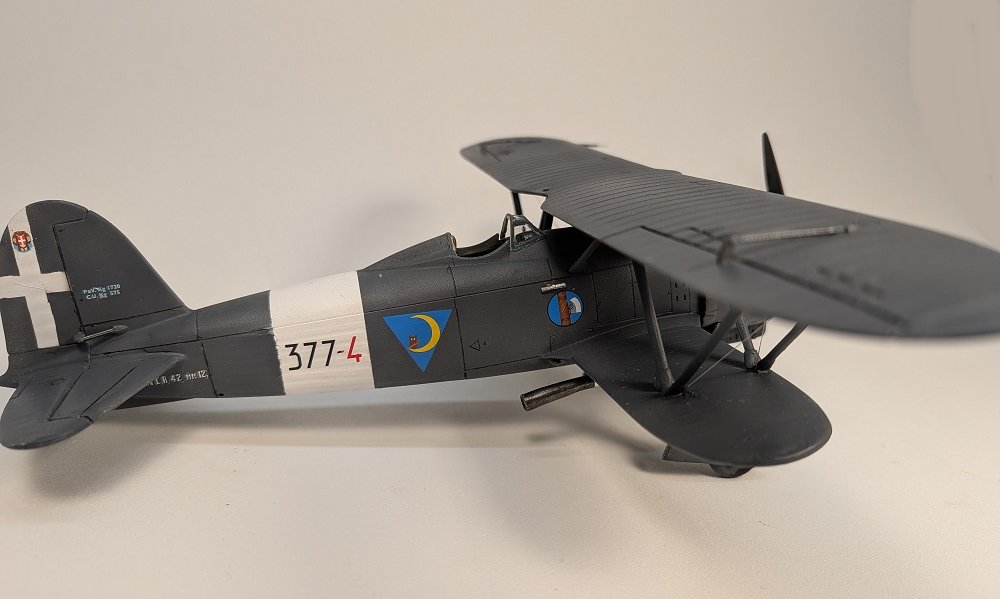
Italeri 1/48 Fiat CR.42CN Caccia Notturno by Richard Davenport |
|
|
|

Click the STORMO! Eagle to return to the Gallery |
|
Designed as an interim fighter until the Italian monoplane fighters were available in
sufficient numbers, the Fiat CR.42 was a modern biplane fighter that served the Regia
Aeronautica in a multitude of roles including fighter, ground attack and night fighter
duties. The Fiat CR.42 was also used by several foreign air forces who put the plane to
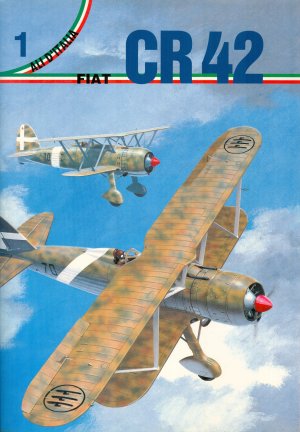
good use and production was even resumed by the Germans in 1944. The Fiat CR.42 represented the culmination of a design formula that had begun in the 1920s. Designed by Celestino Rosatelli, the Fiat CR.42 was an aerodynamically refined aircraft, its clean lines hinted at what might have been had the fighter developed along the same lines as the Grumman F4F Wildcat; the F4F having started out life as a biplane. The Fiat CR.42 was used as a fighter by the Regia Aeronautica in the early phases of WWII over France, the English Channel, Greece and North Africa. Fiat CR.42AS Various modifications were made to the CR.42s beginning in 1941. The first modification consisted of installing light bomb racks on aircraft at unit level. These racks could carry bombs weighing up to 220.5 lbs (100 kg). The ground attack role became an important factor in CR.42 operations in North Africa. This modified aircraft, also equipped with a sand filter under the engine cowling was designated CR.42AS (Africa Settenirionale; North Africa). It was believed that some ground attack CR 42s were equipped with two 12.7mm machine guns or 20mm cannons under the wings, however, there is no evidence supporting this claim. Several CR.42s were modified with an internal auxiliary fuel tank for operations against Crete. These aircraft received the designation CR 42Egeo (Aegean). Fiat CR.42CN Another specialized version of the aircraft was the CR.42CN (Caccia Notturna; Night Fighter) for home defense duties. The CR.42CN was equipped with exhaust flame dampers, augmented instrumentation and a two-way radio for night flying. This variant was also fitted with two small searchlights mounted beneath the lower wing. An airstream-driven generator, mounted on the upper wing center section, powered the lights. A total of 1768 CR 42 Falcos were produced for the Regia Aeronautica between February of 1939 and June of 1943. The vast majority of the Falcos manufactured were of the CR 42 day fighter version. References: [1] Greer, D. and R. Hudson, Fiat CR 32/CR 42 in Action, Aircraft Number 172, Squadron/Signal Publications, 2000.
Fiat CR 32/CR 42 in Action, Aircraft Number 172
 [2] Waldis, P. and de Bartoli, M., "Colori e Insegne - Regia Aeronautica Caccia e Assalto 1940-1943, Part II",
Colori e Insegne Regia Aeronautica Caccia e Assalto 1940-1943, Part II
 Torino, La Bancarella Aeronatica, 2003
Fiat CR.42CN - Black, Nerofumo or Grigio Azzurro Scuro?The three colors to focus on when considering the Fiat CR.42(CN) are:
Let's summarize what the literature says about the color of this plane, Fiat CR.42CN 377-4:
"In this period (the first days of December 1941), I flew a night-fighter CR.42 four times; it is a beautiful airplane, just new and overall painted blue" The pilot account is pretty clear about the color of the plane and we can’t ignore it - the pilot says "blue", twice. Also, the first image in Riccardo's article is a color photo, and although the quality of the photo isn’t that great it's obvious the color of the Fiat CR.42CN and the officers’ uniform are similar (dark blue), not black. How many Fiat CR.42s left the factory from the end of 1941 to the summer of 1943:
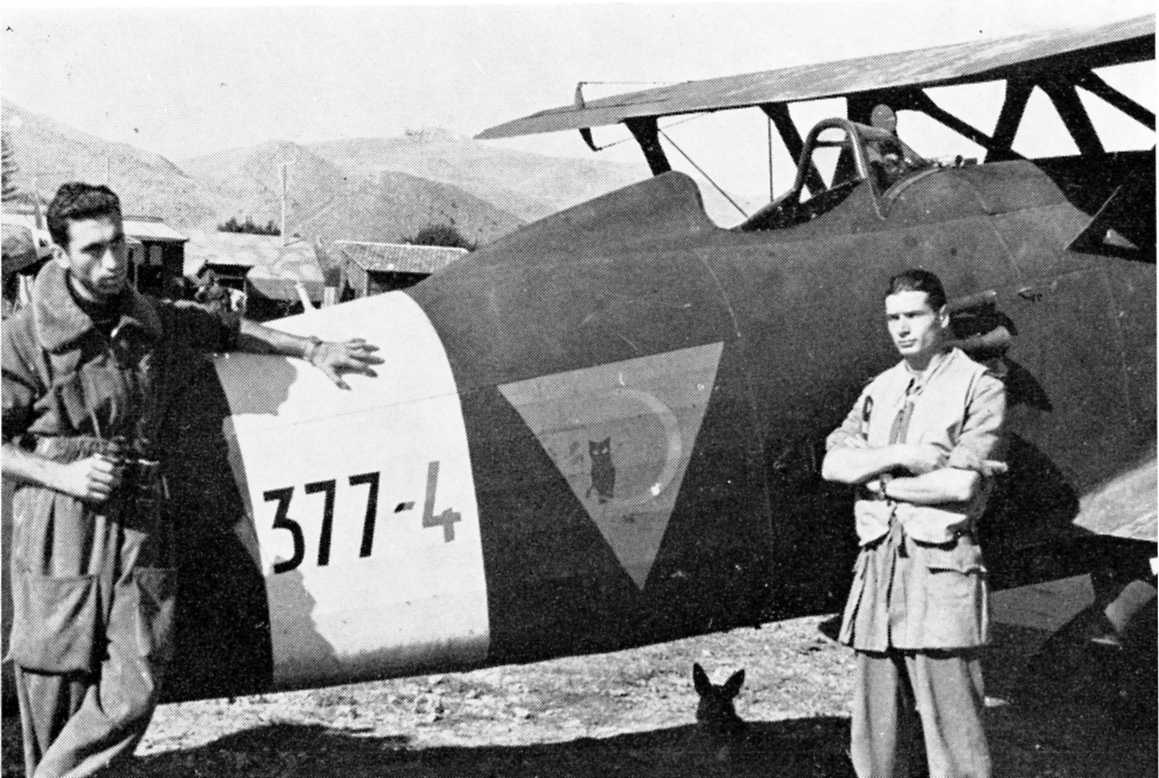
556 Total LW versions were produced after 1943 when the Germans resumed production - the planes were mainly deployed in anti-partisan operations in Yugoslavia. By 1942 the CR.42 was assigned to support roles such as ground attack, coastal patrol, convoy escort and night fighting sections and later in night fighting units although the CR.42 had been used in night-fighting from the earliest days of the war (with no modification or special equipment - admittedly the RA was behind here and never really caught up and ended up using German equipment such as radar equipped Do 217 J1/2 night fighters albeit too little too late), such as the RAF night-time attack on Turin in June 1940. The CR.42 CN (Caccia notturna) was a variant of the standard CR.42 upgraded for night fighting by the addition of instrumentation (artificial horizon), a two-way radio, long flame-damping exhausts and machine-gun flash suppressors and were painted in black (?) GAS3 at the factory (also note the propeller blades were painted black front and back - see photo 2 below). Some experimental CR.42s were equipped with lamps and some other CR.42s were converted into CN variants in the field. Below are two photos of 377-4 at Palermo-Boccaddifalco Sicily, some sources state that the photos were taken May 1942 and others Feb 1943, in any case the photos were taken after Tavola X 1941. Strictly speaking, because of the date of the photos (sadly we don't know the MM for this plane), and because of the CN modifications (lengthened exhaust, the machine gun flash suppressor), and the color of the plane in the second photo (compare the color of the spinner and prop blades (satin-black) to the color of the cowling), as well as the first photo (compare the color of the squadriglia number black "377" to the color of the fuselage, while noting the condition of the fuselage paint does not appear faded, chipped or weathered), the plane appears to be finished in Grigio Azzurro Scuro - Riccardo Trotta’s article applies to this plane.
FIAT CR.42 CN NIGHT FIGHTER CAMOUFLAGE : WHAT COLOR ?
Also note that in the first photo below the top wing
markings are black on a clear background in compliance with Foglio d’Ordini N.86080 del 29.10.1941. So to Summarize:
377a Squadriglie CT [2] A Sezione Sperimentale was attached to 74 Sq 23 Gruppo at Comiso in 1941. This unit was equipped with six Re 2000 Serie I, which had been a contender for major production orders along with the MC 200 and G 50. Although considered the better aircraft, it lost the major contract due to more vulnerable fuel tanks. The Regia Marina needed a modern catapult fighter for its warships, so a limited number were produced. However, the need for fighters was such that most equipped this land-based unit. They were very useful for convoy escort work because of a greater fuel capacity than the other single-seaters. In August the unit moved to Trapani, then Chinisia, having become 377 Sq and receiving twelve Serie III long-range vesions with bomb-carrying capacity. These were used against Malta. The unit used various bases in Sicily, including Pantelleria, in 1941. During the convoy battles in Sepember it moved to Sardinia. Using Comiso as a forward base some Re 2000s operated over Malta in November. When 23 Gruppo went to Libya the squadriglia became Autonomo on 12 December. A short stay in southern Italy followed, escorting ships off Calabria. Then the unit returned to Sicily, defending the island and escorting its shipping. A few CR 42CN night-fighters may have been used while the fighters continued operational training. March 1942 ten more Series III machines were received in Italy to replace losses, and the unit moved to Palermo-Boccadifalco for interceptor duties. In June it escorted the 7th Division during operations against the HARPOON convoy. That month the unit received the B30 radio transmitter system but it not improve communications between the navy and air force. August found the unit Pantelleria, participating in the battles around Malta. On 12 August a section was detached to Chinisia for local defence. The pilots had been complaining that the Re.2000 was harder to fly than the CR 42, and the lack of spares was reducing the operational numbers. Consequently, an anti-submarine night-fighter section of CR 42CNs was attached in September. The Re 2000s were replaced by twelve MC 200s, and the CR 42s were detached to Pantelleria. In January 1943 the unit received a modified version of the B30 radio, which improved air-to-air air-to-ground communications. Despite this, high static density was still experienced when flying over metropolitan Italy. Some CR 42s were still used for anti-submarine patrols, but the downward view was too limited to be efficient for this role. These CR 42s were eventually passed to 379 Sq. Cooperating with German searchlights, the remaining CR 42 night-fighters still found electrical interference on their radios. On the other hand, sufficient artificial horizons were now arriving to cure yet another of the night-flying problems. By February 1943 the unit was re-equipped with six MC 202s at Boccadifalco. After several scrambles against American bombers they were grounded for five days in March for inspection of weapons and radios. The next month the unit was severely bombed, which hindered operations and training. Three four-engined bombers were claimed at this time. The unit temporarily moved to Catania, due to several unexploded bombs on its home base. It disbanded on 26 May, passing aircraft and crews to 53 Stormo. Source: [3] Dunning C., "Courage Alone: The Italian Airforce 1940-1943", Hikoki Publuications, Manchester, United Kingdom, 2009
Courage Alone: The Italian Airforce 1940-1943

|
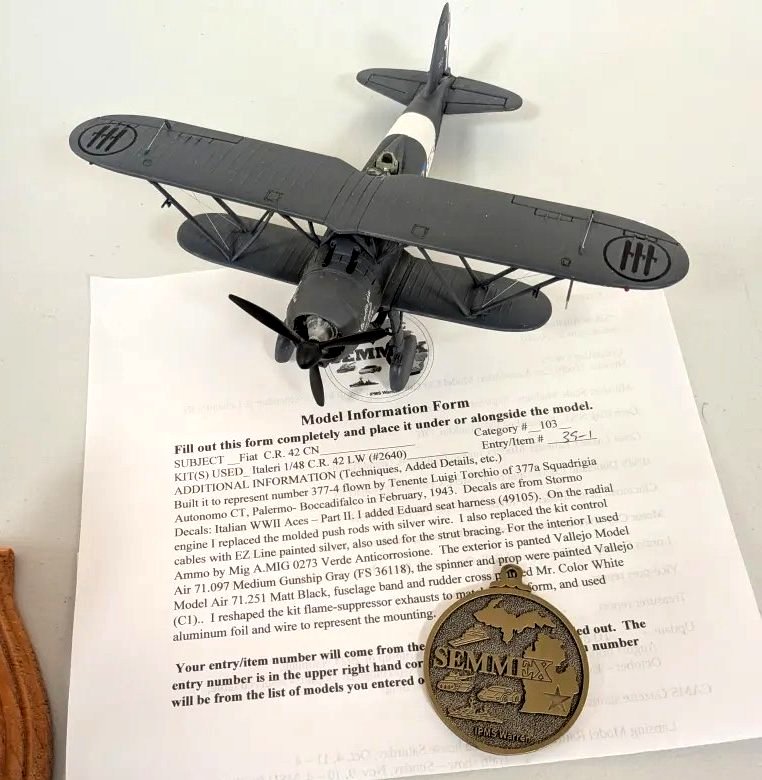
This kit is the Italeri 1/48 C.R. 42 LW (#2640)
Italeri Fiat CR.42LW 1/48 - 2640
for the Luftwaffe version of the “Falcon” as a night fighter. From the instructions, it appears the only basic difference between this and the Italian version (#2702) is the
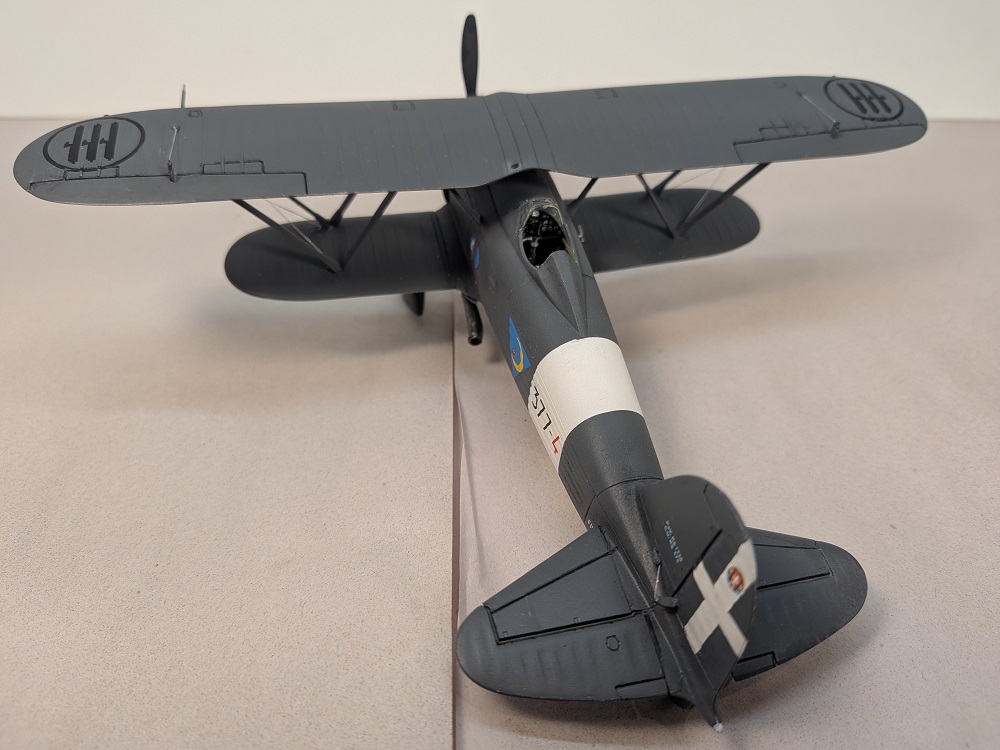
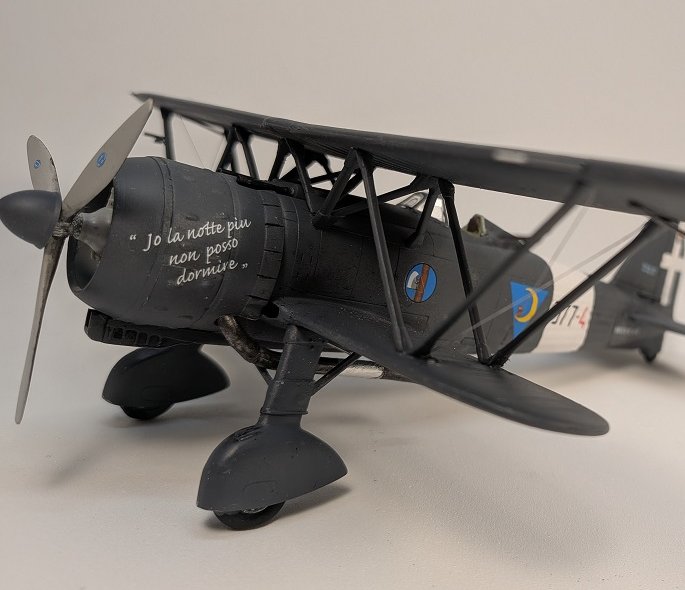
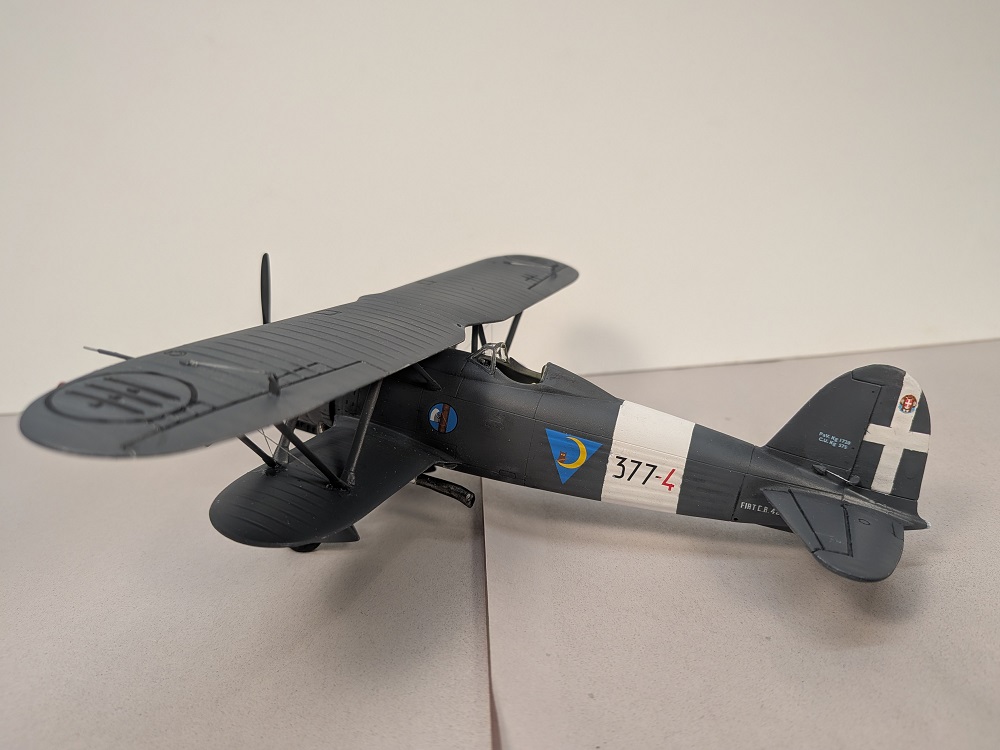
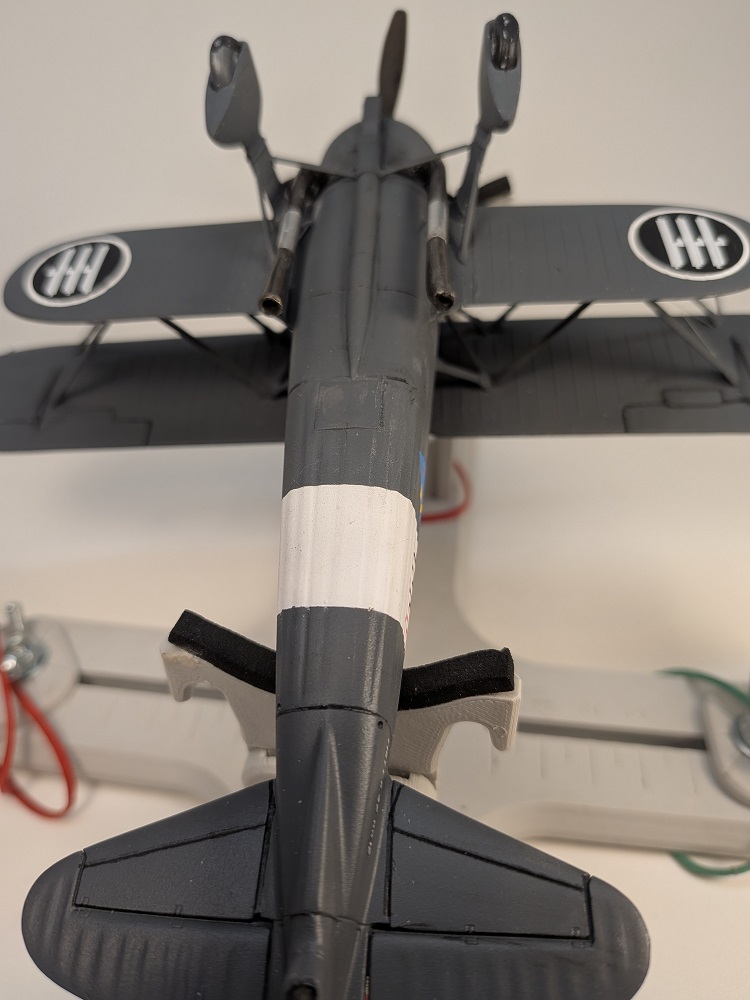
Luftwaffe didn’t use wheel spats. I've built it to represent C.R. 42 CN, 377-4 flown by Tenente Luigi Torchio of 377a Squadrigia Autonomo CT, Palermo- Boccadifalco in
February, 1943.
 The model won First Place in its category in this year's SEMMEX 2026.
SEMMEX 2026 (IPMS/USA)
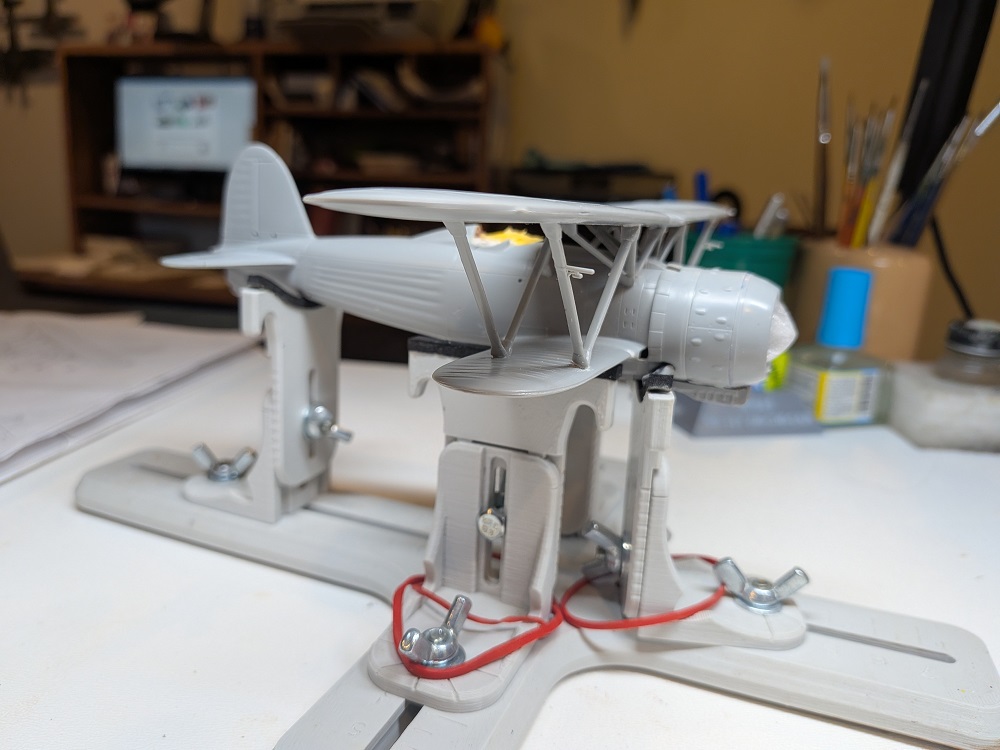
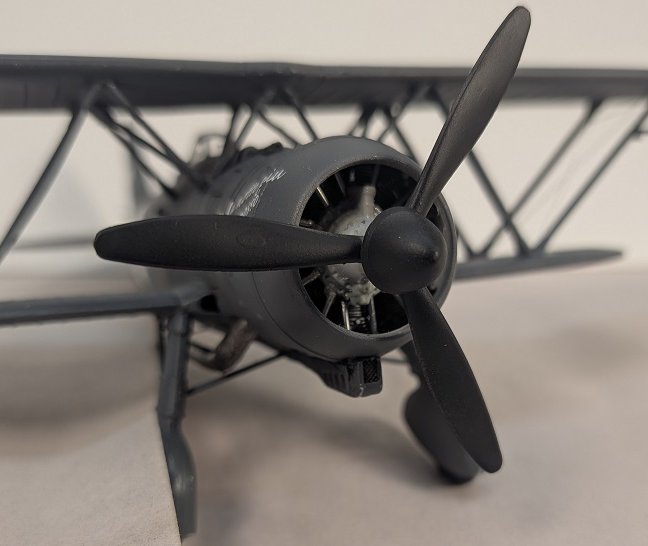
In the cockpit I added Eduard seat harness (49105). On the radial engine I replaced the molded push rods with silver wire. I also replaced the kit control
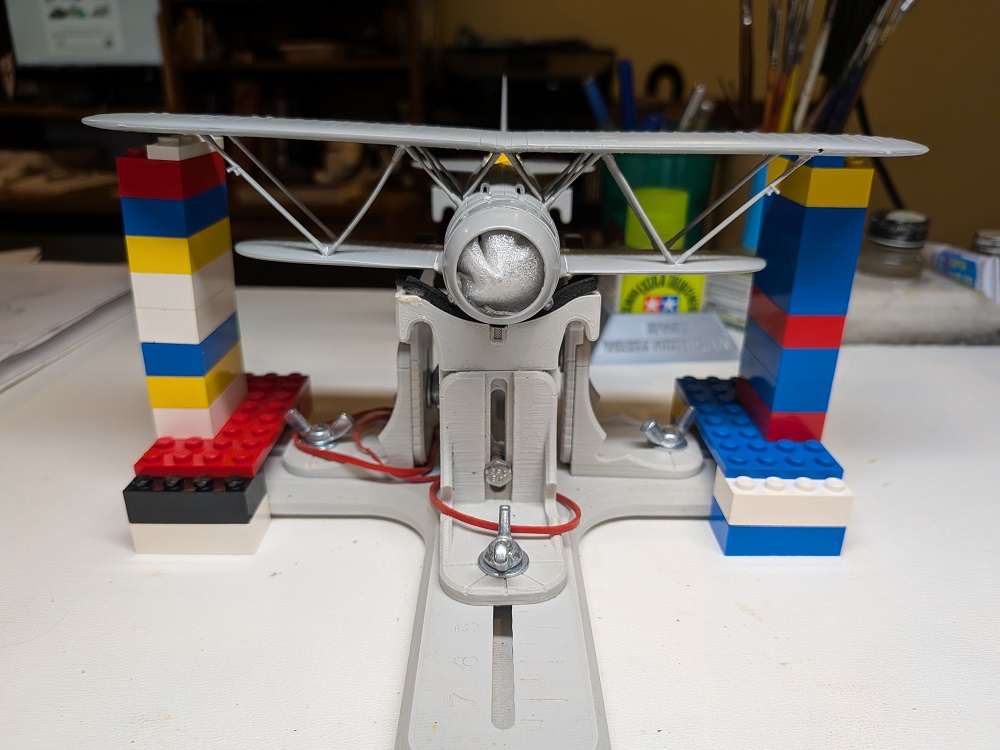
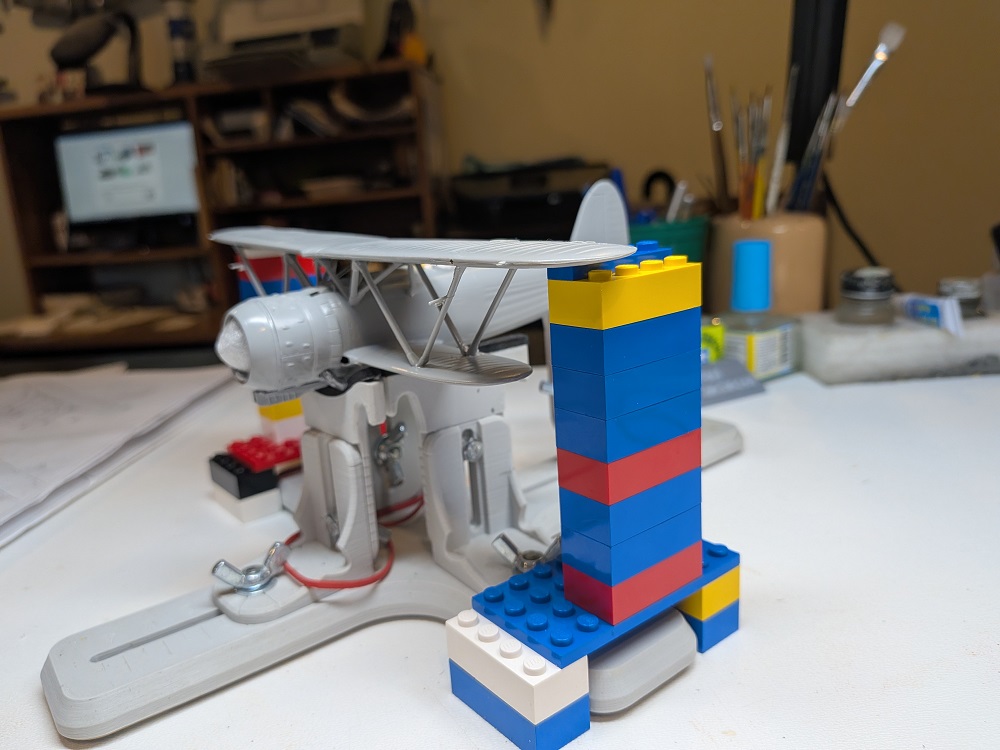
cables with EZ Line painted silver. My jig is for a monoplane, so I improvised with Lego’s to make supports to attach the struts and upper wing.
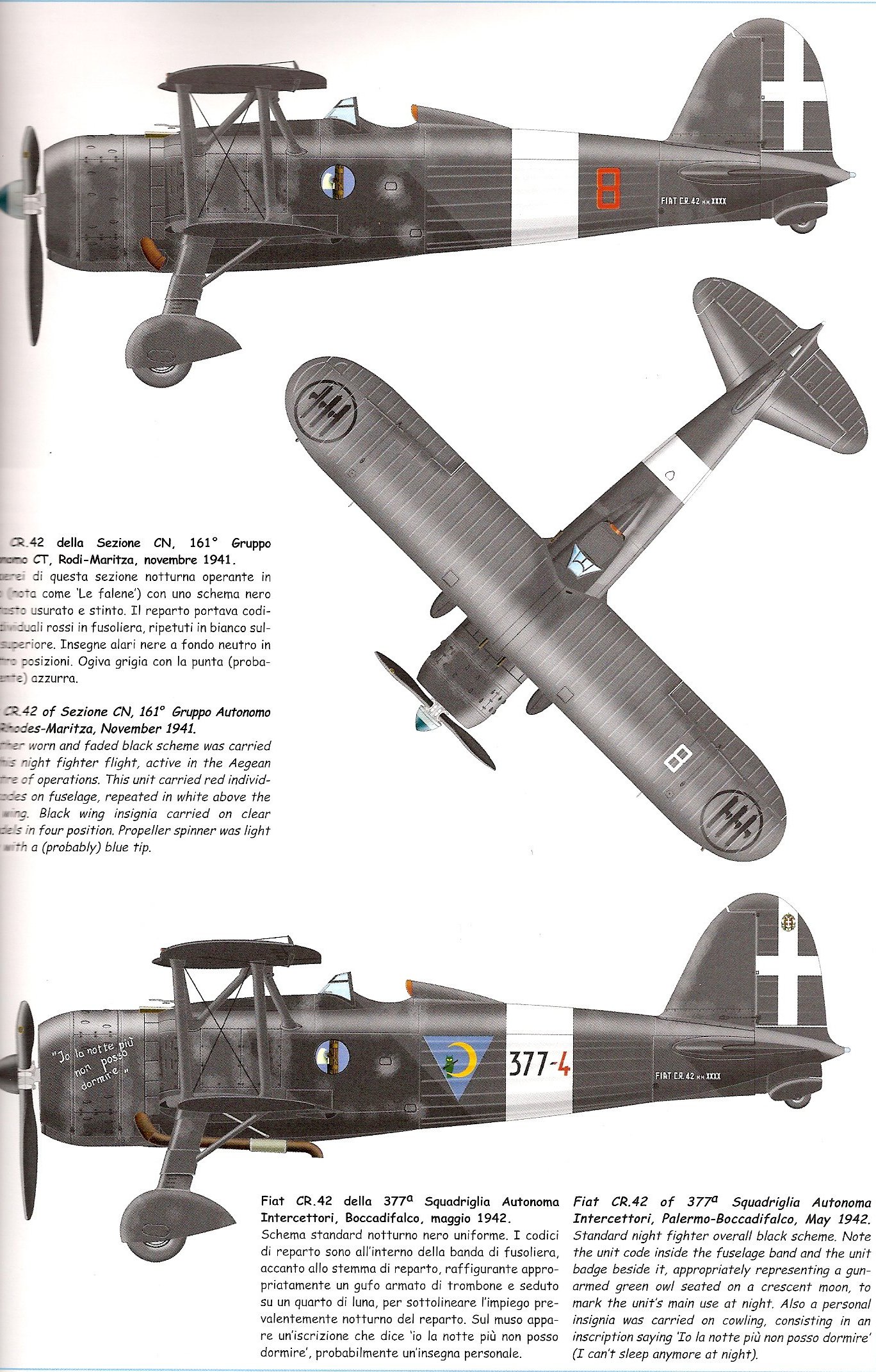
There are some discrepancies in my references about how the plane is described. In Richard J. Caruana’s book The Fighting Colours of Richard J. Caruana 2: Malta George Cross, p. 50, Caruana says the exterior was black, there are no national insignia on top and only white fasces on the lower wing underside, and shows no night exhaust. I used decals from Stormo Decals: Itallian WWII Aces – Part II,
Stormo Decals - Italian WWII Aces Part II - STRM 48002
and the instructions for the decals say the color was Grigio Azzurro Scuro 3 (FS 36118) with transparent upper and lower wing fasces and
extended night exhausts.
The editor/administrator of Stormo Magazine Online, Vince Tassone supplied photos that pretty well settled the question:
In the first photo, the black numbers 377 are distinctly darker than the fuselage. Likewise, in the second, the spinner and prop are also clearly darker than the cowl. It’s pretty
evident the fuselage was the Grigio Azzurro Scuro. So, for the interior I used Ammo by Mig A.MIG 0273 Verde Anticorrosione. The exterior is panted Vallejo Model Air 71.097 Medium
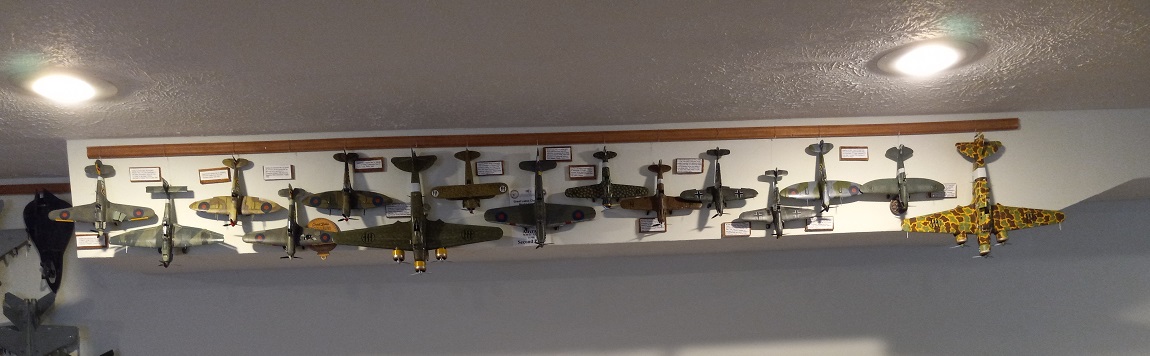
Gunship Gray (FS 36118), which seems to correspond closely with the Italian color. The spinner and prop were painted Vallejo Model Air 71.251 Matt Black. The flame-damper exhausts were different between the Luftwaffe (long exhausts) and the Regia Aeronautica (short, medium and long-exchauts were used). I took the kit parts, cut them shorter and drilled out the ends. Then using water heated in the microwave, I gently curved the ends to point away from the fuselage. Using aluminum foil and wire, I represented the mounting seen in the decal illustration. For the decals, I used white fasces on the lower wing and transparent fasces for the upper. The Stormo Decals went over a light coat of Alclad II Aqua Gloss and settled beautifully with Tamiya Mark Fit. Then they were sealed with a coat of Vallejo Satin Varnish, 70.522. This makes an interesting addition to my Battle of Malta display (see below) in that this aircraft was actually defending Sicily. On February 21/22 over Palermo, Tenente Torchio shot down a Wellington bomber from Malta as the Allies were preparing for the invasion of Sicily. Please note, the CN variant were not known to have carried the sand filter located underneath the nose.
Richard's Battle of Malta Collection:
|
Aircraft: Fiat CR.42 Manufacturer: FIAT S.A. Type: Fighter Year: 1939 Engine: FIAT A.74 RC 38, 14-cyclinder radial, air-cooled, 870hp Wingspan: 31 ft 10 in (9.70 m) Length: 27 ft 3 in (8.30 m) Height: 10 ft 10 in (3.30 m) Weight: 5,060 lb (2,295 kg) (Loaded) Maximum Speed: 273 mph (440 km/h) at 19,685 ft (6,000 m) Ceiling: 34,450 ft (10,500 m) Range: 490 miles (785 km) Armament: 2 x 12.7mm SAFAT machine guns; 2 x 220.5 lb (100 kg) bombs Crew: 1 |
|
|
|
|
|
|


|
|

|
|

|


|


|
|
|
|
June 2026 STORMO! © 2026 |