|
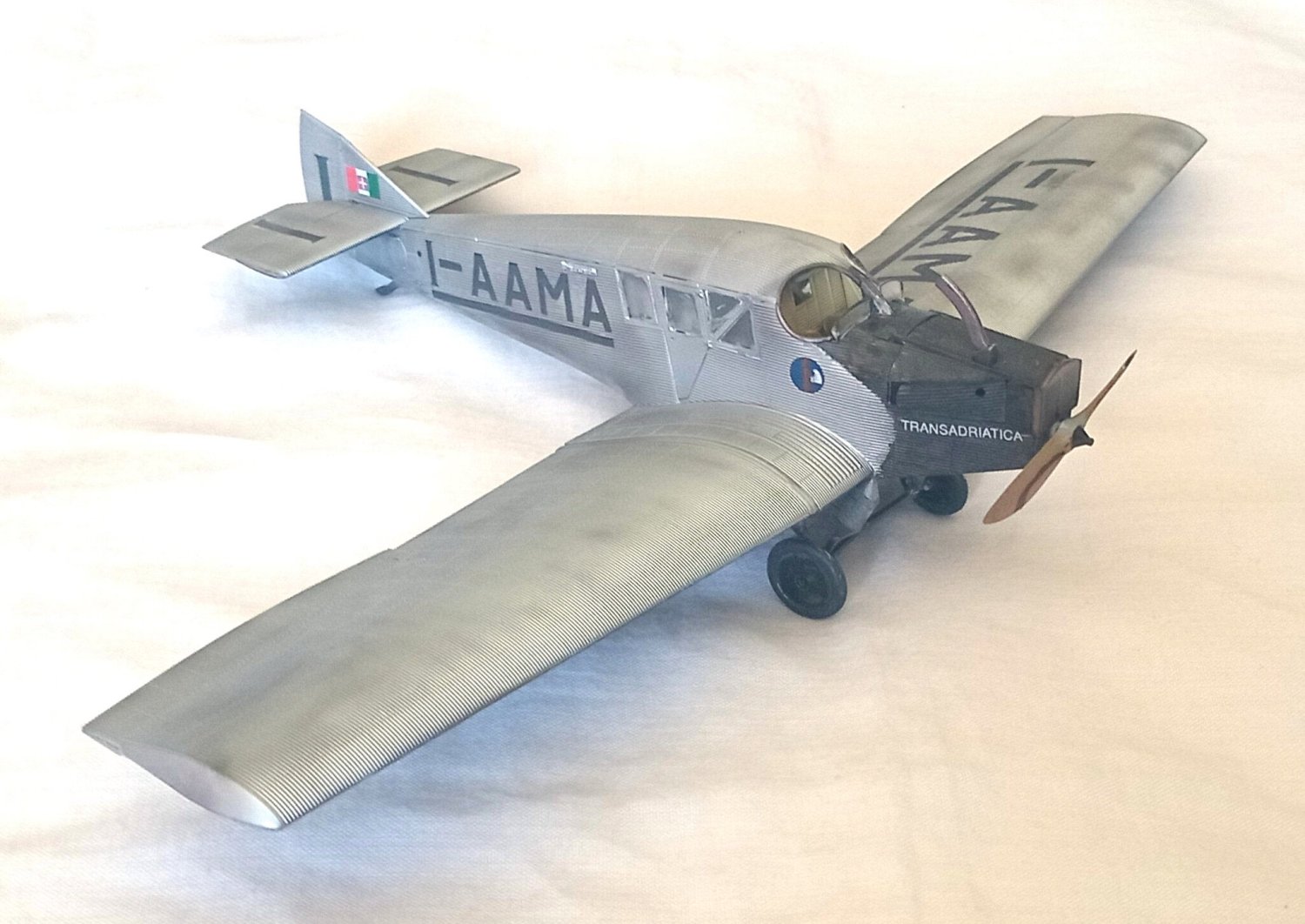
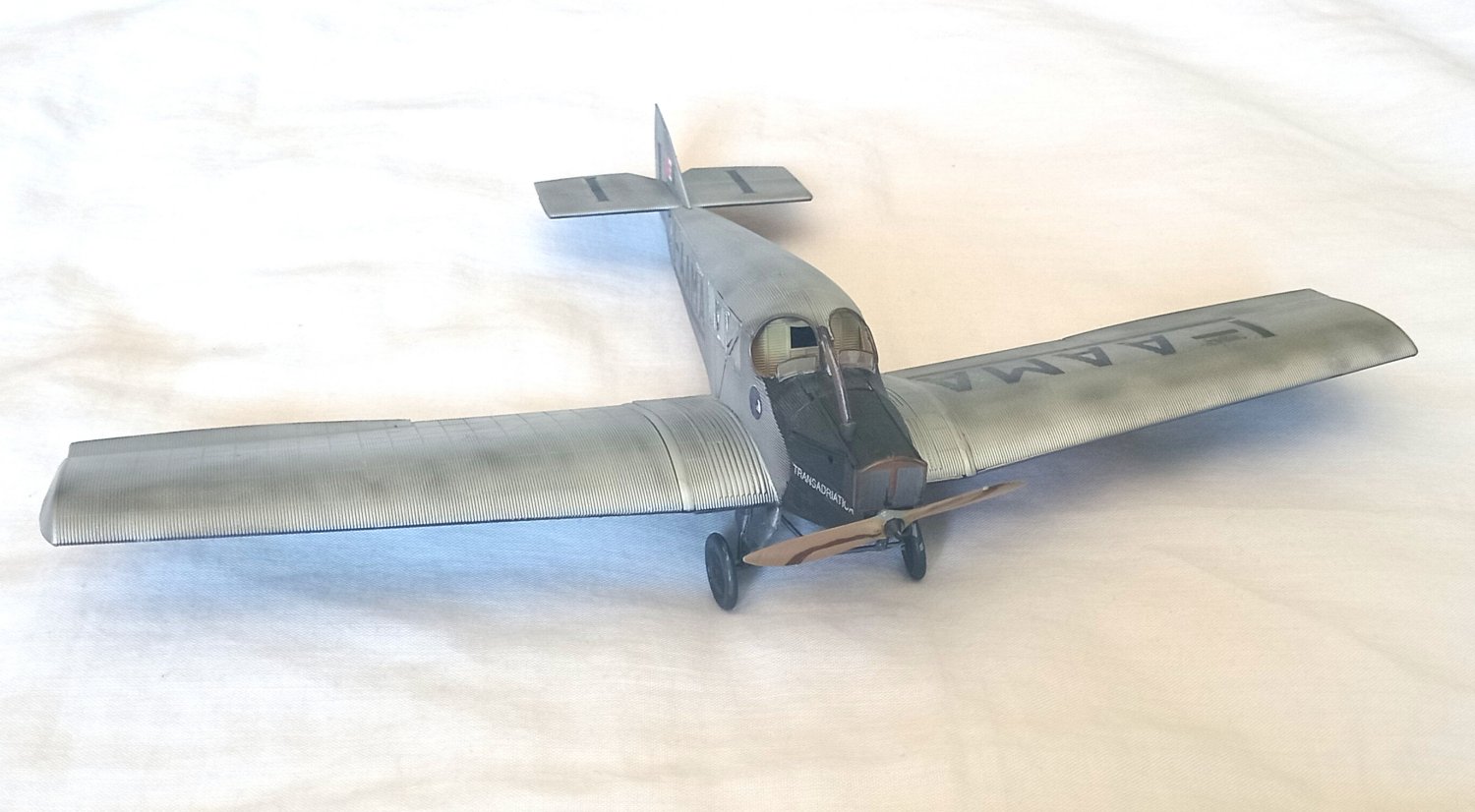
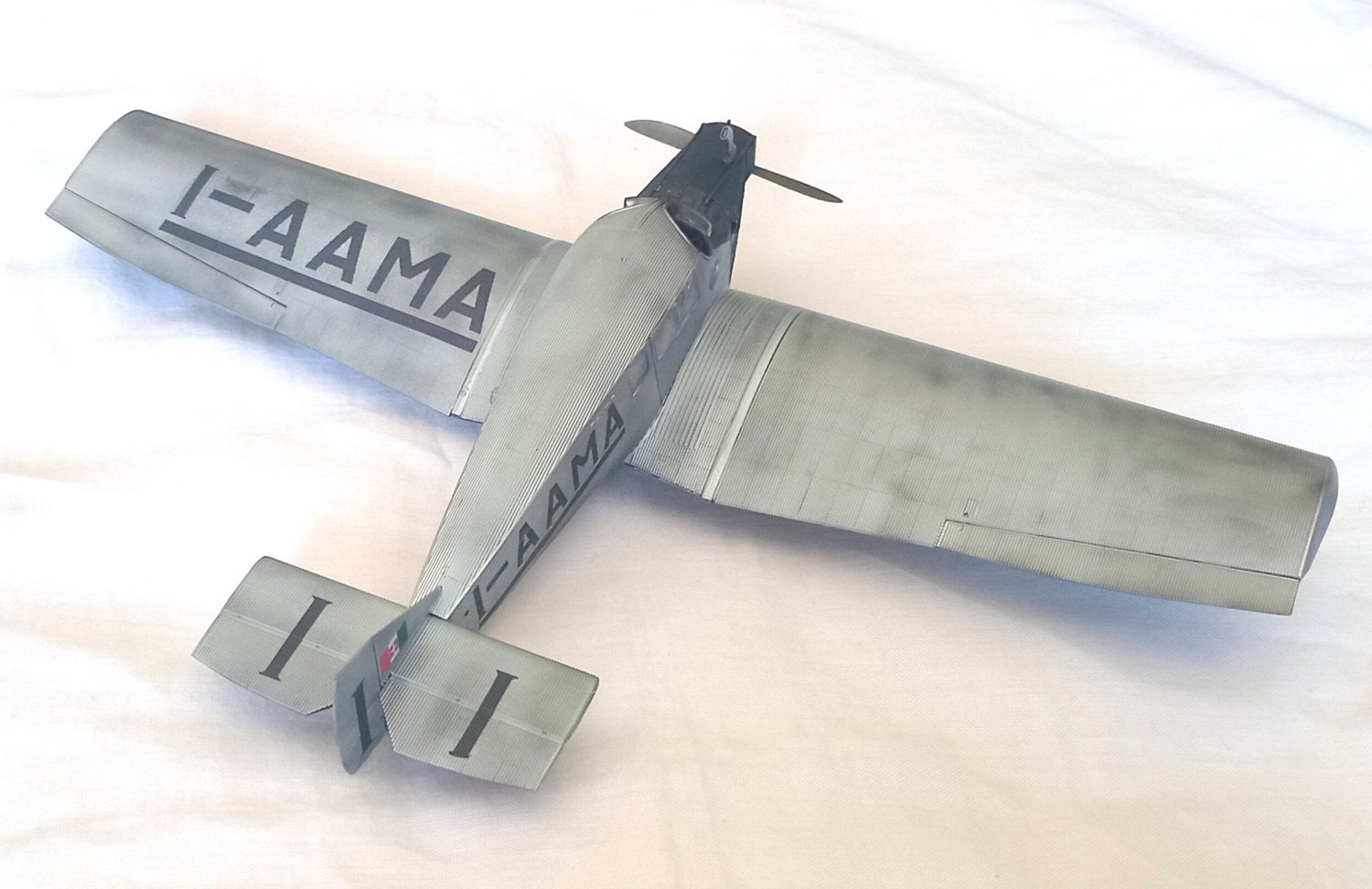
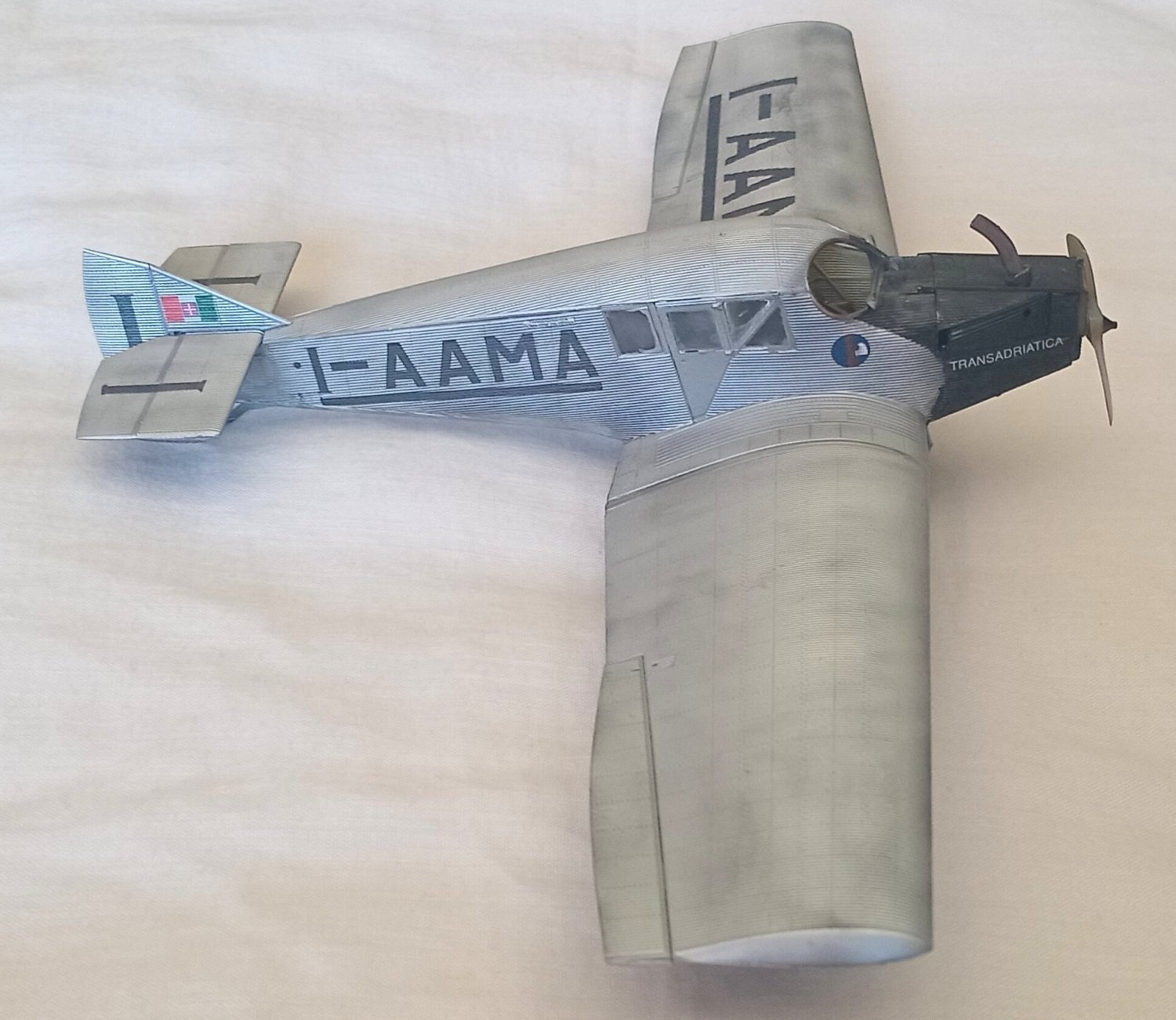
MiniArt 1/48 Junkers F13 Civil Transport by Vince Fiore |
|
|
|

Click the STORMO! Eagle to return to the Gallery |
|
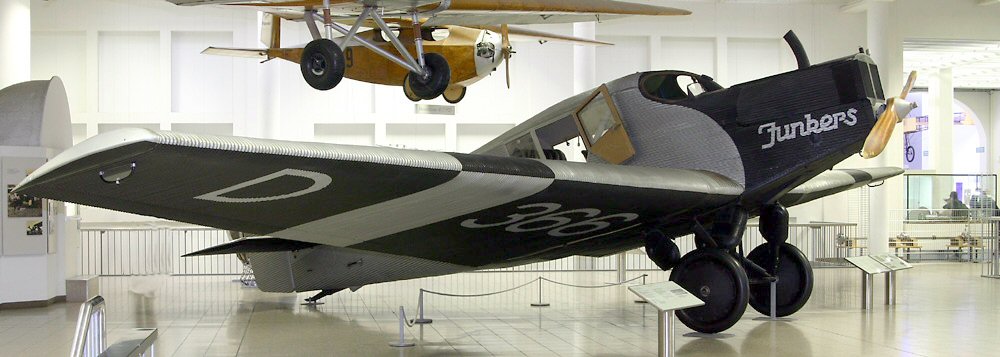
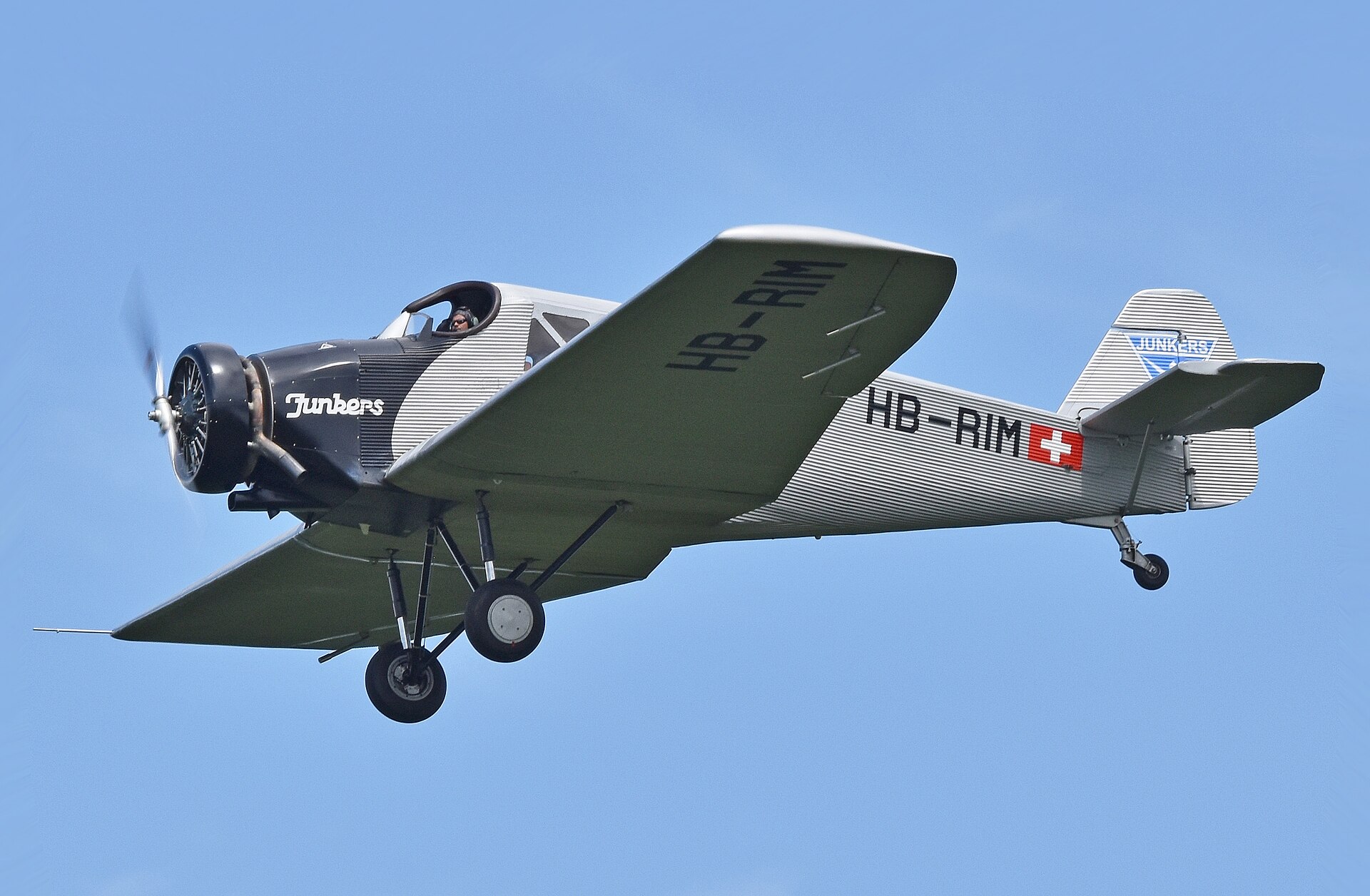
The Junkers F 13 was the world's first all-metal transport aircraft, designed and produced by the German aircraft manufacturer Junkers. Produced shortly after the end of the First World War, it was a cantilever-wing monoplane with enclosed accommodation for four passengers and a two seat open cockpit. Like all Junkers duralumin-structured designs, from the 1918 J 7 to the 1932 Ju 46, (some 35 models), it has an aluminium alloy (duralumin) structure entirely covered with Junkers' characteristic corrugated and stressed duralumin skin. Internally, the wing was built up on nine circular cross-section duralumin spars with transverse bracing. All control surfaces were horn balanced. A total of 322 aircraft were manufactured, a considerably large number for a commercial airliner of the era, and were operated all over the world. It accounted for over a third of air traffic in the early 1920s. It remained in production for thirteen years and in commercial service for more than thirty. There were many versions including floatplanes for water landing, skis, mailplane and different engines. Several survive in various states of repair in museums and a replica of the type was put back in production in the 2010s, taking flight once again nearly a century after the type first flew. In Italian Service: Six of these planes were received by Italy as war reparations from Germany after WWI. The planes were assigned to the Italian airline Transadriatica (Società Anonima di Navigazione Aerea Transadriatica). Transadriatica began operations on 12 August 1926 with a flight between Rome and Venice and a connection with the Junkers F 13 on the Venice-Klagenfurt-Vienna route, in collaboration with the Austrian airline ÖLAG. The service, which was initially operated on a prelminary basis, became regular on 1 February 1927, while on the following 19 April it was extended to three weekly flights to Vienna operating the Junkers G 24. Reference: [1] Wikipedia, "Junkers F 13"
Wikipedia, "Junkers F 13"
|
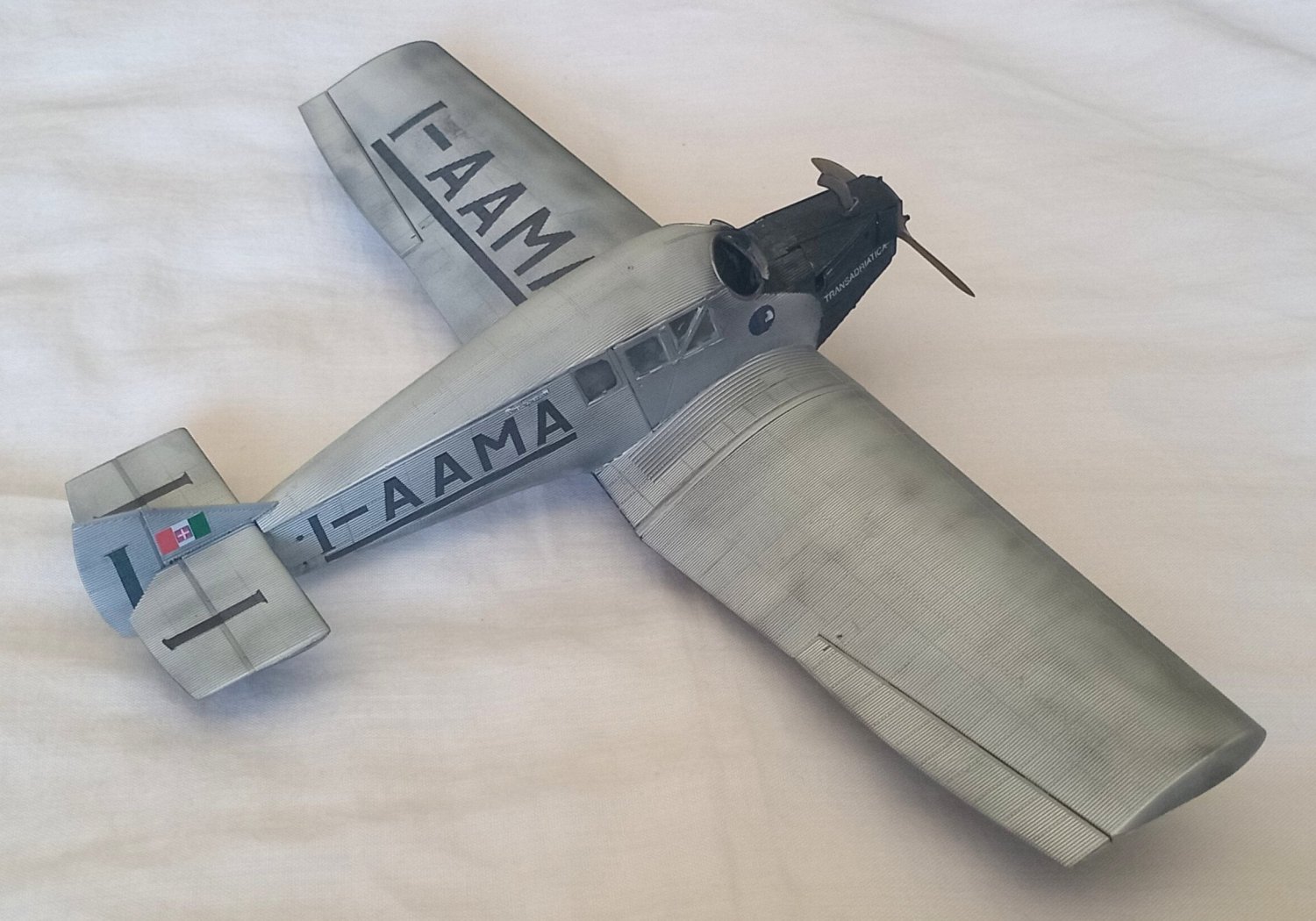
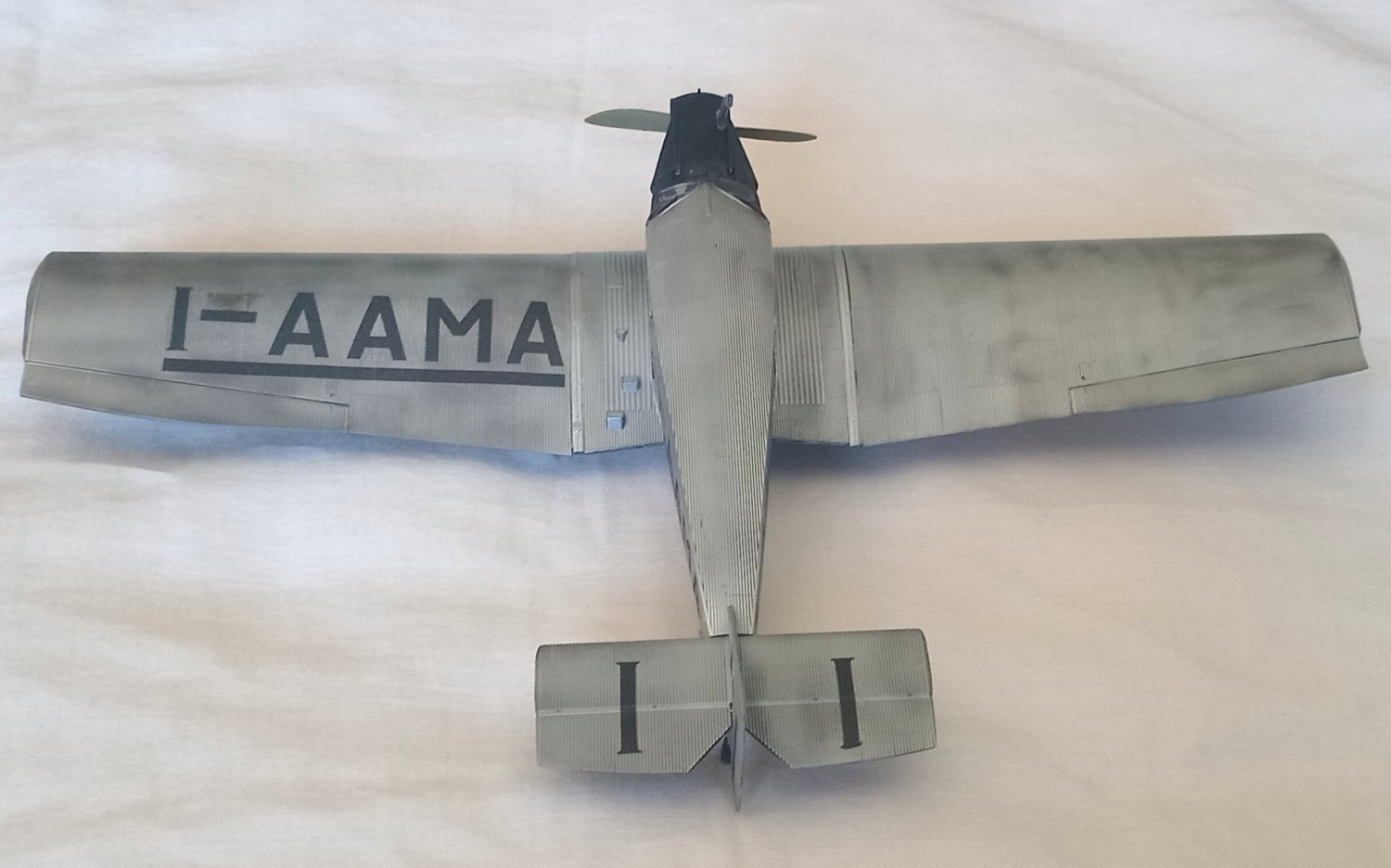
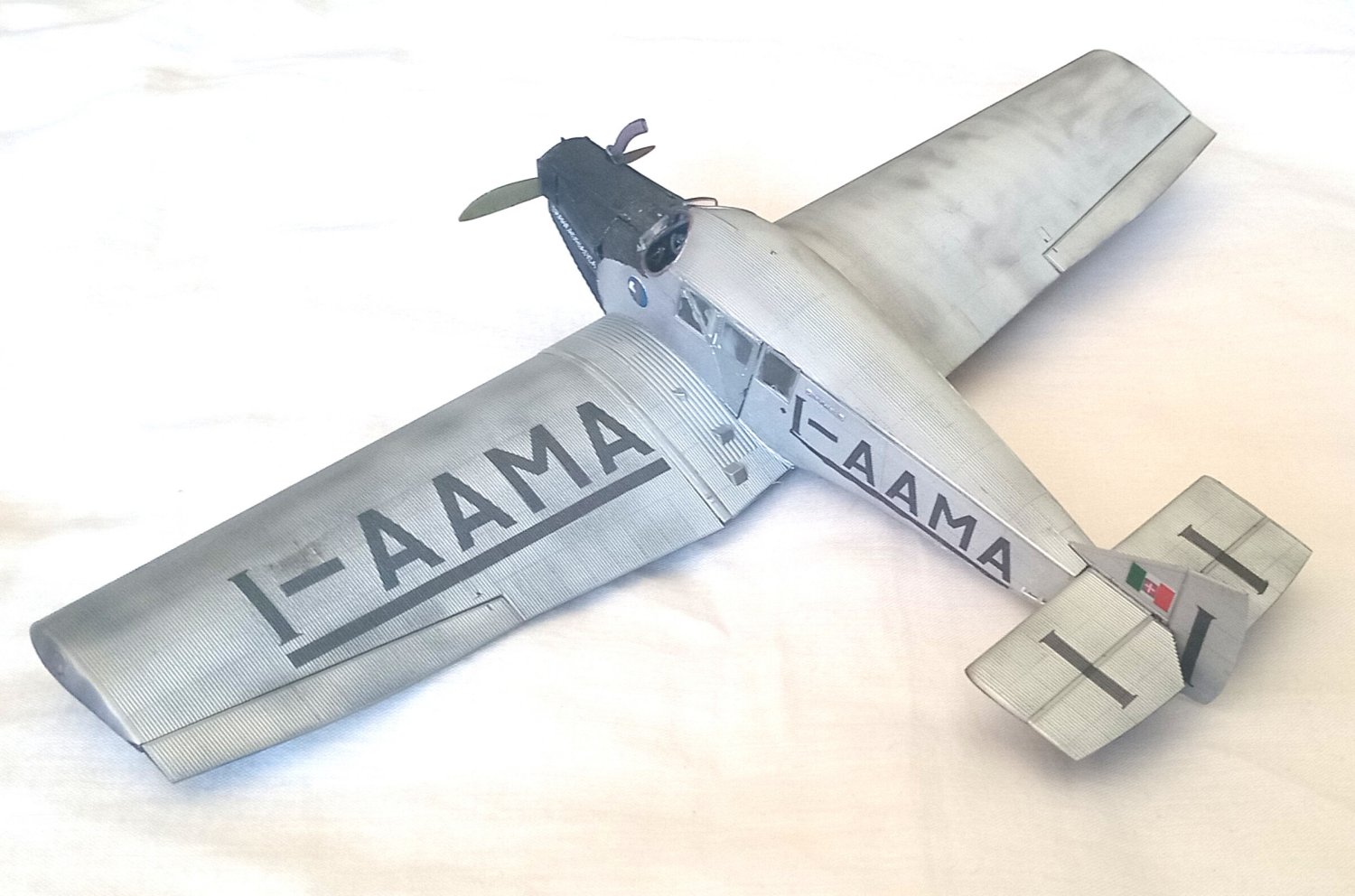
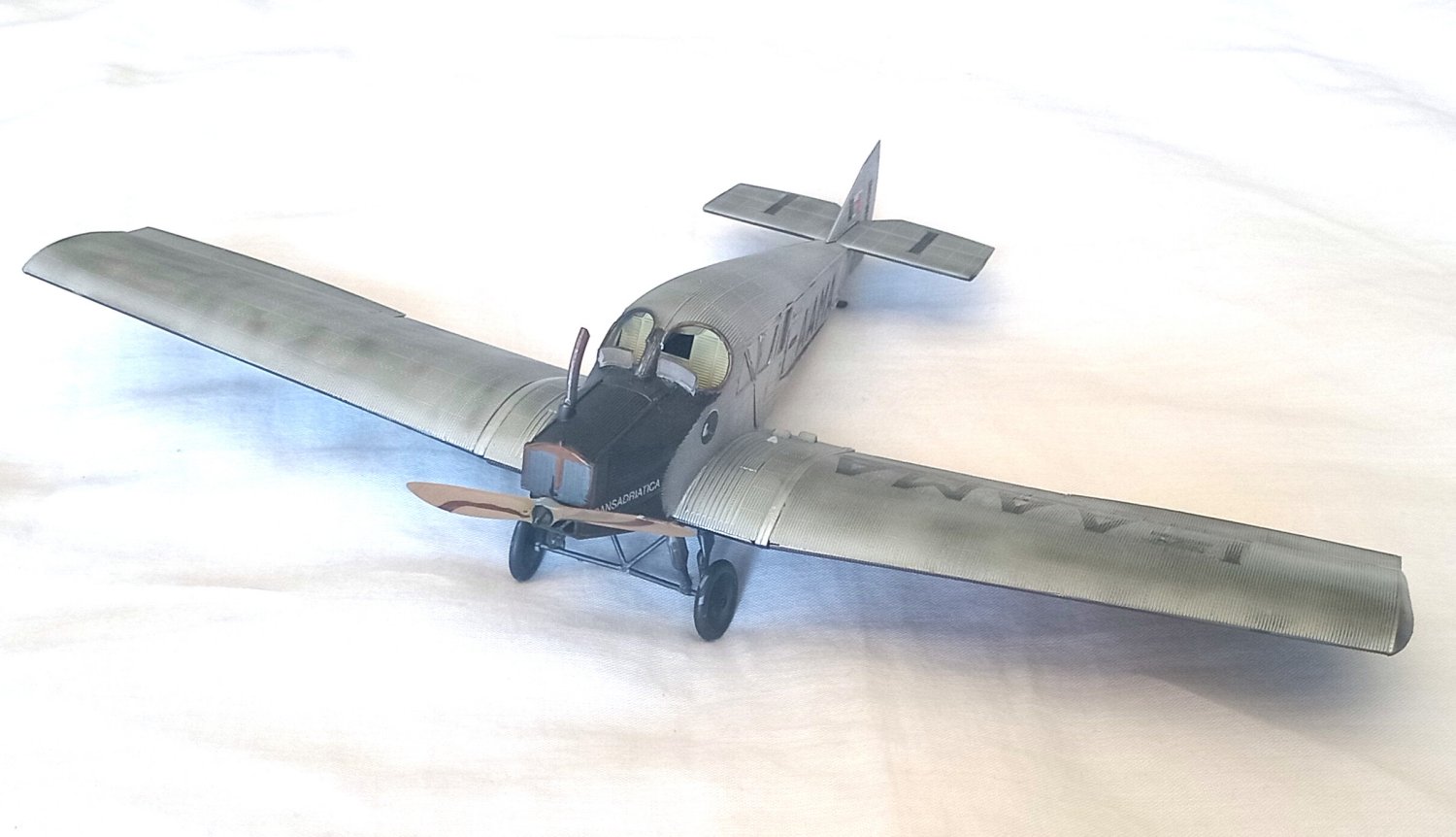
This is a MiniArt advance kit. This kit is one of the best-fitting kits I have come across in a very long time. I did not have to use filler on this kit. My only criticism is that the undercarriage is very weak, because it is in scale, the parts are very thin. I strengthened it by applying a thin layer of thick-superglue and spraying on a coat of activator. This kept it in scale but strengthend the undercarriage. One of my regrets is that, after spending a good amount of time on the engine you can't see it, because it gets completely buried and out of sight. I will say this is one of the best kits I have ever built. Mr. Finished surfacing 1500 black, which was used as primer. MRP White Aluminum for the airframe and a coat of MRP clear special matte for the entire airframe. Decals are Tauro model line art TM48-2118 in Italian service.
|
Aircraft: Junkers F 13 Manufacturer: Junkers Flugzeug und Motorenwerke A.G. Type: Civil Transport Year: 1919 Engine: 1 x Mercedes D.IIIa six-cylinder water-cooled in-line piston engine, 158 hp Wingspan: 48 ft 7 in (14.8 m) Length: 31 ft 6 in (9.59 m) Height: 11 ft 6 in (3.50 m) Weight: 3,616 lb (1,640 kg) (Loaded) Maximum Speed: 107 mph (173 km/h) Ceiling: 16,000 ft (5,000 m) Range: 870 miles (1,400 km) Crew: 2 Passengers: 4 |
|
|
|

|
|
|
|
|
|


|
|

|
|

|


|


|


|
|
|
|
April 2026 STORMO! © 2026 |