|
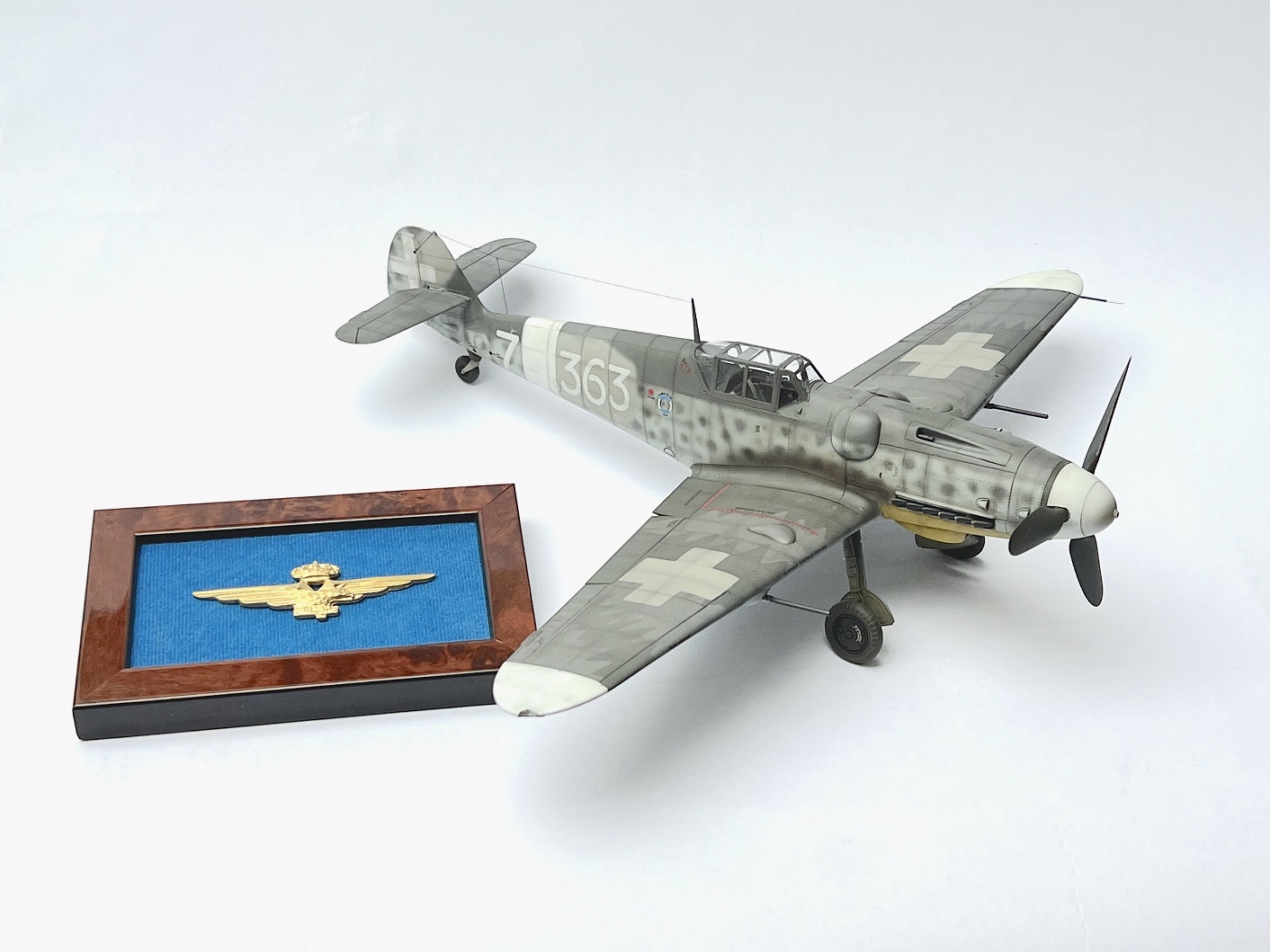
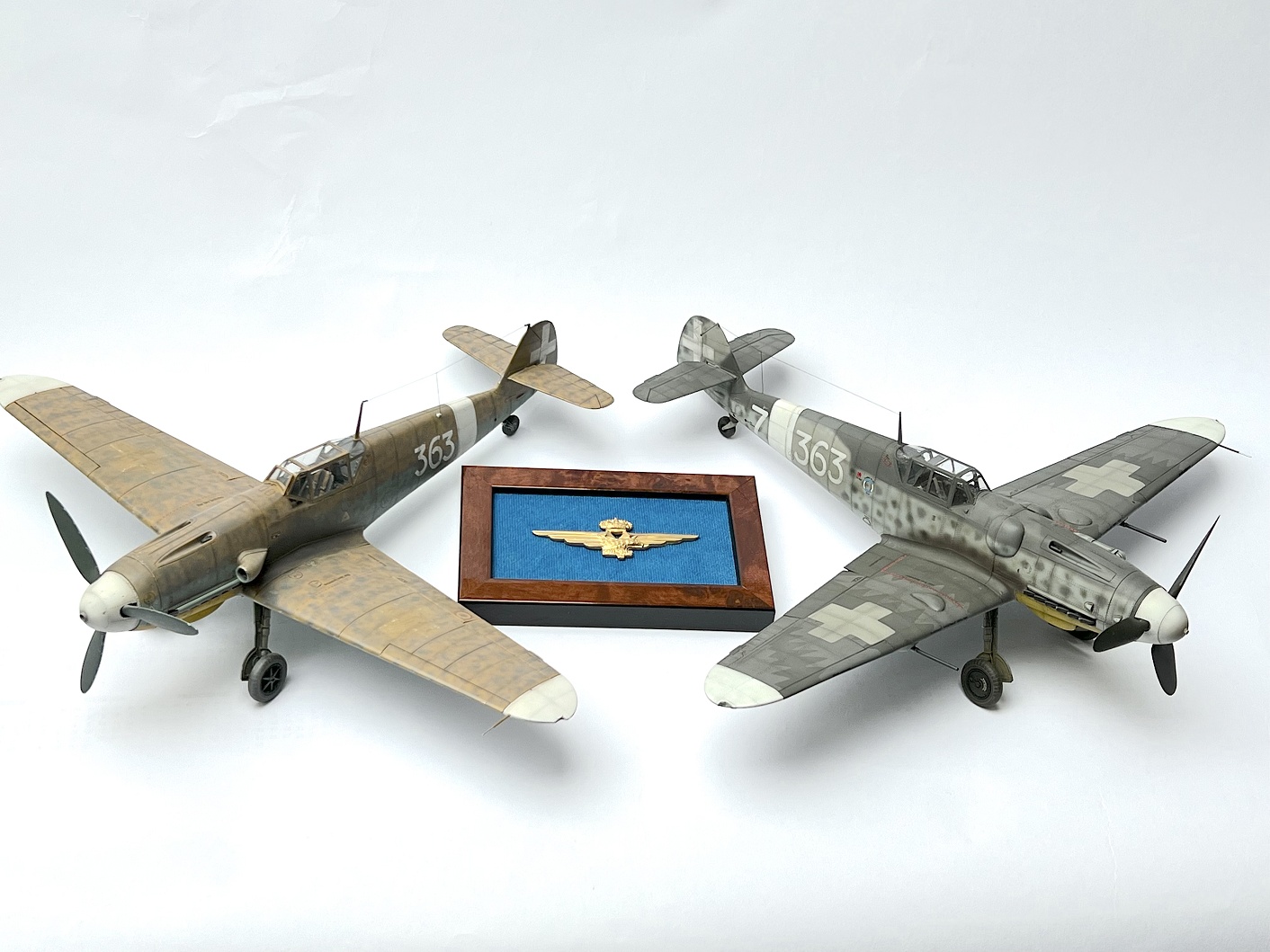
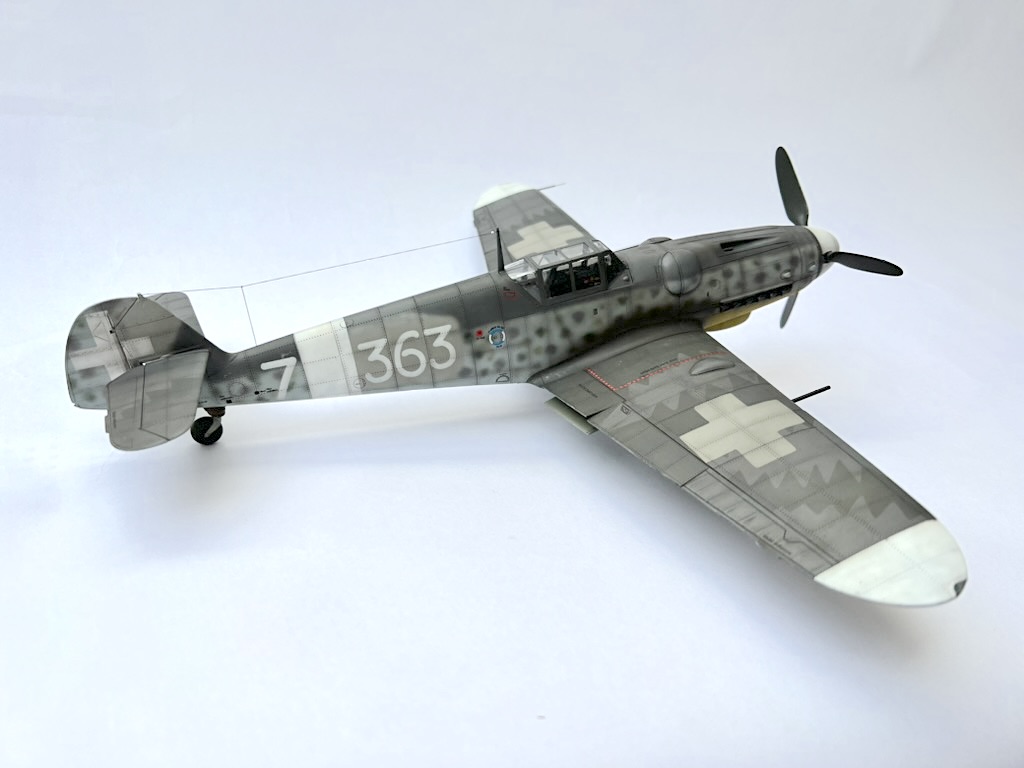
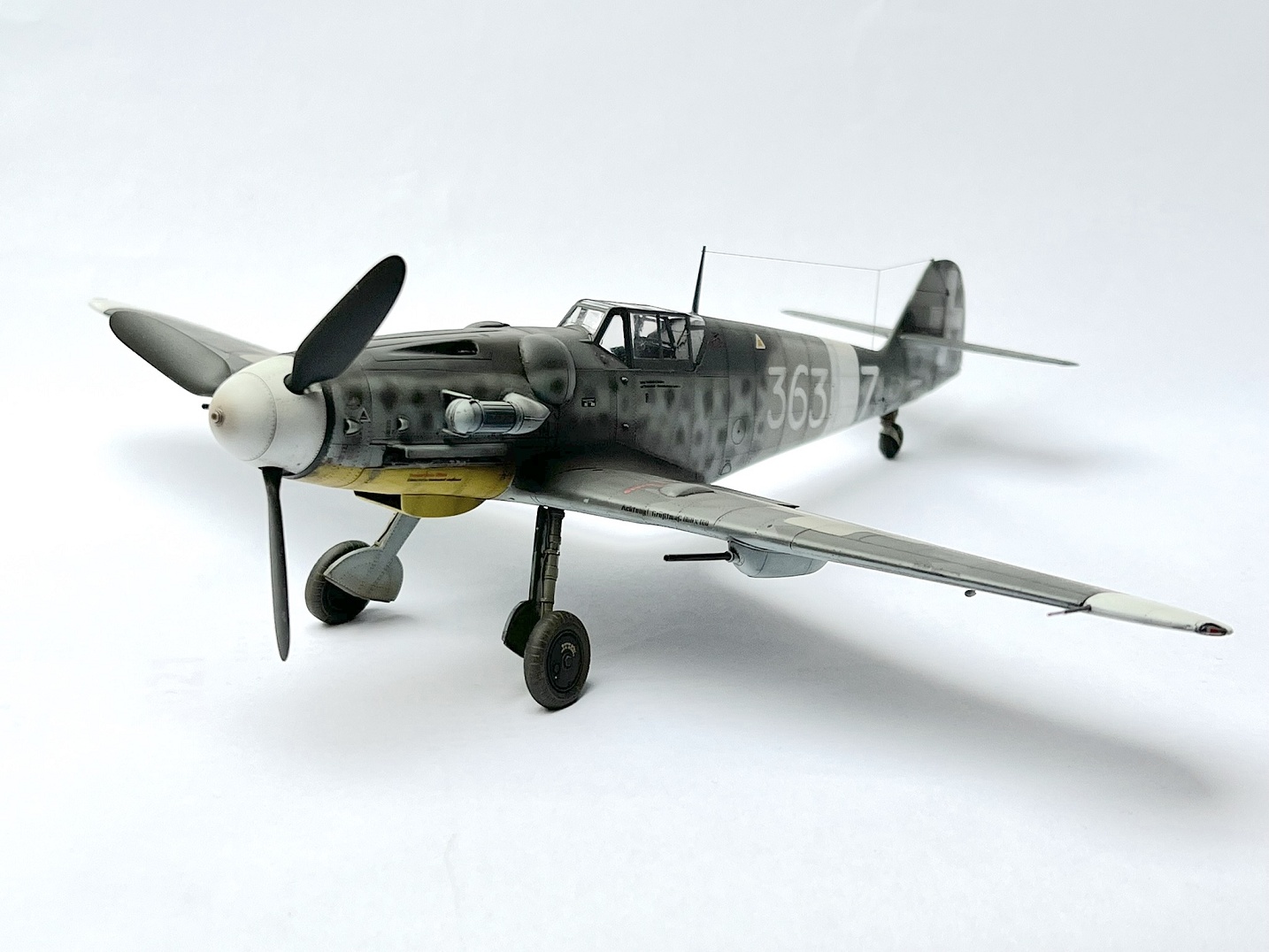
Ugo Drago
Ugo Drago was born at Arborio (Vercelli) on 3 March 1915. He obtained a diploma from the Rome Accademia di Educazione Fisica
(Academy of Physical Education), working for a time as an instructor before deciding to join the air force. He obtained his 'wings' in 1939,
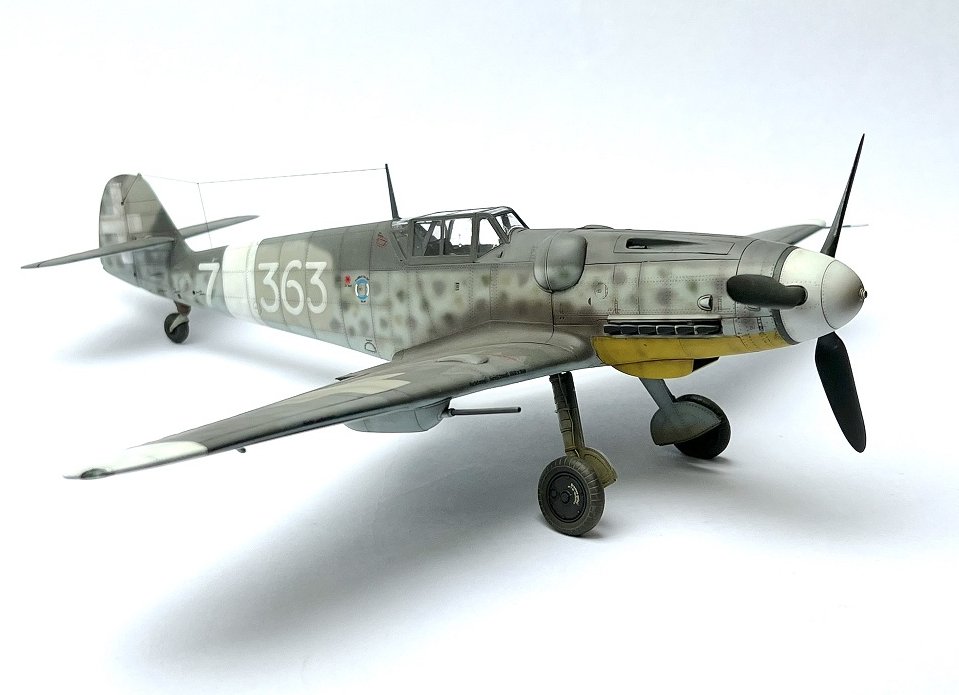
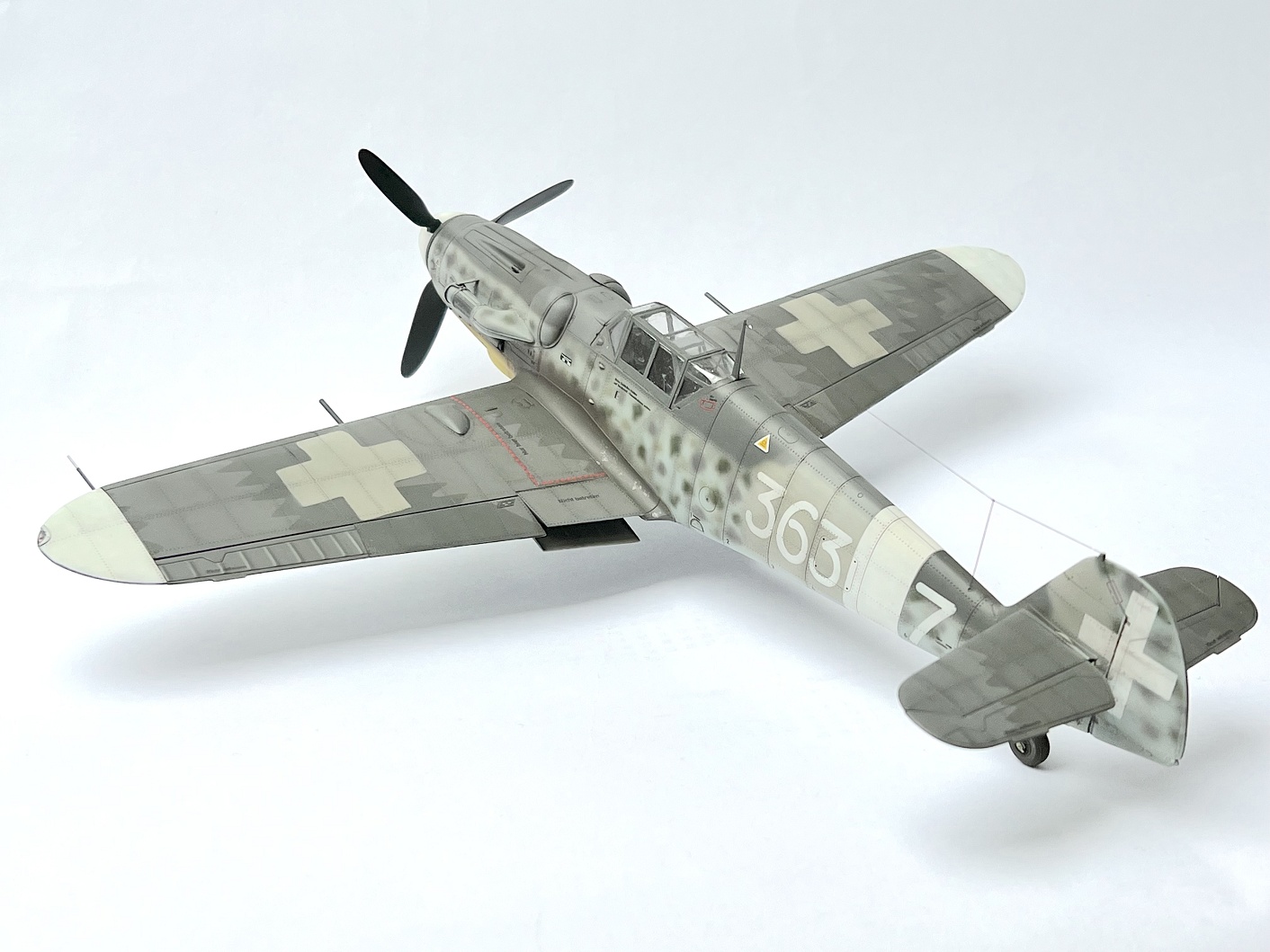
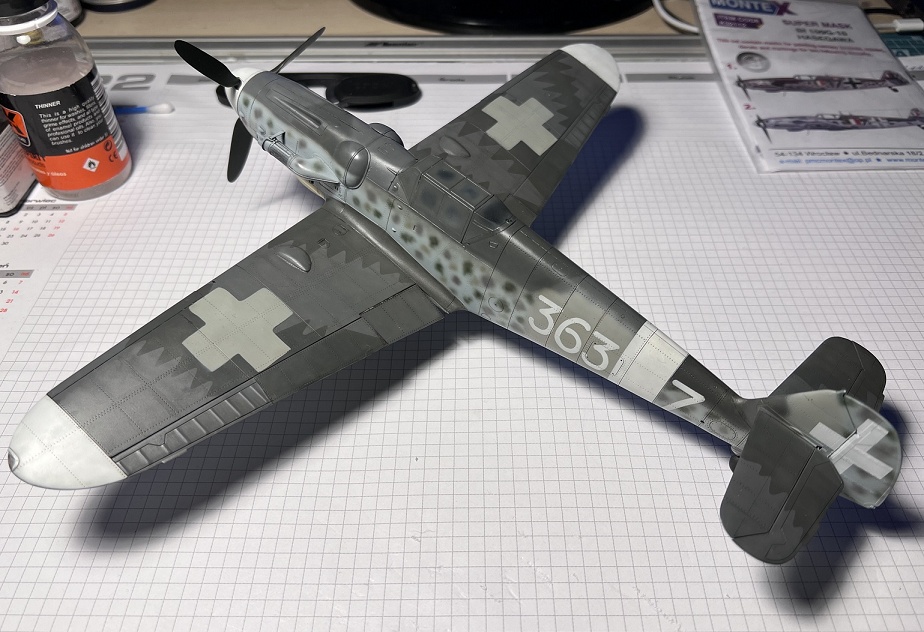
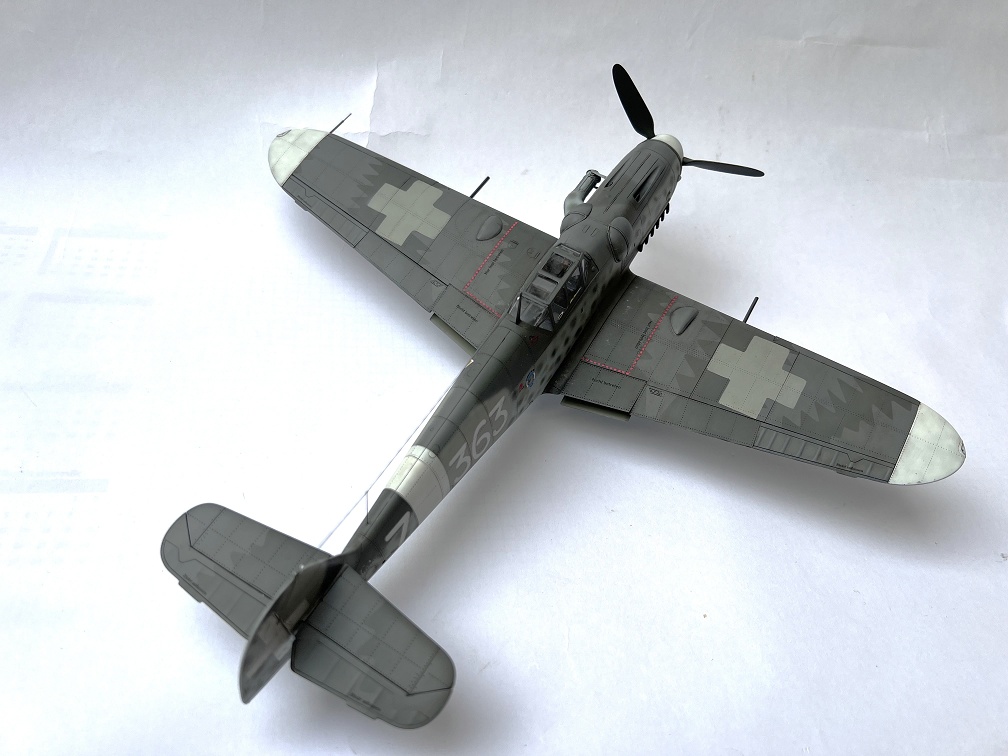
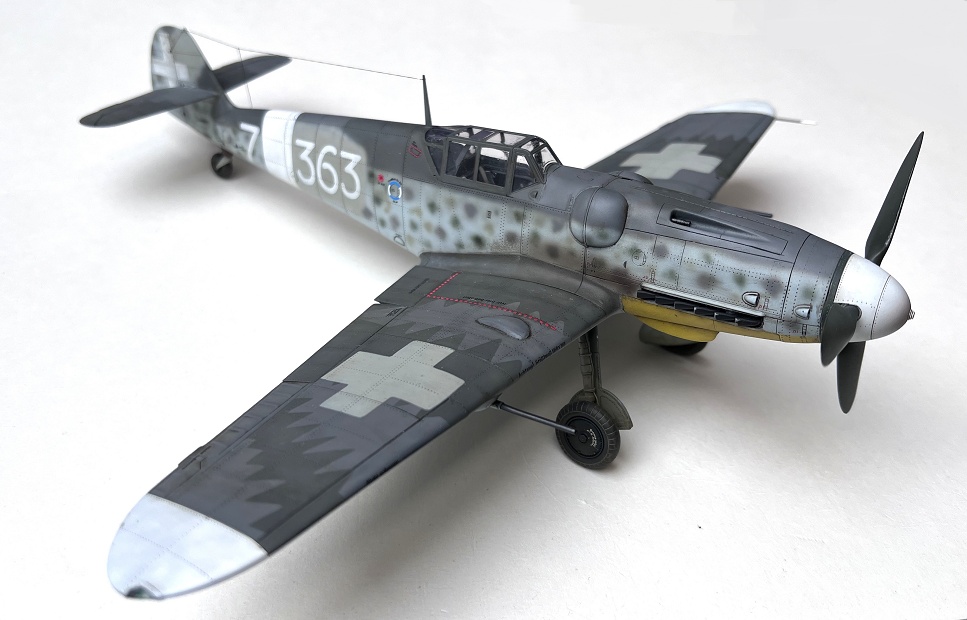
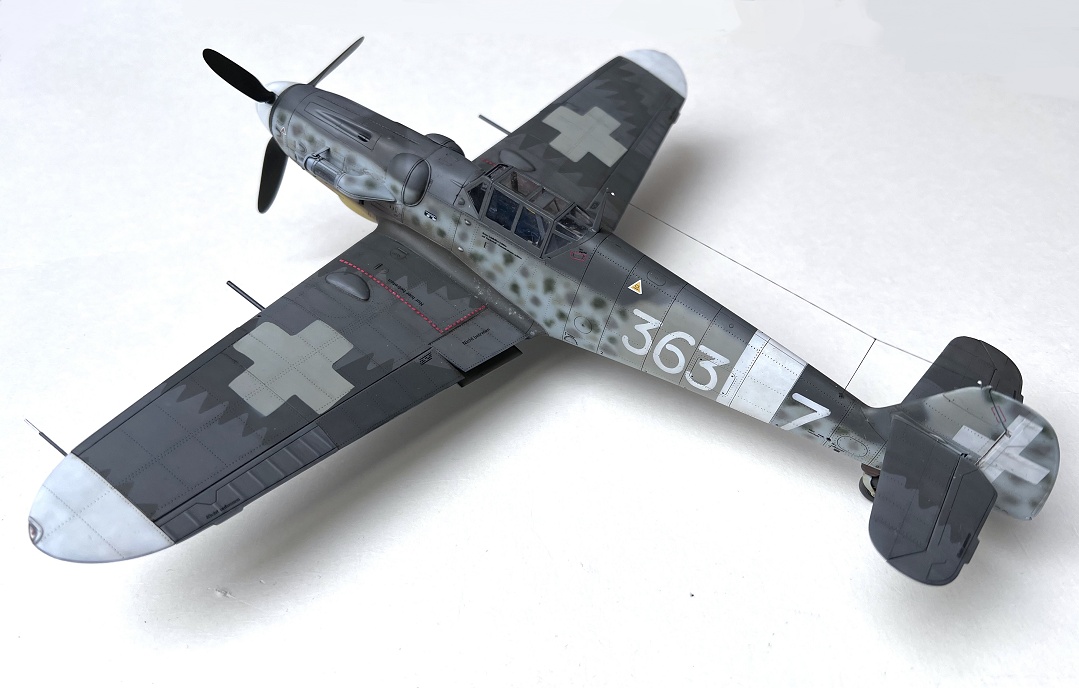
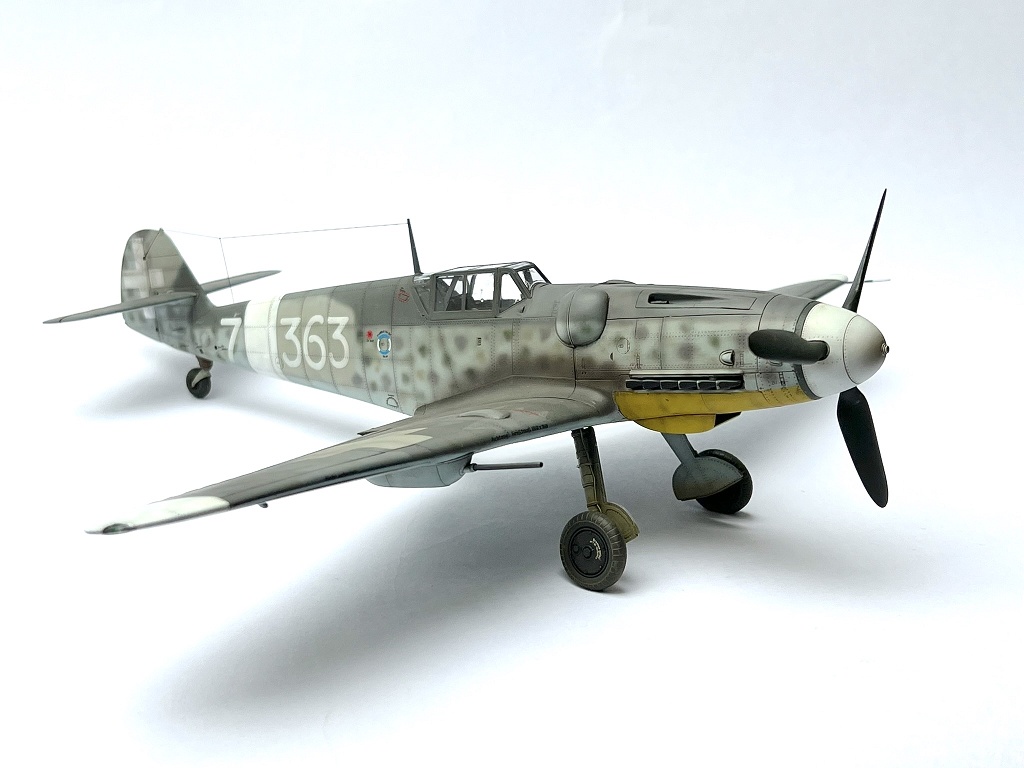
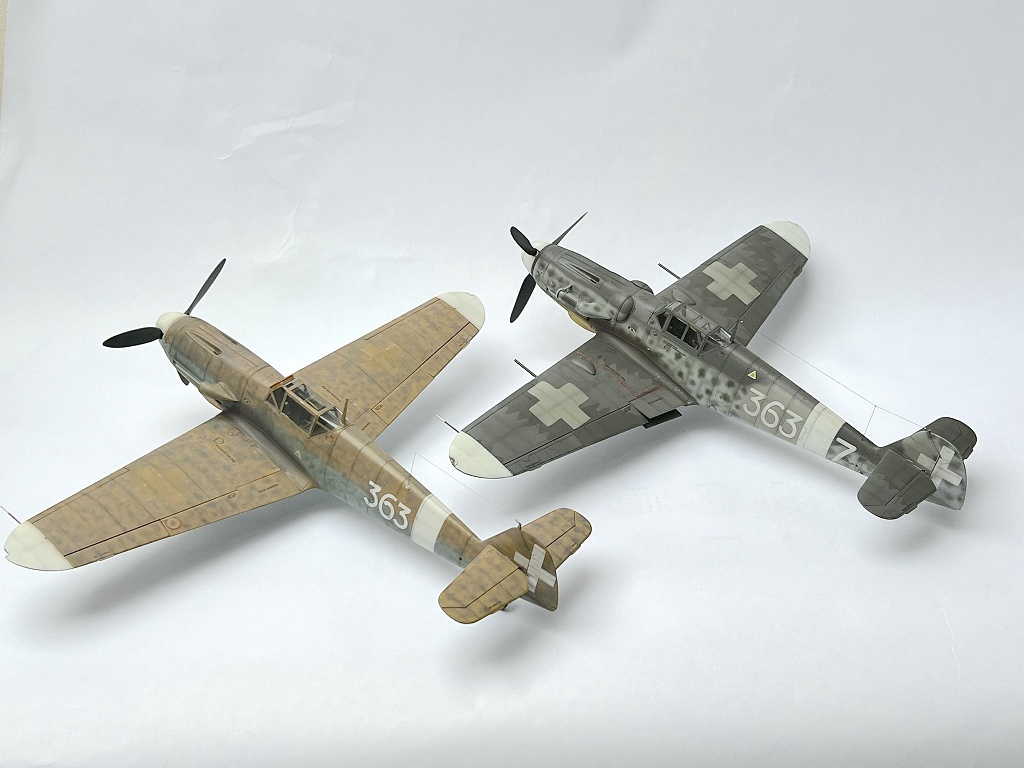
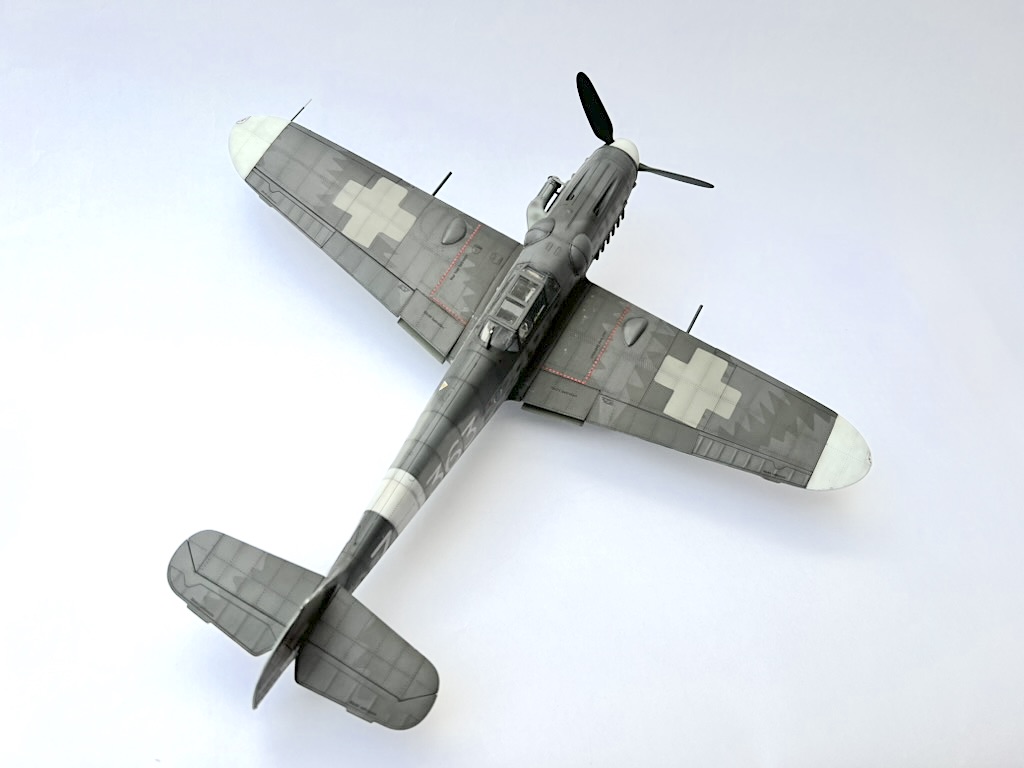
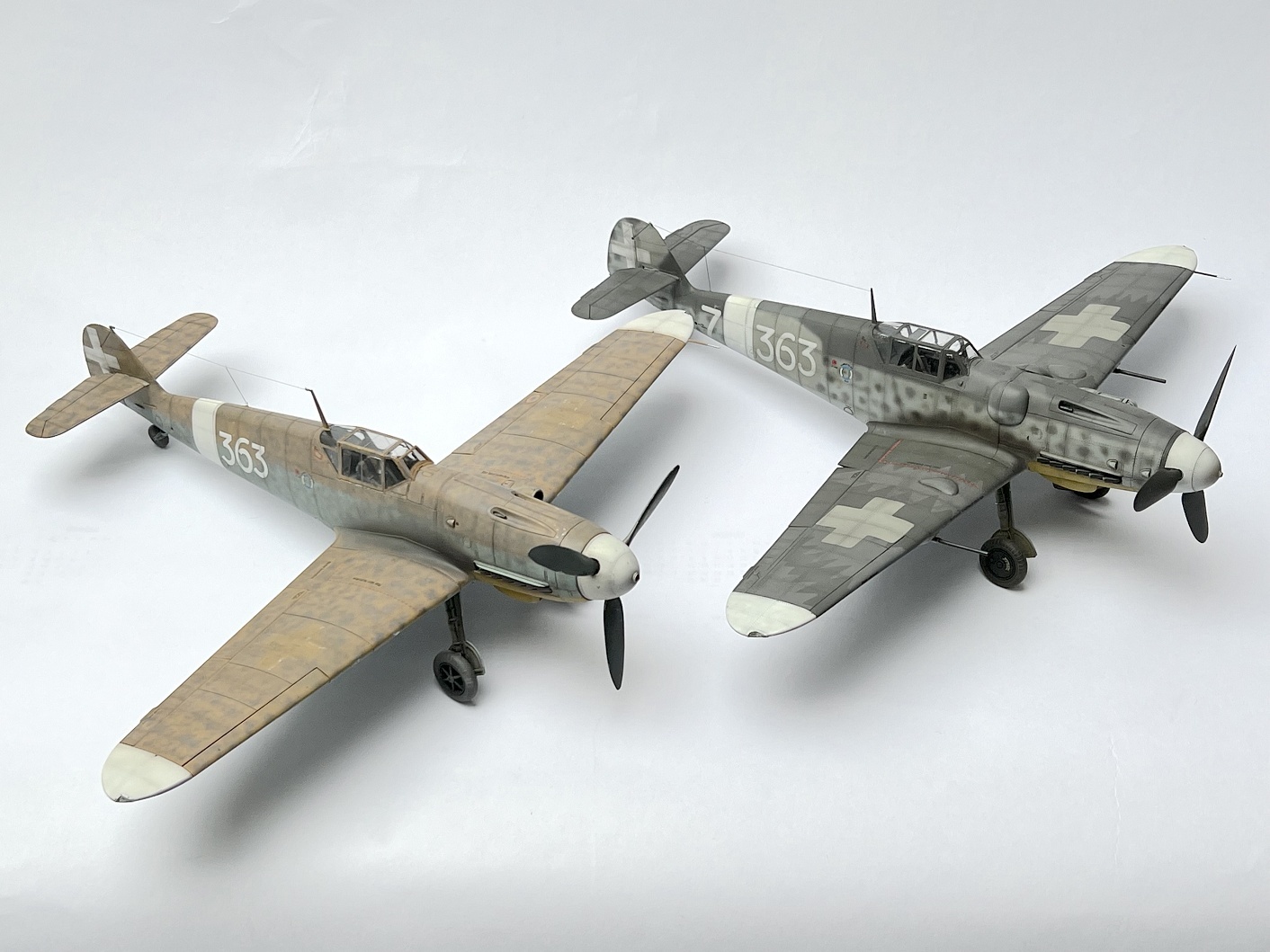
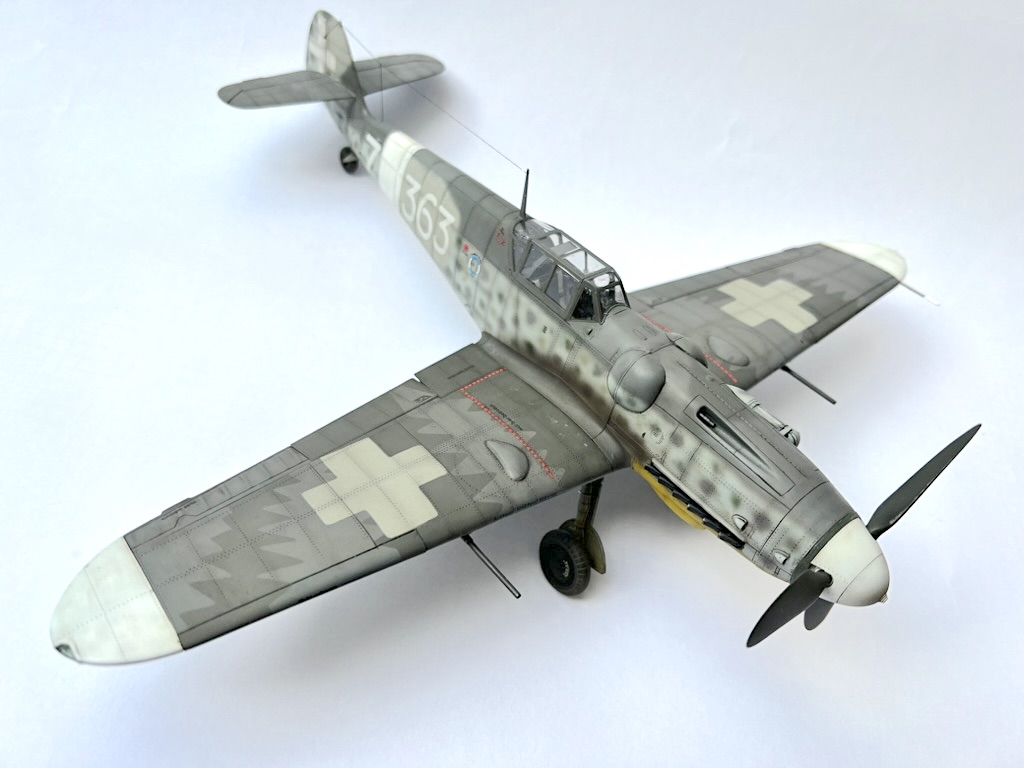
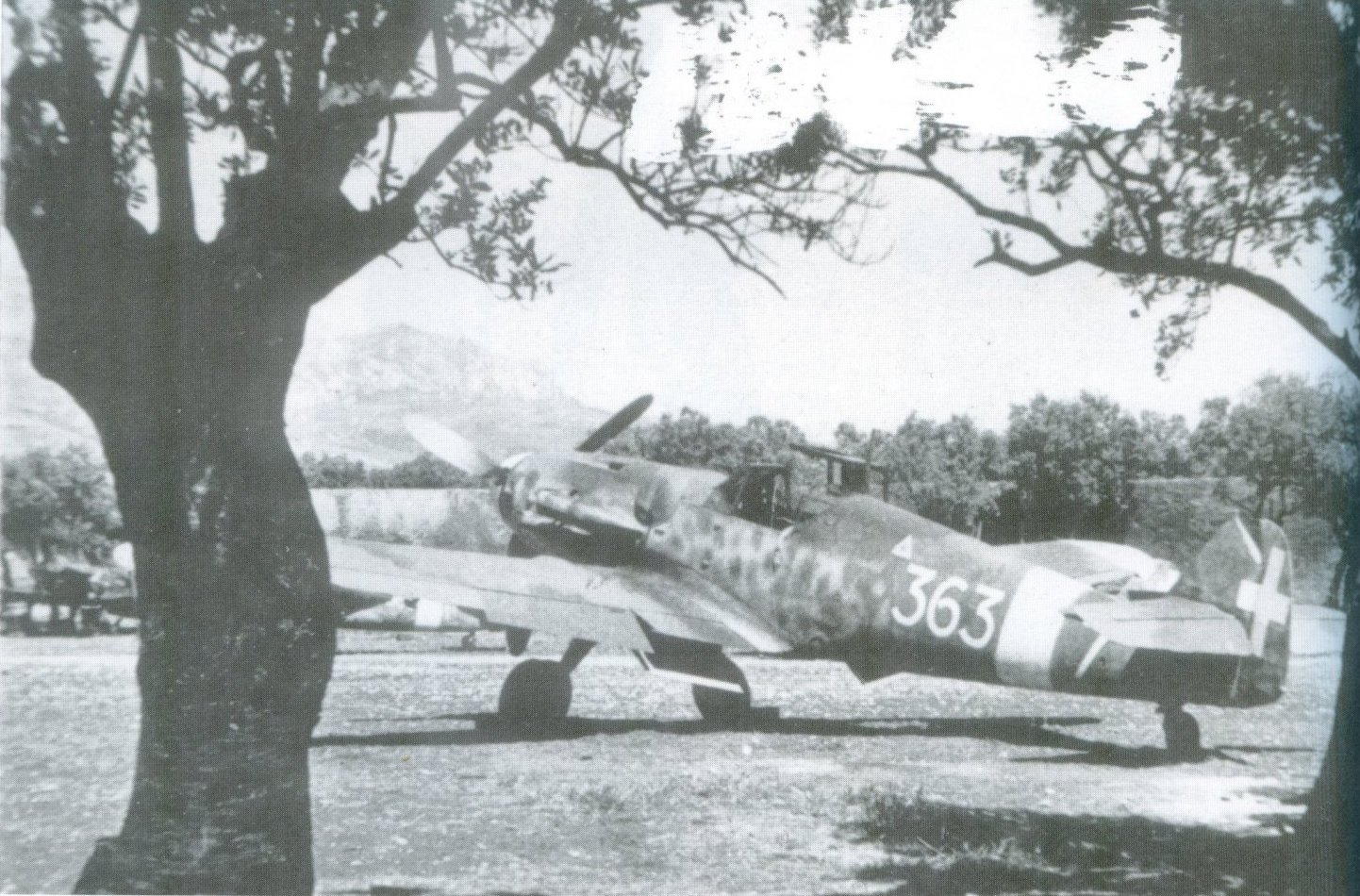
was given the temporary grade of Sottotenente, and was posted to CR.42-equipped 363a Squadriglia, 150° Gruppo. He eventually rose to
the position of commander of this unit in June 1942, and he remained with the gruppo up until the Armistice was announced.
Drago had obtained his first victory whilst flying a CR.42 on 2 November 1940, the future ace downing a Greek PZL P.11 during a
bomber escort mission to Salonicco. Another two Polish-built fighters fell to his Safat guns on 14 November over Korirza, and he claimed a
Blenheim on 13 February 1941. At the end of the Greek campaign, having re-equipped with C.200s, 150° Gruppo remained in the Balkans
to defend the territory captured by the Axis powers. The unit stayed in Greece until December 1941, when it was posted to North Africa to
undertake convoy escort and tactical support missions.
Starved of opportunities to add to his tally of four kills, Drago was transferred with the gruppo to Sicily in the spring of 1943, where it
became the first unit in the Regia Aeronautica to re-equip with the Bf 109G. After initial teething troubles with the Messerschmitt fighter
during the brief work-up period, the Italian pilots soon grew to appreciate the aircraft's proven operational capabilities.
On 9 June a signal from the Sicilian HQ of the Regia Aeronautica to the Air Ministry reported how that 14 C.202s and four Bf 109s had
'engaged a formation of some 50 Spitfires and P-38s in combat in the skies above Pantelleria - four Spitfires were shot down, plus four more
probably destroyed'. During the course of the battle Drago and two other Italian pilots had been shot down. A second signal soon followed
the first, reporting that "Tenente Pilota Drago of the 150° Gruppo, who returned last night from Pantelleria in a S.81, has declared that he
definitely shot down two Spirfires during the engagement over Pantelleria. These would be his last kills with the Regia Aeronautica.
Together with a good number of pilots from his gruppo, Ugo Drago chose to side with the Repubblica Sociale Italiana following the
Armistice, joining II° Gruppo Caccia. He was given command of 1a (later renumbered 4a) Squadriglia, which flew G.55s for a short time
before converting onto the Bf 109G. Drago was credited with 11 personal victories during the period 24 June 1944 to 23 March 1945, and
was duly promoted to the rank of Capitano. These victories consisted of four P-47s, two P-51s, a P-38, a B-24, a Boston, a B-26 and a B-25.
By VE-Day, Drago and Capitano Mario Bellagambi had jointly become the highest-scoring aces of the ANR.
Ugo Drago flew over 400 combat missions during World War 2, being decorated wirh three Silver Medals for Military Valour (plus
another awarded by the RSI), two War Crosses, and German Iron Crosses, First and Second Class.
Post-war, he emigrated to Argentina (where he was joined by other Italian aces such as Giuseppe Robetto and Adriano Manrelli) and
found employment as a flight instructor. In 1953 Drago returned home to join Alitalia, and subsequently enjoyed a long career as a
Comandante. Ugo Drago passed away on April 22, 2007 in Rome, Italy.
Source:
[2] Massimello G. and G. Apostolo, "Italian Aces of world War 2", Osprey Aircraft of the Aces 34, Osprey Publishing, 2000.
|
|
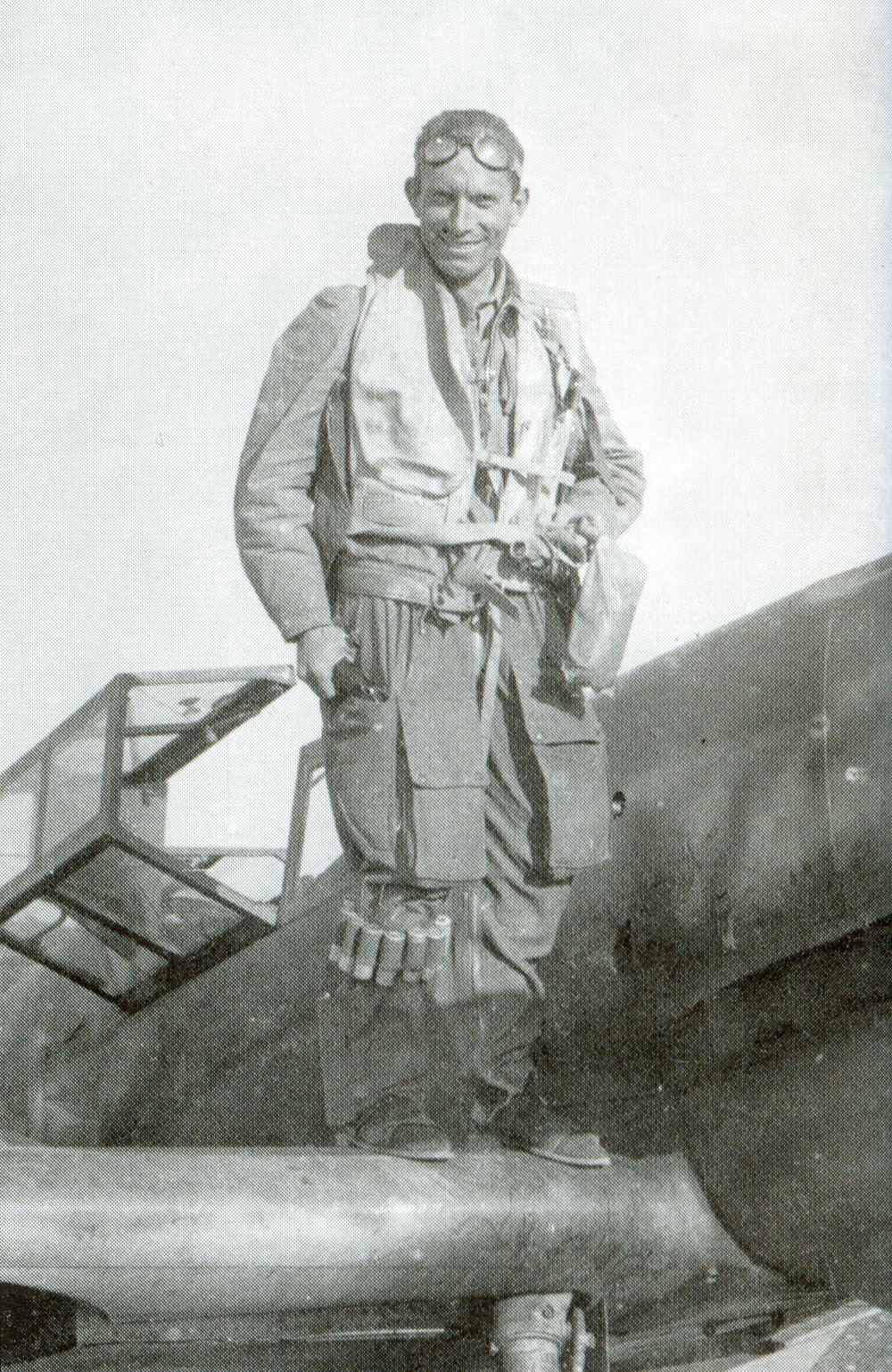
Weighed down with all the accoutrements associated with a fighter pilot in the final months of
the war, II° Gruppo Caccia's Capitano Ugo Drago stands on the wing of his ANR Bf 109G [2].
|
|
|
|
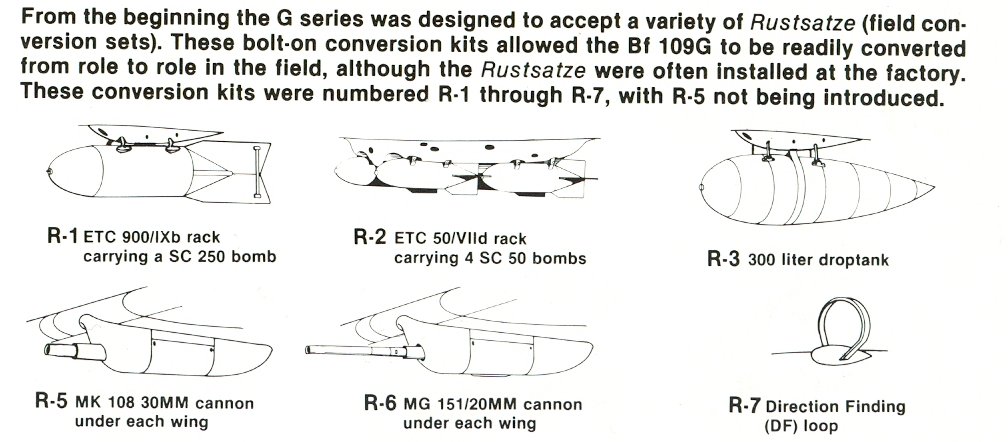
Source: Beaman, Jr., J. R. and D. Greer, "Messerschmitt Bf.109 in action Part 2", Aircraft Number 57,
Squadron/signal Publications,1983.
|
|
|