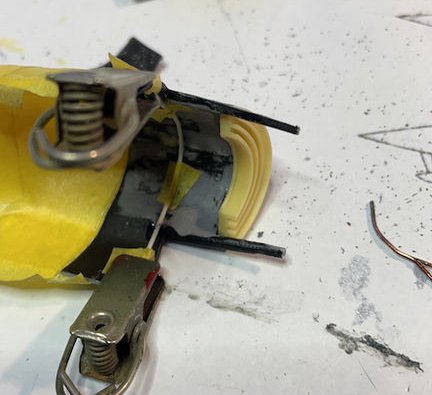
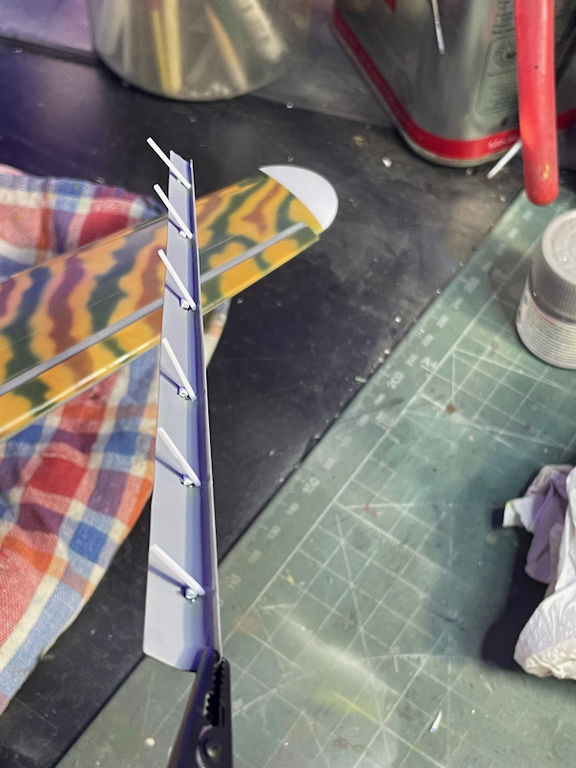
|
Classic Airframes 1/48 Savoia-Marchetti SM.79 I Sparviero (Sparrowhawk) by Paolo Carli |

 |

Click the STORMO! Eagle to return to the Gallery |
|
S.79 I - Bombardiere (Bomber):
|

|
|
|
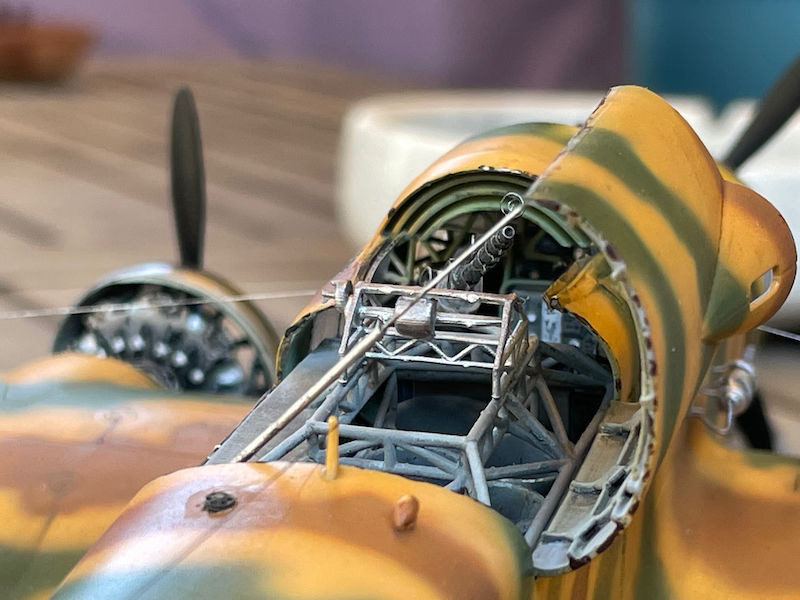
|

|
The starting box will be the Classic Airframe in 1/48 and the kit will be extensively detailed to make it in my style.
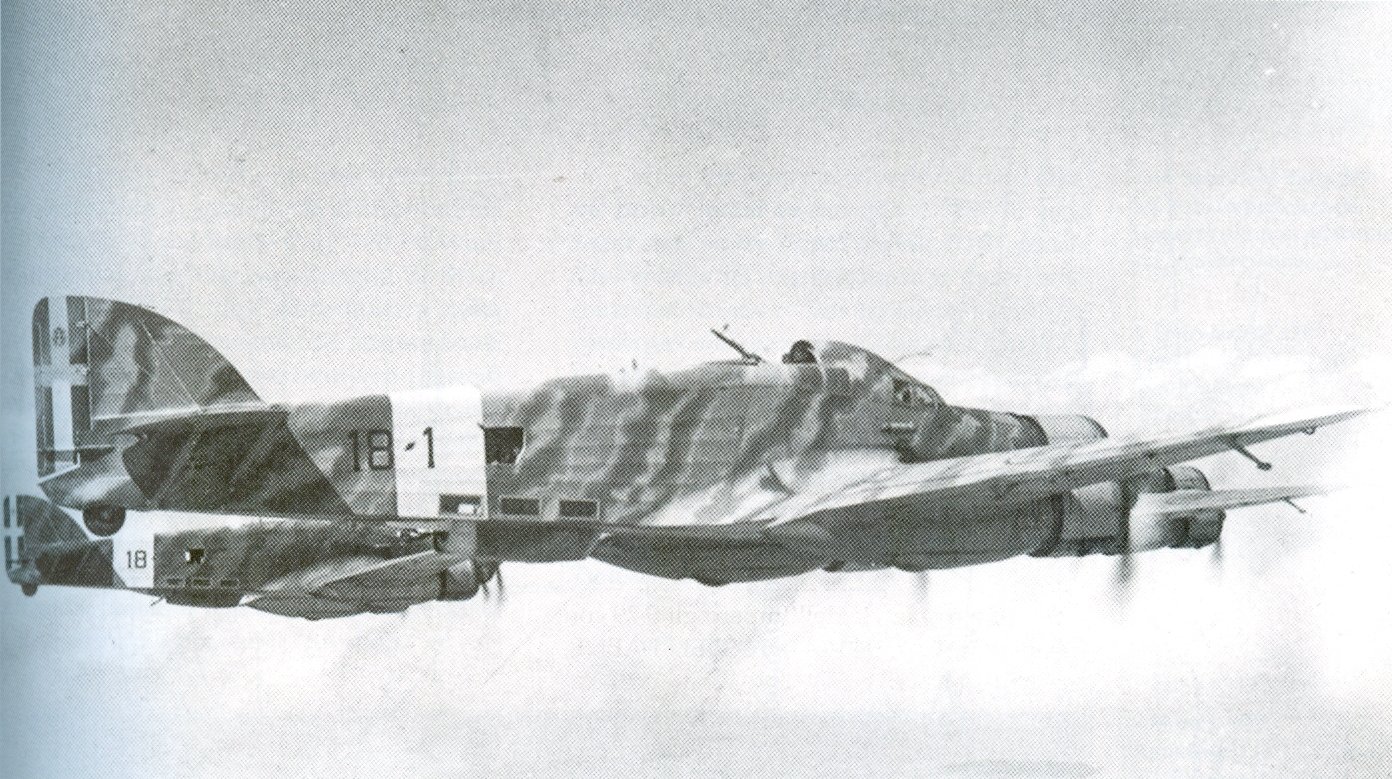
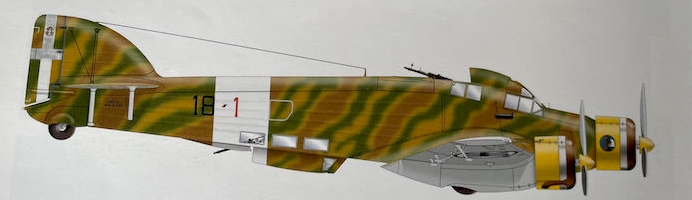
The aircraft modeled is SIAI S.79 of the 18th squadron, 27th group, 8th wing B.T. near Martuba in May 41:
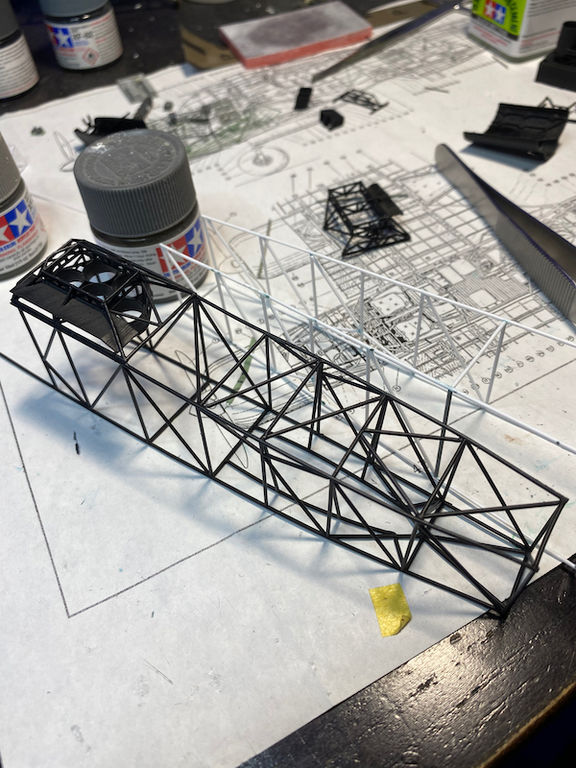
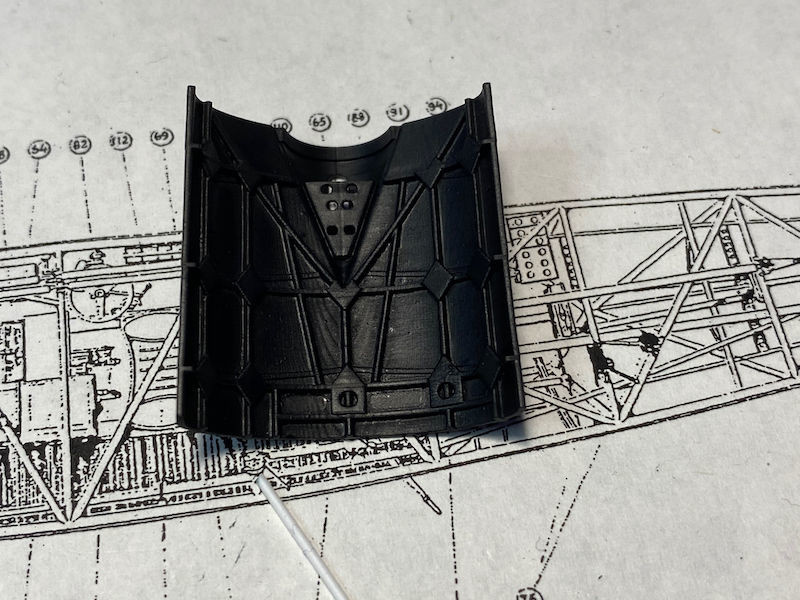
Let's begin: First of all I began to sand the fuselages to thin the plastics, the aim is to reproduce the entire internal structure through the use of polystyrene rods with a section of 0.88 and 0.50 mm
here you can see the section differences: 


To complete everything I opened the tiles of the machine gunner's position, the upper bomb compartment, the entrance door for the crew and the side windows for the weapons in the fuselage: 

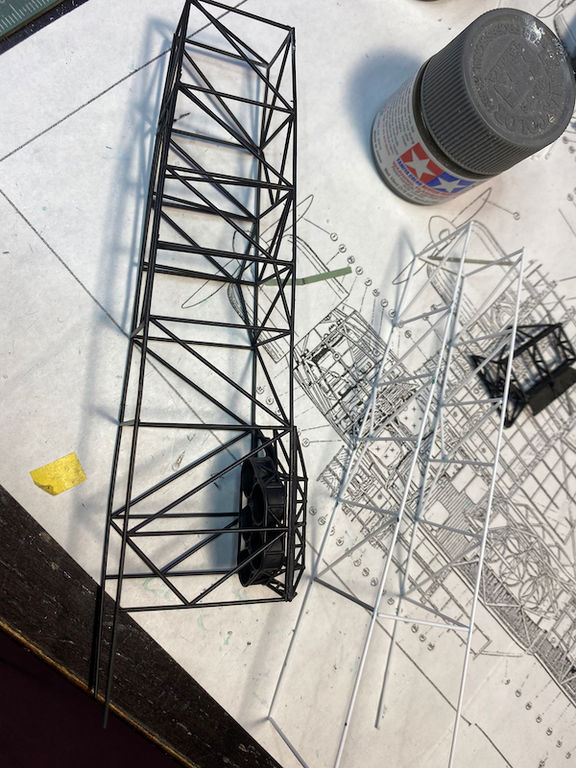
Using the scale drawings I proceeded to build all the internal bones and the upper structure:
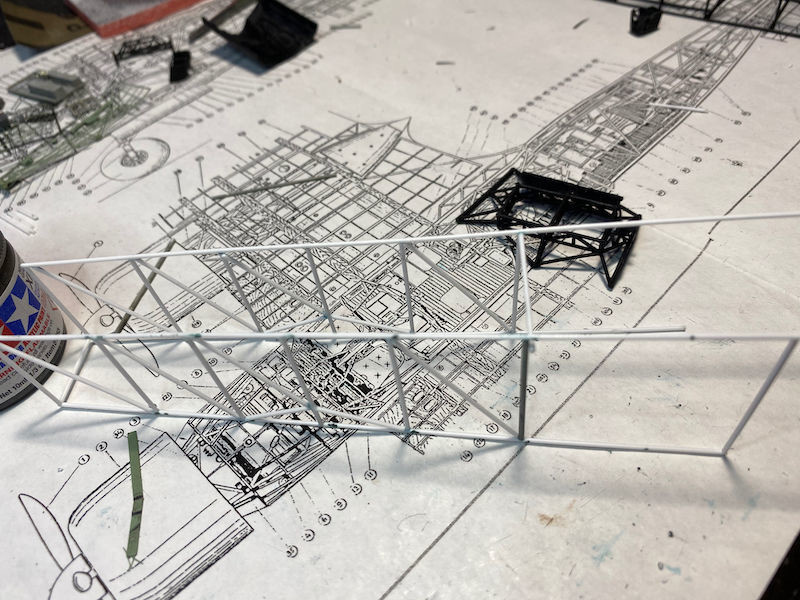



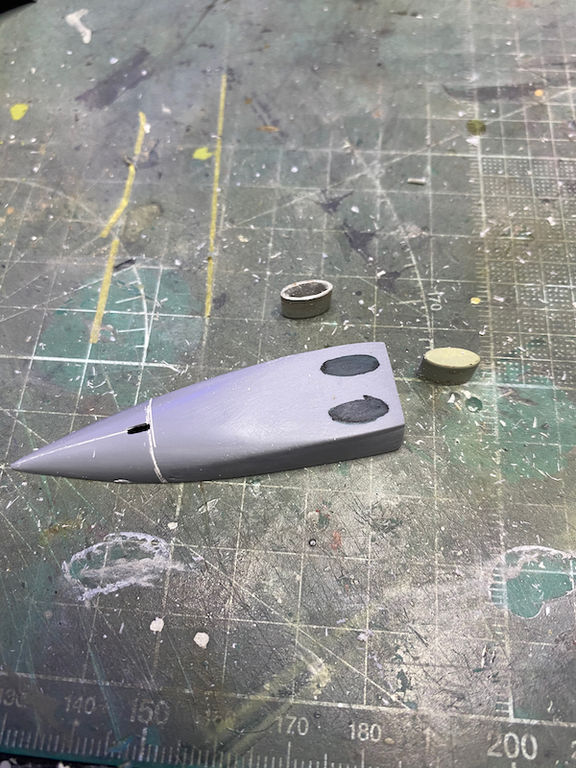
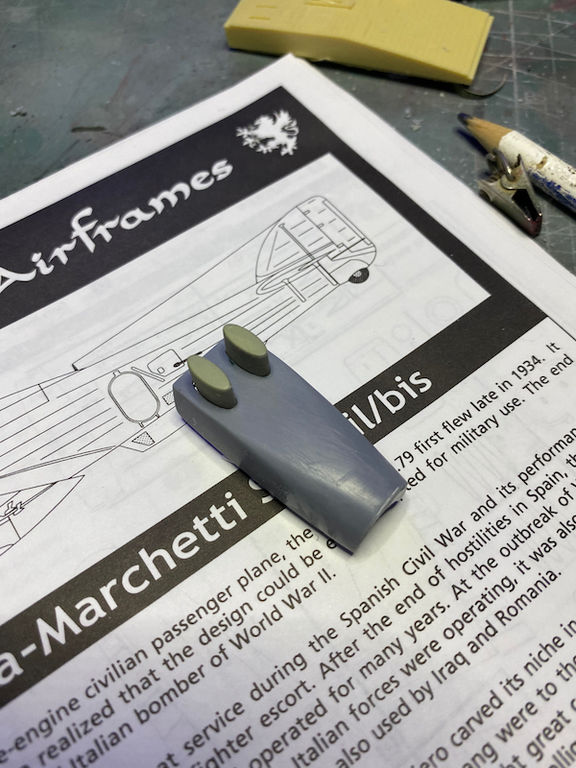
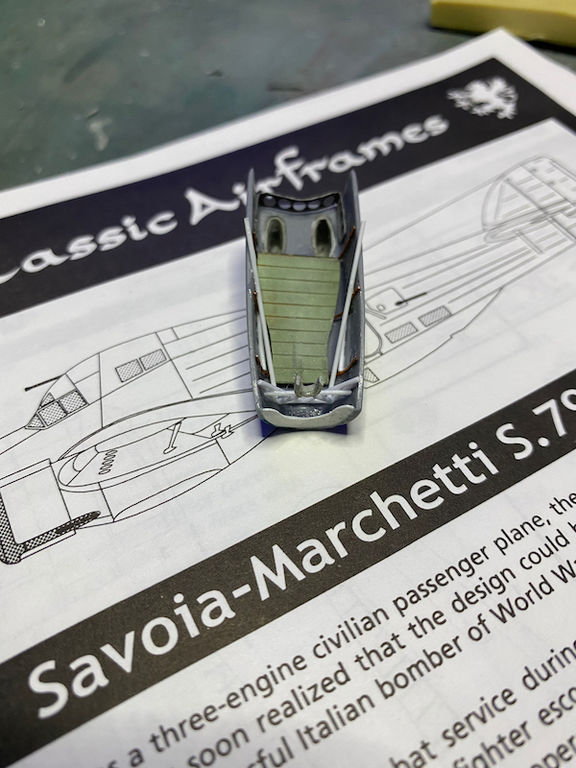
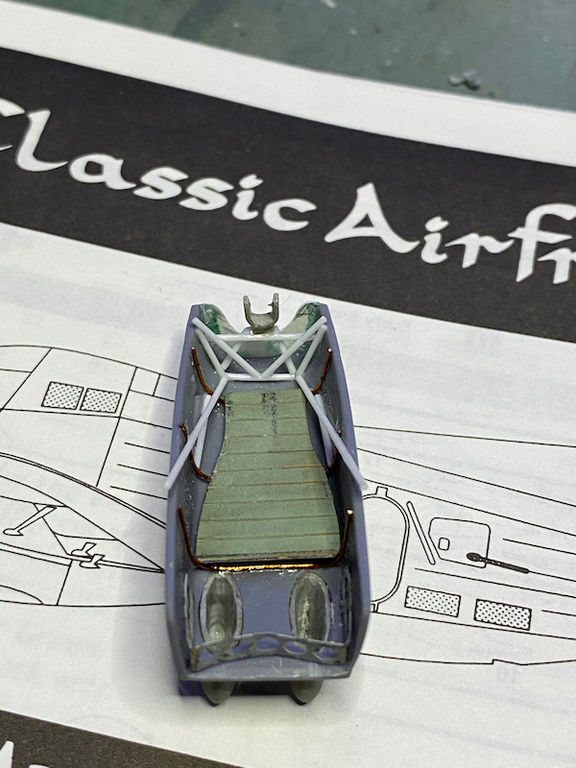
The bomb-aimer's ventral gondola and machine gun post: First of all, I mark where the bomb-aimer's 'boots' go and rebuild them with plastic of the appropriate shape:
×
×
×
 Assembly of the resin cockpit: 

And addition of cockpit details: 

 Slightly oversized oil tank:

×


×
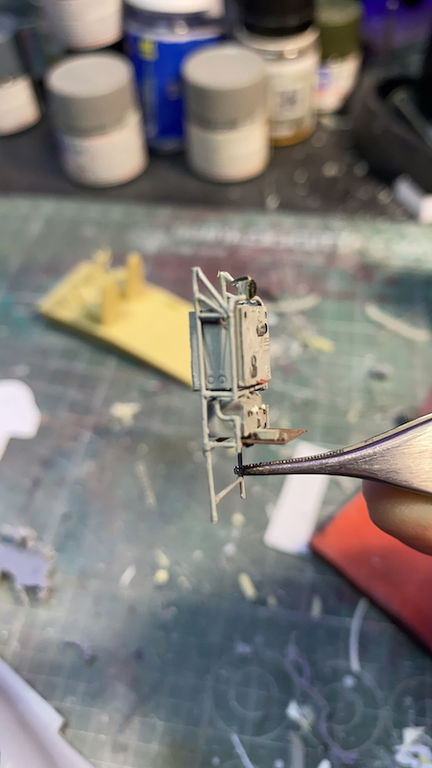
Scratch-built construction of the 'typewriter' with the lid down and the cable guide for launching bombs:


One of hundreds of dry tests: 
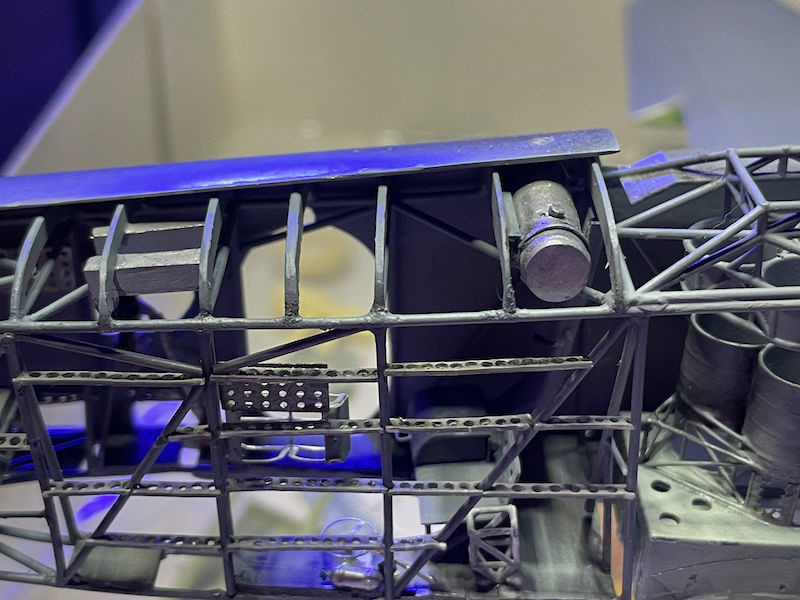
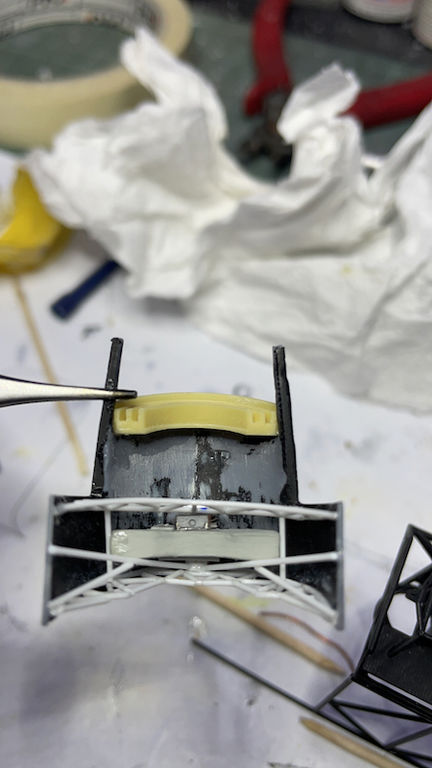
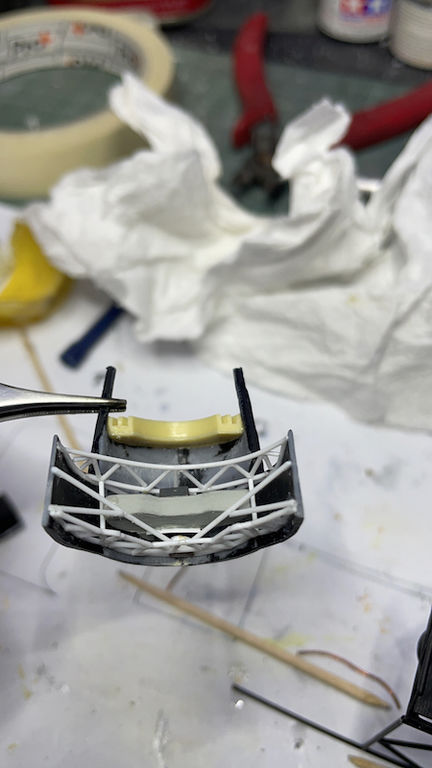
Creation of the perforated ribs and positioning, in this regard I say that I only put them in the visible points because the work is long and tedious to do:

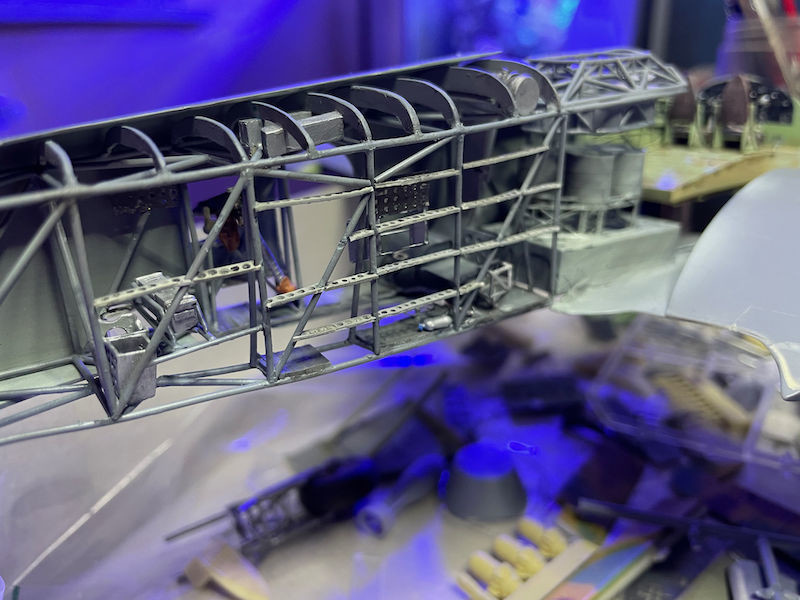

And now construction of the dorsal 'hump'. At first I thought about building a plastic template and then assembling the trellis together:
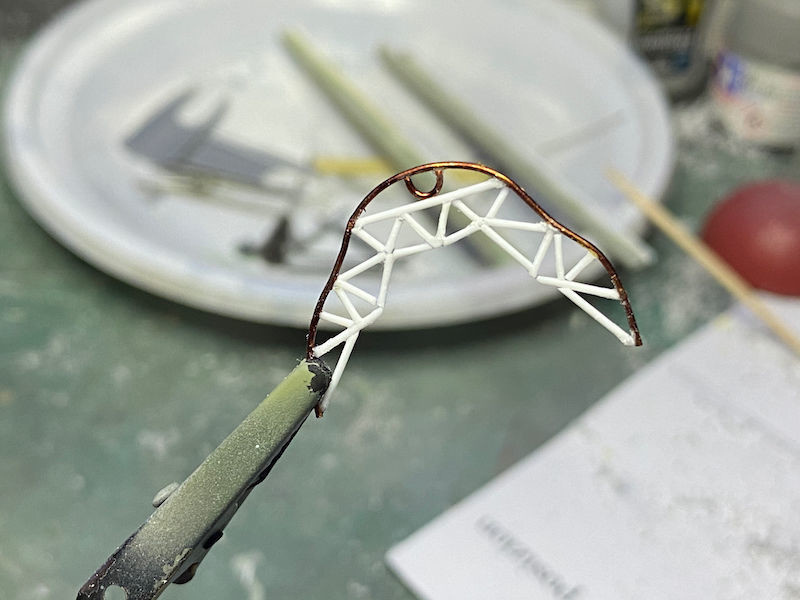

As you can see the work is mediocre and impossible to complete because the structure is divided into two parts and the second is not reachable and can be positioned with the fuselage closed. After thinking about how to proceed I deceided to glue the hump and then saw it off the fuselage! The result was excellent, I was able to work on it almost comfortably and everything went smoothly:


I also built the ammunition boxes for the defensive armament: 
×

×
Addition of the Breda:

×


×

At this point I switched to the wings which have been heavily modified. First I opened the bomb bay: 

Then I separated the flaps to show them lowered: 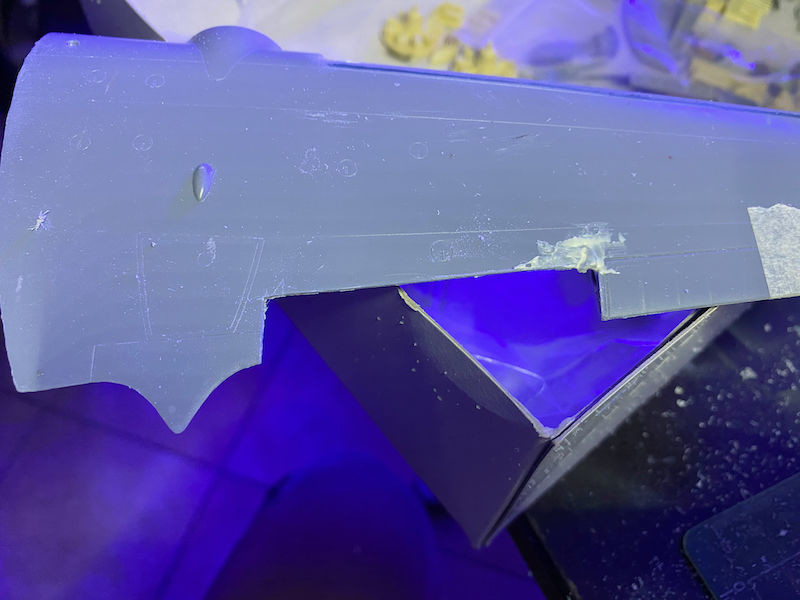

And I worked on the slats to have them open too:


Lastly, I worked on the engine nacelles and the related undercarriage compartment. First I built the housings for the wheels:
After gluing them I detailed the inside of the wheel wells: 

I completely redone the structure of the landing gear as after the modifications those of the kit no longer went well:
I glued the wings and drilled the holes for the oil coolers both above and on the leading edge because they are absent:
Being a short run I expected some problems and indeed... 
×

×

×
The closing the fuselages which took a lot of time to putty and cyanoacrylate: 


×

×

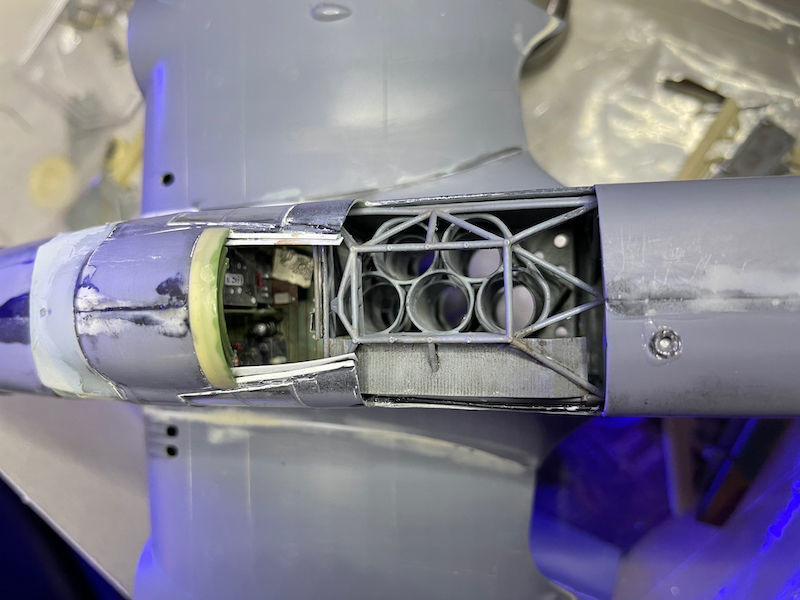
Internal structure of the 'hump' finished and ready to be positioned:

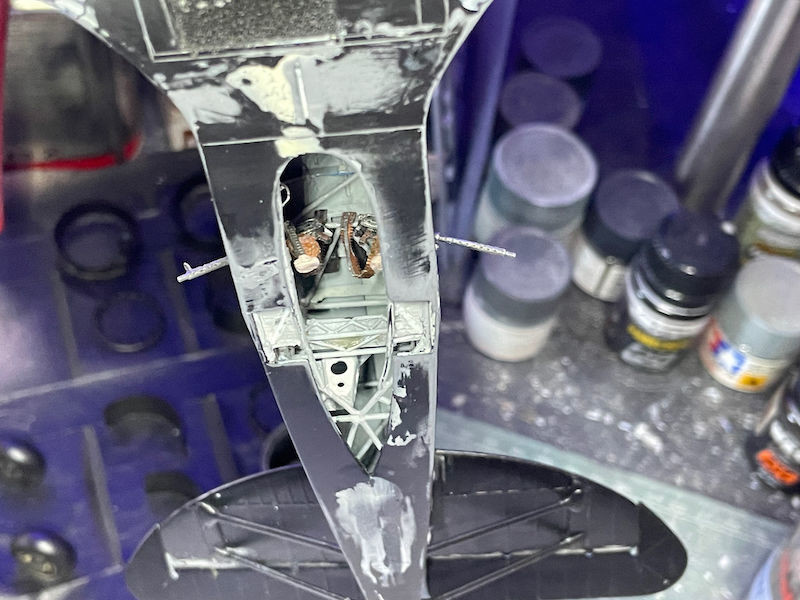
Built supports and all accessories for sidearms: 



×

×
Bomb aimer/gunner gondola in place:
I bought the beautiful Italian Kits engines as an aftermarket accessory. The engines are really well made and complete with exhaust manifold and carburetor so I deceided to model them with the engine cowlings off: 
×

×


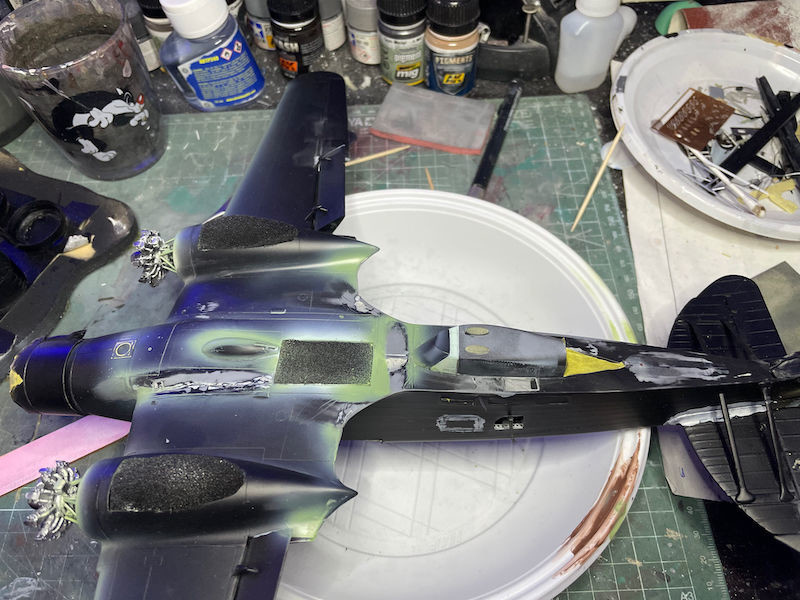
Another coat of putty and I get ready for the painting phase. Camouflage: I would like to clarify that the photos of the original subject found in various texts show only the side of the plane for which the upper camouflage is interpreted. The colors used are: Grigio azzurro chiaro: Gunze H332 Verde Mimetico 1: MRP 328 Marrone mimetico 2: Mig 0079 Giallo mimetico 3: MRP 323 After having applied the gray I proceeded to apply a marbled (weathered) effect:


And a close up of this effect washed down a bit:
Application of camouflage yellow 3 (GM3) and painted the wing tips and fuselage strip in white:
And now green and brown:

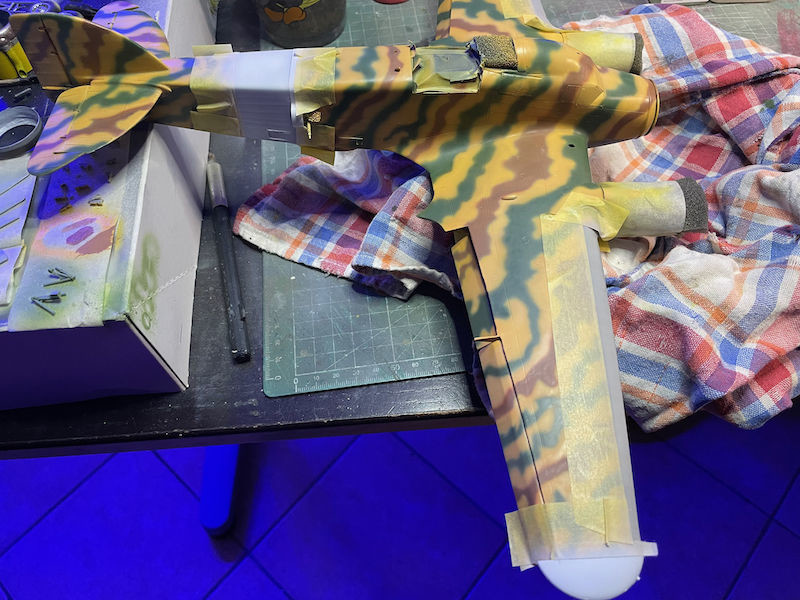


Slat arms were added:
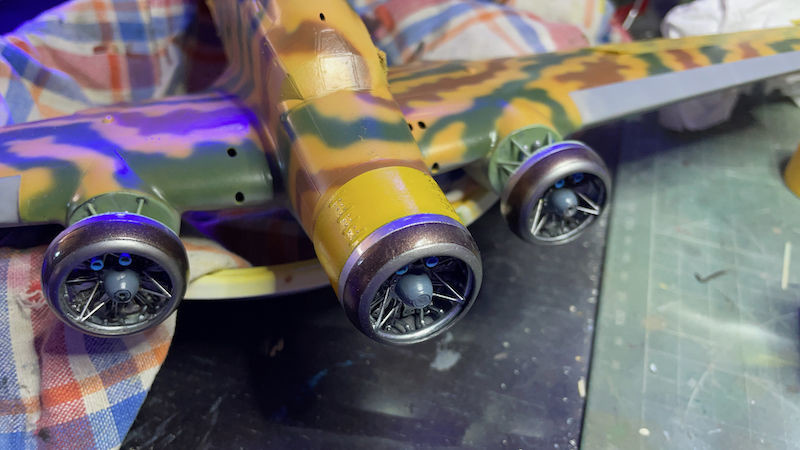
Positioned the engines: 

I created masks for the unit code and individual aircraft numbers: 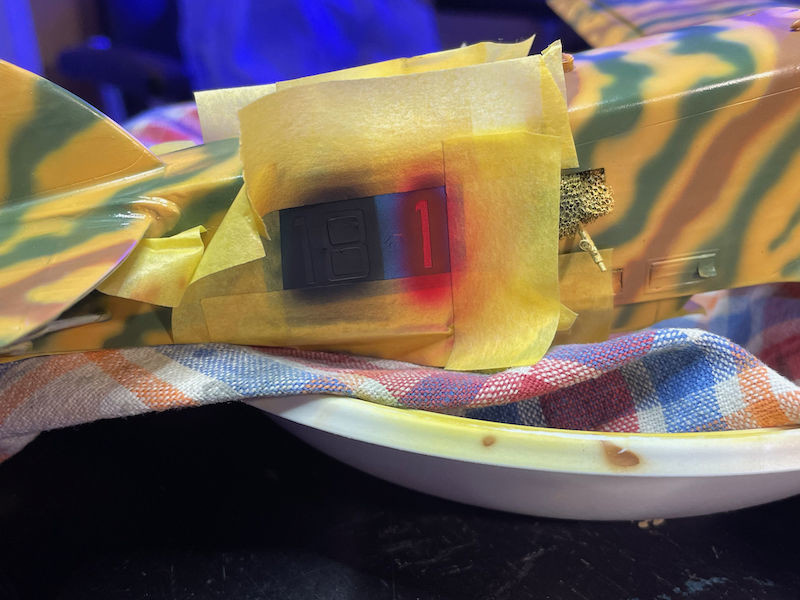
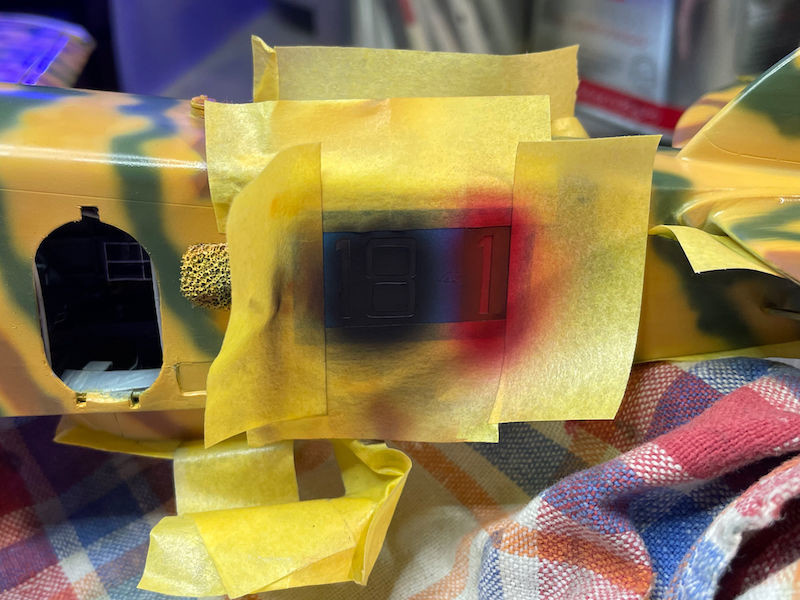


And now the decals:
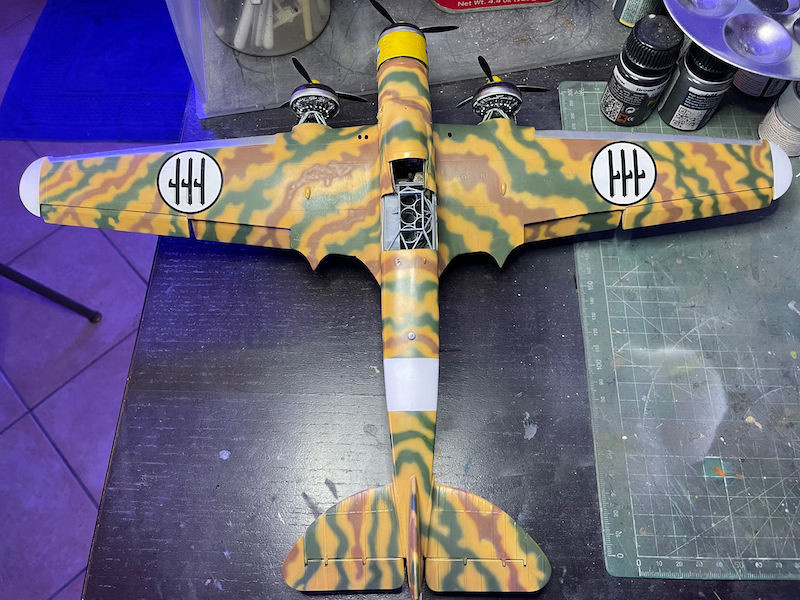


Landing gear, bomb doors and ventral gondola:


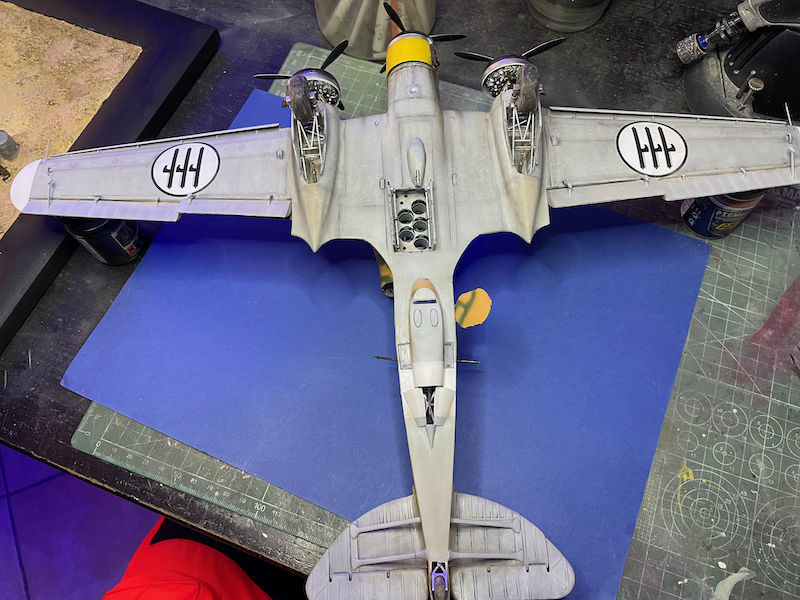

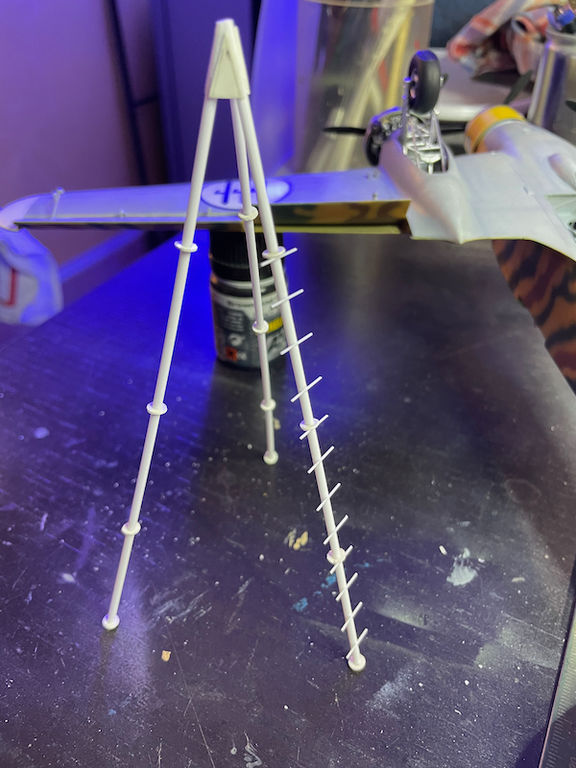
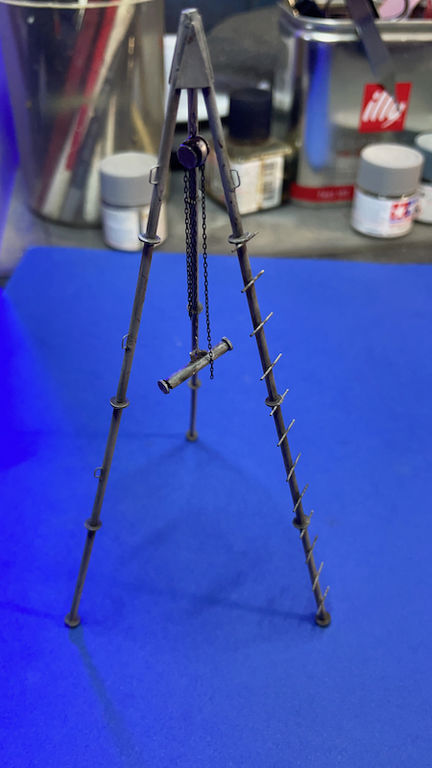
Prepare the ground surface on which the plane will be placed and scratch-built the field crane for the engines:

×
×

×
×
And some shots of the plane on the diorama:


In real life all detail can be seen perfectly such as the addition of the map on the radio operator's table, the detail obtained is truly remarkable. I'm happy with the result.


|
|
|
Aircraft: SIAI-Marchetti SM.79 Manufacturer: SIAI-Marchetti Type: Bomber Year: 1937 Engine: Three Alfa Romeo A.R. 126 RC 34, 9-cylinder radial, air-cooled, 750 hp each Wingspan: 69 ft 7 in (21.20 m) Length: 53 ft 2 in (16.20 m) Height: 13 ft 5t in (4.10 m) Weight: 23,180 lb (10,500 kg) (Loaded) Maximum Speed: 267 mph (430 km/h) at 13,120 ft (4,000 m) Ceiling: 23,000 ft (7,000 m) Range: 1,180 miles (1,900 km) Armament: 4-5 machine guns; 2,756 lb (1,250 kg) of bombs Crew: 6 |


|
|
|
|
|
|
|
|
|
|


|





|
|
|
|
May, 2022 STORMO! © 2022 |