|
Museo dello Sbarco in Sicilia (Husky Landings) in Catania is a place of great historical and cultural interest, located on the eastern coast of Sicily.
The museum was inaugurated in 2004 and is dedicated to the memory of the Allied landing in Sicily in 1943.
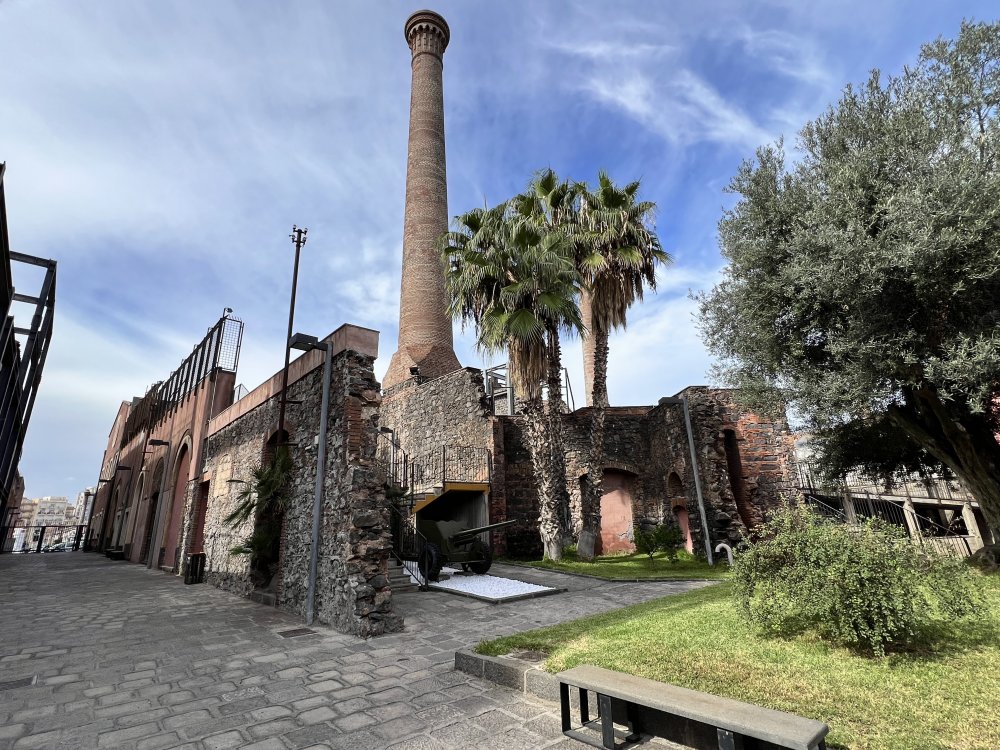
The museum is located inside an ancient military building, the Fortino di Sant'Antonio, which was used as an artillery position during the war. Today,
the Fort has been completely restored and transformed into a modern multimedia museum, which uses advanced techniques to reproduce the atmosphere of
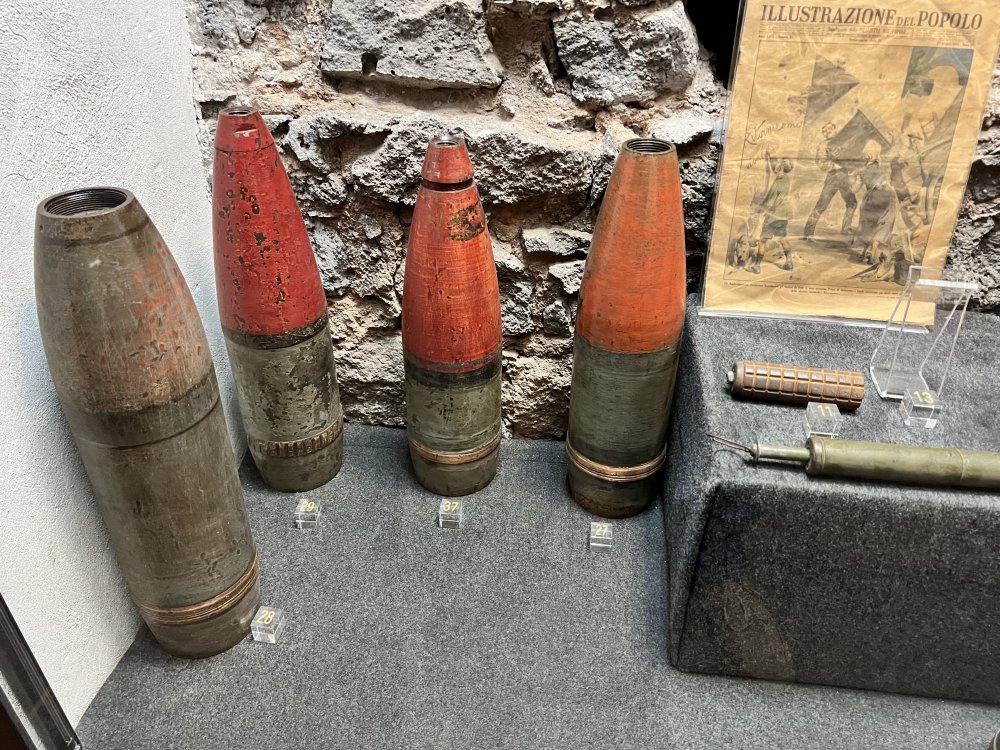
war and the climate of the time. The Museum offers visitors a vast range of audiovisual materials, photographs, documents and historical artifacts, which
reconstruct the war era and the arrival of the Allies on the Sicilian coast.
On 10 July 1943, the Americans and the English landed near Gela and the coasts of Augusta, respectively in the eastern and western parts of Sicily.
The allies easily conquered the western area, while the English and Canadian soldiers had to face strong resistance from their enemies. The Museum
reconstructs the various steps of the fighting that took place, particularly in the western area, such as Gela, Augusta, Agira, Floridia, Troina,
Ponte di Primo Sole, Catania and Messina. It is not only a rich collection of finds, but a place of interaction with the visitor through interesting
museographic itineraries. The museum deals, in particular, with an important historical event, that of the liberation of Sicily and Italy from German
occupation
Editor:" From the Allied perspective Husky was a Liberation, however from the German perspective (especially from the German soldier's perspective)
their presence in Italy was to assist their ally, and not as an occupation force - at least until the Armistice when friend from foe had to be determined.
Personally, I never knew an Italian, or family member who lived through the period and thought the Allied invasion of Italy was anything but a Liberation.
Allied (mainly British) propaganda often depicts the invasion this way with oft-repeated photographs or fottage of Allied troops passing through Italian
streets welcomed as liberators but that was likely isolated cases, meanwhile between 500,000 and 800,000 Italian personnel continued to resist the Allies
up to the end of the war in 1945 and the Allies would not get further than half-way up the boot until the final days and only after breaking through
German lines – Italian lines held as German troops exited Italy to get back to Germany as quickly as possible. It should also be mentioned that with
the Husky Landings came War Crimes, a sad reality of war:
Immediately after landing in Sicily, some killings of civilians by US troops were reported. These include the Vittoria massacre, where 12 Italians
died (including Giuseppe Mangano, podestà (mayor) of Acate, and his seventeen-year-old son Valerio, who was killed by a bayonet thrust to his face),
in Piano Stella, Agrigento, where a group of peasants was murdered, and the Canicattì massacre, in which at least eight civilians, including an
eleven-year-old girl, were killed. References: "I Crimini Degli Alleati in Sicilia e a Napoli Nella Seconda Guerra Mondiale – Il Ruolo della Mafia
e Quello della Massoneria"; Ezio Costanzo, George Lawrence The Mafia and the Allies: Sicily 1943 and the Return of the Mafia, Enigma, 2007, p.119;
George Duncan (3 March 2016) "Massacres and Atrocities of World War II in the Axis Countries", Wayback Machine.
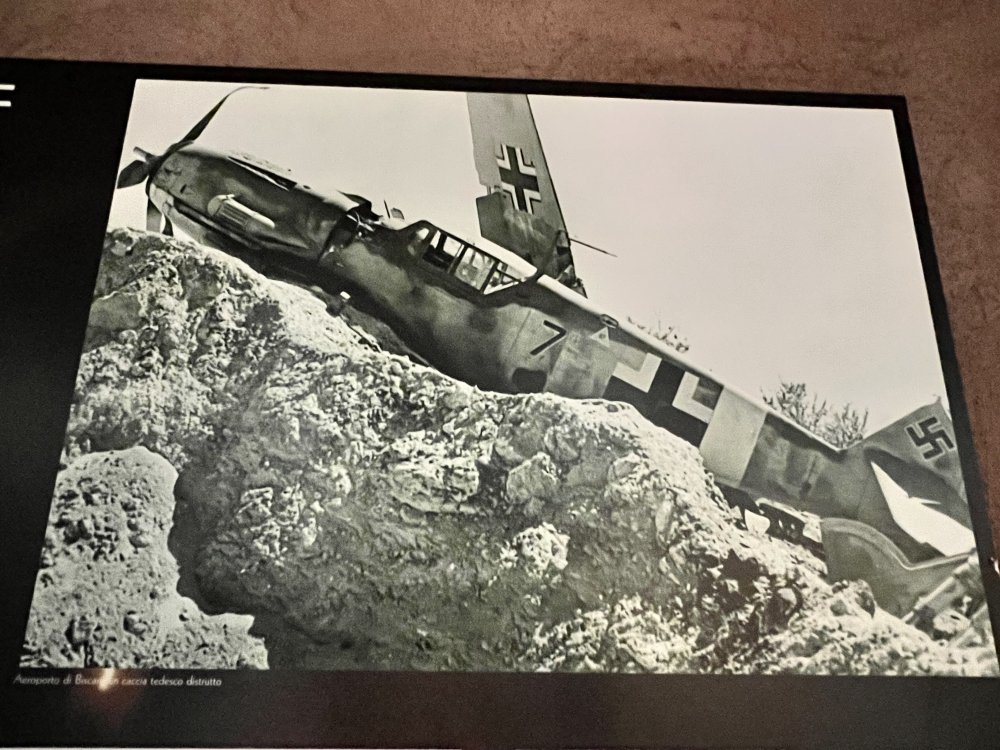
After the capture of Biscari airfield on 14 July, American soldiers from the 180th Regimental Combat Team of the 45th Division murdered 74 Italian and
two German prisoners of war in two massacres at Biscari airfield on 14 July 1943. Sergeant Horace T. West and Captain John T. Compton were charged with
a war crime; West was convicted and sentenced to life in prison and stripped of his rank but was released back to active service in November 1944 as
a private, and honorably discharged at the end of his service. Compton was charged with killing 40 prisoners in his charge but was acquitted and
transferred to another regiment, where he died in November 1943 in the fighting in Italy. References: La Guerra in Sicilia 1943: Storia Fotografica,
Ezio Costanzo, p. 130, Le Nove Muse, 2009; The Greatest War: Americans in Combat, 1941–1945, Gerald Astor, p. 333, Presidio, 1 December 1999;
Le altre stragi: le stragi alleate e tedesche nella Sicilia del 1943–1944, Giovanni Bartolone, p. 44, 2005.
Various sources, including the Special Investigation Branch as well as evidence from Belgian reporters, said that rape and sexual harassment by British
troops occurred frequently following the invasion of Sicily in 1943. On 19 July 1943, just over a week after the Allied landings, Captain Angelo Thomas
Sesia from the 1st Canadian Infantry Division, reported a number of crimes involving Canadian soldiers, including the shooting of civilians, looting and
a case of gang rape at Piazza Armerina. References: Emsley, Clive (2013) Soldier, Sailor, Beggarman, Thief: Crime and the British Armed Services since 1914.
Oxford University Press, USA, p. 128–129; ISBN 0199653712; Why We Fight: New Approaches to the Human Dimension of Warfare, Robert C. Engen, H. Christian
Breede, Allan English, McGill-Queen's Press, 2020.
According to Mitcham and von Stauffenberg, the Canadian "The Loyal Edmonton Regiment" also murdered German prisoners of war during the Invasion of
Sicily. Reference: Samual W. Mitcham; Stephen Von Stauffenberg (2007). The Battle of Sicily: How the Allies Lost Their Chance for Total Victory,
Stackpole Books.
Unfortunately there are also cases of Allied airmen who shot at Italian airmen who had parachuted from stricken aircraft while there are no recorded cases
of Italian airmen who had done the same. Also incredibly the Allies placed mafia leaders as heads of small towns and municipalities (even installed as mayors)
for their help in the Husky landings which resulted in a crime-wave in Italy that spread to the US, even reaching the highest-levels of government in both
these countries that was only put under control recently - the Mussolini regime had eliminated the Mafia in Italy who fled the country prior to WWII.
References "I Crimini Degli Alleati in Sicilia e a Napoli Nella Seconda Guerra Mondiale – Il Ruolo della Mafia e Quello della Massoneria"; Ezio Costanzo,
George Lawrence The Mafia and the Allies: Sicily 1943 and the Return of the Mafia, Enigma, 2007. "Editor.
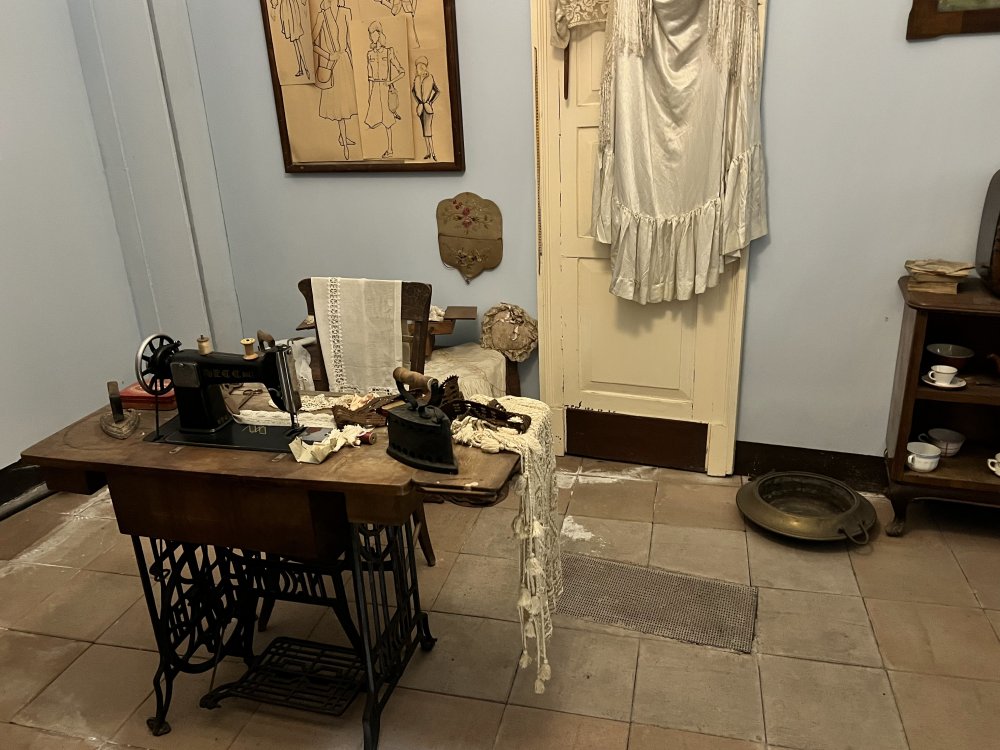
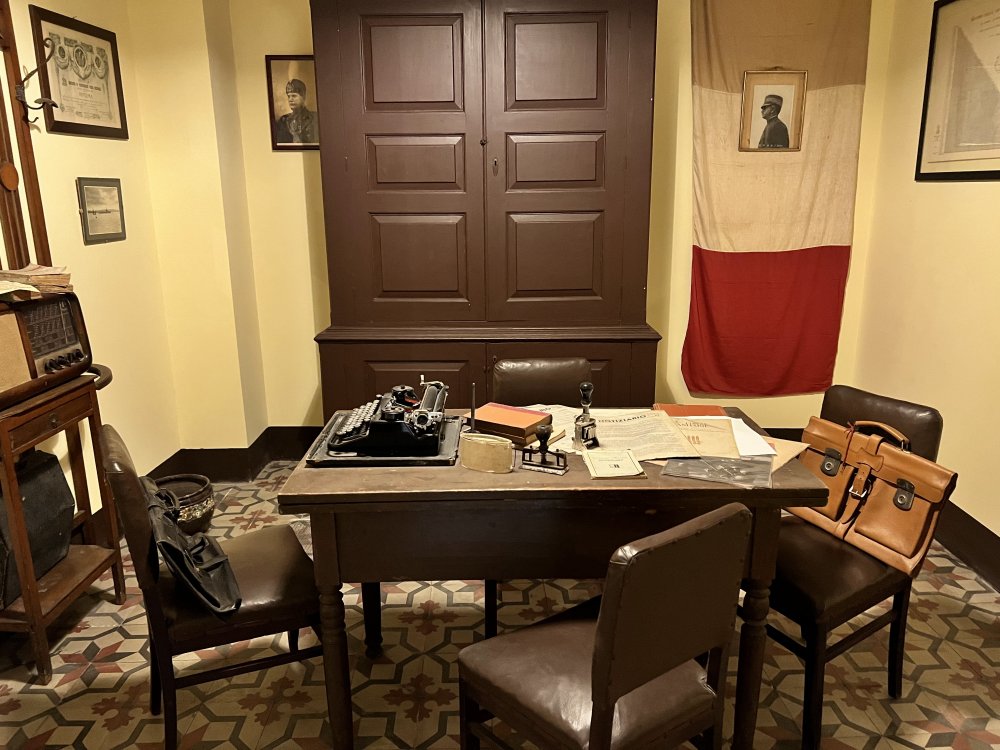
The museum is structured on three floors, in which different contexts are reproduced.
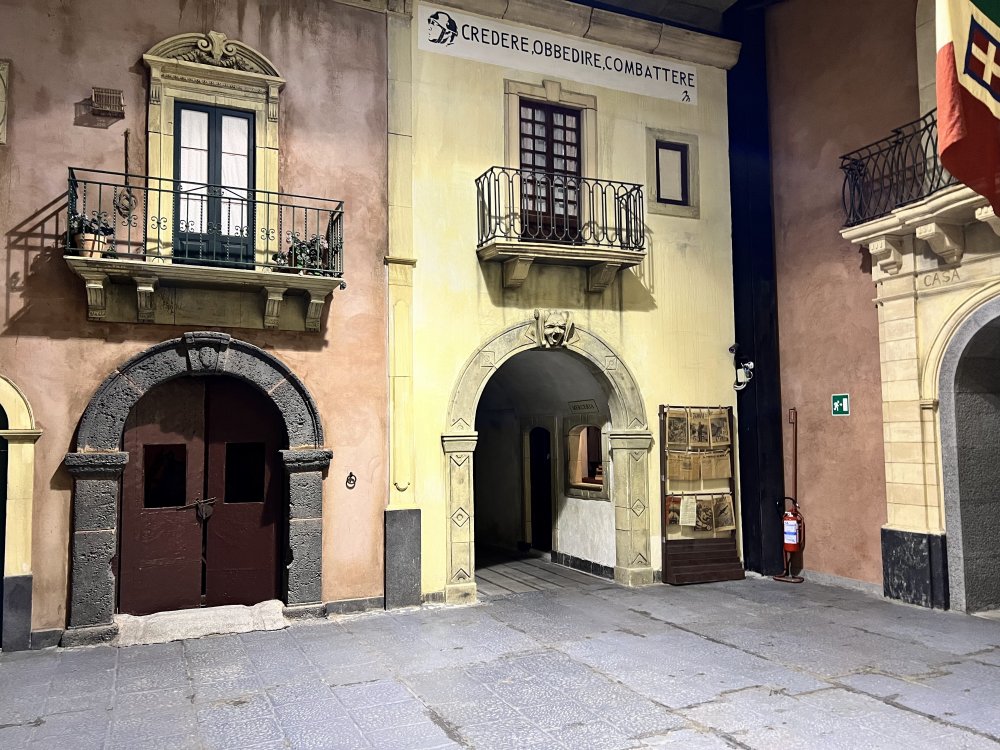
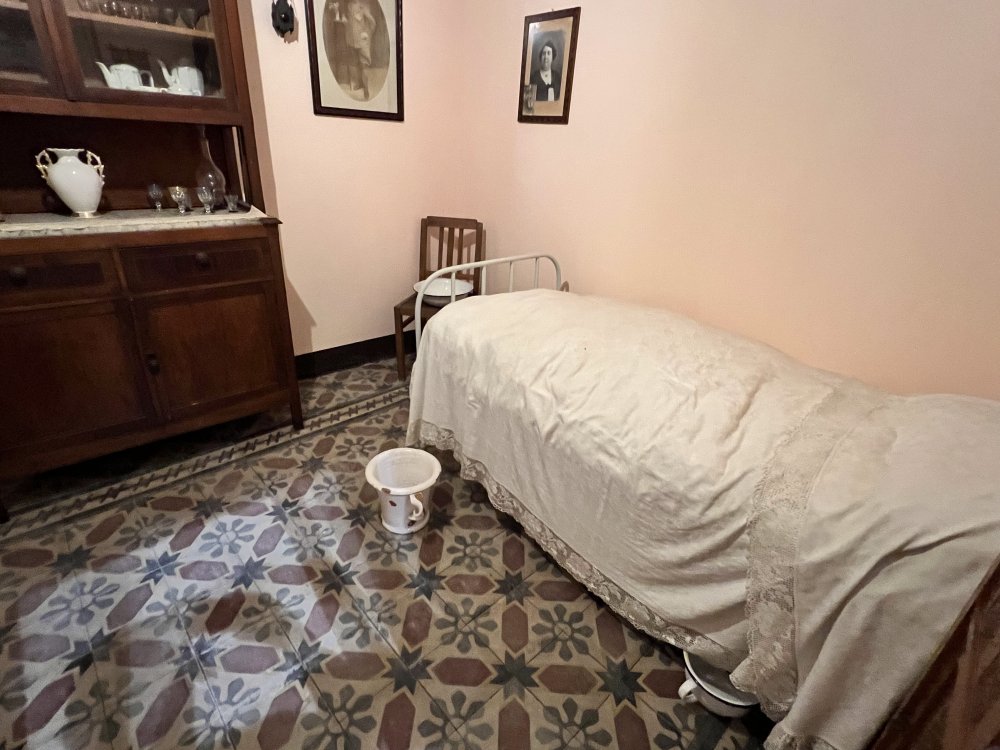
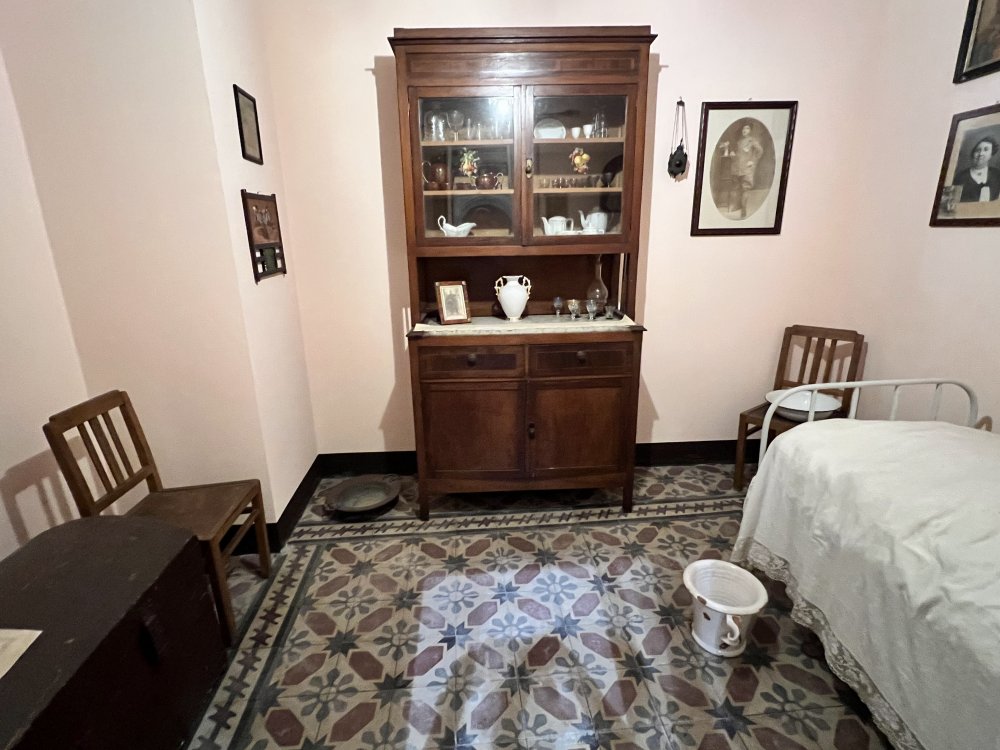
At the entrance, a typical square of a Sicilian town is reproduced as it appeared before the war; continuing along the route you access an air raid shelter
– sound of incoming bomber, air raid warnings and explosions of bombs can be heard. You can even feel the wall trembling ... and then a glimpse
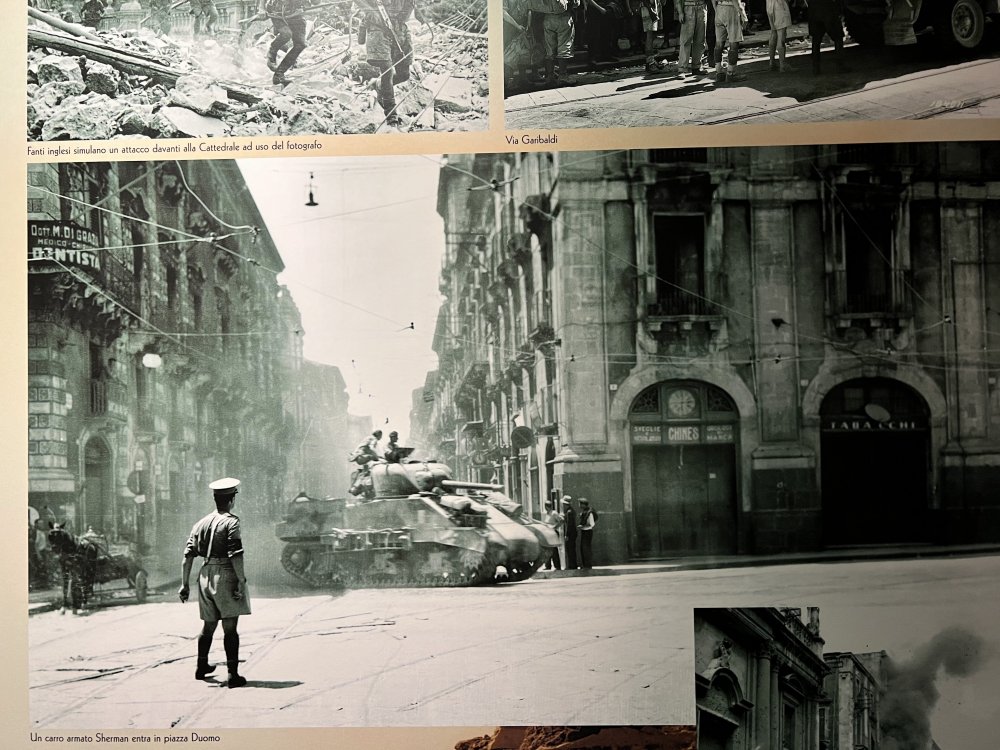
of the town after the bombing, with a reproduction of the damage caused to the buildings. To surround the route is the presence of photographic
posters and the reproduction on video of images of the American and English advance.

|
|
At the entrance, a typical square of a Sicilian town is reproduced as it appeared before the war.
|
|
Proceeding step by step, on the first floor we find an octagonal room reproducing a bunker, with a monitor that projects images of the bombings on
Catania, Palermo and Messina. The Hall of Testimonies, an important stop on this museum tour, is full of testimonies from many men and women who
experienced the landing in Sicily. In the center of the room there is a bas-relief depicting Sicily, animated by lights and colours, which simulates
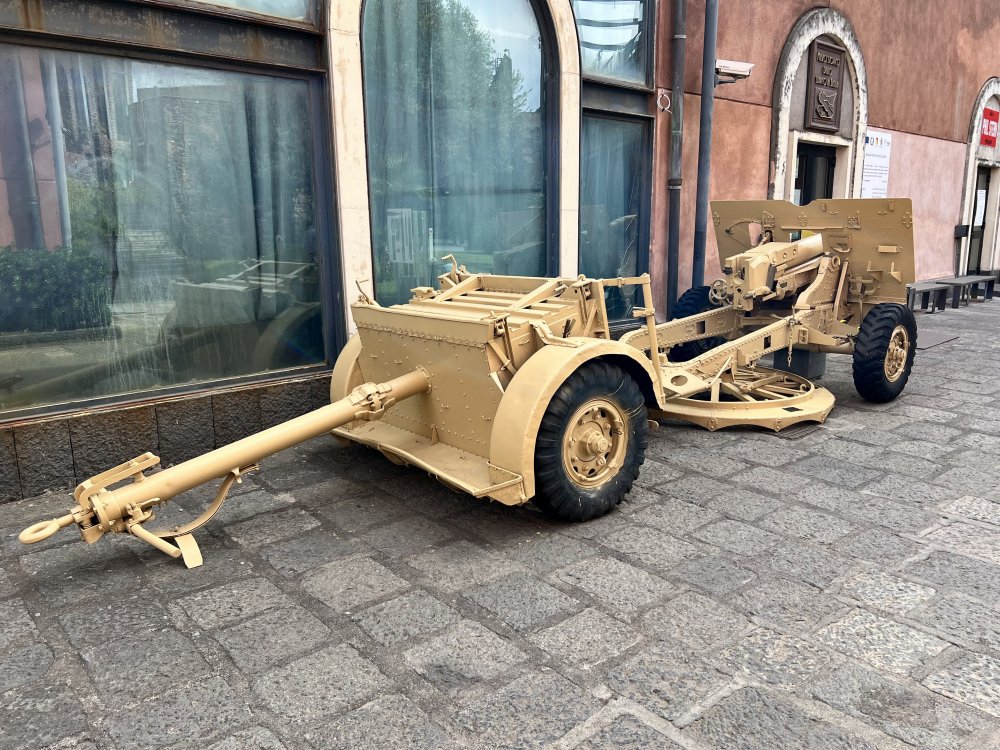
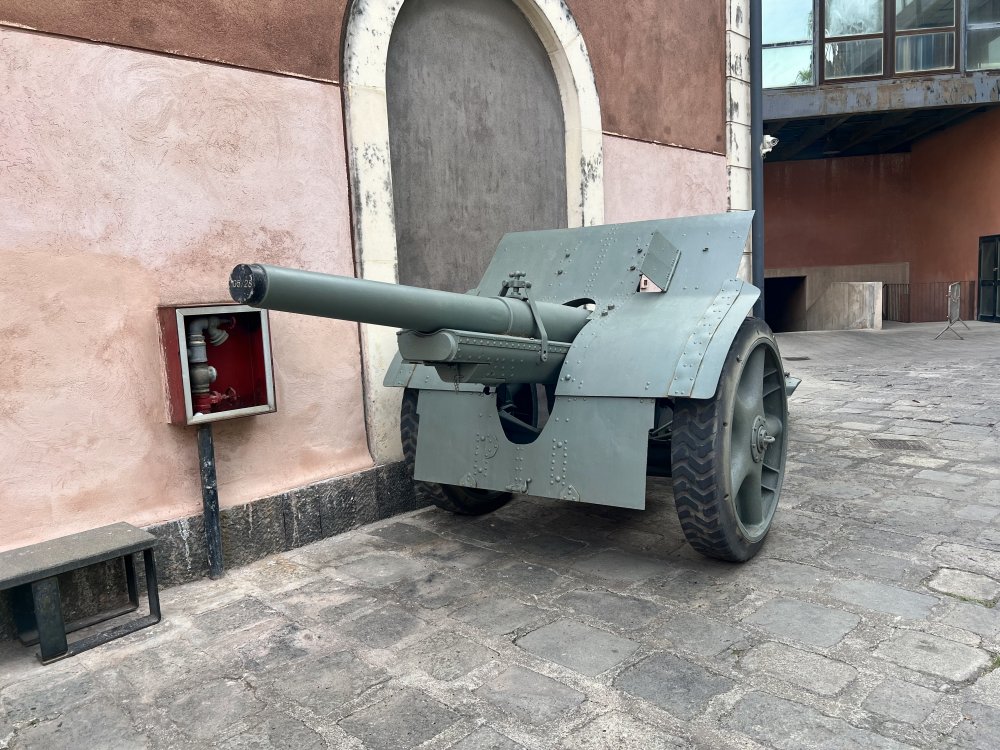
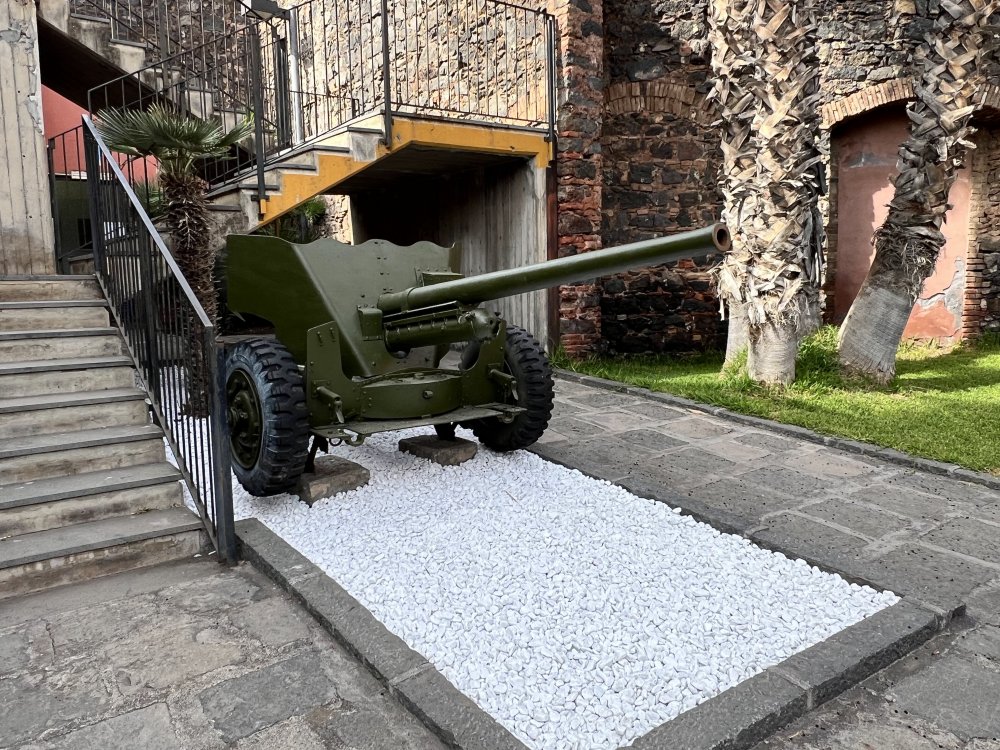
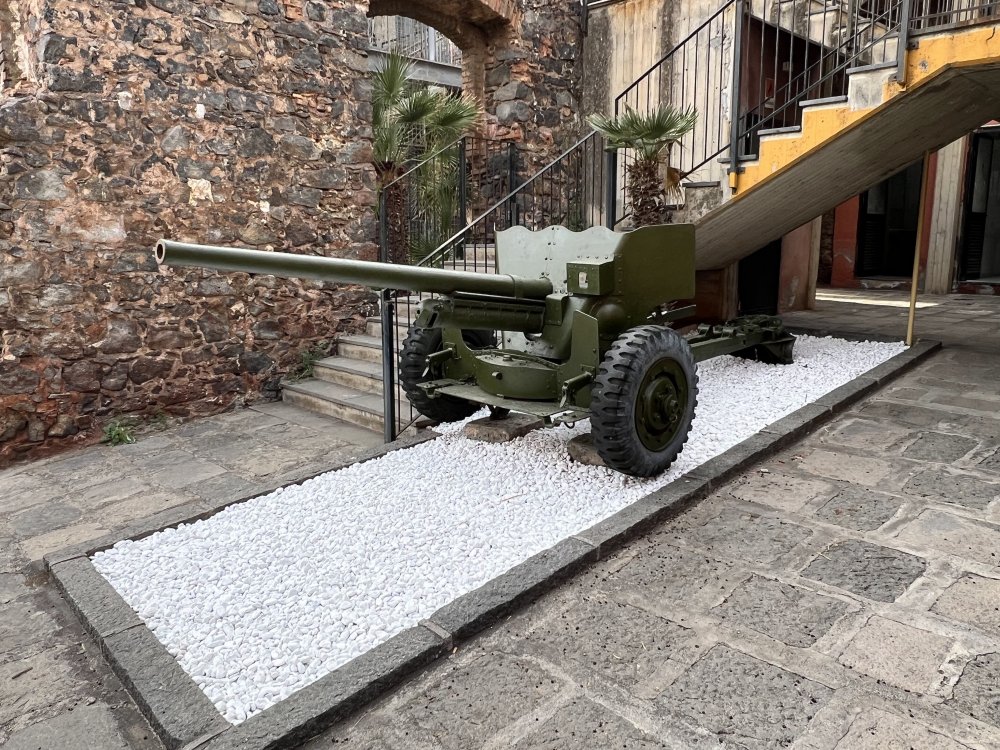
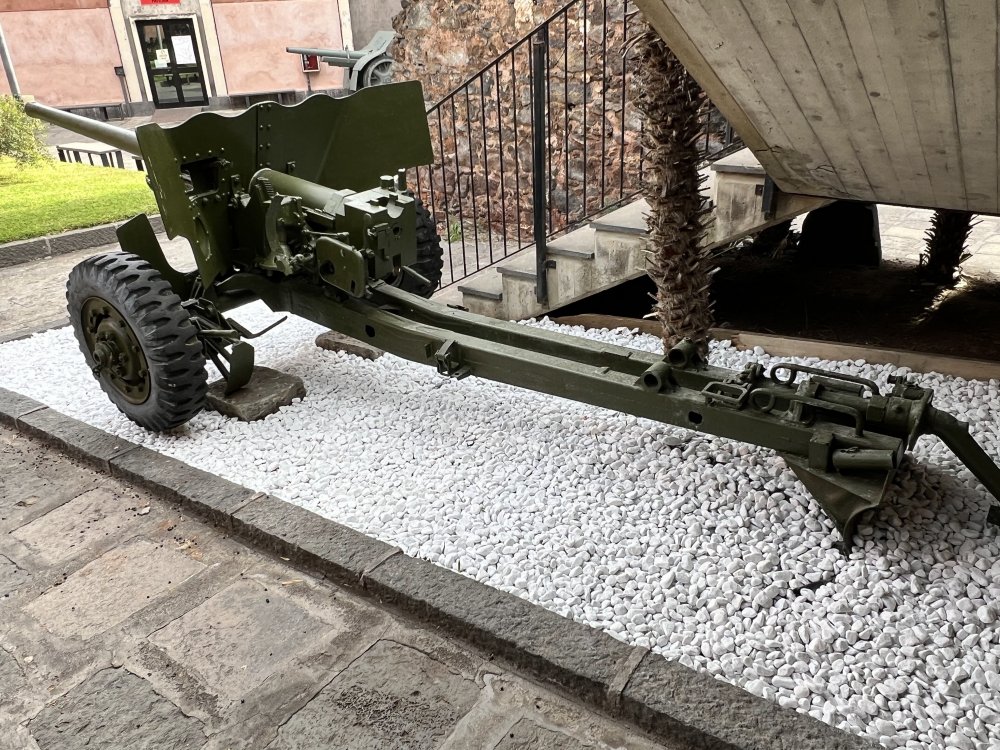
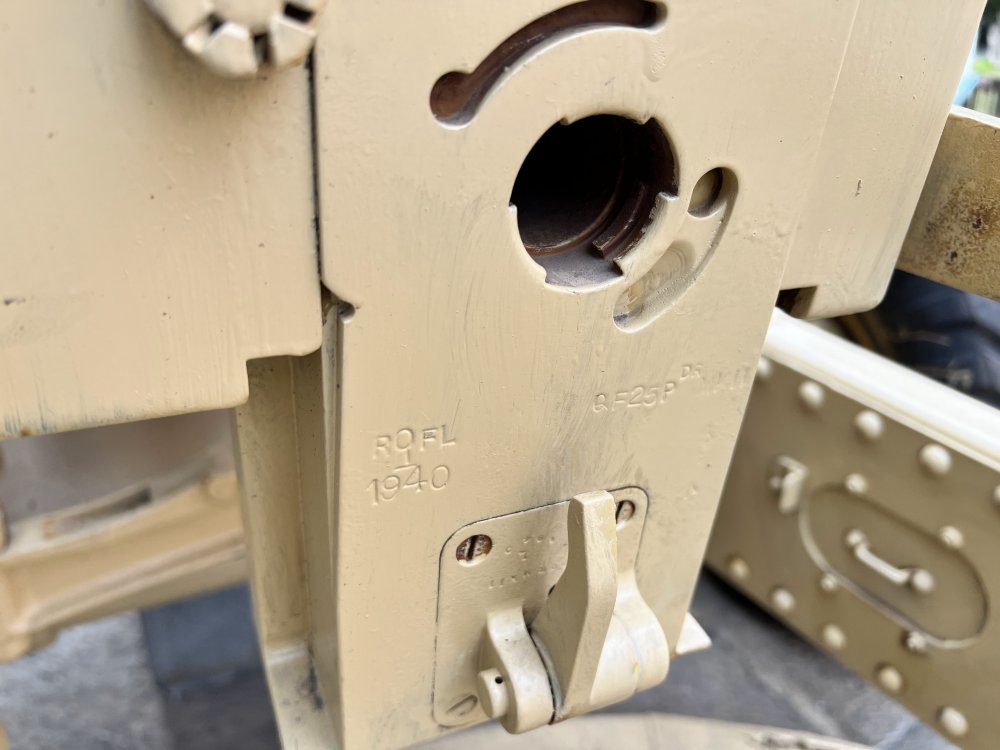
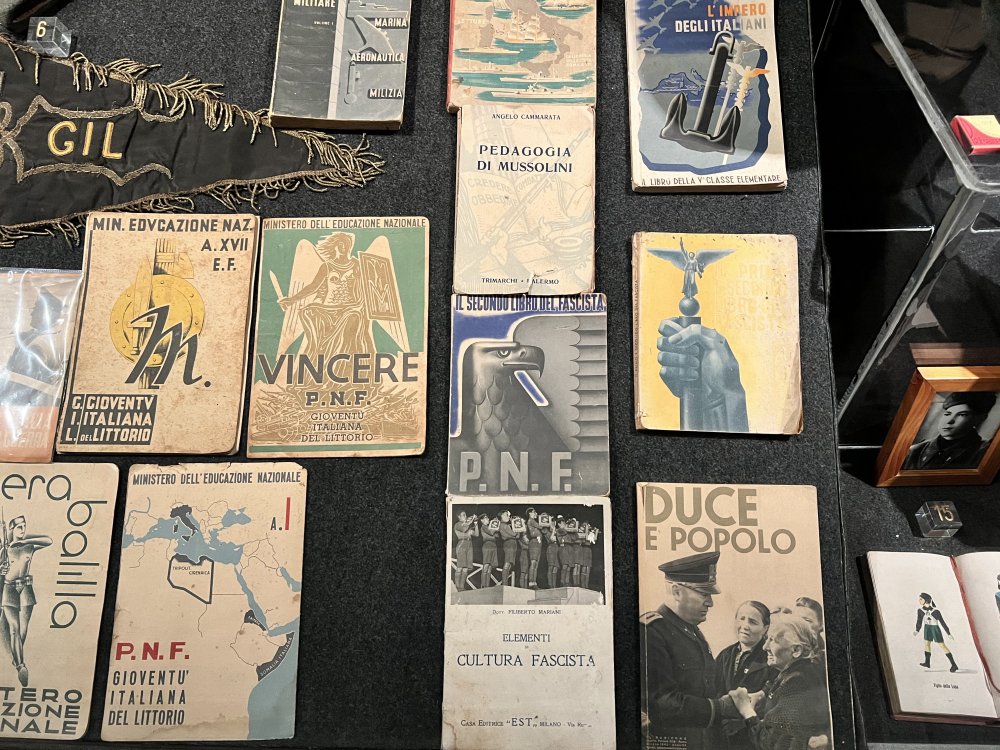
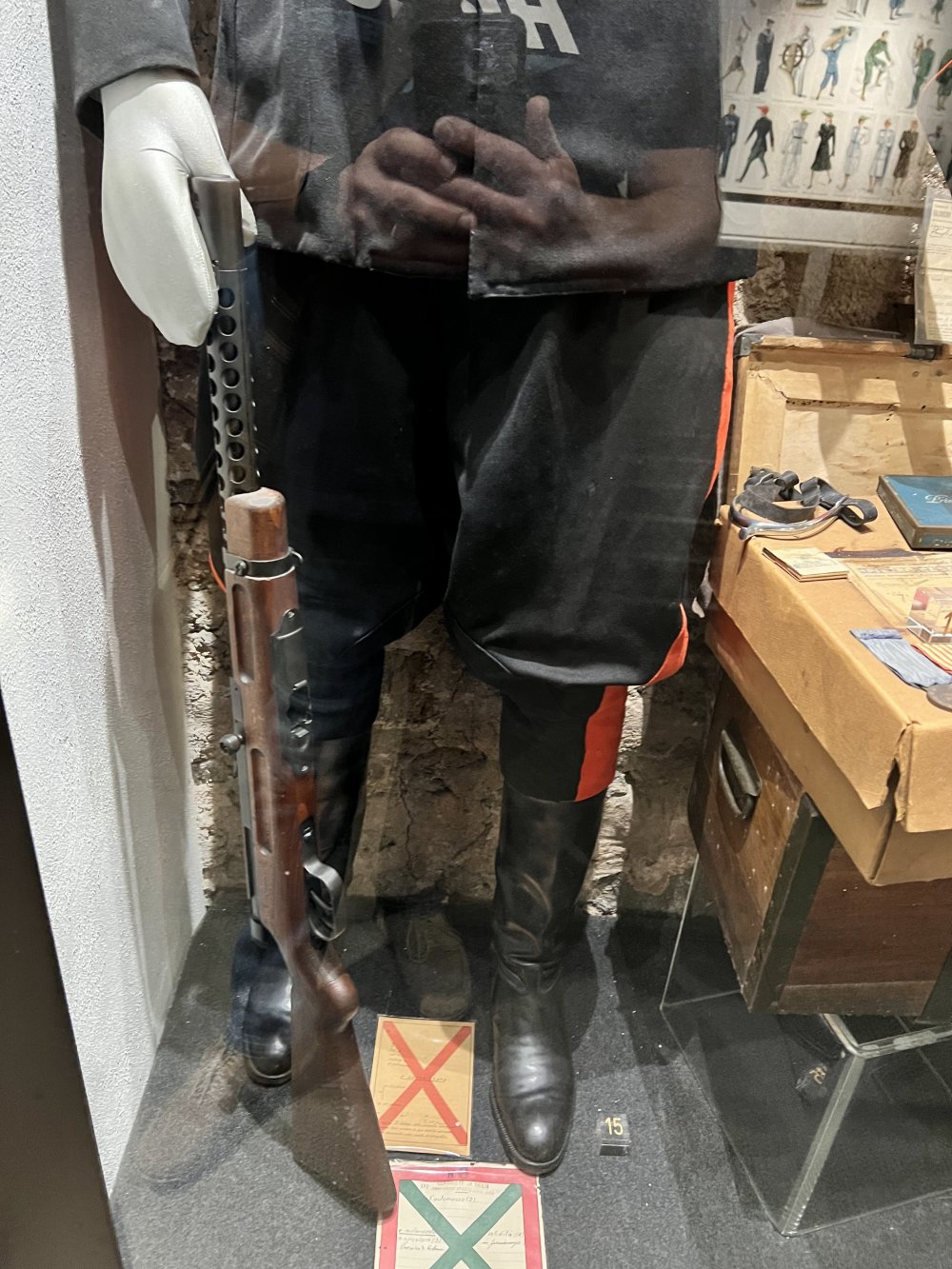
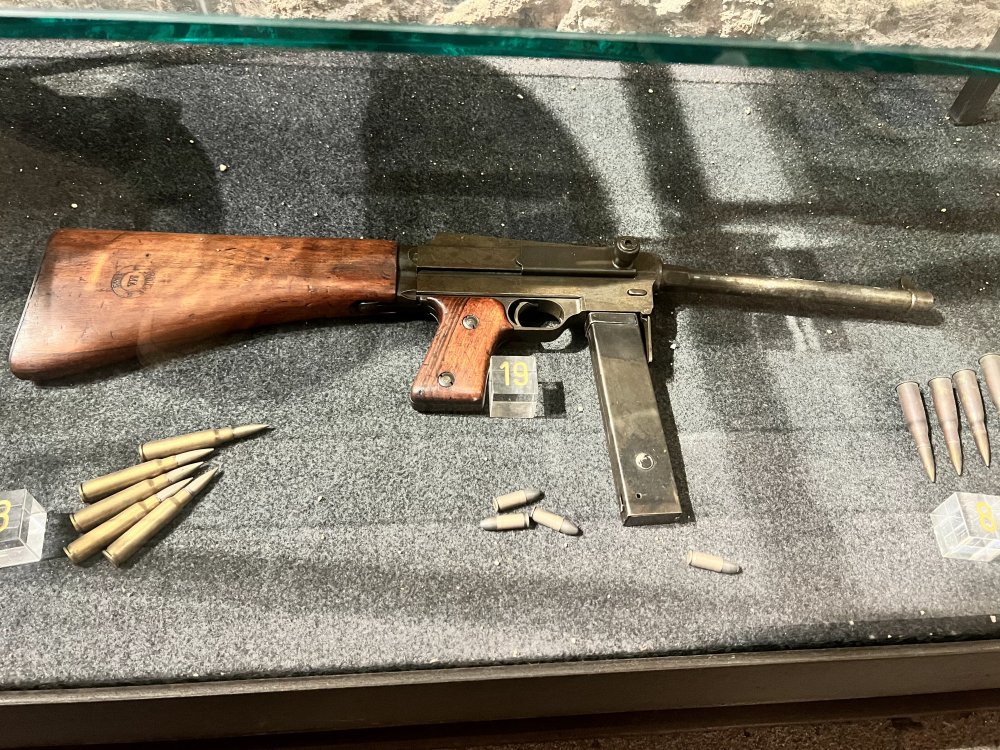
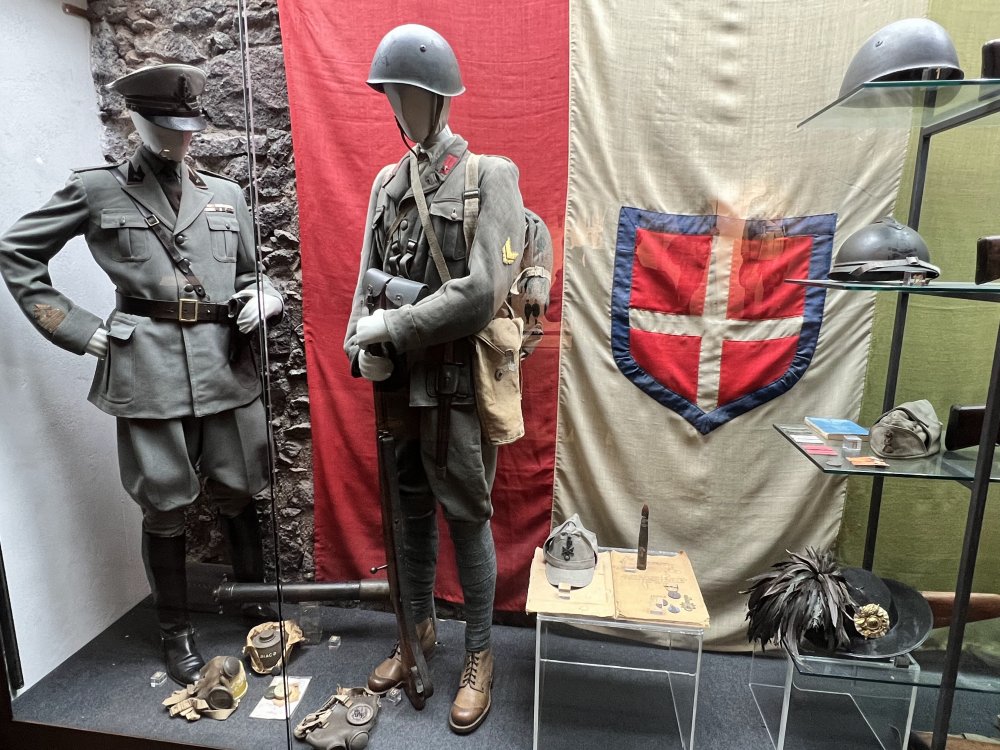
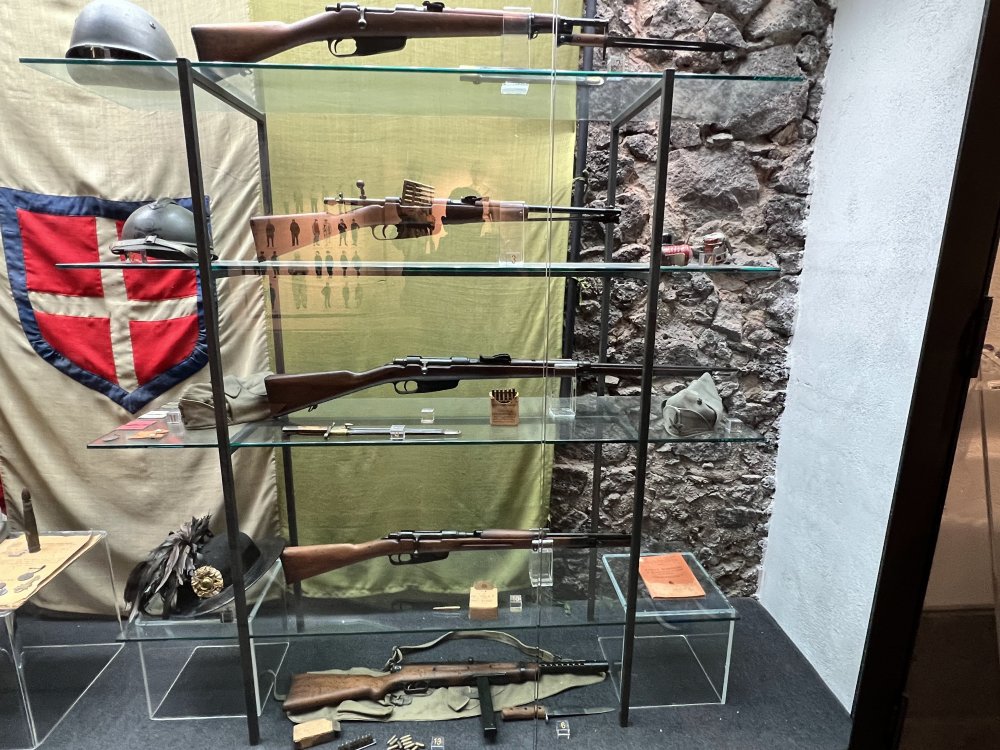
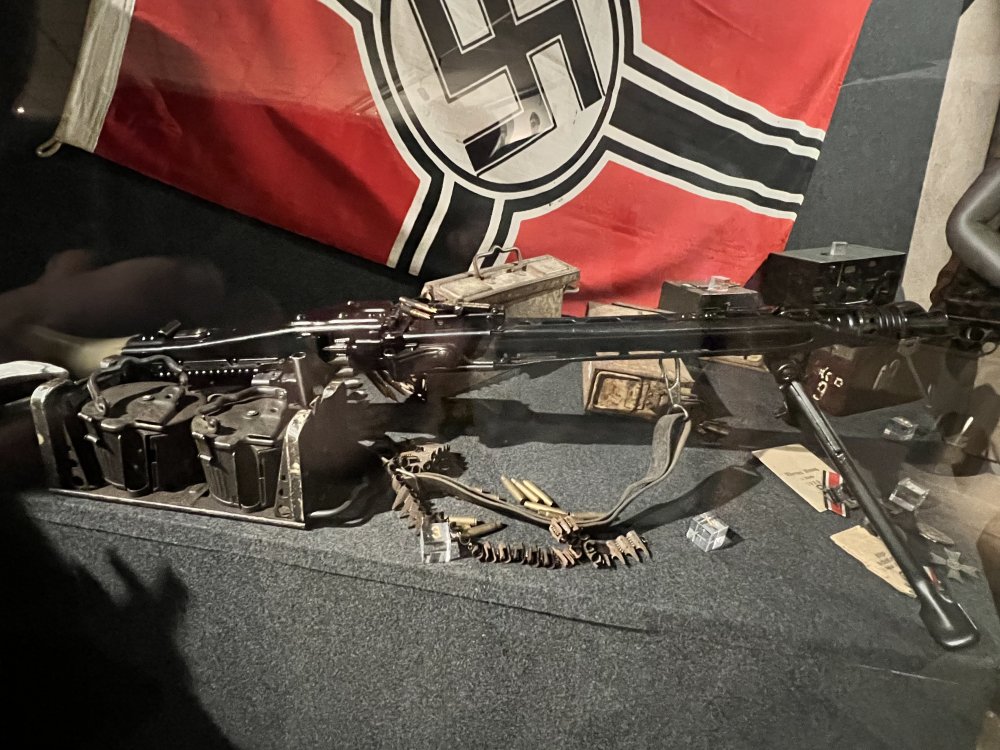
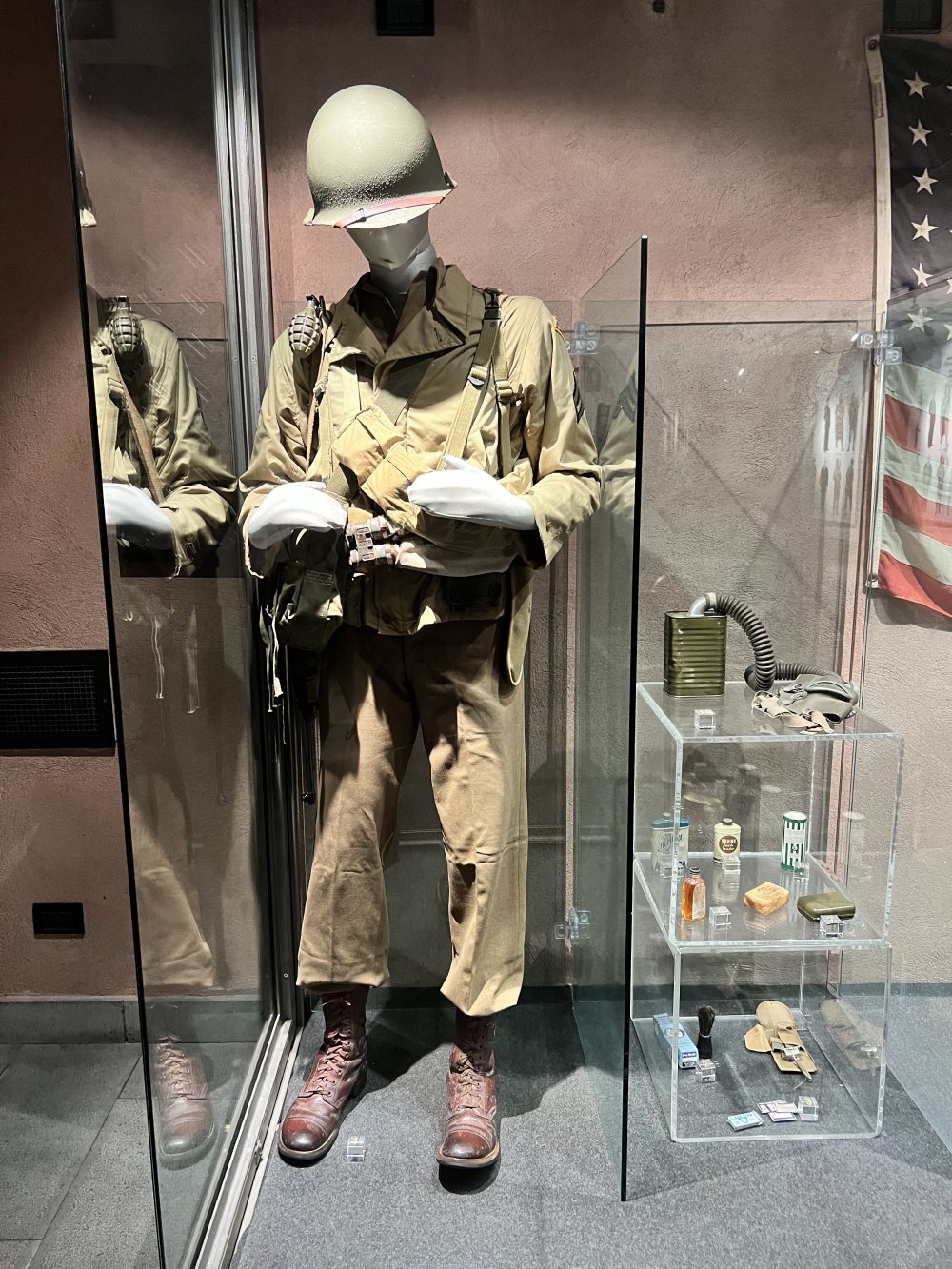
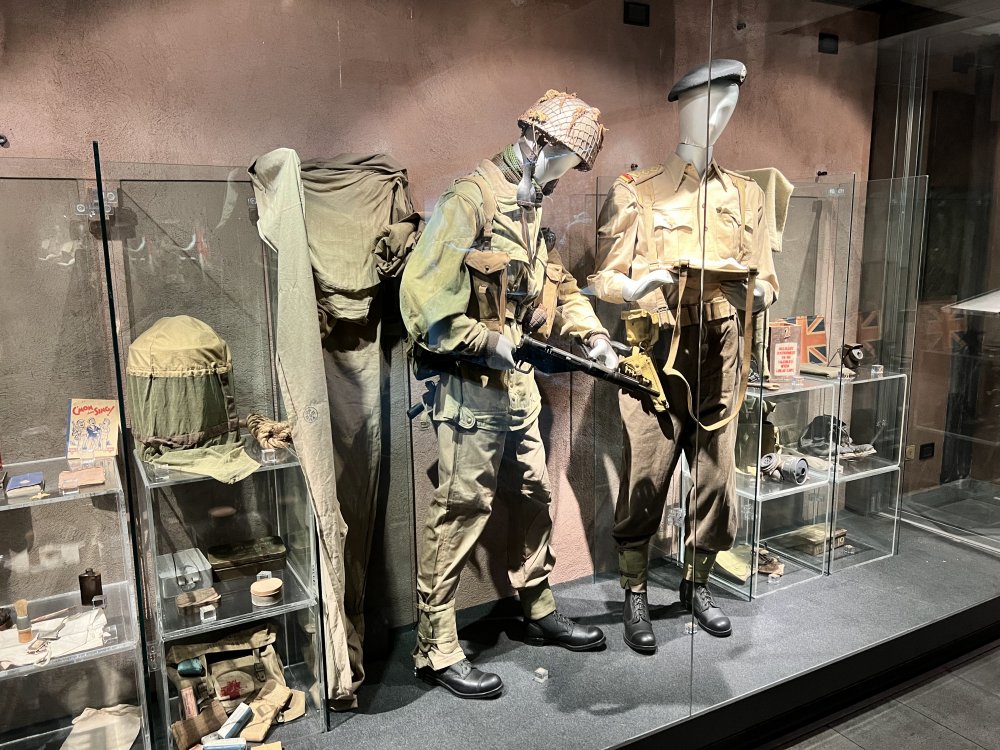
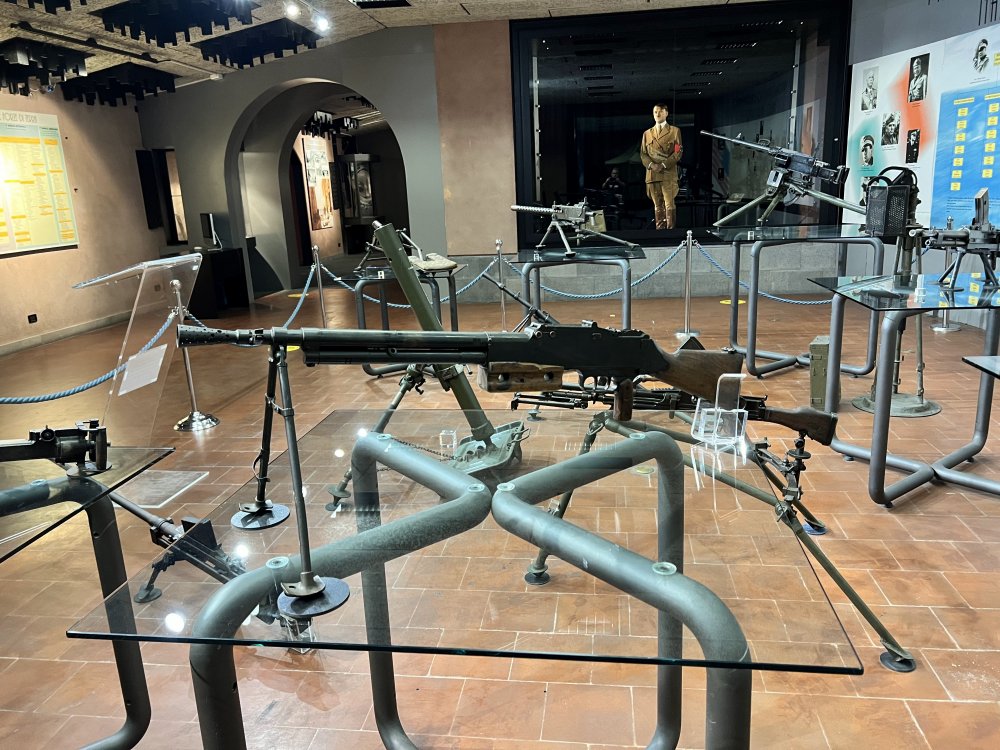
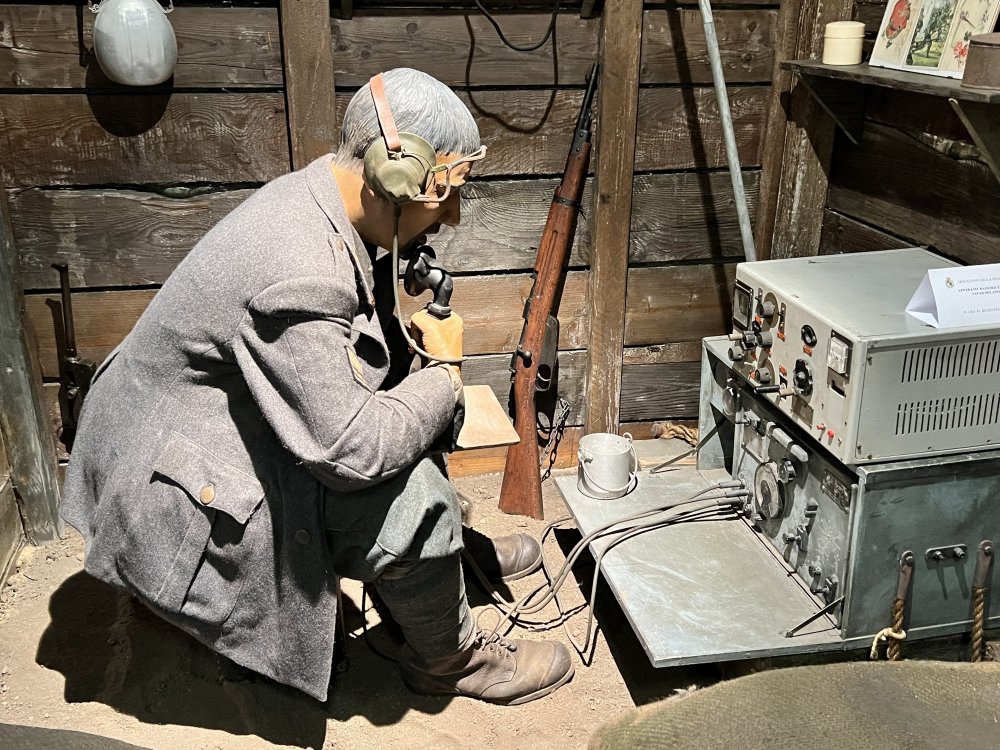
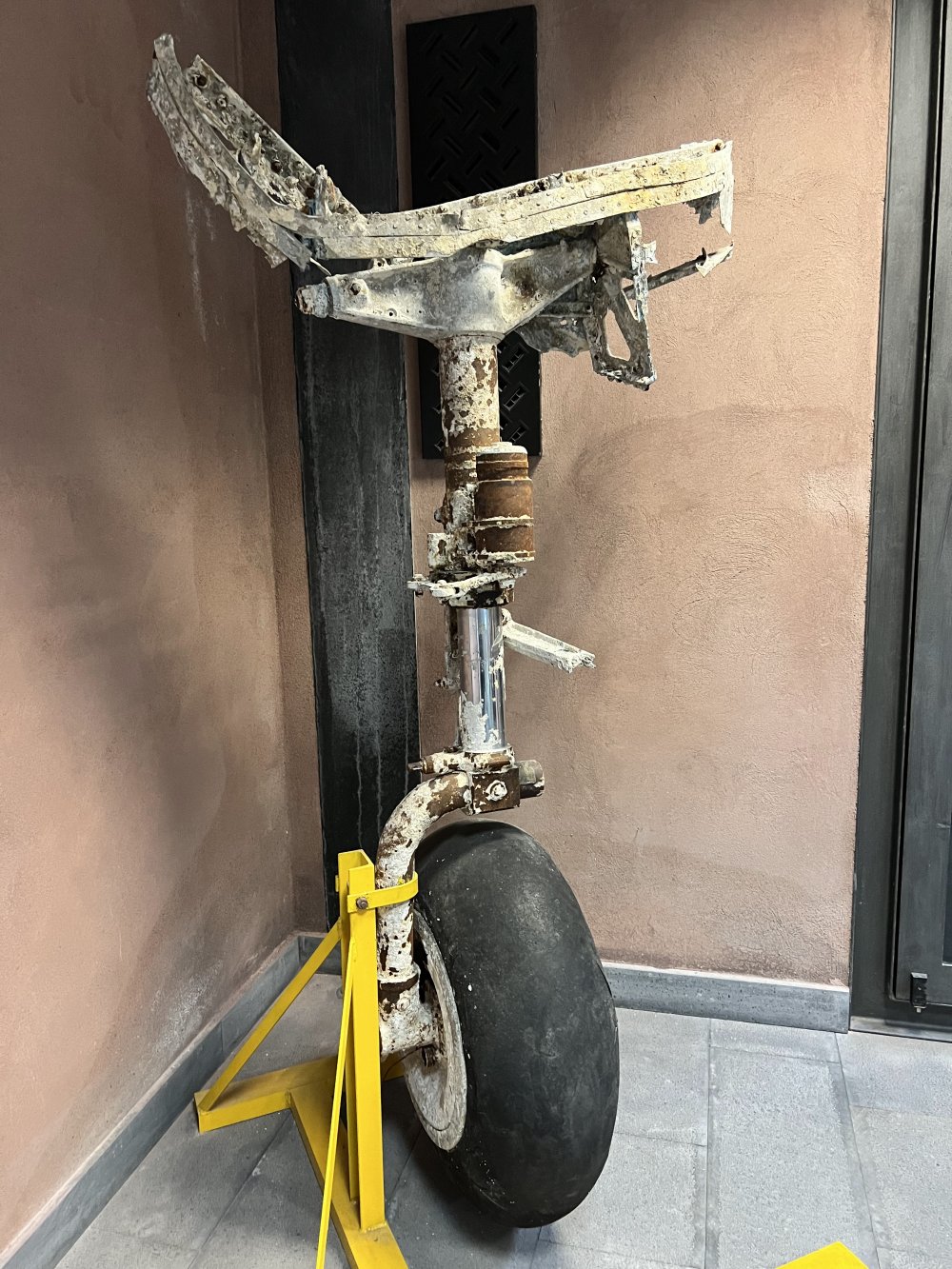
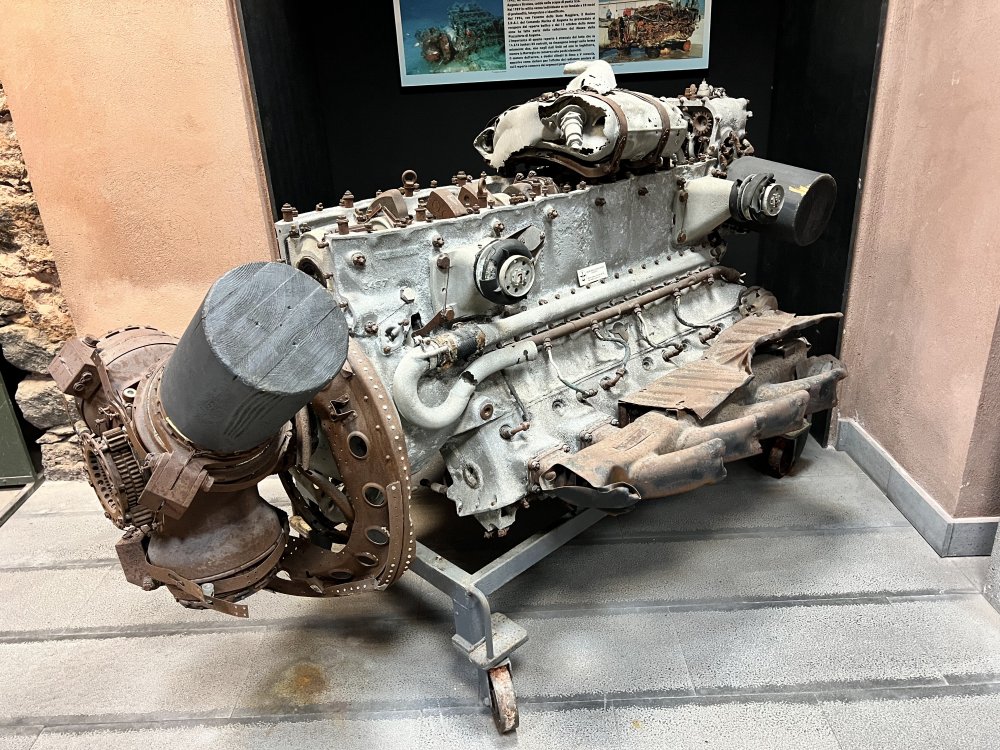
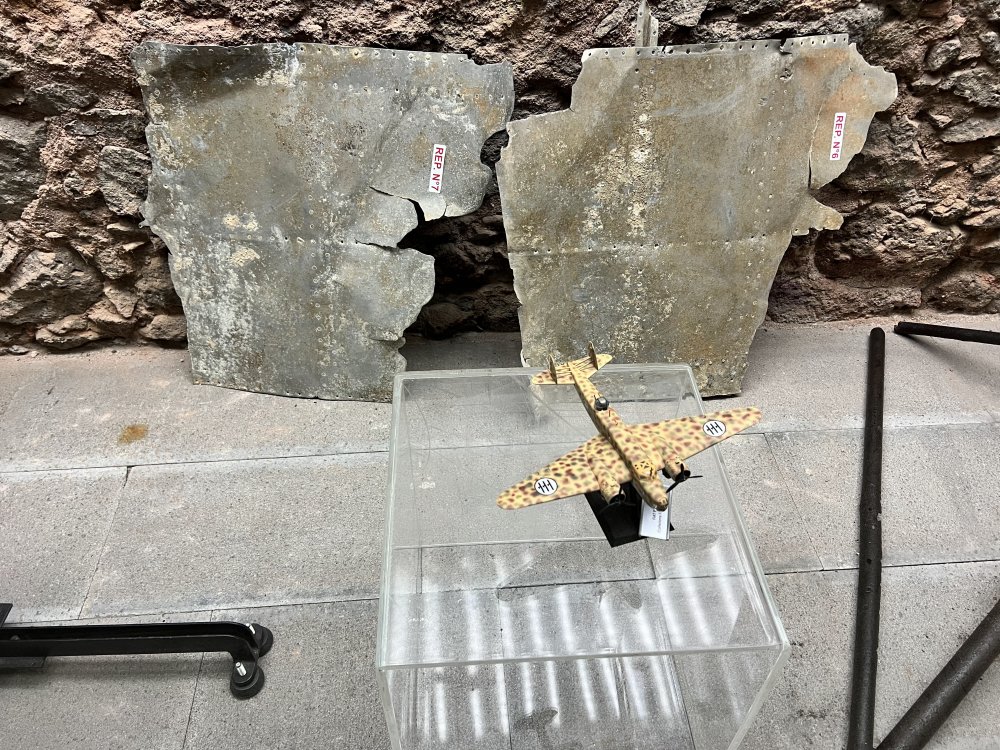
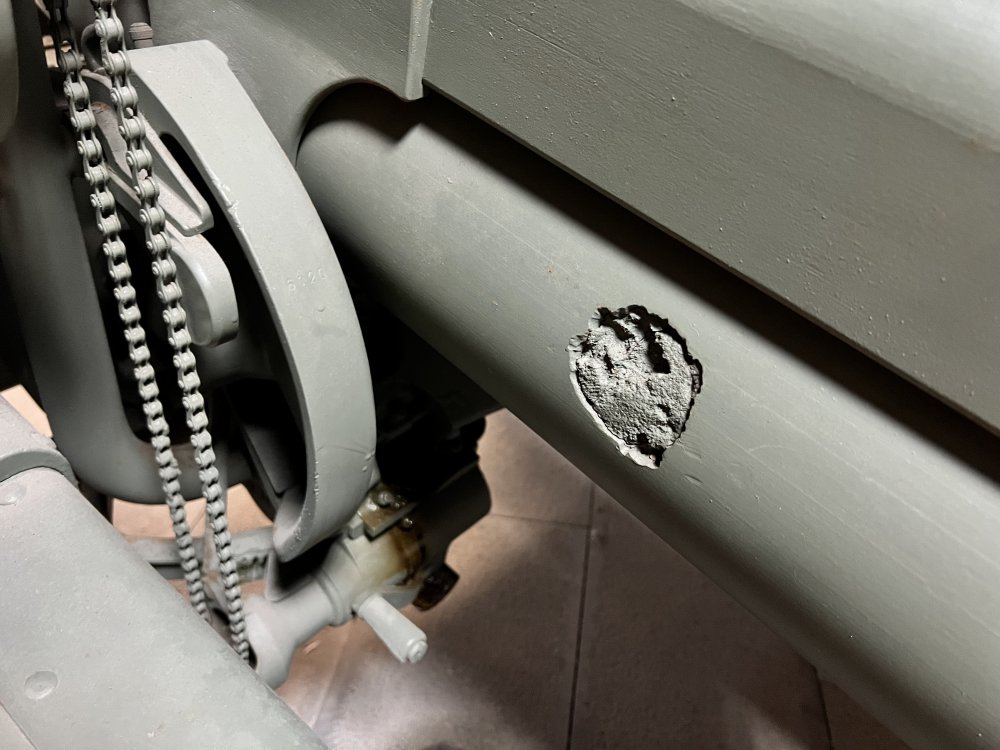
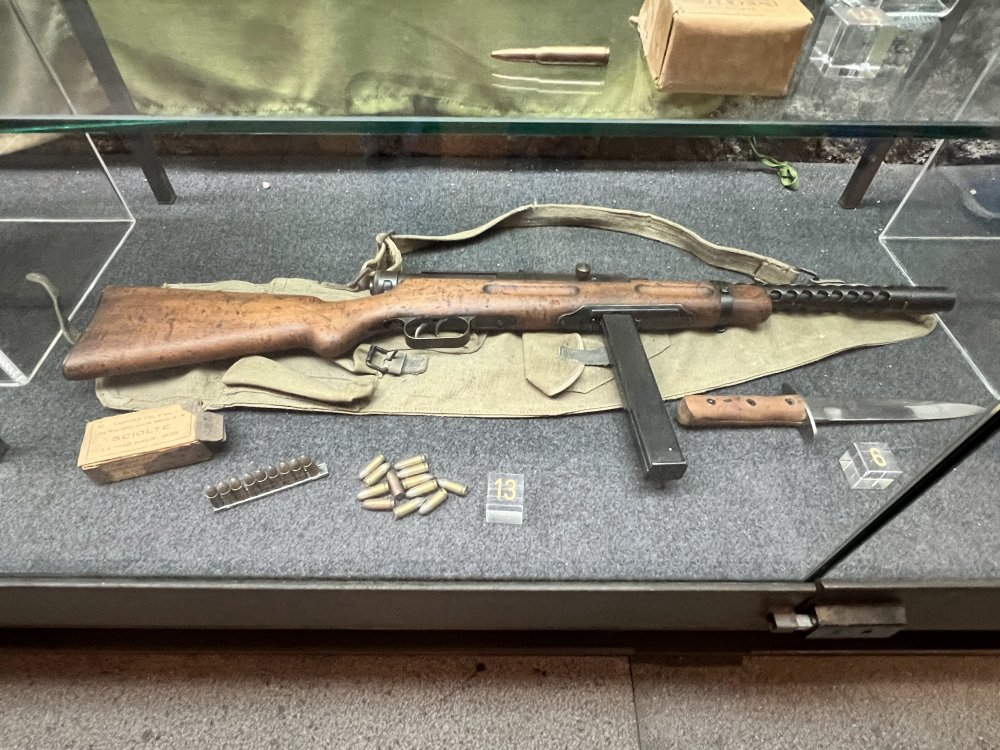
the advance of the Allies. Subsequently, we can admire a large exhibition of authentic historical artifacts, with military uniforms and period weapons.
Especially worth seeing is current exhibition of Phil Stern’s photography - an American photographer noted for his iconic portraits of Hollywood stars,
as well as his war photography while serving as a U.S. Army Ranger with "Darby's Rangers" during the North African and Italian campaigns in World War II.
Settling in Los Angeles after the war, Stern was staff photographer for Look magazine. He also worked for Life magazine and Collier's. He was present
on numerous film productions as still photographer, and in that capacity took photographs of a huge cross-section of the film community. Stern's images
of Marilyn Monroe, James Dean, Marlon Brando and even musician Louis Armstrong have become widely recognized icons.
Looking at Phil Stern’s photographs one thing was especially striking to me – pictures of German and Italian soldiers surrendering to the Allies – Germans
obviously shocked while Italians smiling and waving their hands towards the photographer. Well – this terrible war was finally over for them. No more
shooting, bombing and dying. A chance to go home ...
Editor: "Please note, during Husky the Allies mostly faced ill-equipped Italian reservists, conscripts, support troops or
coastal divisions and coastal brigades composed mainly of old men and second line troops; contrast this to the determined resistance
encountered by US troops at Gela by Italian tanks and infantry and later at the Gothic line in 1944-45 when RSI troops were re-constituted.
There were no Bersaglieri, Special forces such as X-MAS, armored or motorized divisions, Giovani Fascisti, Guastatori, Folgore or Alpini etc at
Husky - many of these units had been lost in the USSR or North Africa. Finally it should be pointed out that we don't know the context
of these kinds of photos and in what circumstances the photos were taken, often photographers would prod captured soldiers to get propaganda photos (there
is an example below of captured German soldiers smiling at a photographer), this was done by both sides. This unfortunately is the de-humanizing aspect
of modern warfare." Editor
|
|
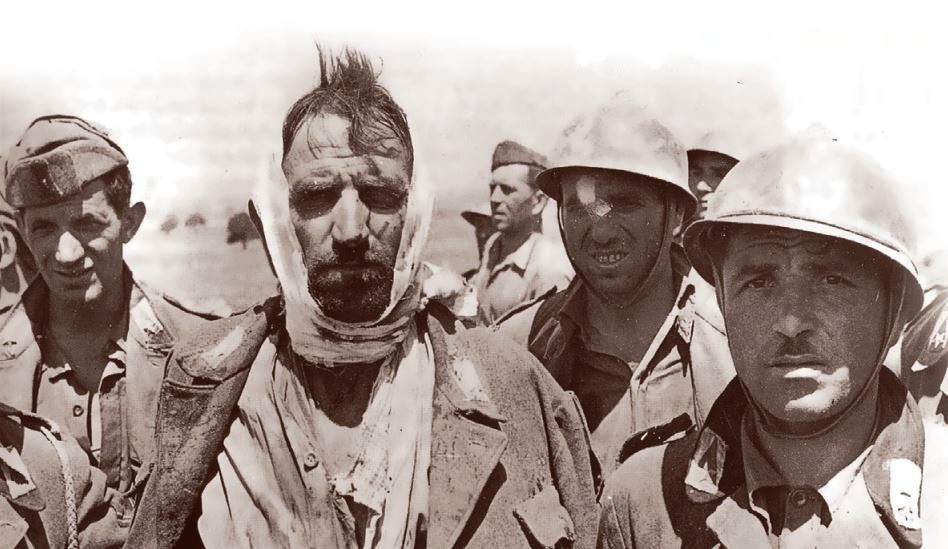
Italian troops of 206th Coastal Division taken prisoner by British forces in Sicily. Typical of the low-grade equipment issued
to Coastal divisions, these troops are wearing the French Adrian helmet of World War I vintage, instead of the M33.
|
|
|
|
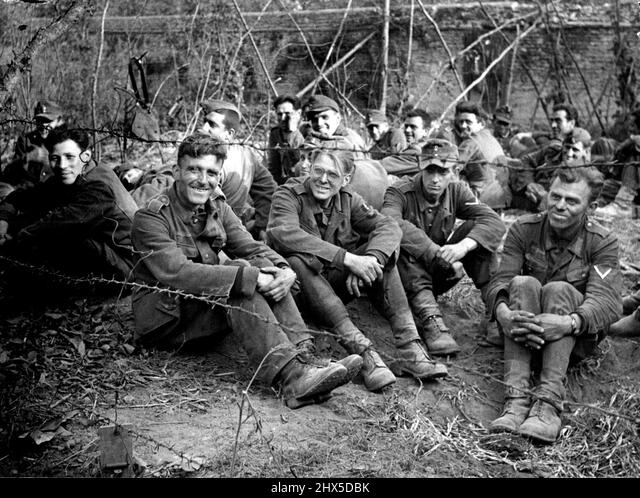
A group of German prisoners captured by Canadians, smile behind their barbed wire enclosures. Many of them said
they were glad the war was over for them. October 2, 1944.
|
|
The second floor houses a small collection of wax statues depicting Franklin D. Roosevelt, Winston Churchill, King Vittorio Emanuele III, Benito
Mussolini and Adolf Hitler. To say that these wax statues look like living humans is to say nothing. They are just perfect!
In the same room there is a scale reproduction of the tent including the characters who signed the armistice on 3 September 1943 in Cassibile: General
Giuseppe Castellano and Commander Bedell Smith. At the conclusion of this historiographical journey there is the image of the English cemetery,
located on the outskirts of Catania, where the remains of the fallen rest, whose names scroll on a luminous panel.

|
|
Incredible life-like wax statutes can be found at this museum, in this photo Benito Mussolini.
|
|
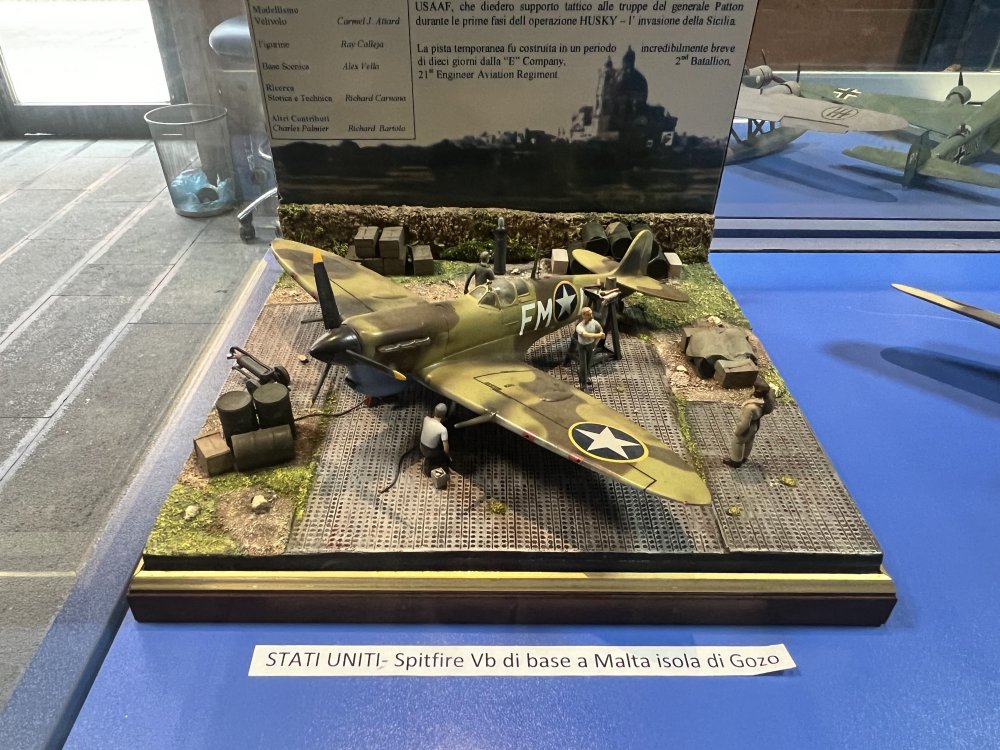
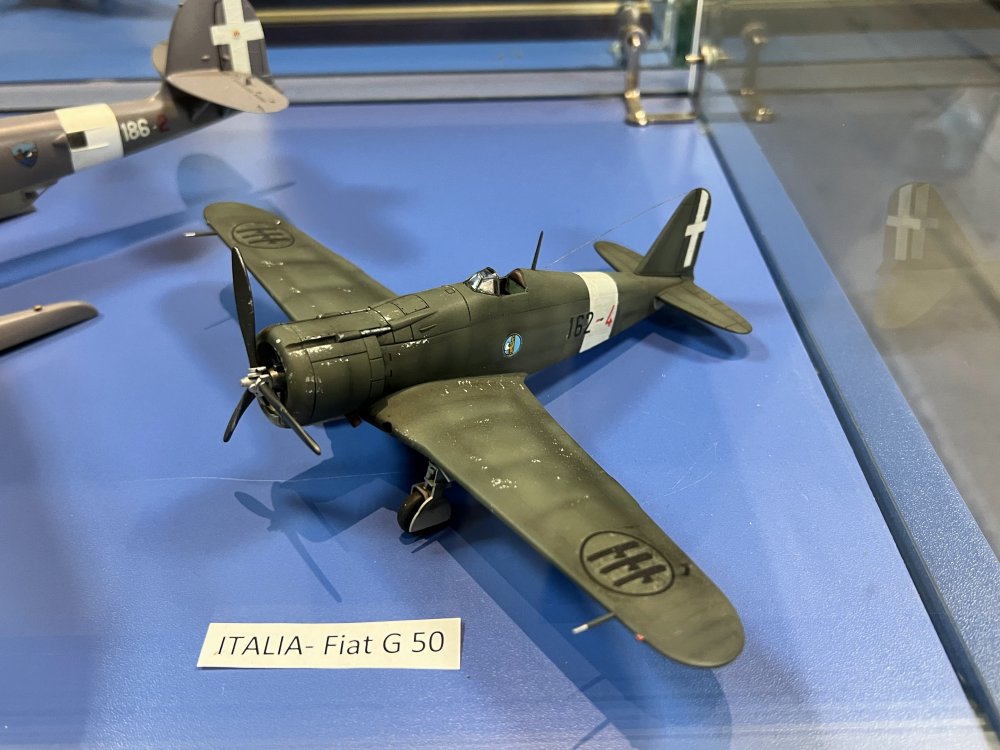
Finally, the last part of exhibition – small collection of model airplanes and dioramas. Personally I was happy to see a model of Spitfire in the livery of Polish ace Major Stanislaw Skalski – C.O. of 601 Squadron RAF during invasion on Sicily.
Museo dello Sbarco in Catania is a great place to visit. Highly recommended to all history enthusiast who plan their trip to Sicily. I’ll be back.

|
|
Spitfire Vb flown by Polish ace Major Stanislaw Skalski – C.O. of 601 Squadron RAF during invasion on Sicily.
|
|
|