|
Background to Sciacca Airfield
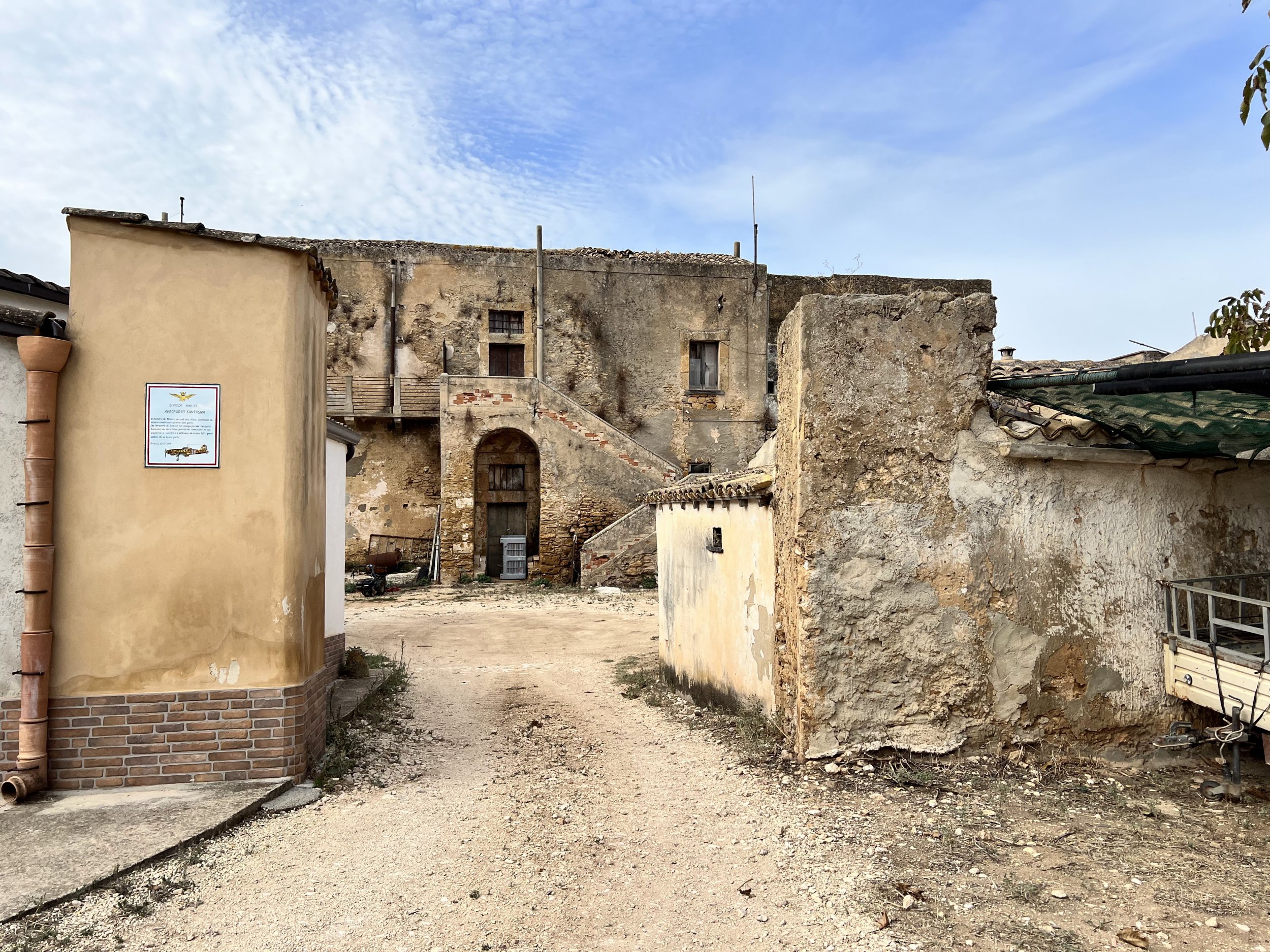
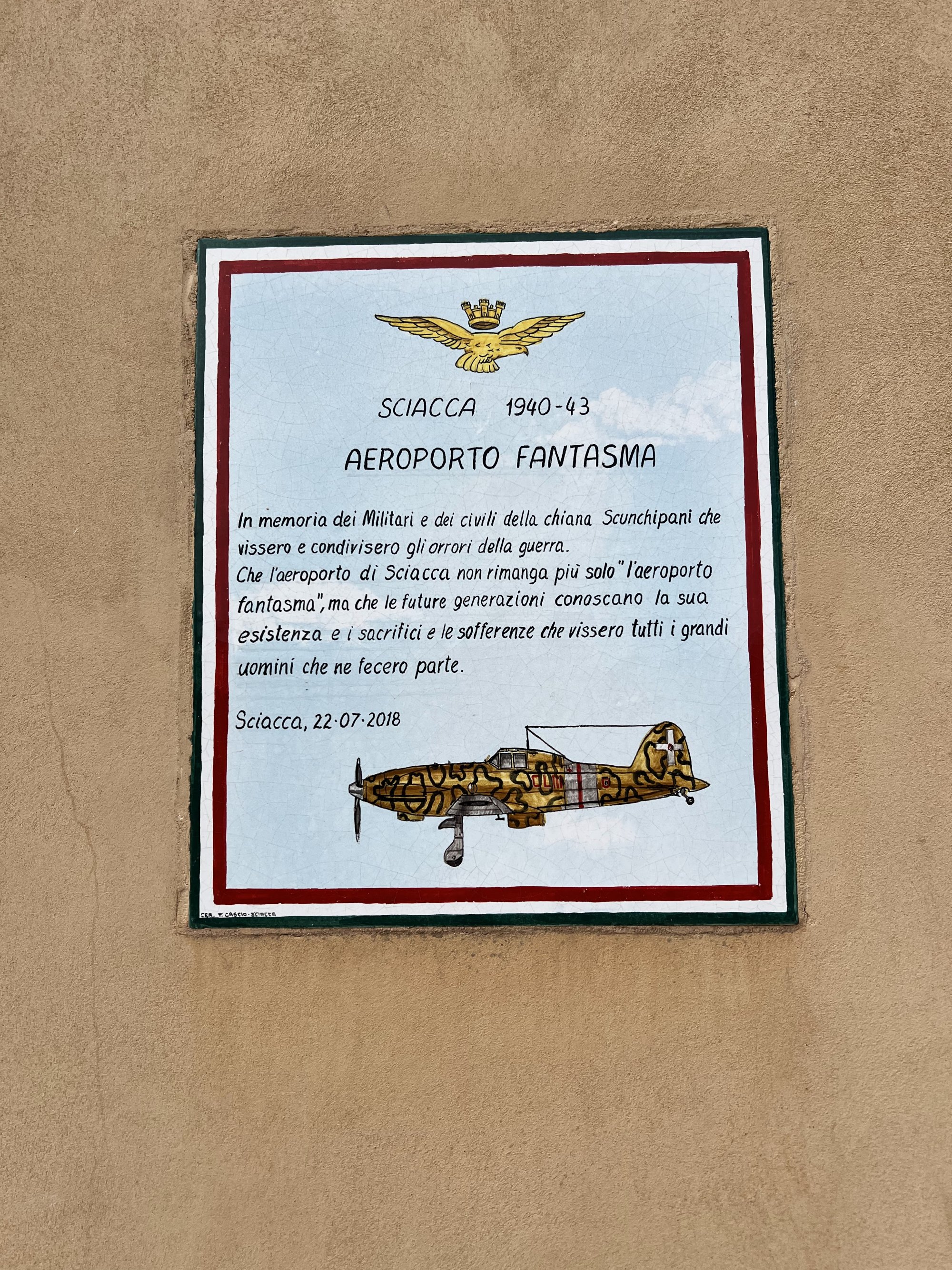
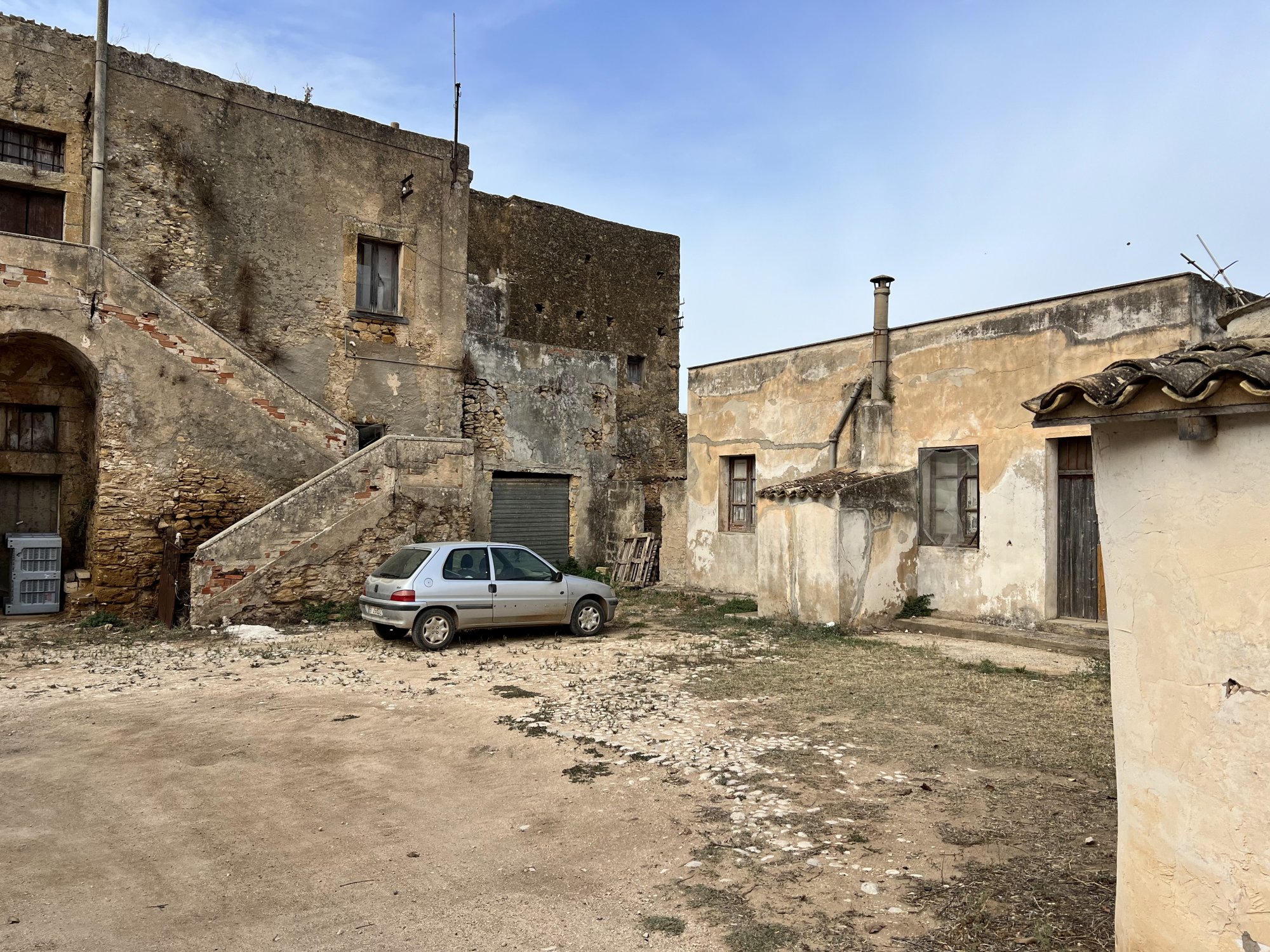
The construction works of the "Regio Aeroporto di Sciacca" began in 1938 when the Ministry of Aeronautics chose a flat area, located in the Piana Scunchipani district. The base was inaugurated on 22 July 1938. The Sciacca air base was born following a pretext from the Italian State in 1939 for the creation of an agricultural project as part of the protocol of the area, compensating the owners of the land.
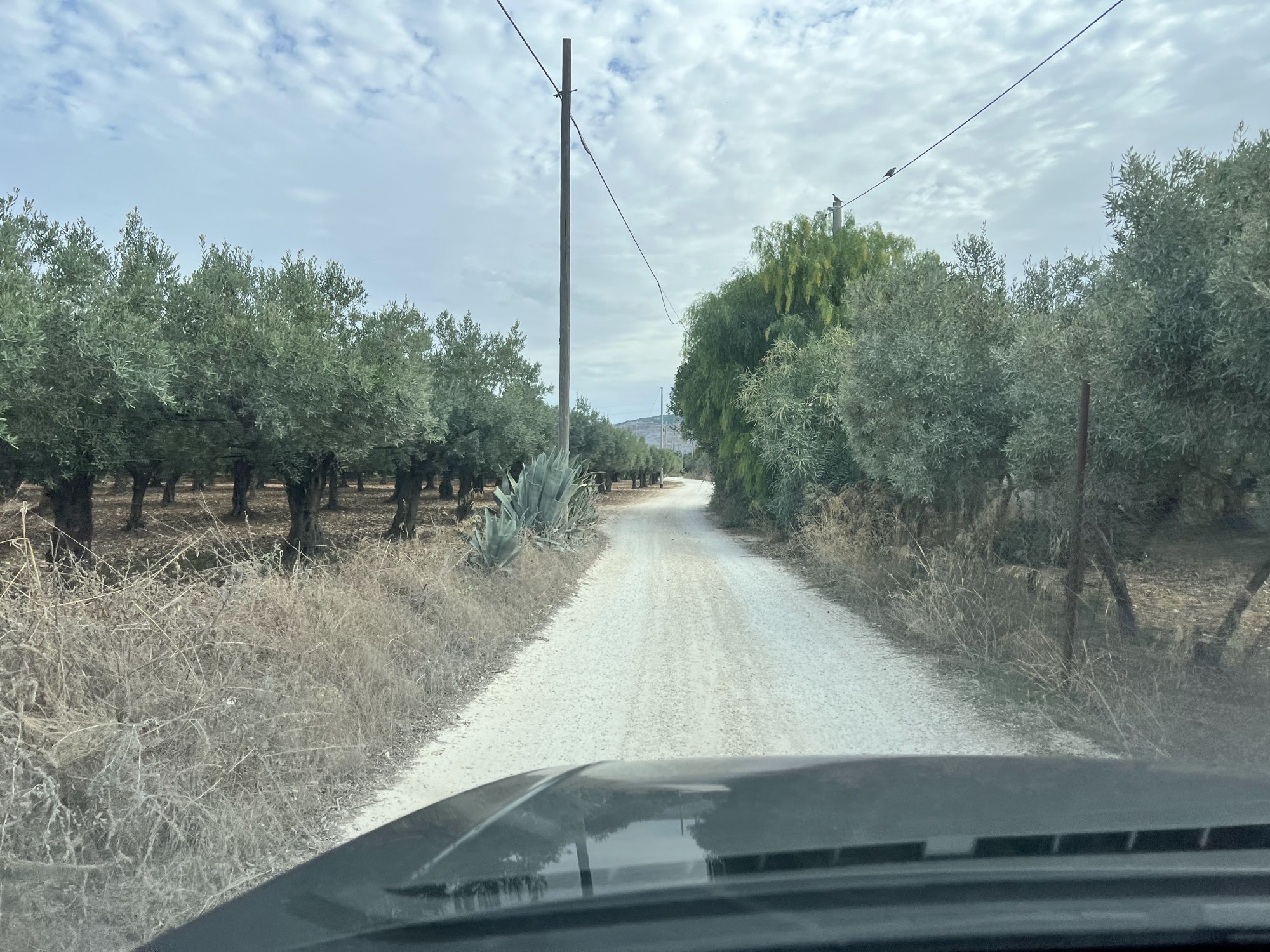
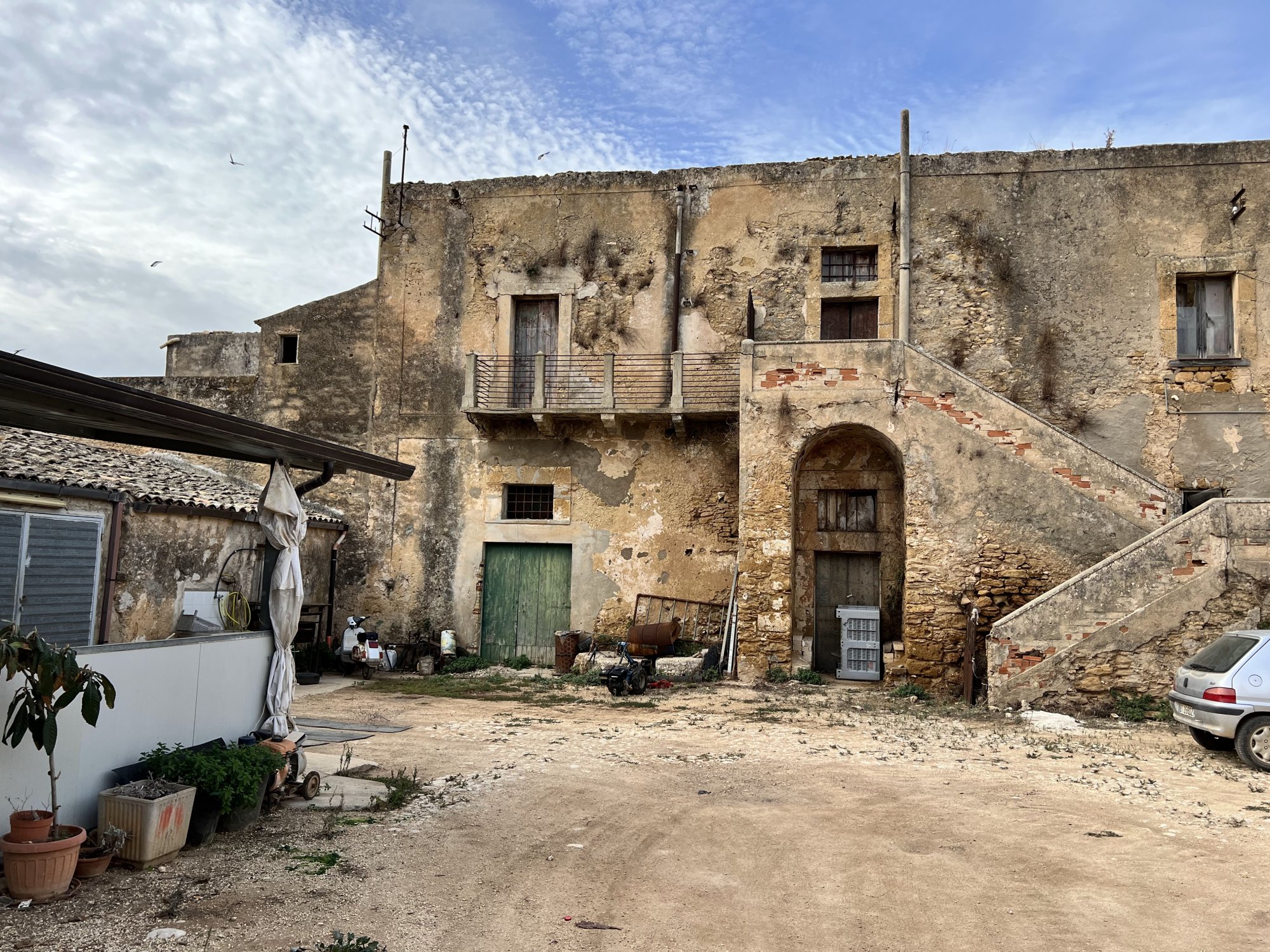
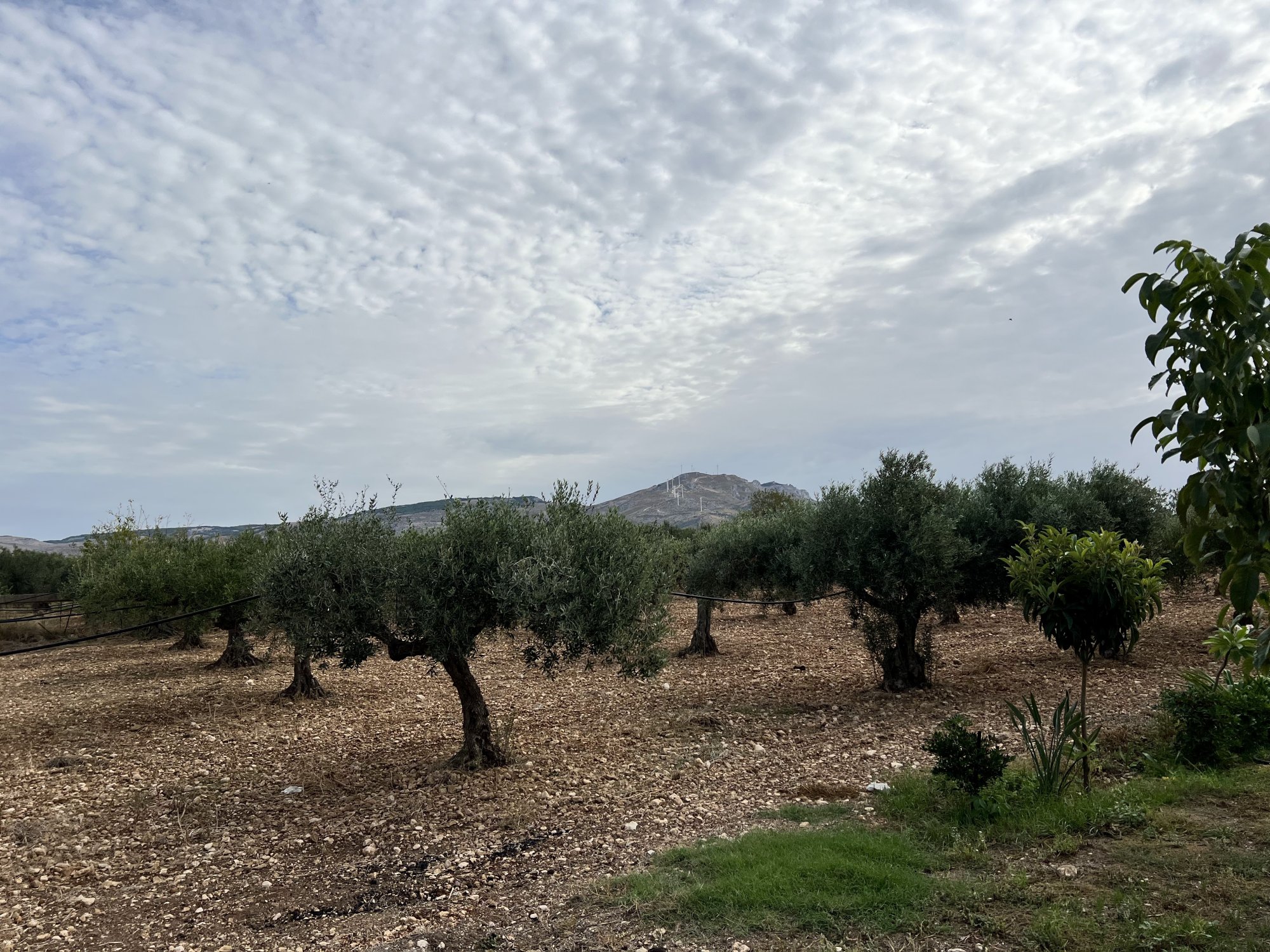
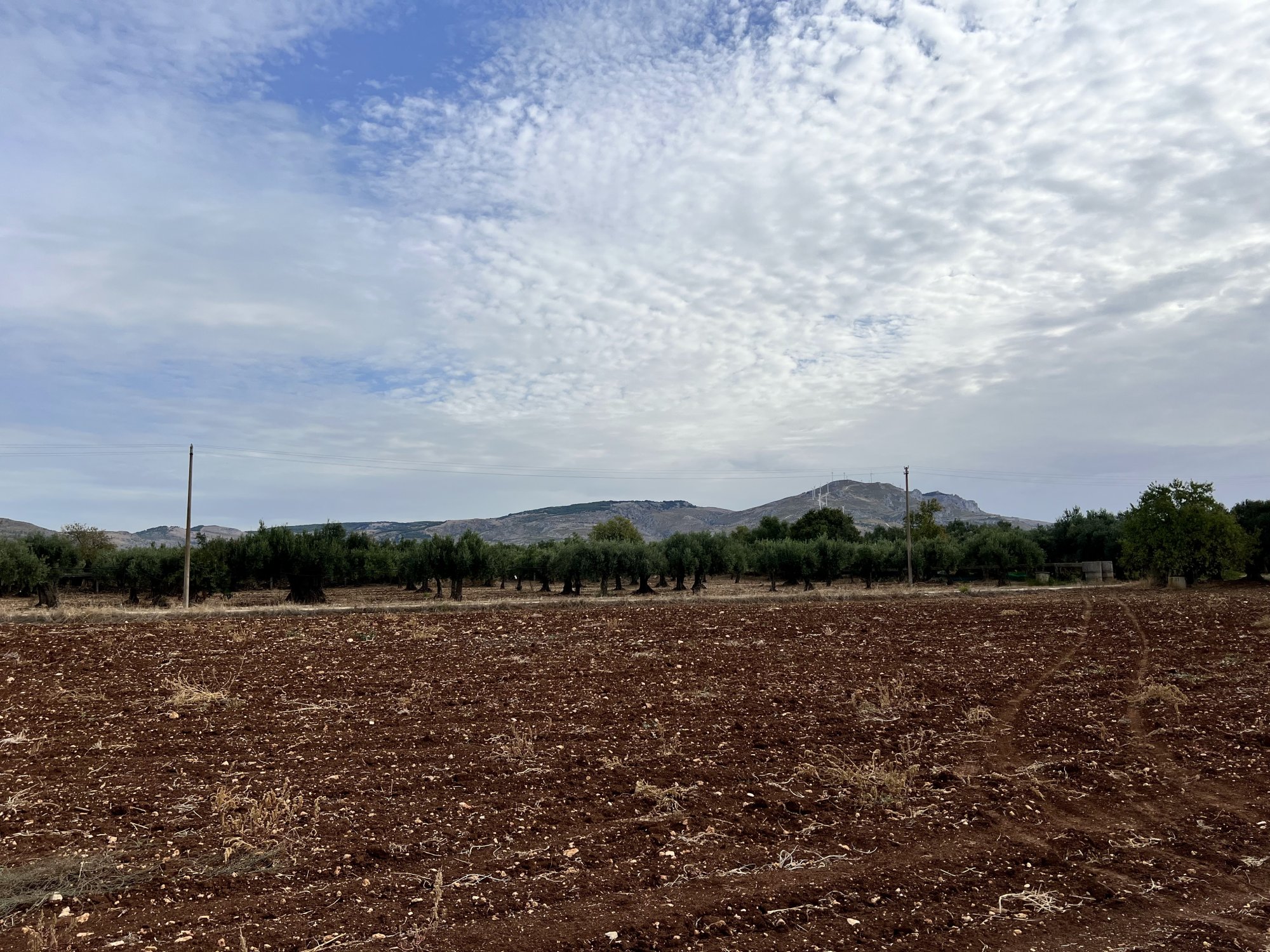
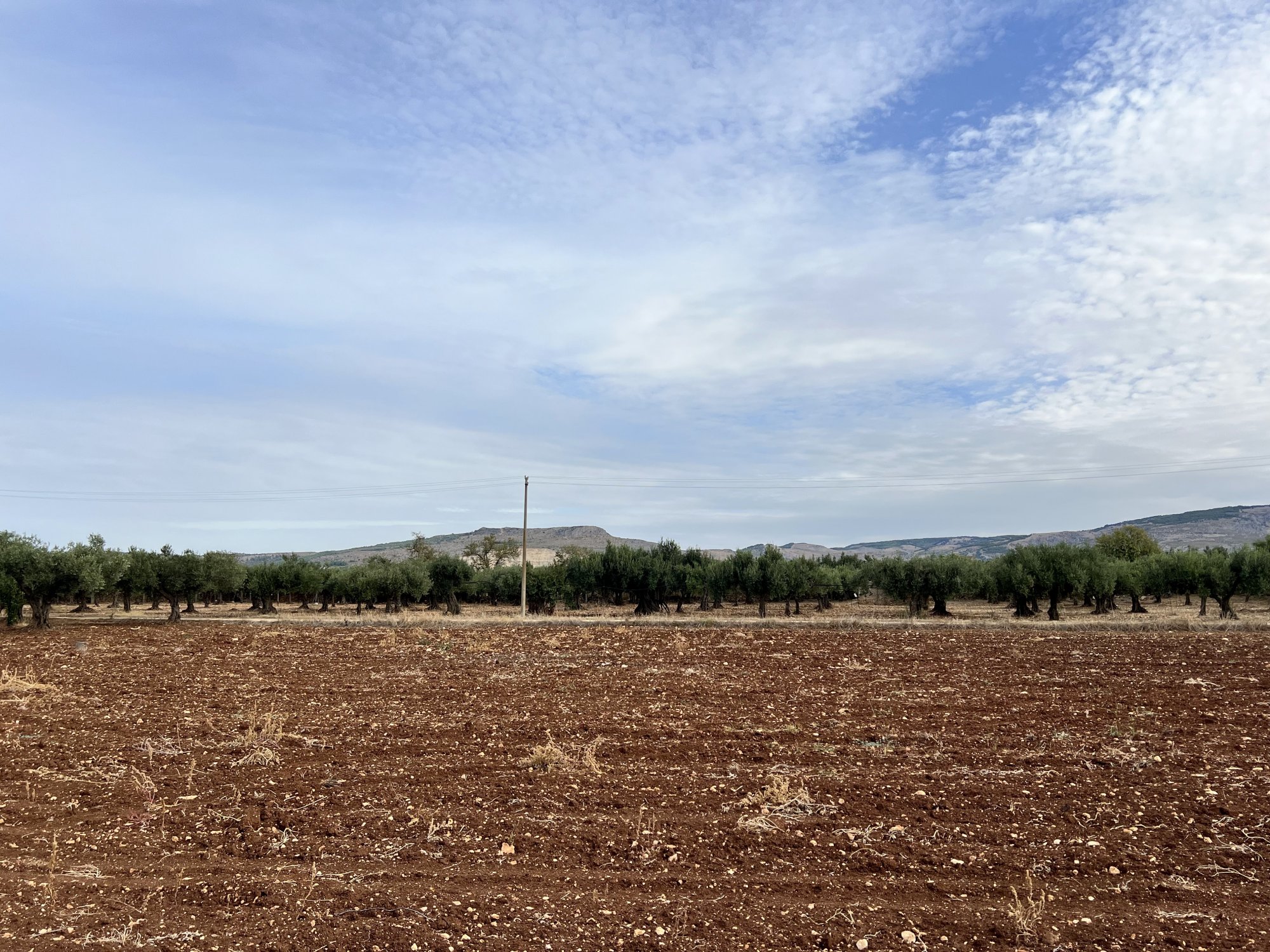
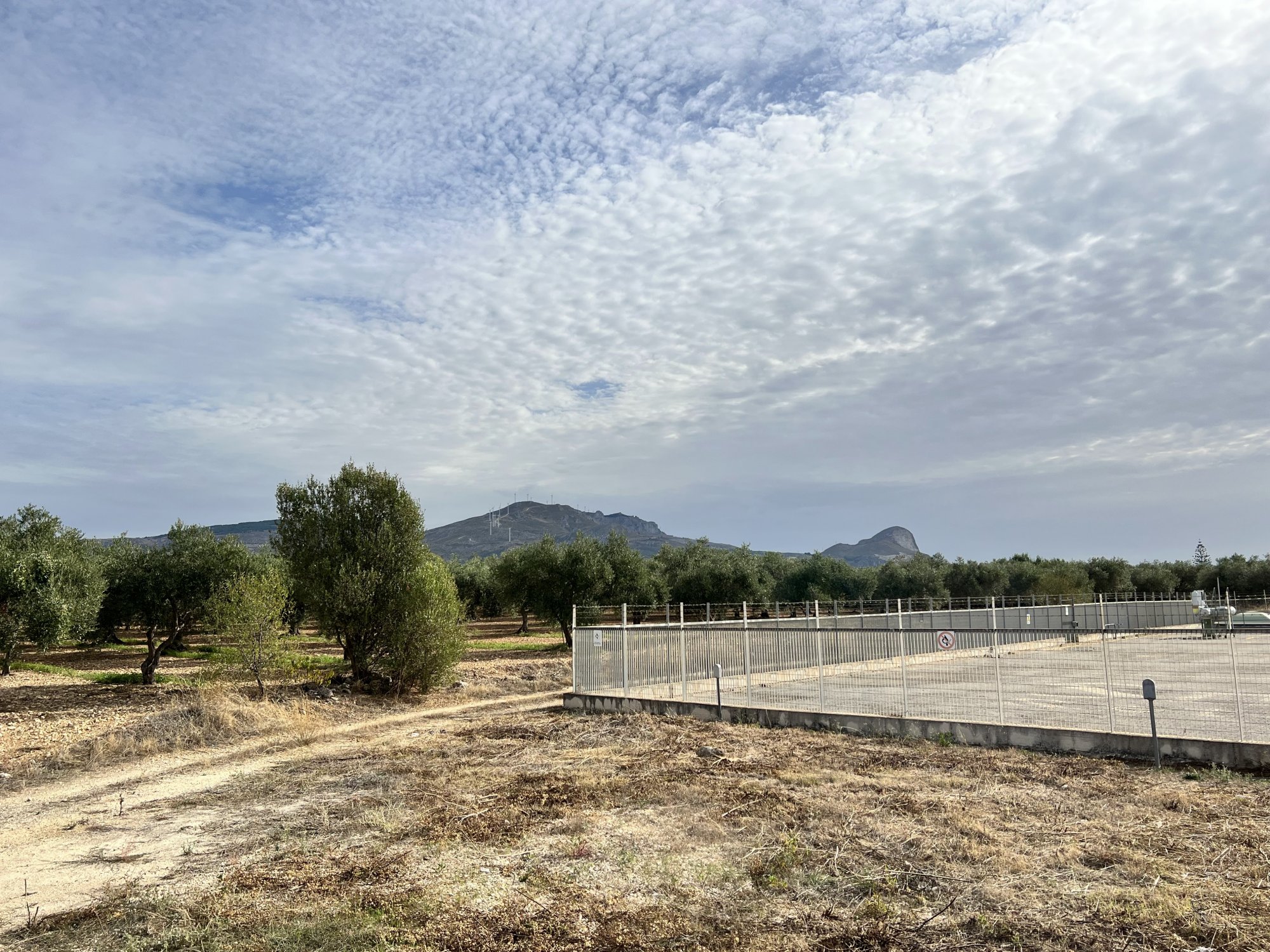
In 1940 the entire flat area was cultivated with olive trees along the entire perimeter of the future military base. At the outbreak of the Second World War in Italy (10 June 1940) when it was the headquarters of the 30º Stormo Bombardamento Terrestre 2ª Squadra Aerea with 27 S.M.79s, additional runways were built in the flat areas cultivated with grass, keeping all the olive trees and surrounding pastures intact, camouflaging and protecting aircraft. Several houses in the surrounding districts were requisitioned, first by the Italian Command and subsequently, in 1941, by the German command, for airport services. The airmen and non-commissioned officers resided in sheds built perfectly camouflaged in the shade of the olive trees. Officers also resided in the city of Sciacca. Some blast pens were built in several areas to protect planes against shrapnel.
|
|
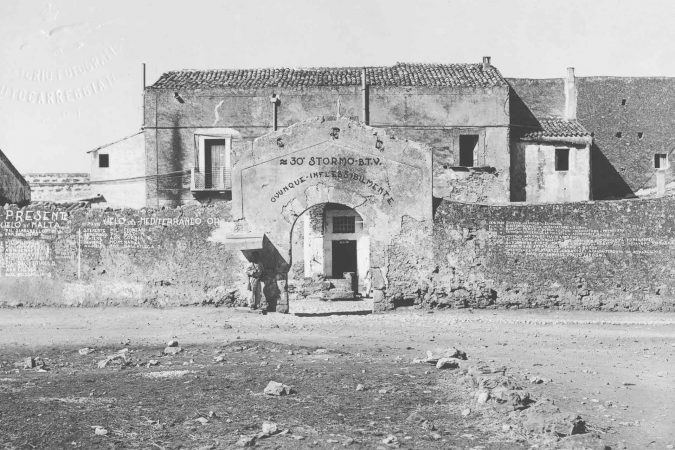
As it was then, the headquarters of the 30º Stormo Bombardamento Terrestre, 2ª Squadra Aerea.
|
|
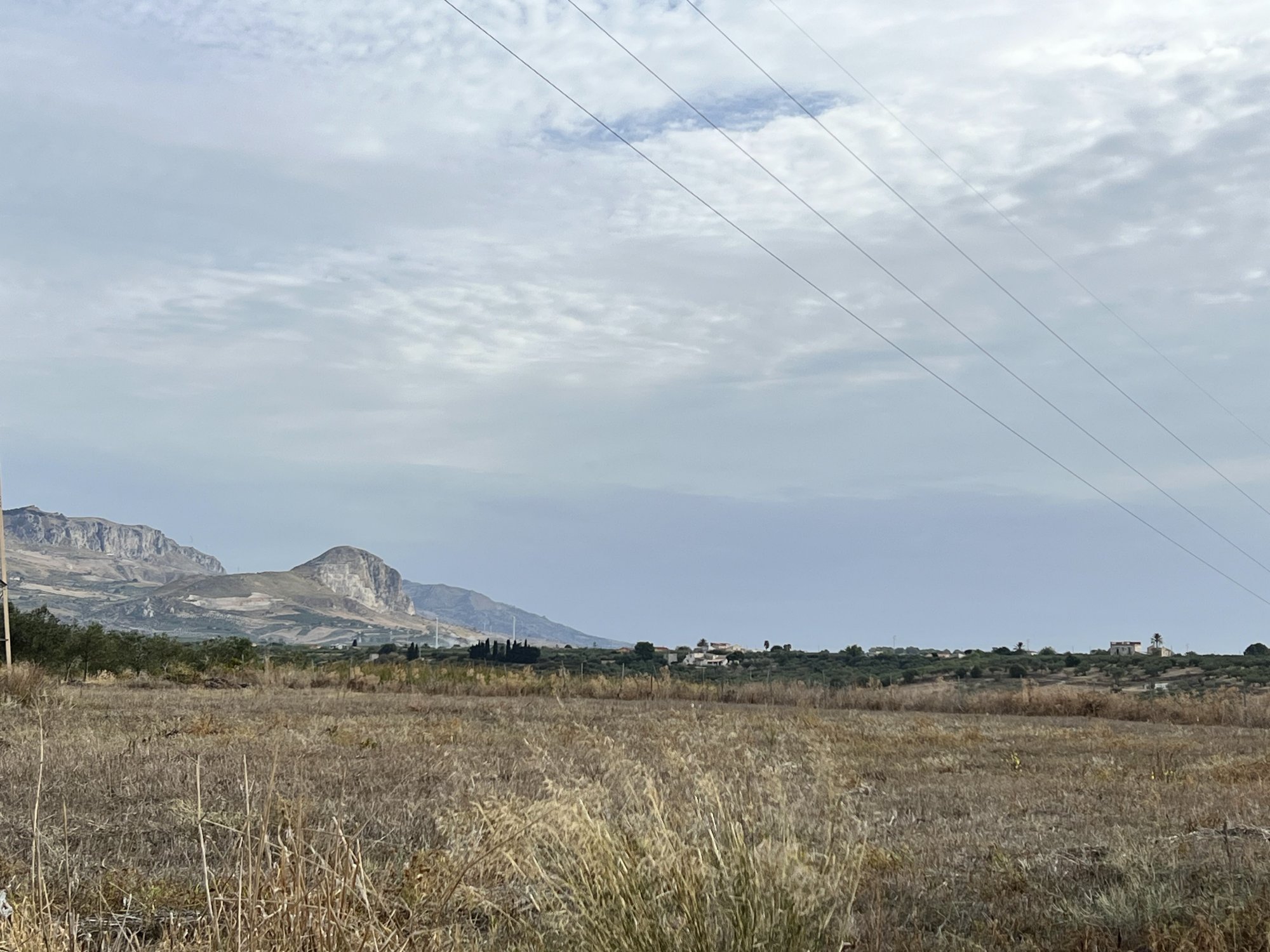
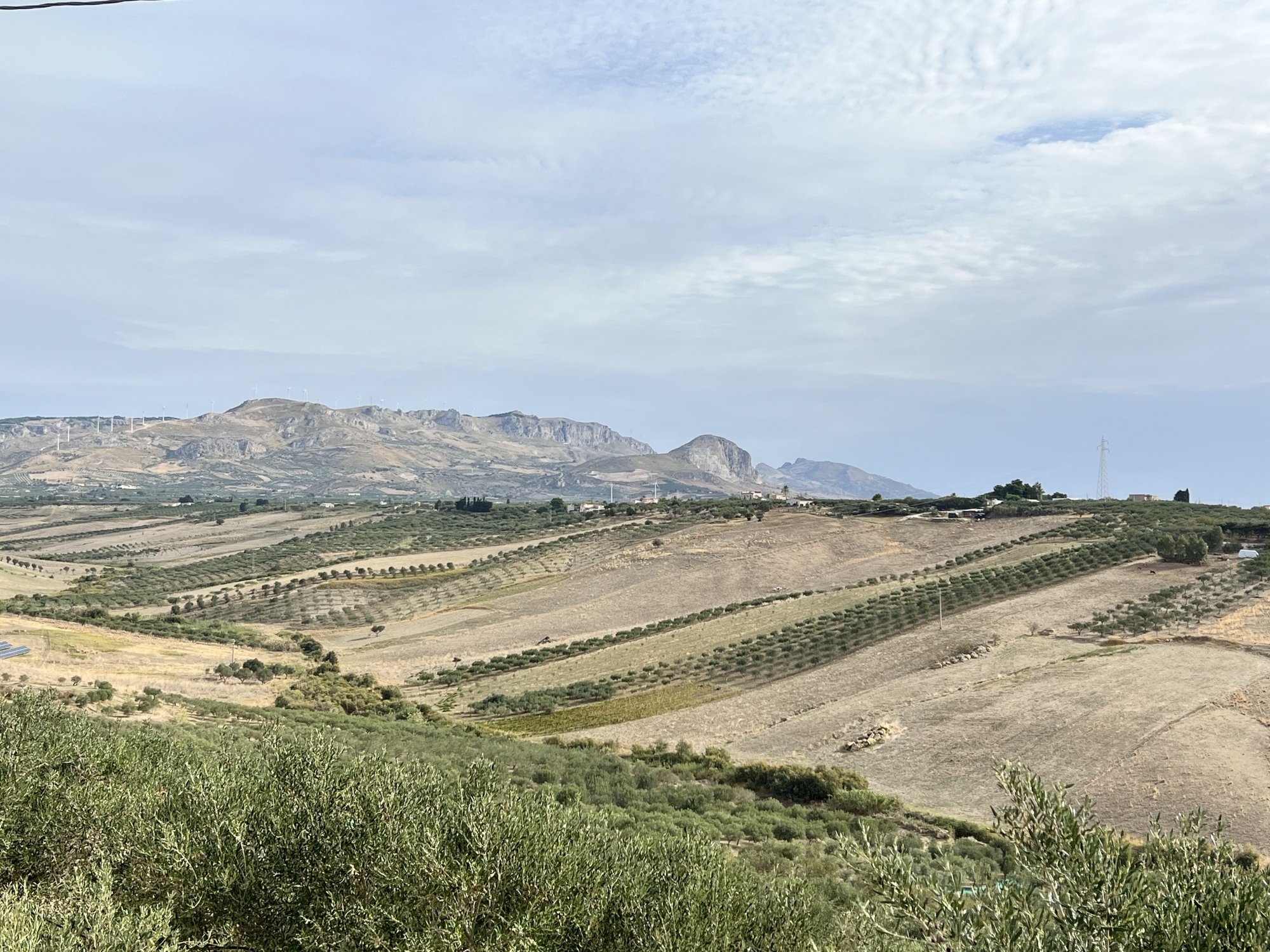
Due to its particular location and the abundant vegetation of centuries-old olive trees which could provide good camouflage for the military infrastructure,
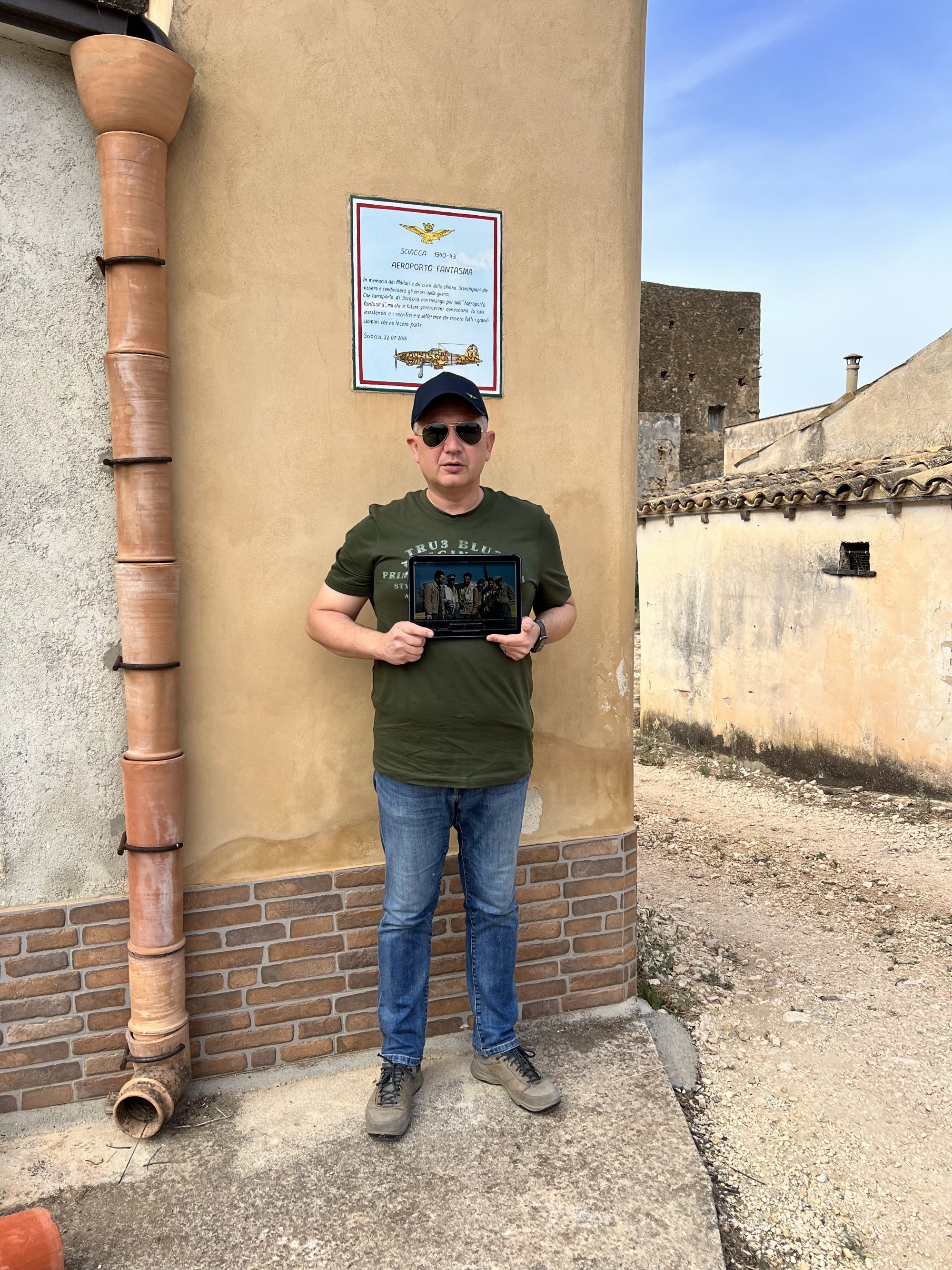
it was used as an airfield in mid-1940. Due to its peculiar characteristics, Sciacca airfield took the imaginative name of "Aeroporto Fantasma" Ghost Airport and remained secret
until October 1942 when it was photographed by an RAF reconnaissance flight.
Various missions were carried-out by the base's airplanes, including naval reconnaissance and anti-submarine missions, fighter escort for naval convoys
and air transport, troops and material (to North Africa), the bombing of Malta and night fighter missions.
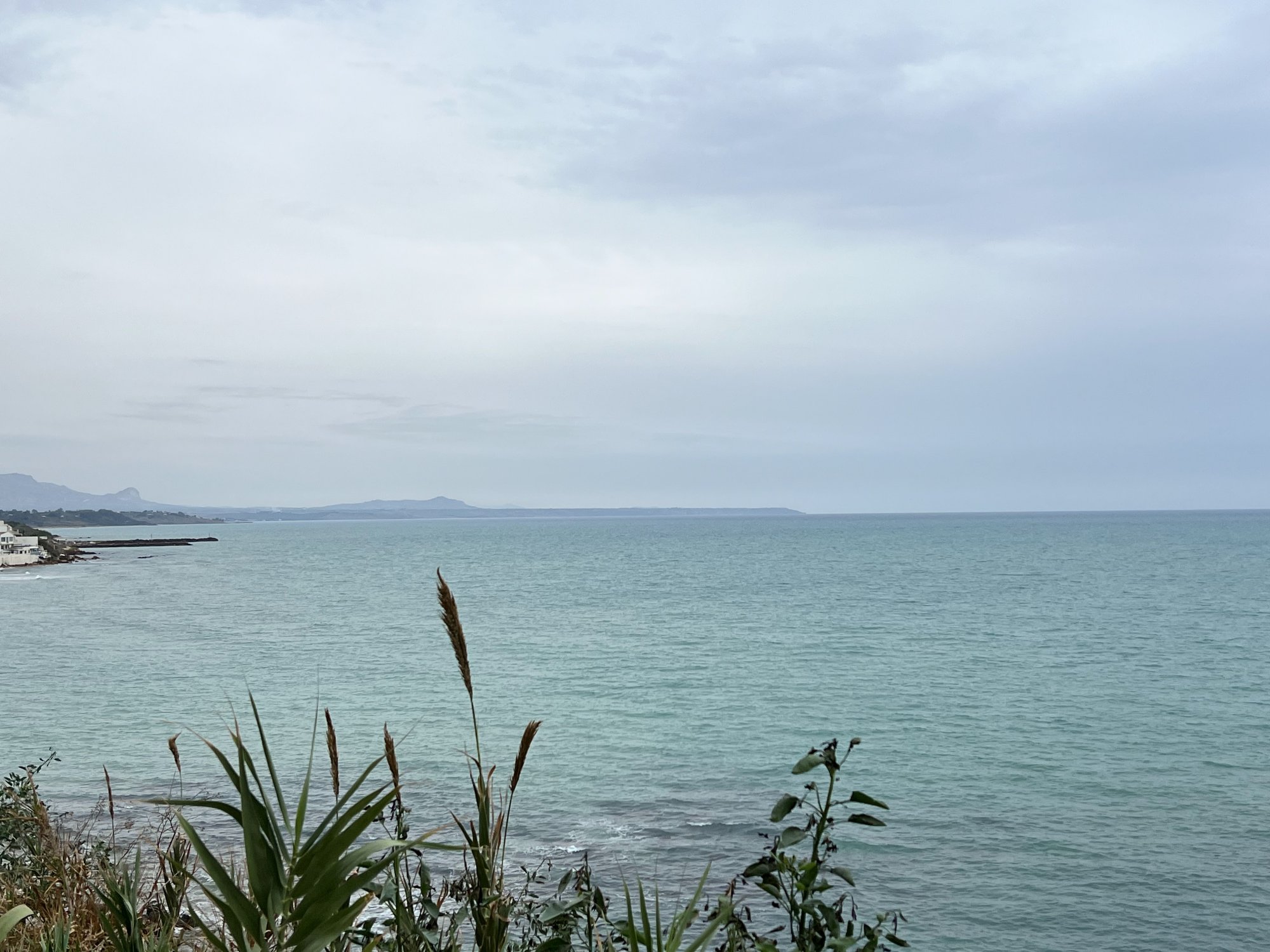
The strategic position of the Sciacca military base, in the center of the Mediterranean, made it a point of reference for the air forces engaged in missions
in North Africa, including the bombing of Malta. On 13 June 1940 the 193ª Squadriglia, 87º Gruppo with 194ª, 194º and 195º Squadriglie of 90º Gruppo,
30º Stormo set off with 5 aircraft each and met 36º Stormo in flight with which they went to Pantelleria to join their escort fighters. Next they proceeded
to the target area - El-Aouina airport (Tunis-Carthage Airport), dropping bombs on the airport buildings and the airfield from an altitude of 4,000 m. On 16 June
Valerio Scarabellotto (commander of the 192ª Squadriglia 87º Gruppo) dropped 12 x 50 kg bombs on El-Aouina airport. On 30 June 1940 planes of 90º Gruppo left
for Malta with its 194° and 195° Squadriglie, 4 aircraft each, carrying out a bombing mission; 194° placed its explosive load between the ships of the port of
Valletta and on the Mqabba airport and 195° attacked the Magħtab, Ta Venezia and Far Far airfields. The Squadrons then completed photographic reconnaissance
of the areas flown over. On 15th April 1942 10º Gruppo started to move to Sciacca.
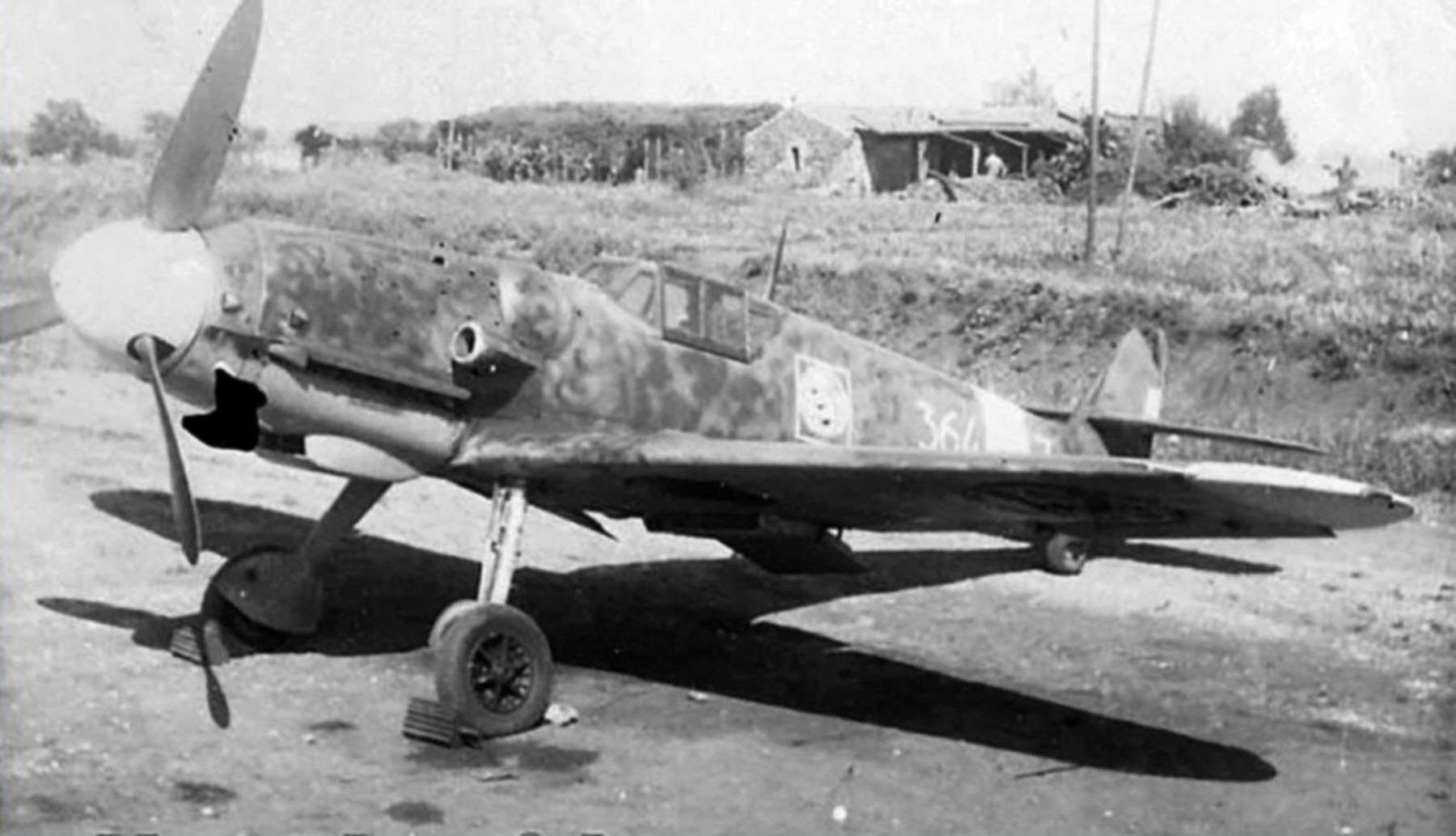
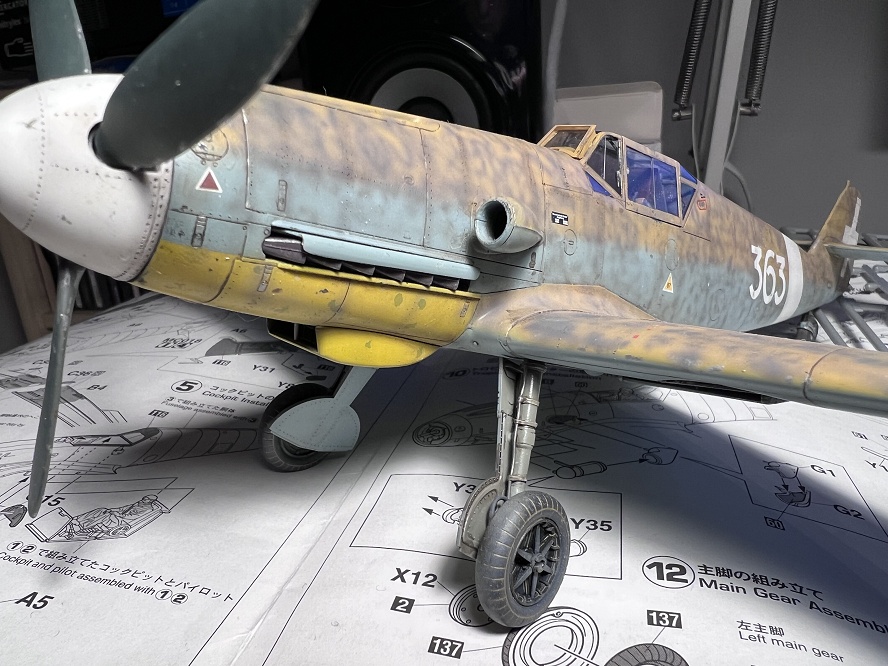
In December 1941, German anti-aircraft defenses arrived consisting of two batteries, one heavy and one light. Later a Luftwaffe fighter group also arrived to support Italian units with the Messerschmitt 109 aircraft.
On 24 June 1942 Benito Mussolini came to Sciacca airbase to decorate the crews of the 102º Gruppo with 9 silver medals, 5 bronze medals and 17 crosses of merit. On the same evening as the award ceremony, the crews were again in the air for attacks on the British positions in Malta.
The hunt for the English ships continued and the following month ended with the Battle of Mid-August. The last air offensive on the island took place in October 1942 and despite the successes recorded by the Axis forces, from a strategic point of view it was not possible, however, to prevent the Commonwealth forces on the island from surviving, since the few ships that arrived in Malta, were able to ensure enough supplies. In November 1942 the General Staff (Stato Maggiore) of the Regia Aeronautica, confirming the strategic importance of the “Ghost Airport”, decided to transfer the Sicilian Fighter Command (Comando Caccia della Sicilia) to Sciacca and two months later on 12 January 1943 the city suffered the first air raid which caused eight civilian casualties. 26 February 1943 was a historic date for the Maltese, as the last air attack took place which marked the end of the Regia Aeronautica's bombing of the island. In the following months, Malta was removed as a primary target by the Regia Aeronautica and was now focused mainly on convoy escort and patrol missions in the Mediterranean.
In 1943 airport operations intensified controlling the area of the Sicilian Channel and to protect North Africa-Sicily transports and convoys. In those months the airport suffered massive bombings which caused many deaths among both the military and the civilian population.
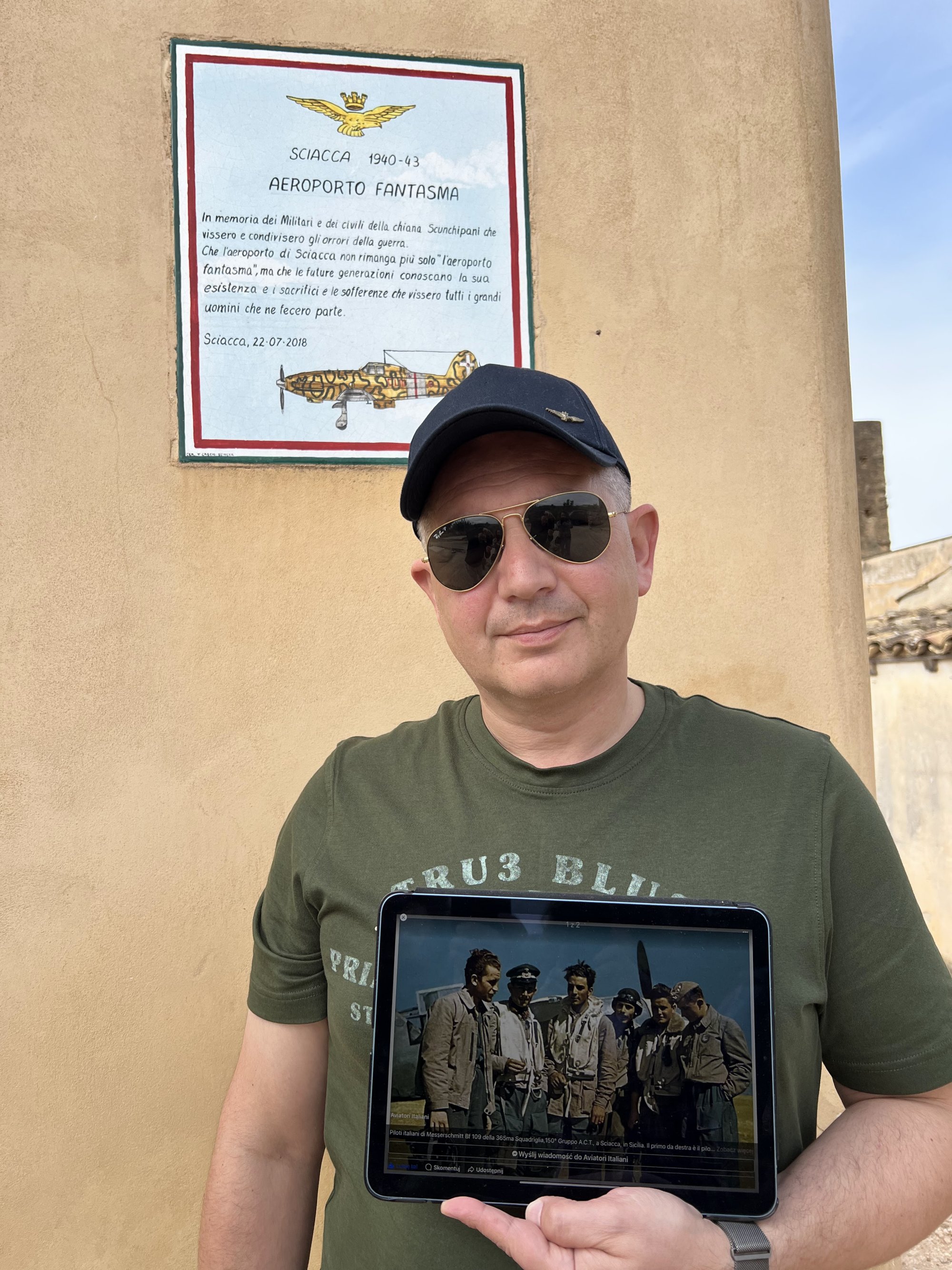
The last unit to be deployed to Sciacca airbase was the 150° Gruppo Caccia Gigi Tre Osei, which fought attacking enemy air forces until the airfield was lost.
In July 1943 the Americans landed in Sicily and ten days later the 82nd Airborne Division was ordered to proceed to Sciacca where it encountered no resistance (the airbase was abandonded).
The American 61st Troop Carrier Group was hence stationed at Sciacca until February 1944. After that date the camp was taken down and the land returned to its original owners.
|
|
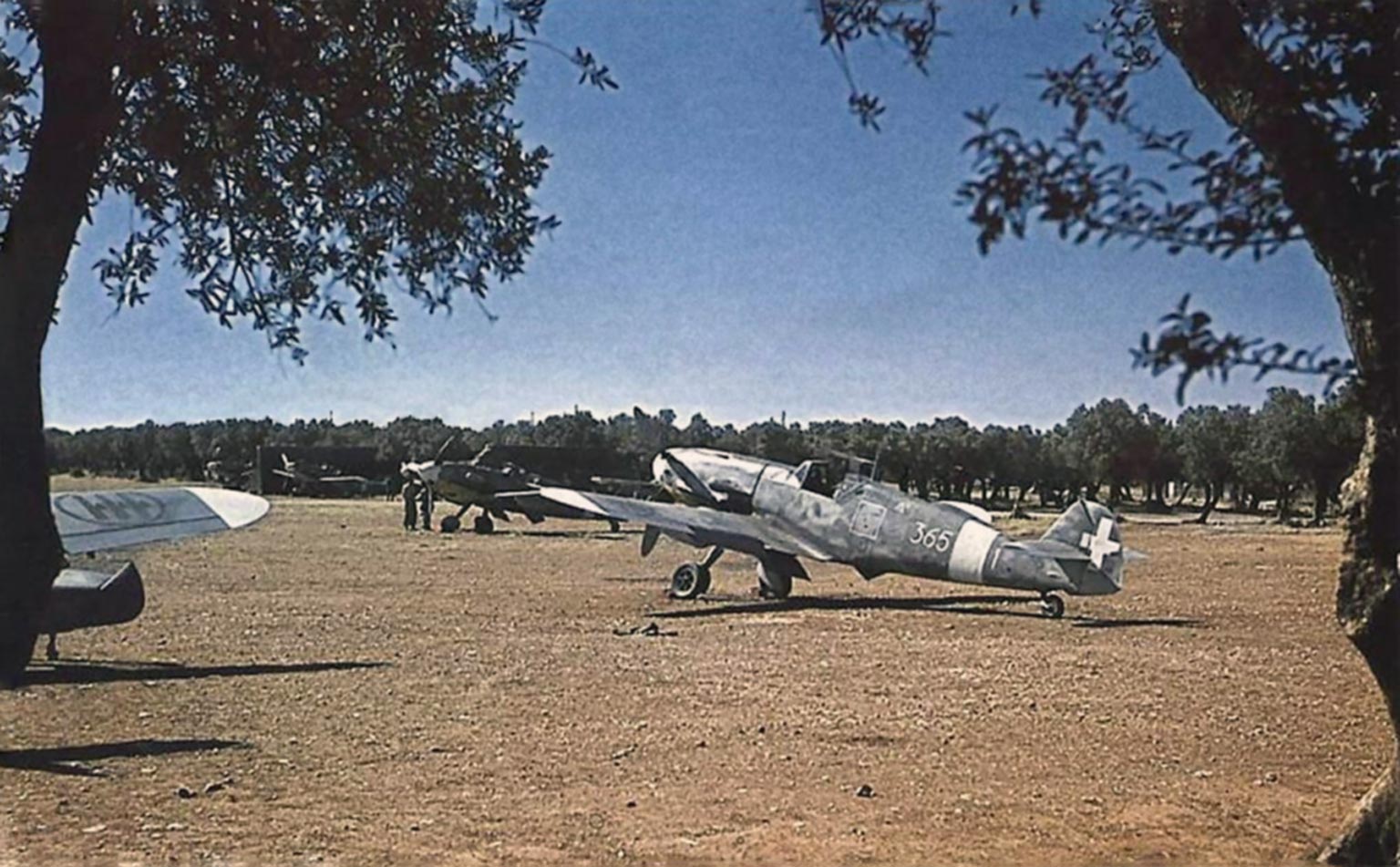
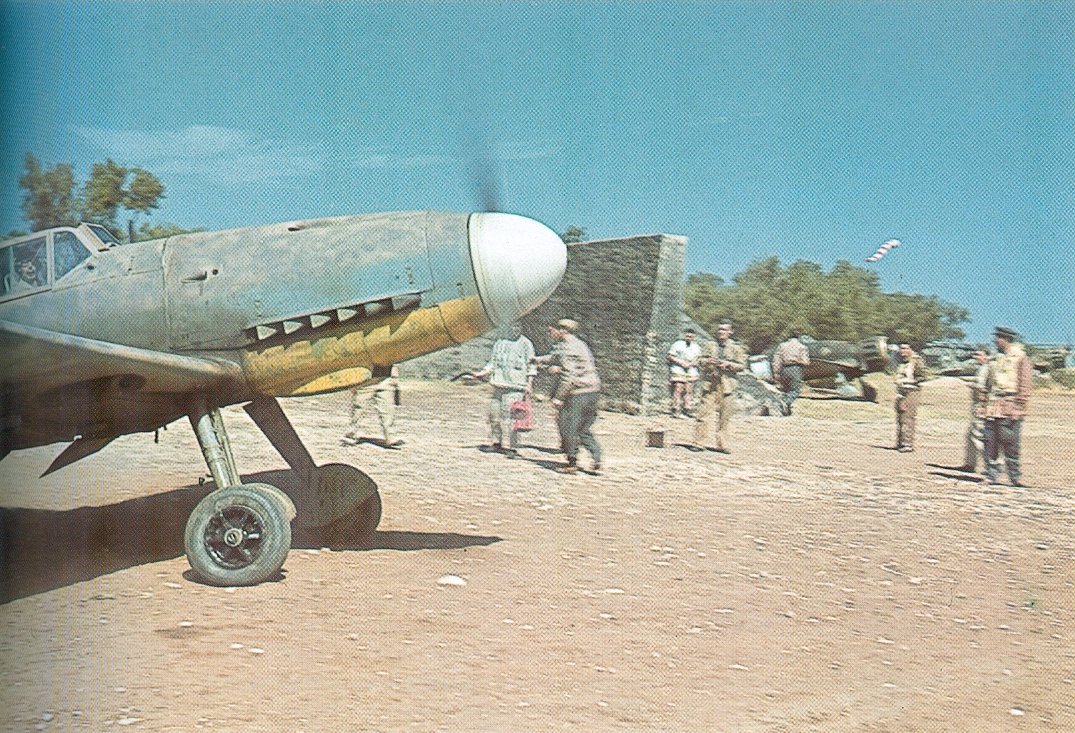
A well known color photo of Bf.109F-4 with Italian Ace ten. Antonio Camaioni at the controls leaving its revetment at Sciacca AFB.
In the background, a red-white windsock, a pair of C.200s and the oilve groves of Sciacca, May 1943. Tenente Angelo Zarelli is in the khaki
life vest wearing a dark commander's cap on the far right of the photo.
|
|
|